Beginner's 101 Guide : Who Will Build the Machine? The New Race to Control AI Computing
Summary
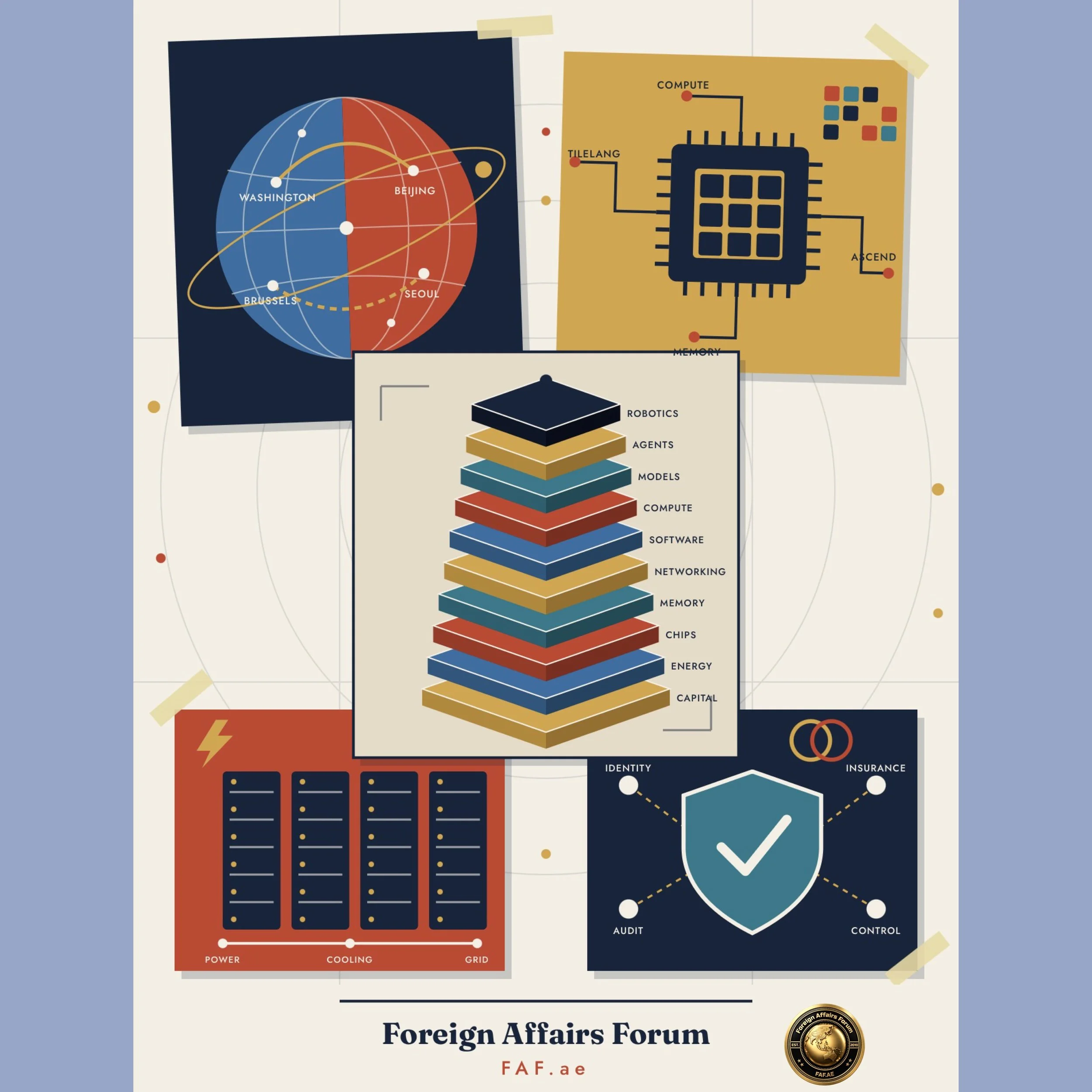
The race to lead artificial intelligence is no longer only about buying the best chips. It is about controlling everything that makes an AI computer work.
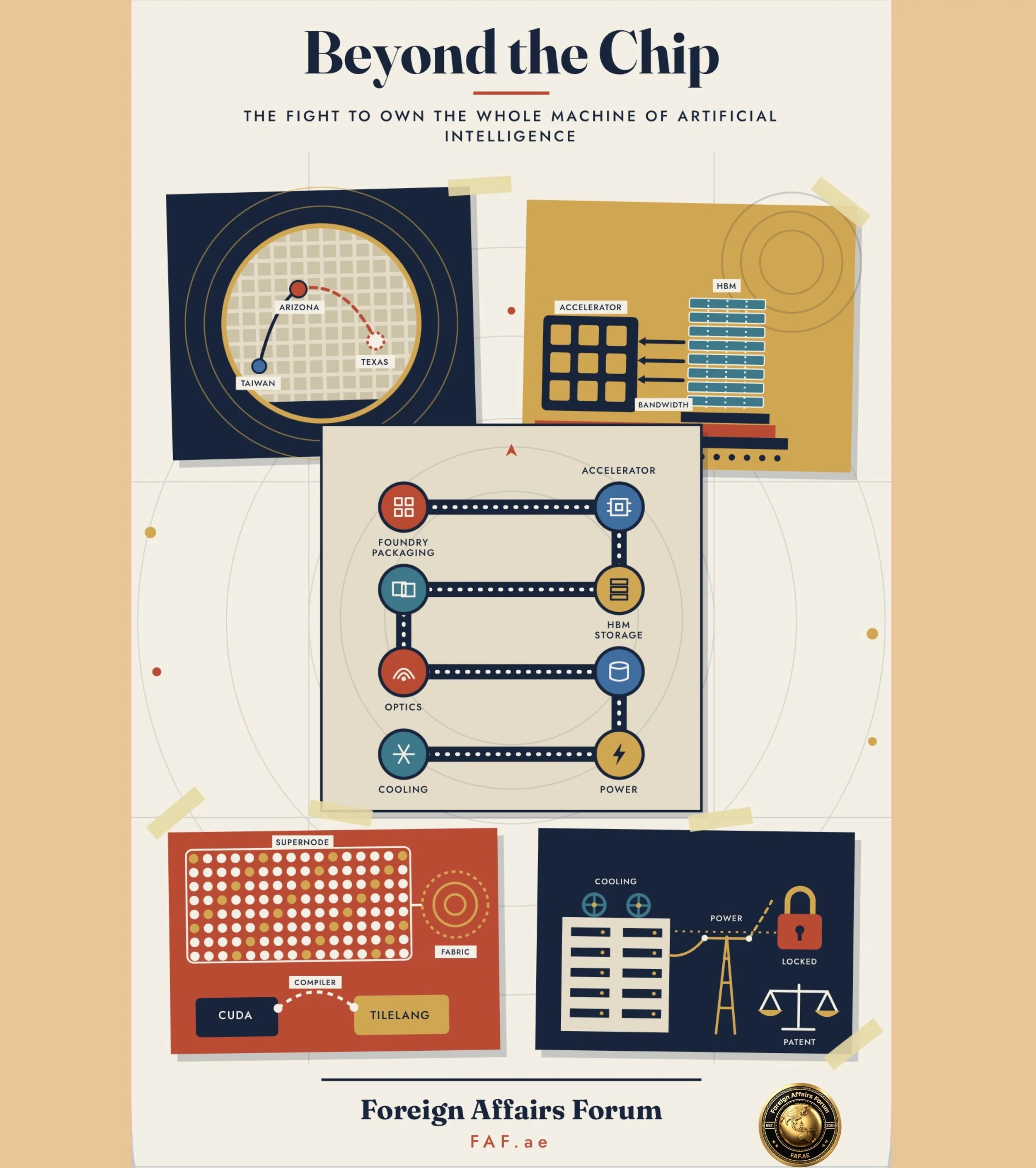
That includes the factories that make chips, the special memory that feeds them, the software that programs them, and the electricity and cooling that keep them running. The news of September 29 and 30, 2026 shows this clearly.
TSMC is thinking about building more factories in Texas, on top of its $265 billion plan in the United States. Samsung says a special kind of memory will use nearly 30% of the world's memory production in 2027. China's DeepSeek and Huawei have joined forces to build software for Huawei's chips. Anthropic has revealed plans to spend at least $518 billion on computing power.
Dr. Antonio Bhardwaj (Dr. 🆎), an expert in human-centred AI, geopolitics, AI warfare and bioterrorism risk, says that whoever controls the whole system will shape how safe and how powerful AI becomes.
Introduction
In the past, great powers competed for coal, steel and oil. Today they compete for computing power. But computing power is not one simple thing.
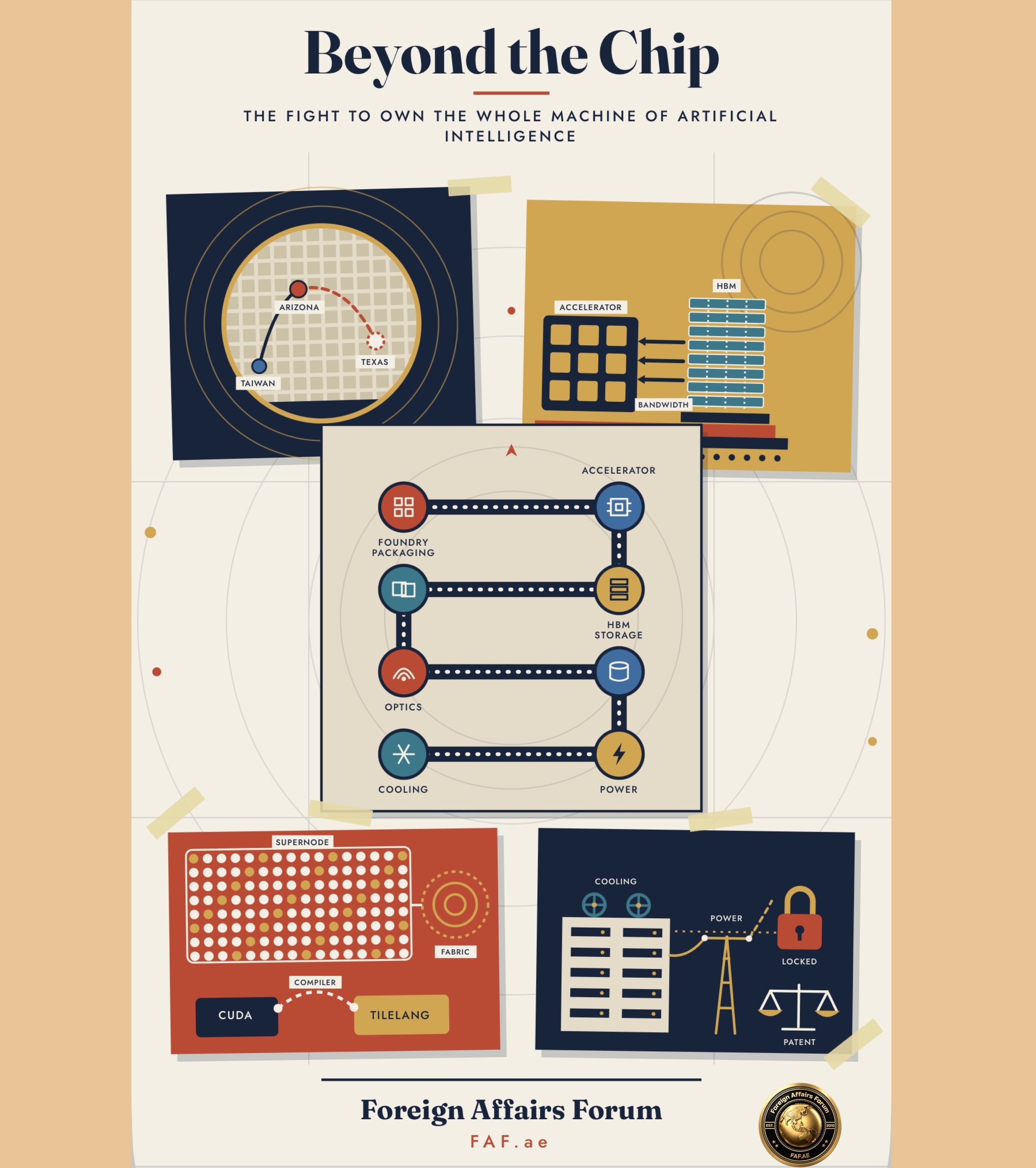
An AI computer is a long chain of parts, and every part matters. It needs advanced chips, fast memory, clever software, high-speed connections, plenty of electricity and strong cooling. If a country or company controls only some of these parts and depends on others for the rest, its power is limited.
This is why the news this week is so important.
Each story shows a different stakeholder fighting to control a different link in the chain. Some are building factories. Some are making memory. Some are writing software. Some are raising money in the stock market. Together they show that the AI race has become a race to build and own the entire machine.
Background: How We Got Here
At first, the most important thing in AI was the graphics chip.
Once researchers found that more computing power produced smarter AI, everyone wanted these chips, and Nvidia became the leader. Its strength was not only the chip itself. It also had CUDA, a software system that engineers around the world already knew how to use, so switching to another company was difficult and costly.
Next, governments began to worry about where chips are made. Most of the most advanced ones are produced by a few factories, and the most important are in Taiwan. The United States and its friends wanted more places to make chips, and Washington also limited the sale of the best chips to China. China responded by backing its own chip makers, and Huawei became its main champion with a line of AI chips called Ascend.
Now a third stage has begun. The chip is only one part of the story.
Memory, networking, software, electricity and cooling have all become bottlenecks. The winners of the next stage will be those who control the whole chain, not just one piece.
Key Developments
The first story is about TSMC, the world's leading maker of advanced chips. Reuters reported on September 30 that the company is thinking about investing in Texas. No final decision has been made. If it goes ahead, this would add to the $265 billion the company has already promised to spend in the United States, mainly in Arizona.
Dr. 🆎 says that relying on one place to make chips is dangerous, and that having more than one is the price of safety.
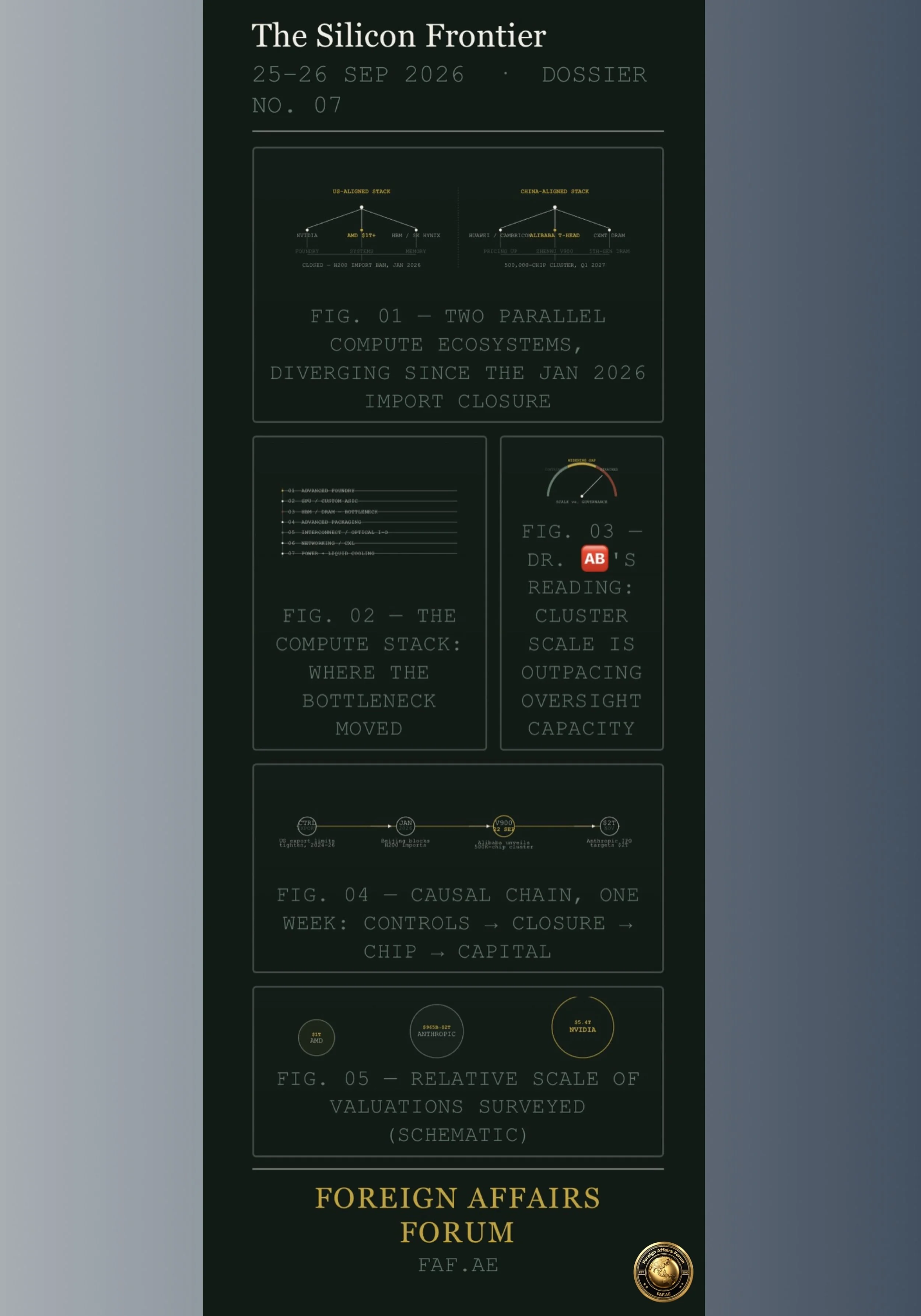
The second story is about China. DeepSeek and Huawei announced that they will build open-source software tools for Huawei's Ascend chips. They will also build a large system linking one hundred and twenty-eight Ascend 950 processors. This matters because Nvidia's real strength is CUDA, not just its chips. If China builds an easy alternative, its chips become more attractive, and American limits on chip sales become less powerful.
Dr. 🆎 says software works like gravity, pulling everyone toward the tools they already know.
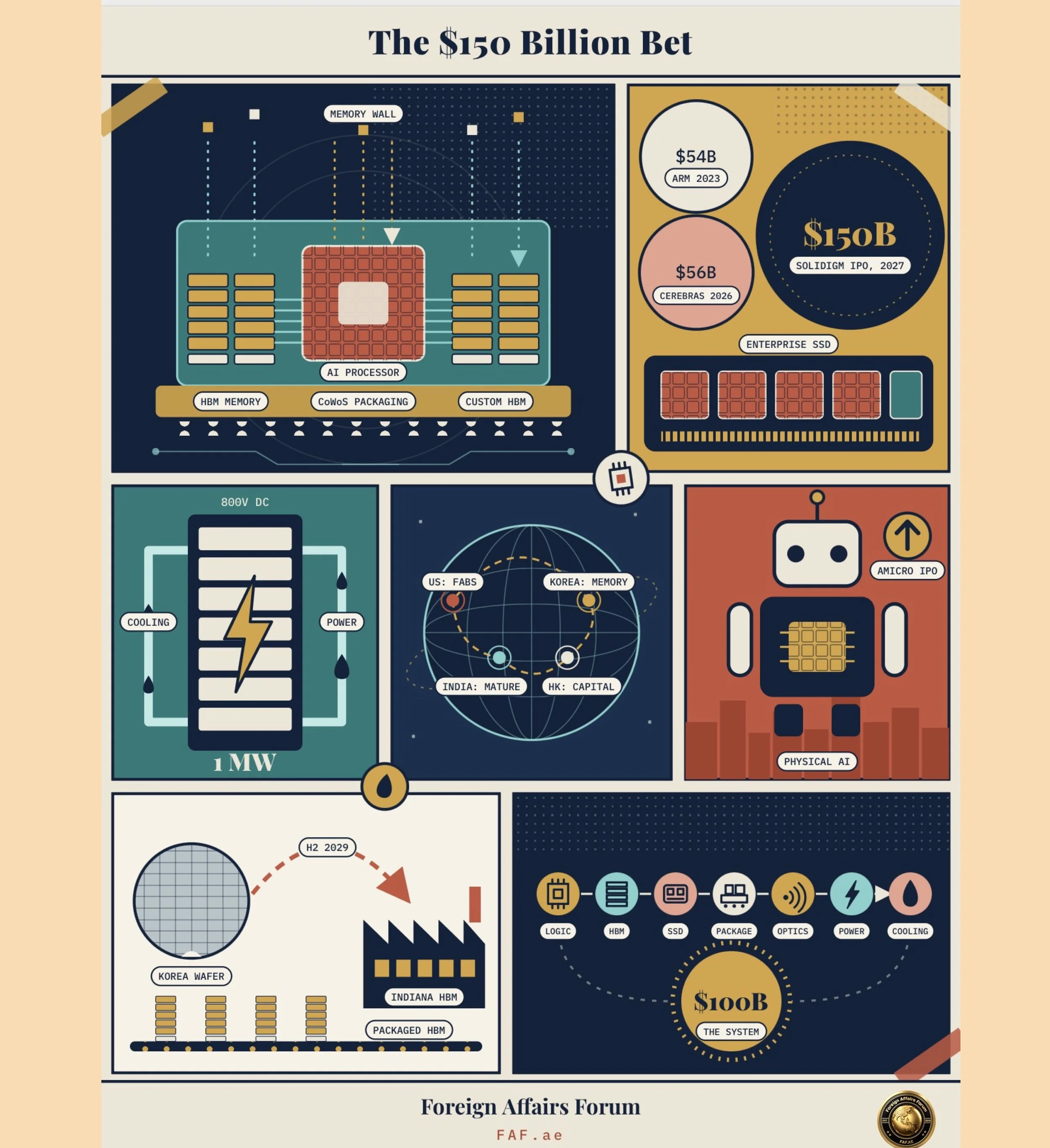
The third story is about memory. Samsung said that high-bandwidth memory will make up nearly 30% of all the world's DRAM production capacity in 2027. This special memory helps AI chips receive data quickly, and its rise means AI is now changing the whole memory industry. The fourth story is about the physical side of AI. A company called Accelevation, which makes power and cooling systems for data centres, raised $540 million by selling shares at $18 each. That was below the price range it had first hoped for, which shows investors are becoming more careful.
The fifth story is about a legal fight. A company called Netlist has asked a United States trade body to block imports of some Micron memory products, saying they break its patents. No ban has been ordered. But the memory involved is used in products linked to Nvidia, Google and Broadcom, so the case could matter for the wider supply chain. The sixth story is about Cerebras, which will supply its new CS-4 systems to Gimlet Labs in a project using about 100 megawatts of power. That shows chips other than Nvidia's can win very large contracts.
The seventh story is about money. Anthropic's IPO papers show that it has promised to pay for at least $518 billion of computing services over about ten years. Around 80% of this cannot be cancelled, even if the company uses less than planned.
The papers list about $111.1 billion with Google, $110 billion with Amazon, $31.4 billion with Microsoft and $161.2 billion in lease obligations linked to Broadcom. Anthropic might seek a value above $2 trillion. In China, RoboTechnik raised $660.4 million in Hong Kong but closed almost 5% below its offer price.
Concerns and Risks
There are several worries. First, too much of the system depends on a few places, a few companies and a few types of products. If one of them fails, many others could be hurt. Second, the money involved is enormous and mostly locked in. If demand for AI computing grows more slowly than expected, the companies that made these promises could be left with huge bills. The weak stock market debuts of Accelevation and RoboTechnik suggest that investors are already asking careful questions.
Third, legal disputes over memory patents can now threaten the supply of parts that AI needs. Fourth, if China builds its own complete set of AI tools, American limits on chip sales will matter less, and different countries may end up with different safety rules.
Dr. 🆎 warns that tests for the most dangerous risks, such as help with biological weapons, must not weaken just because the world's computing systems are splitting into separate camps.
Cause and Effect
The chain of events is easy to follow. AI is so expensive that a few companies sign giant long-term deals, and this gives factories, memory makers and data-centre builders the confidence to expand. American limits on chip sales pushed China to build its own tools, and the DeepSeek and Huawei project is the result. As chips get faster, the parts around them become the limit, so memory, power and cooling become more valuable. As customers want more choice, companies like Cerebras find new opportunities, but each new kind of chip needs its own software.
Finally, huge private promises now meet the test of public markets. When investors pay less than expected, it shows that they are no longer buying every AI story without question. That is how most great building booms behave. Capacity grows quickly, and discipline arrives when prices are tested.
What Should Happen Next
Governments should treat the whole chain as one strategic system and make sure no single place or company becomes a single point of failure. The United States and its allies should protect their software advantage by supporting open tools and developer communities, while accepting that China may eventually have a working system of its own. Investors should look closely at memory, fast connections, packaging, power and cooling, and should check patents carefully.
Companies and regulators should demand clear reporting of long-term computing promises. Safety, testing and human control should be built into AI systems from the start, not added at the end. Rival countries should keep talking about narrow safety problems, even while they compete.
Conclusion
The AI race has changed. It is no longer only about who owns the fastest chip. It is about who builds and controls the whole chain, from factories and memory to software, power and cooling. The stories of this week show each link in that chain.
Dr. 🆎 reminds us that people, not machines, will decide how this ends. If leaders keep human judgment and responsibility at the centre, AI can serve the world. If they do not, the risks will grow along with the technology.