Beginners 101 Guide: Why Computer Memory Has Suddenly Become the Hottest Business in the AI Race
Summary
Most people think that artificial intelligence depends on one thing, a powerful computer chip.
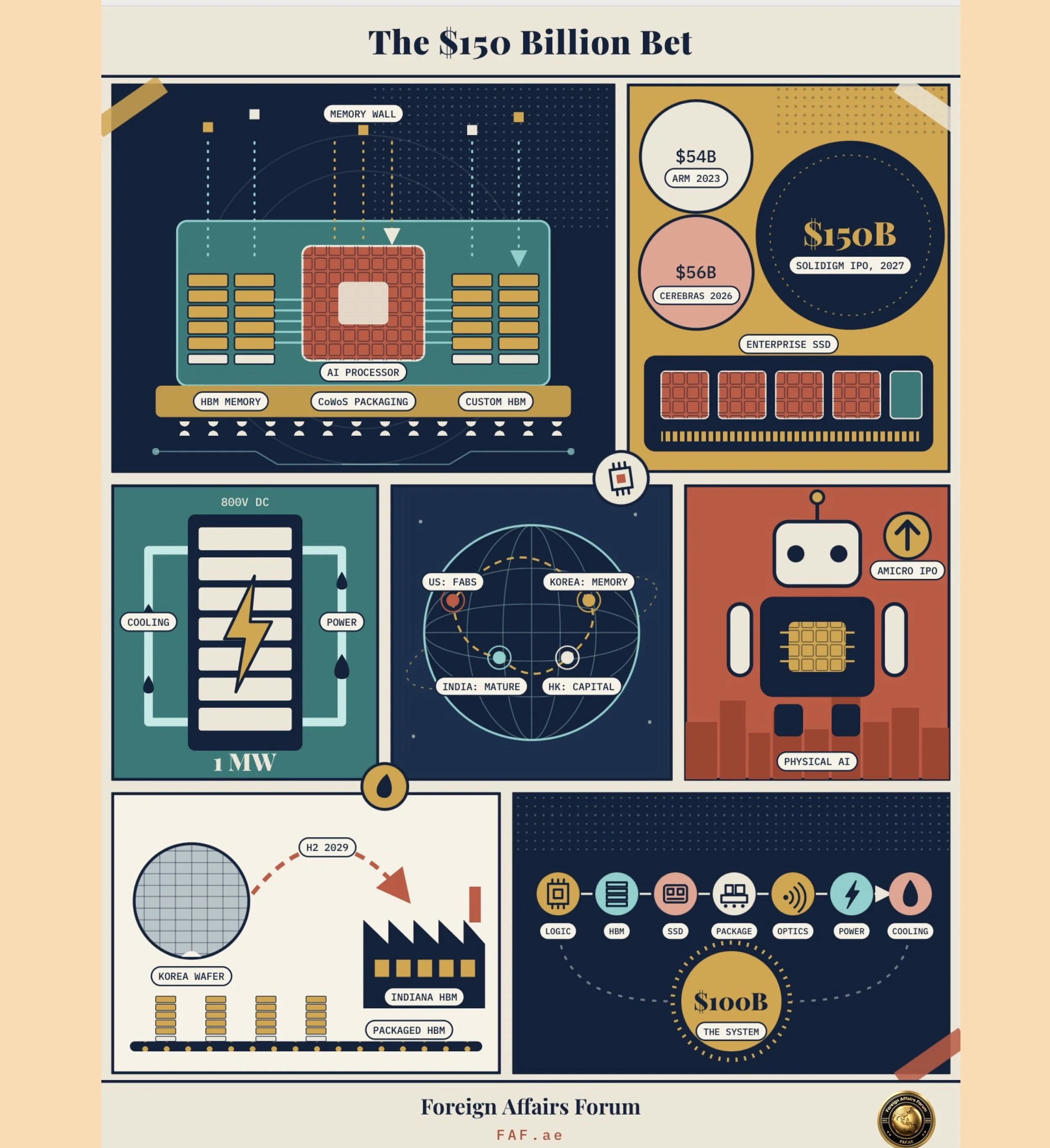
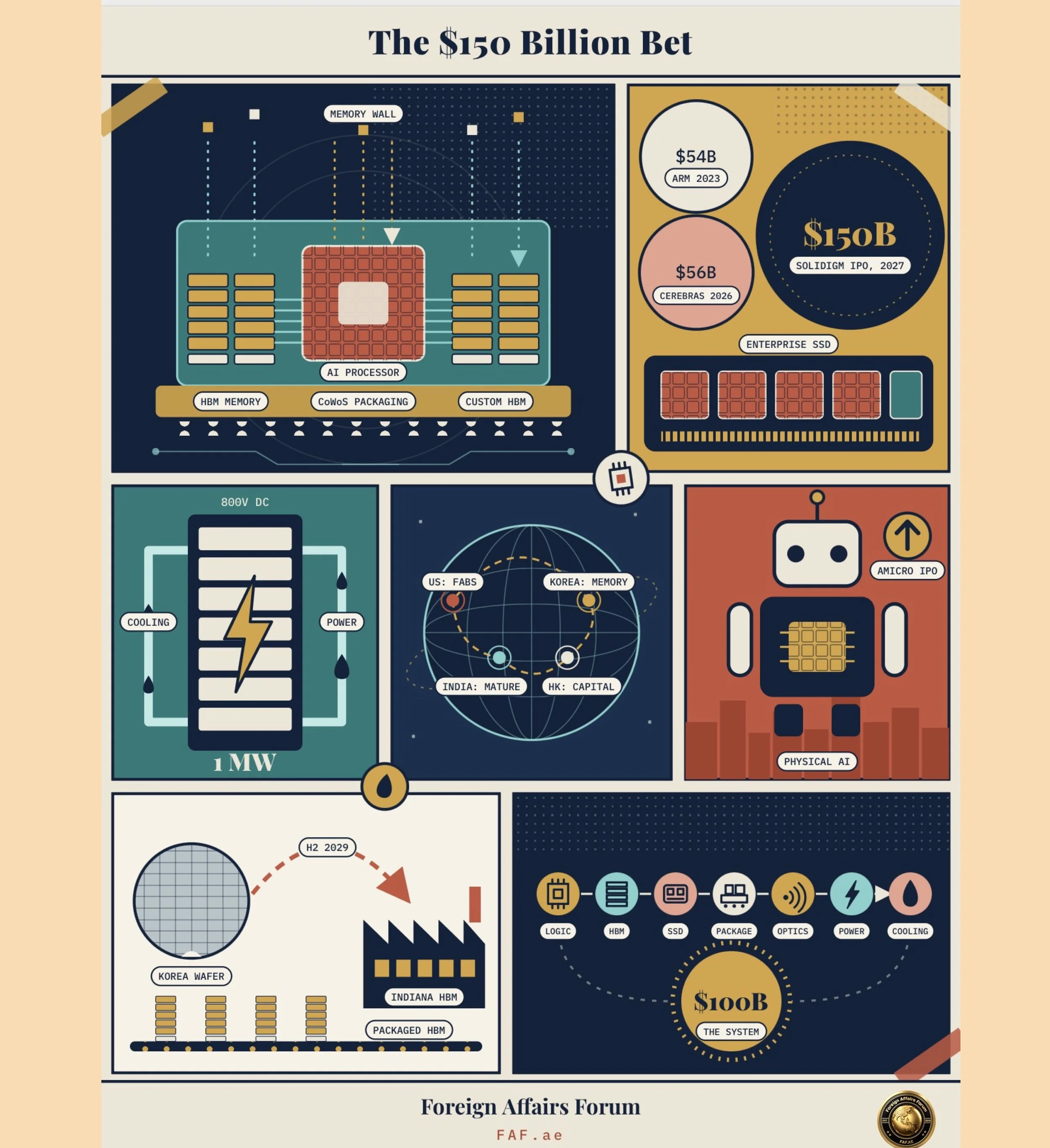
This week's news shows the picture is bigger. A company called Solidigm, which makes data storage drives and belongs to South Korea's SK hynix, is reportedly thinking about selling shares to the public in the United States, possibly as early as 2027. It could raise about $15 billion and be valued at up to $150 billion.
Nothing is final, and plans could change. Even so, the size of the number shows that investors now believe the parts that store, move, power and cool data may be just as valuable as the chips that do the thinking.
Introduction
Dr. Antonio Bhardwaj (Dr. 🆎), who leads the Foreign Affairs Forum and studies how AI affects global politics, war and security, likes to explain this with a simple picture. Imagine a great chef.
A brilliant chef cannot cook without ingredients, a kitchen, fire and a way to carry plates to the table. In the same way, a powerful AI chip cannot work well without fast memory, big storage, good connections, steady electricity and cooling. For years, the world only talked about the chef. Now people are noticing the kitchen.
How We Got Here
For a long time, computer memory was seen as a boring business. Prices went up and down wildly, and only a few big companies, mostly in South Korea, Japan, Taiwan and China, made most of it.
Intel, once the king of computer chips, decided it no longer wanted its storage business. SK hynix bought it for about $9 billion, and that business became Solidigm.
Then AI arrived. Training and running AI systems means moving huge amounts of data very quickly. A special kind of memory called high-bandwidth memory became extremely important, because it lets the chip get data fast enough to keep working.
SK hynix became a leader in this area and built a close partnership with TSMC, the world's biggest maker of advanced chips. Storage drives that hold the enormous amounts of data AI needs also became more important. Something once seen as ordinary is now seen as essential.
What Happened This Week
The biggest news is the possible Solidigm share sale. Banks reportedly competed to win the job of managing it. For comparison, Arm Holdings was valued at roughly $54 billion when it began trading in 2023, and the AI chip company Cerebras was valued at about $56 billion when it listed in 2026. A value of $150 billion would be far higher than both.
Dr. 🆎 says this shows investors are now pricing the pipes of intelligence as highly as intelligence itself.
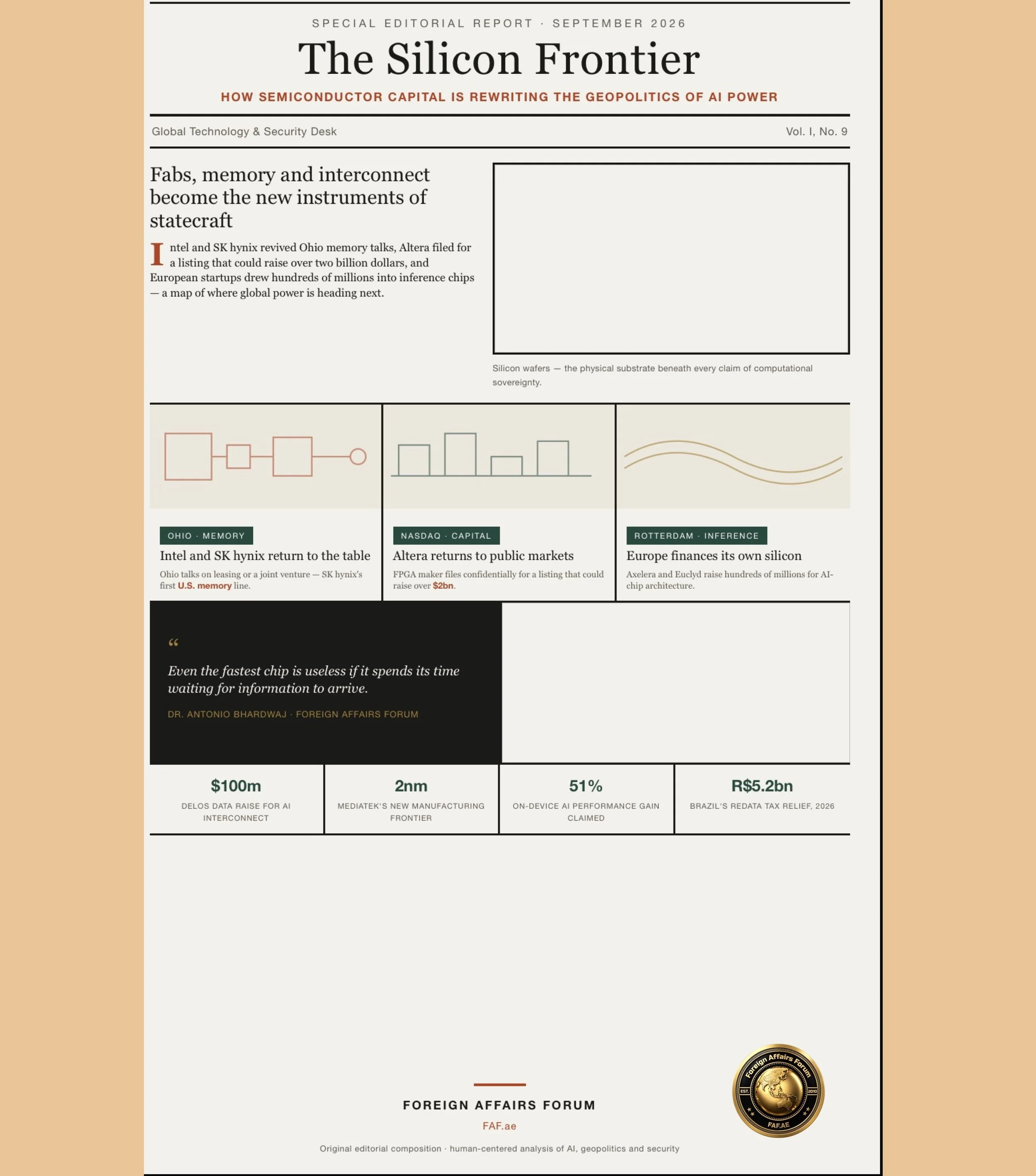
There was also news from Hong Kong. Amicro Semiconductor, a company backed by Xiaomi that makes chips for robots, has passed an important step toward listing its shares. It may start marketing them this week and could begin trading in mid-October, aiming to raise around $100 million.
This matters because it shows money flowing into chips for machines that move and act in the real world, not just for computers in data centres.
SK hynix and TSMC are also working even closer together. In the past, engineers picked a processor and a memory chip separately and joined them. Now they design the processor, the memory and the packaging that joins them as one system from the very start. This can make computers much faster, but it also makes the companies more dependent on each other.
Another question is where things are made. SK hynix is building a facility in Indiana worth more than $4 billion, which started construction in August. It is meant to turn memory wafers made in Korea into finished memory products in America starting in the second half of 2029. But putting the pieces together in America is different from making the memory itself there.
The company has looked at other options, including a site in Ohio that belongs to Intel, and Solidigm is considering an American factory for its storage chips. No decision has been made.
Power, Heat and Money
Future AI computer racks may need close to one megawatt of electricity by around 2028. That is roughly the power that hundreds of homes might use, squeezed into a space about the size of a large cupboard.
To handle this, data centres will need new eight-hundred-volt electrical systems and liquid cooling. This creates new business chances in power chips, cooling systems and heat-control materials.
On September 28, eight new investment funds began trading in Hong Kong. They give investors easier access to South Korean chip companies and American technology stocks. China has a great deal of money looking for places to invest abroad, and Korean memory makers are natural choices.
Meanwhile, India now has twelve approved chip projects with more than $18 billion promised. Its chip demand is expected to pass $117 billion by 2030. One key project is a factory in Dholera being planned by Tata Electronics with Taiwan's PSMC. It will make older, simpler types of chips that are still essential for cars, factories, phones and defence equipment.
Dr. 🆎 believes India is wise not to chase the very newest chips first. He points out that useful industries can be built in steps.
Worries to Keep in Mind
There are several reasons for caution.
First, the Solidigm plan is only preliminary, and the memory industry has a history of booms followed by crashes. A high price today does not guarantee a high price tomorrow.
Second, very few companies and places make the most important parts, so one earthquake, cyberattack or conflict could disrupt the whole world's AI progress.
Third, the huge amounts of electricity and water needed by AI data centres could strain local power systems.
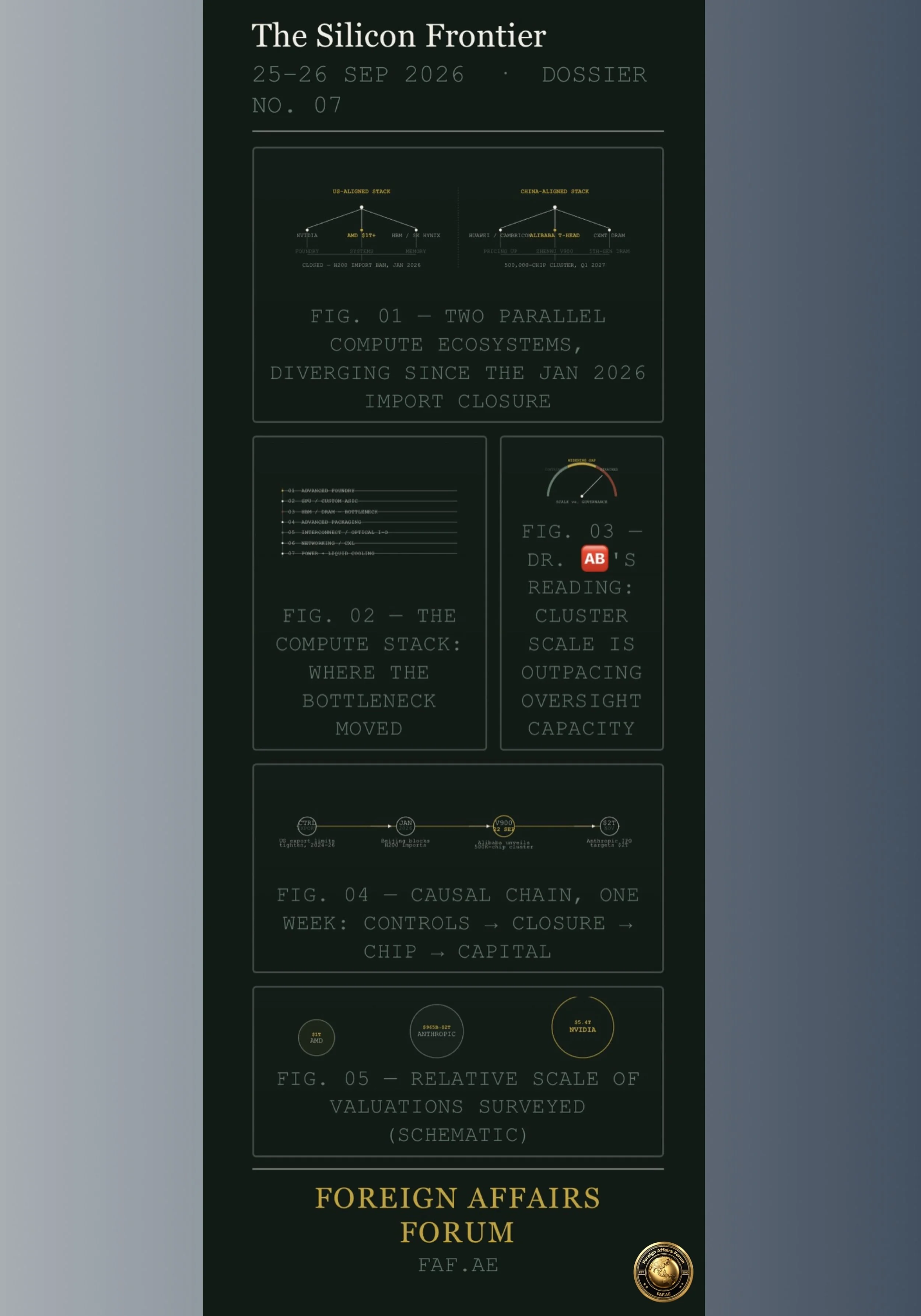
Dr. 🆎 adds a further worry from his work on AI security. Whoever controls the most computing power also influences who can build the most powerful AI systems. This can be good, because it allows oversight, but if too few people hold that power, it can create dangerous rivalry. If computing power spreads too widely without safeguards, bad actors could misuse it, including for creating biological threats. He argues that the physical supply chain is therefore a matter of safety and governance, not only business.
Why These Events Are Connected
The links are easy to follow once you see them. AI programmes have grown so large that moving data has become as hard as calculating with it. That makes memory more valuable. Because memory must be attached to the chip in a very precise way, packaging becomes valuable too, which explains the closeness between SK hynix and TSMC.
More AI also means more data to store, which lifts the value of storage companies like Solidigm. Higher valuations bring in money to build new factories, and where those factories are built decides which countries are safe from shortages. More powerful chips need more electricity and cooling, which opens up new industries. Easier ways to invest, like the new Hong Kong funds, bring even more money into the sector.
The danger is that this loop can also run in reverse. If demand for AI slows, prices could fall, plans could be cancelled and valuations could shrink.
Dr. 🆎 warns that it is a mistake to plan as though a good cycle will last forever.
What Should Happen Next
Governments should look at the whole supply chain, not just the chip itself. This means supporting memory production, packaging, power equipment and cooling technology together.
Allies such as the United States, South Korea, Taiwan, Japan and India should plan together so that one problem in one place does not cause a worldwide crisis. Power grids and permits need to be upgraded early so that new data centres can actually run.
Investors should be careful and treat early valuation numbers as hopes, not facts.
Dr. 🆎 suggests the most promising areas after this cycle are memory-focused computing, light-based data connections, advanced packaging, power chips with liquid cooling, and chips for robots. Companies should build backup plans and protect their factories from cyberattacks. Finally, leaders should remember that rules for AI safety must consider who owns and controls the computing hardware, and that human-centered design should guide how it is used.
Conclusion
The possible Solidigm share sale is important not only because of one company's value. It shows that the AI race is moving from a contest about the best chip to a contest about the whole system that feeds, stores, connects, powers and cools that chip.
Dr. 🆎 sums it up this way: the next company to become worth $100 billion may not build a better GPU at all. It may simply solve the problem of keeping the chips we already have fed, connected, powered and cool. Those who see this early will hold a real advantage in the years ahead.