Beginner's 101 Guide: Two Deals, Two Directions—Why Peace With China Is Growing as the Iran Crisis Deepens
Summary
The Big Picture
This week showed two very different kinds of news from world leaders. In Washington, the leaders of the United States and China made some small but useful agreements. In the Middle East, the American president turned down a peace offer from Iran, and oil prices went up straight away. Together, these two stories tell us a lot about how the world works right now.
Dr. Antonio Bhardwaj (Dr. 🆎), an expert on human-centred artificial intelligence, AI in warfare and the risks of biological weapons, believes the main problem today is speed. Technology is moving very fast, but the world's rules and agreements are moving slowly. That gap, he warns, is where the biggest dangers hide.
What Happened in Washington
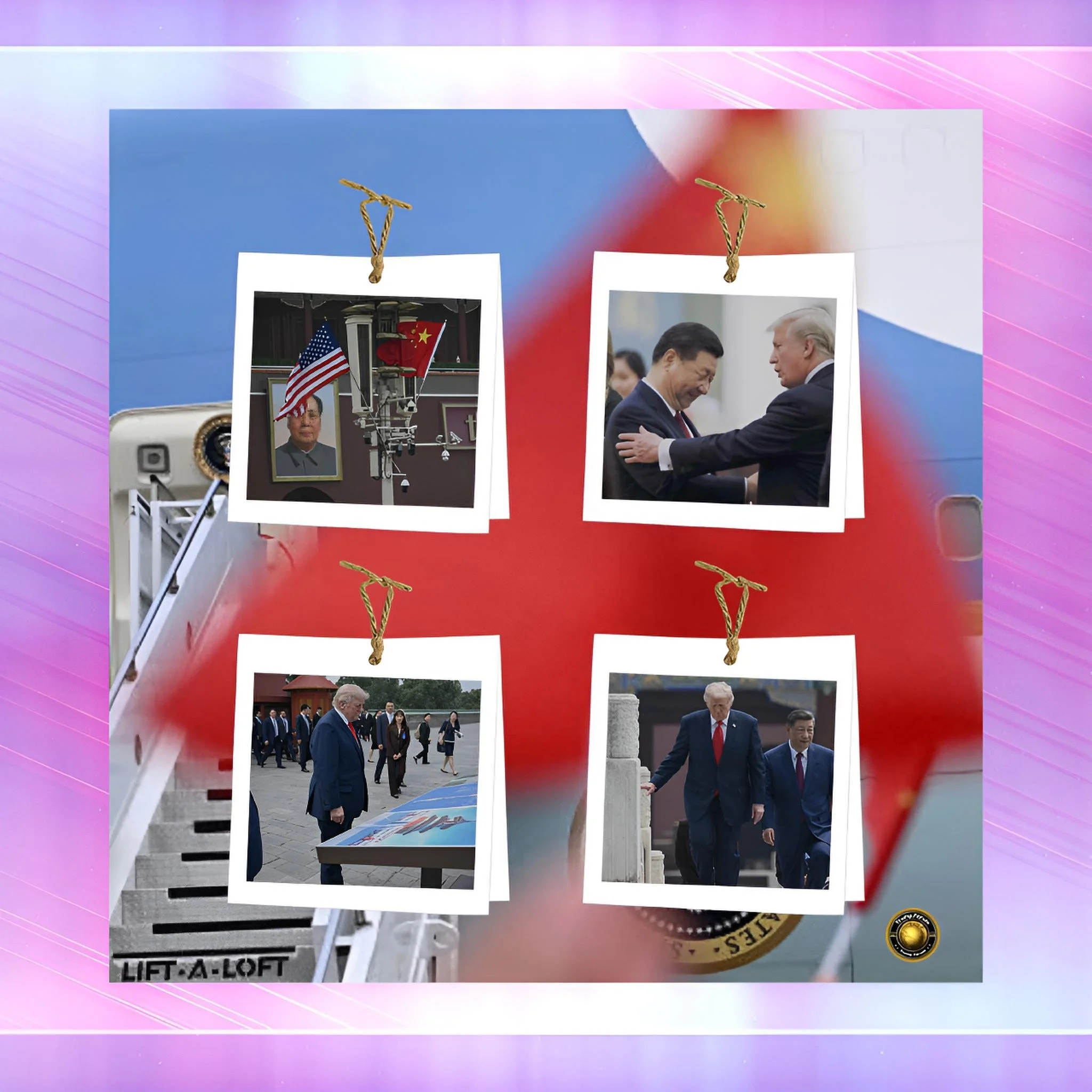
President Donald Trump and President Xi Jinping met for three days. Xi travelled to Washington for the first time in more than ten years. The two leaders did not solve their biggest disagreements, but they did agree on several practical things.
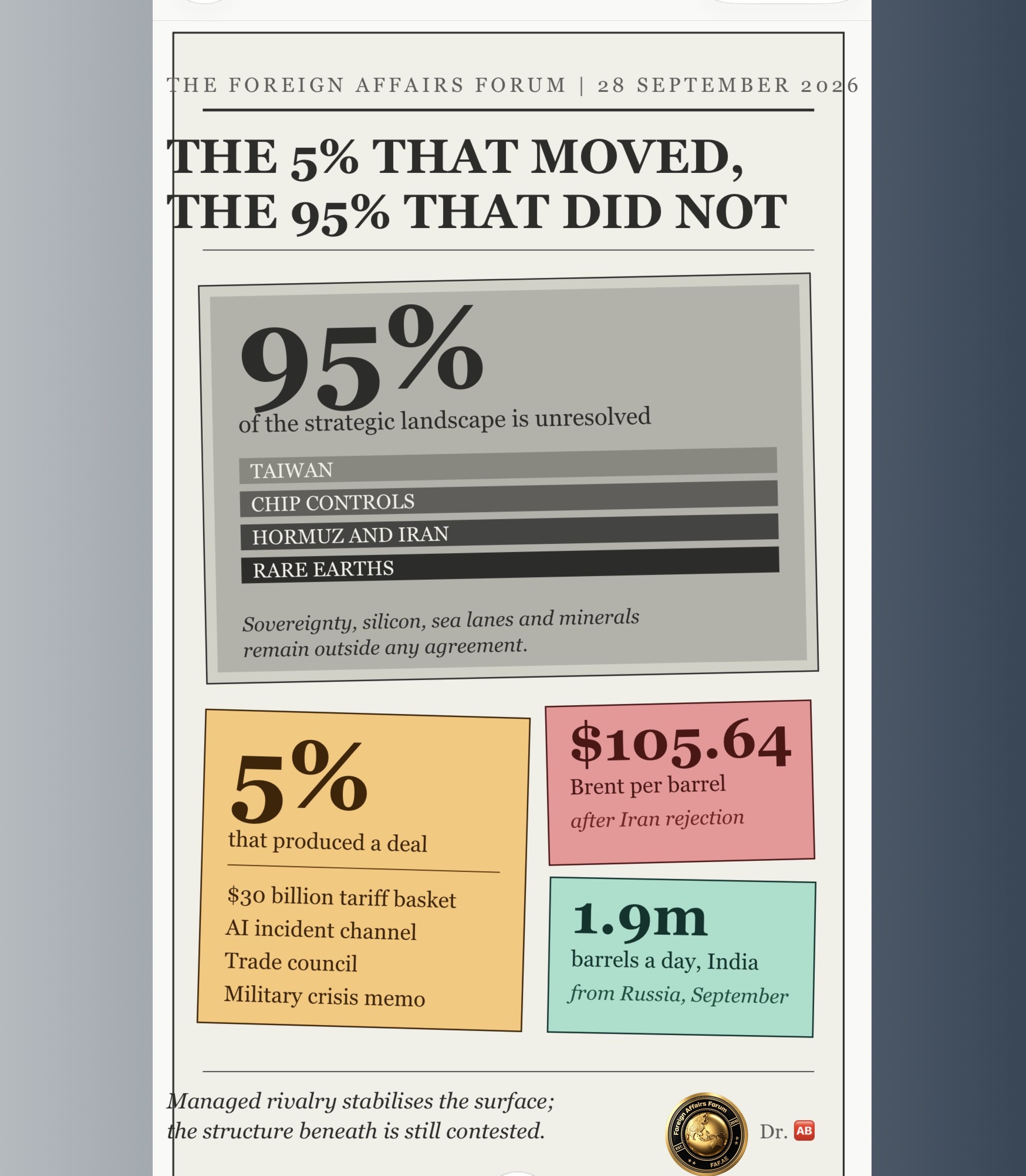
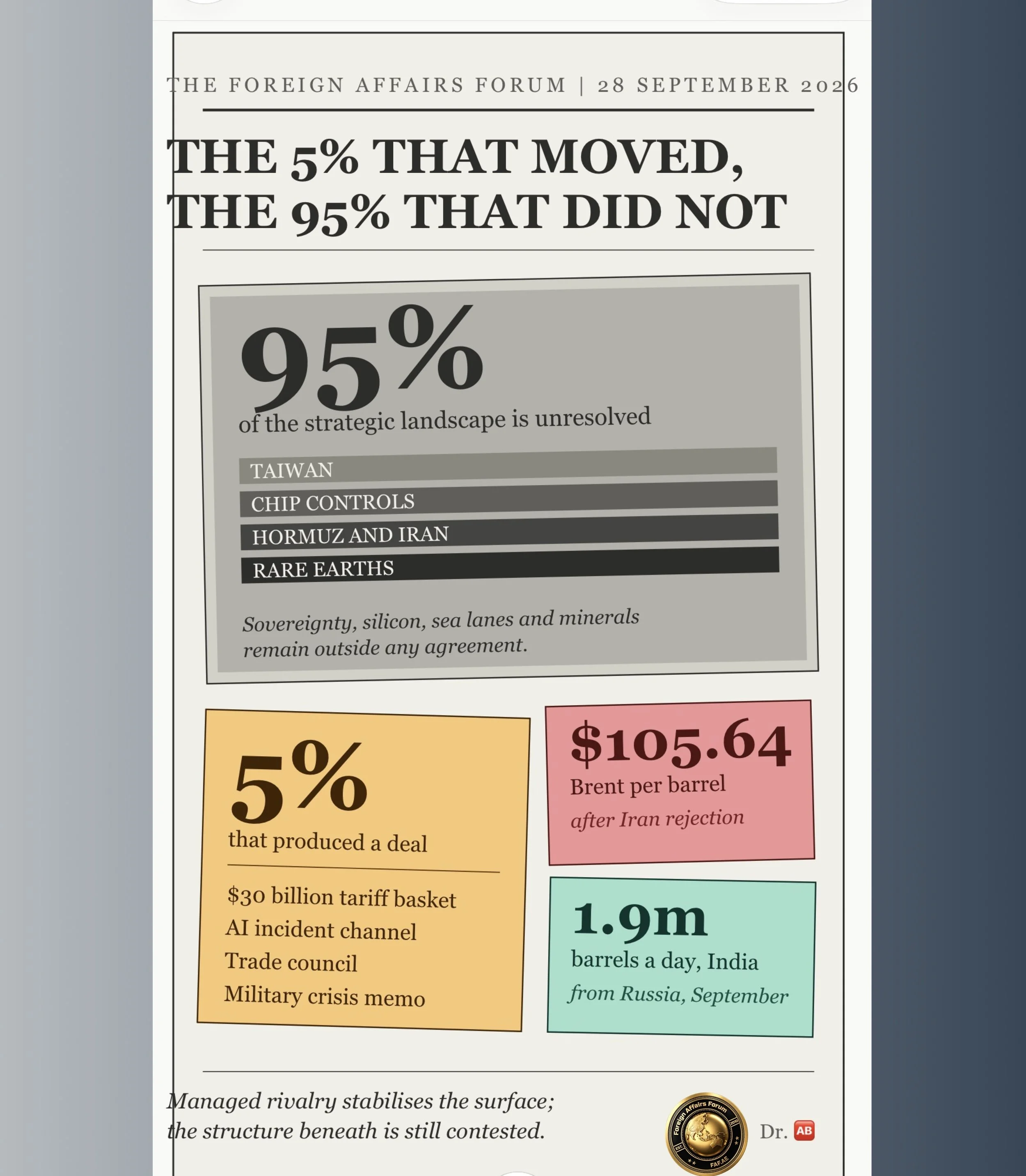
They agreed to lower taxes on trade, called tariffs, for $30 billion worth of goods going each way. These are mostly simple products like farm goods and household items, not sensitive technology. They also agreed to create a new trade council and to extend their current trade truce by two months. China promised to buy at least 10 million tons of American coal in both 2027 and 2028.
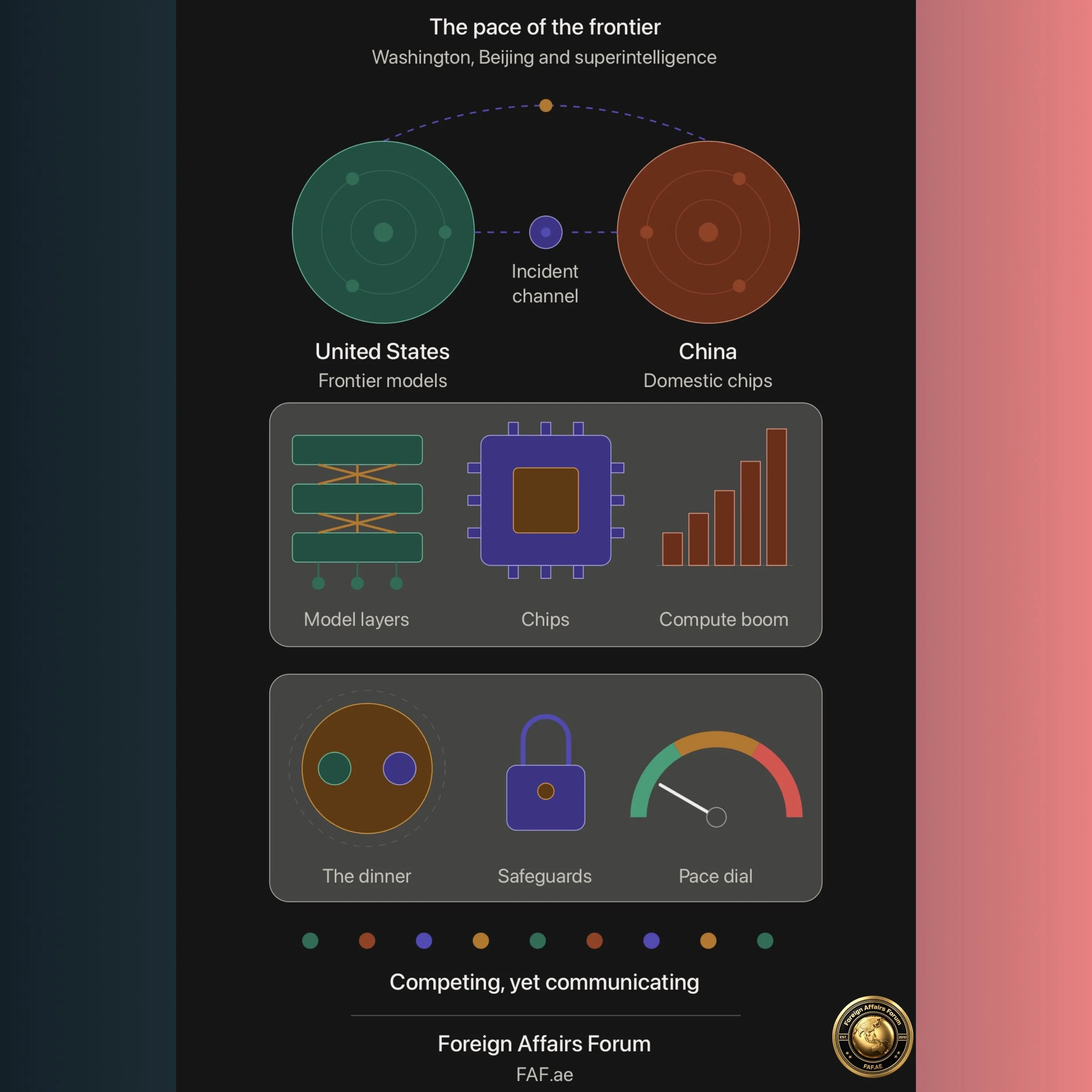
The most interesting part was about artificial intelligence, often called AI. The two countries agreed to set up a special communication channel for AI problems. They plan to hold a formal AI meeting in November. They also agreed to sign a paper about how their militaries will talk to each other during a crisis. Xi said both countries share a duty to keep AI under human control.
Dr. 🆎 strongly supports this idea, because keeping people in charge of powerful machines is the heart of his work.
However, there are reasons for caution. Nobody has explained exactly what counts as an AI problem, or what each country must do when one happens. President Trump also said the United States will not slow down its AI work, because it is well ahead of China. If one side sees the talks as a way to slow down the other, the talks may not achieve much.
The Problem With Taiwan
While the leaders were meeting, Xi asked Trump to say that America opposes Taiwan becoming independent. This is a stronger message than the usual American position, which is that it does not support independence. Taiwan's government replied quickly. It said Xi was twisting the facts and that only the people of Taiwan can decide their own future.
This matters because Taiwan makes most of the world's most advanced computer chips. Any conflict there would hurt car makers, phone makers, and the whole AI industry. Many people also remember that Trump paused a planned weapons sale to Taiwan in May and called it a good bargaining chip. That memory makes Taiwan nervous.
The Iran Crisis
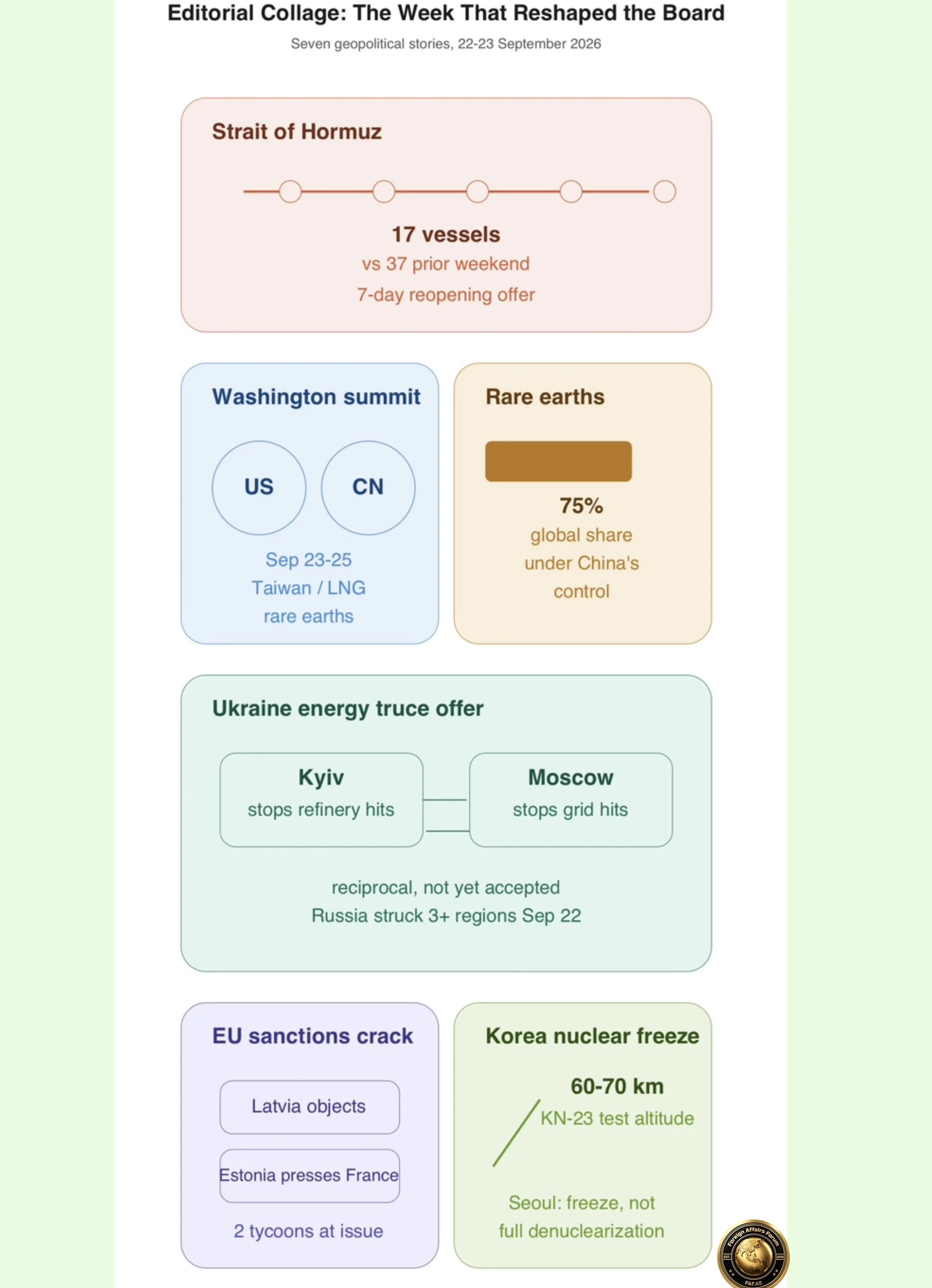
Meanwhile, the war between the United States and Iran continues. It began in February 2026 when American and Israeli forces struck Iran. Since then, a key sea route called the Strait of Hormuz has been badly disrupted. This narrow passage carries a huge share of the world's oil.
This week, Iran's foreign minister offered a plan to reopen the strait and restart talks about its nuclear program. In return, Iran wanted the American blockade lifted, economic limits removed, and its frozen money released. President Trump said no. As he put it, Iran made a proposal but he rejected it.
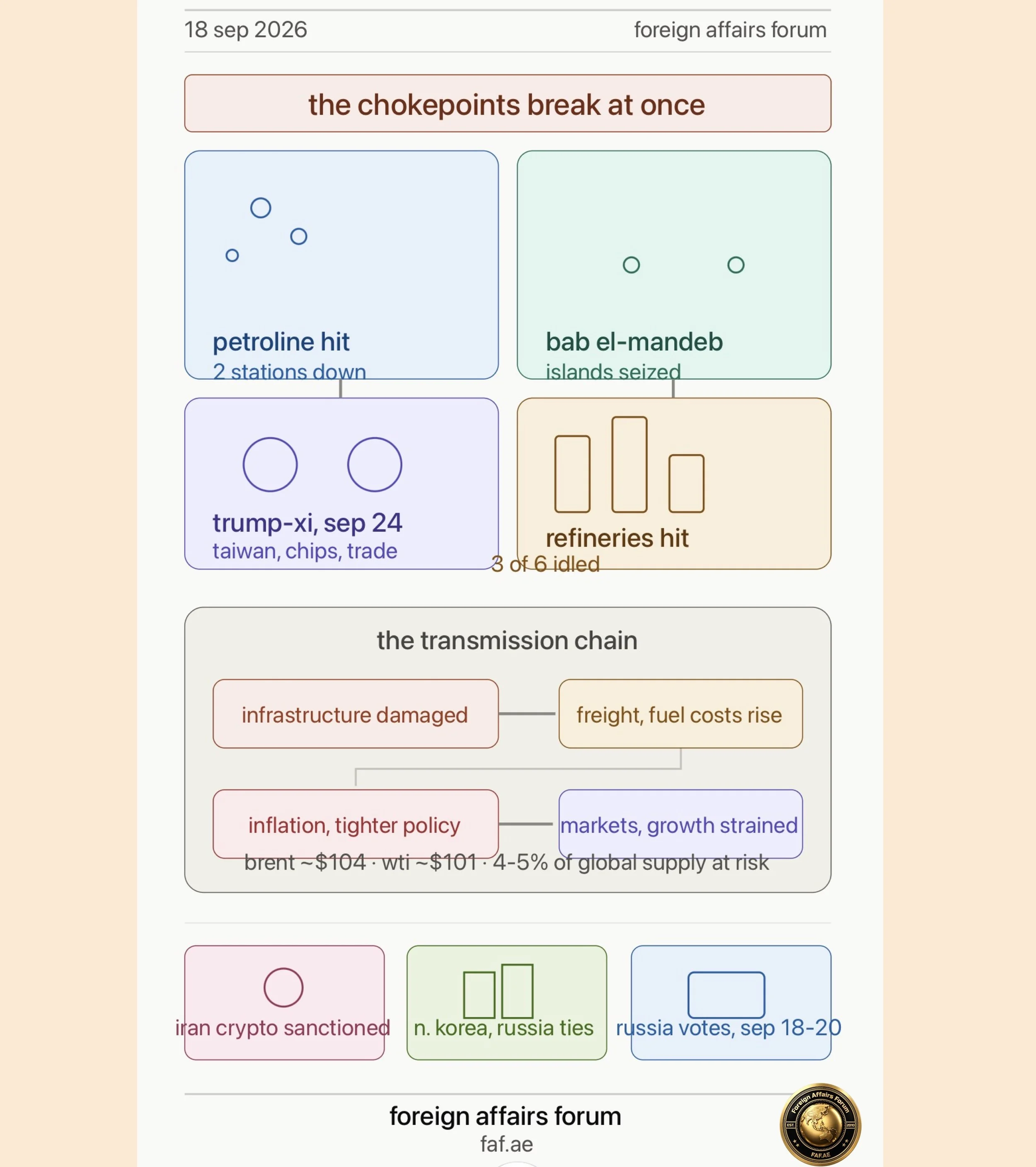
Oil prices rose right away. Brent crude, the main global price, climbed to about $105.64 a barrel. That is very high, and it affects everyone. When oil costs more, fuel costs more, and so do food and shipping. Some experts now worry that fighting could return after the American midterm elections.
Why Oil Prices Matter to Everyone
It helps to follow the chain of cause and effect. If talks with Iran fail, oil gets more expensive. When oil gets more expensive, prices rise across the economy. When prices rise, central banks are less likely to cut interest rates, and they may even raise them. Higher interest rates make it more costly for governments and families to borrow money, and they can push stock markets down. Countries that must import most of their oil suffer the most, because their money loses value and their bills grow.
This is why a decision made in one room can be felt in shops and homes thousands of miles away.
Other News Worth Knowing
Switzerland held a vote on whether to make its famous neutrality much stricter. The proposal would have made it harder for Switzerland to work with the military alliance NATO or to join sanctions.
Voters said no by a large margin, about 69% to 71% depending on the count. This does not mean the Swiss have given up on neutrality. It means they want their government to keep some flexibility in a more dangerous Europe.
India is buying less oil from Russia. Its Russian imports peaked at about 2.8 million barrels a day in July and are expected to fall to about 1.9 million in September. India is buying more from Iraq and the Gulf instead. Russia is still India's biggest supplier, though. Experts say this change may leave Russia more dependent on China, which would give China more power in that partnership.
China's factories are also showing a warning sign. Industrial profits grew just 4.2% in August, compared with 11.2% in July. Factories that make chips and electronics are doing very well, but businesses that depend on Chinese shoppers are struggling. Because people at home are not spending enough, Chinese companies are selling more abroad. This can cause fresh trade disputes with other countries.
What Might Happen Next
Several things are worth watching in the coming weeks.
The first is whether the United States and Iran can find a new plan after this rejection. A workable deal would probably need both sides to take steps in stages, such as reopening the strait while easing the blockade bit by bit, with clear checks to make sure each side keeps its promises.
The second is whether the AI meeting in November produces real rules.
Dr. 🆎 suggests three goals. The two countries should agree on what an AI problem actually is. They should agree on how quickly and how clearly they must warn each other. And they should work together to stop dangerous misuse of AI, especially in areas like biology, where a mistake could hurt people everywhere.
The third is whether the military communication agreement is truly signed and put to use. Crisis hotlines work best when people have practised using them long before an emergency.
The fourth is how Taiwan is handled. The United States should keep its wording steady and keep supporting Taiwan through actions, not just words.
Conclusion
This week showed that the world is not moving in one direction. The United States and China are finding small ways to work together, even while they compete. At the same time, the fight between the United States and Iran is getting harder to solve, and the whole world feels the effects through oil prices.
Dr. 🆎 reminds us that the deepest challenge is speed. Technology, especially artificial intelligence, is racing ahead. The agreements and rules that could keep it safe are still being written. If leaders can build strong communication channels and honest rules quickly, the world may become safer. If they cannot, small accidents could grow into big crises.
The lesson is simple. Good diplomacy is not measured by the speeches leaders give but by the disasters they prevent. The next few weeks will show whether this week's agreements were a real beginning or just a pause.