Beginner's 101 Guide: The Global Ripple — Understanding the 2026 Conflict
Summary
In early 2026, the Middle East became a very dangerous place.
A big war started in February, involving the United States, Israel, and Iran. Since then, the world has been trying to stop the fighting, but it is not easy.
Think of it like a neighborhood argument that got way out of hand. Israel and Iran are the two main people fighting. They are constantly sending missiles at each other.
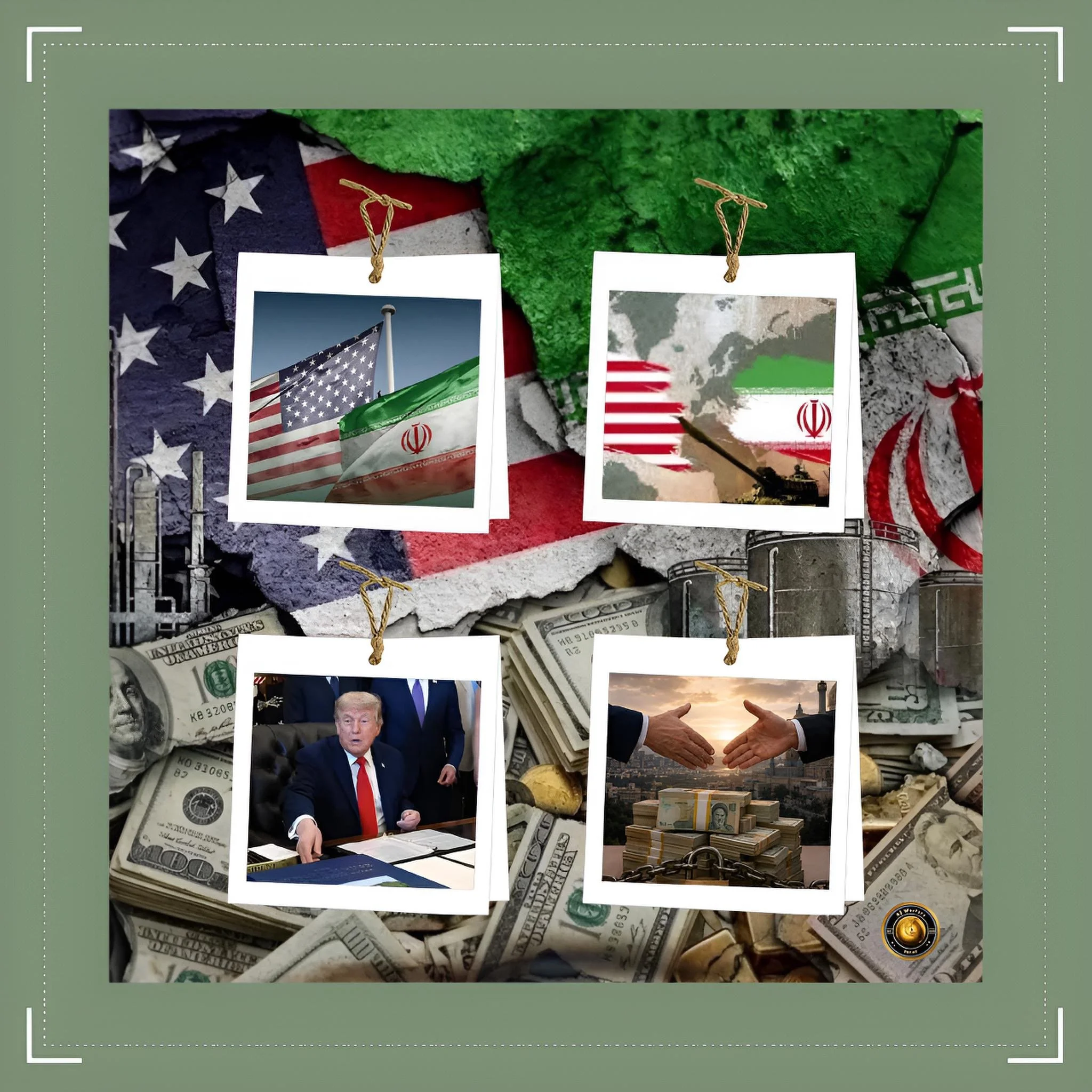
The United States is trying to act like a mediator, telling both sides to stop because the fighting is hurting everyone else—specifically by making oil and gas very expensive for the whole world.
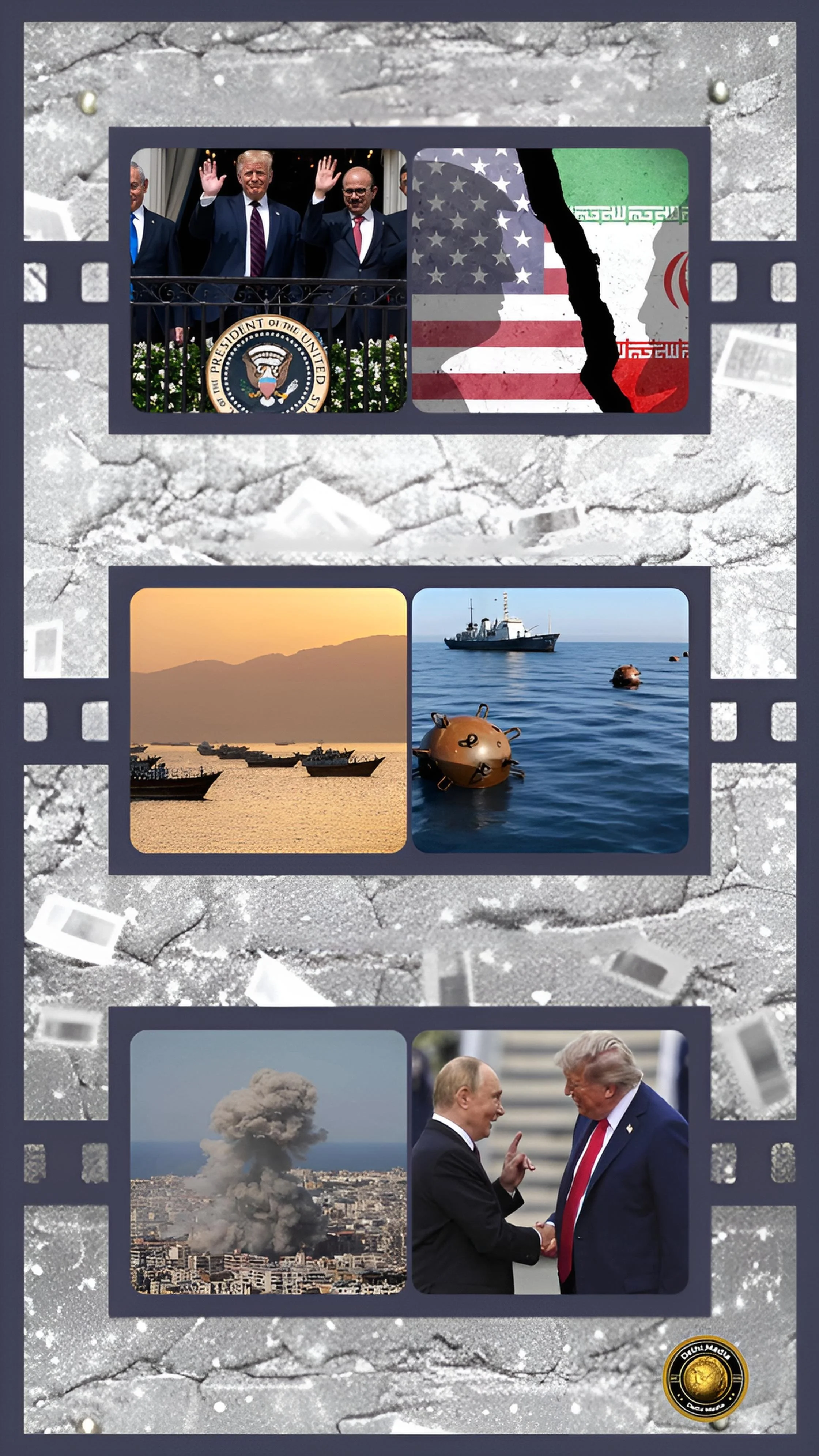
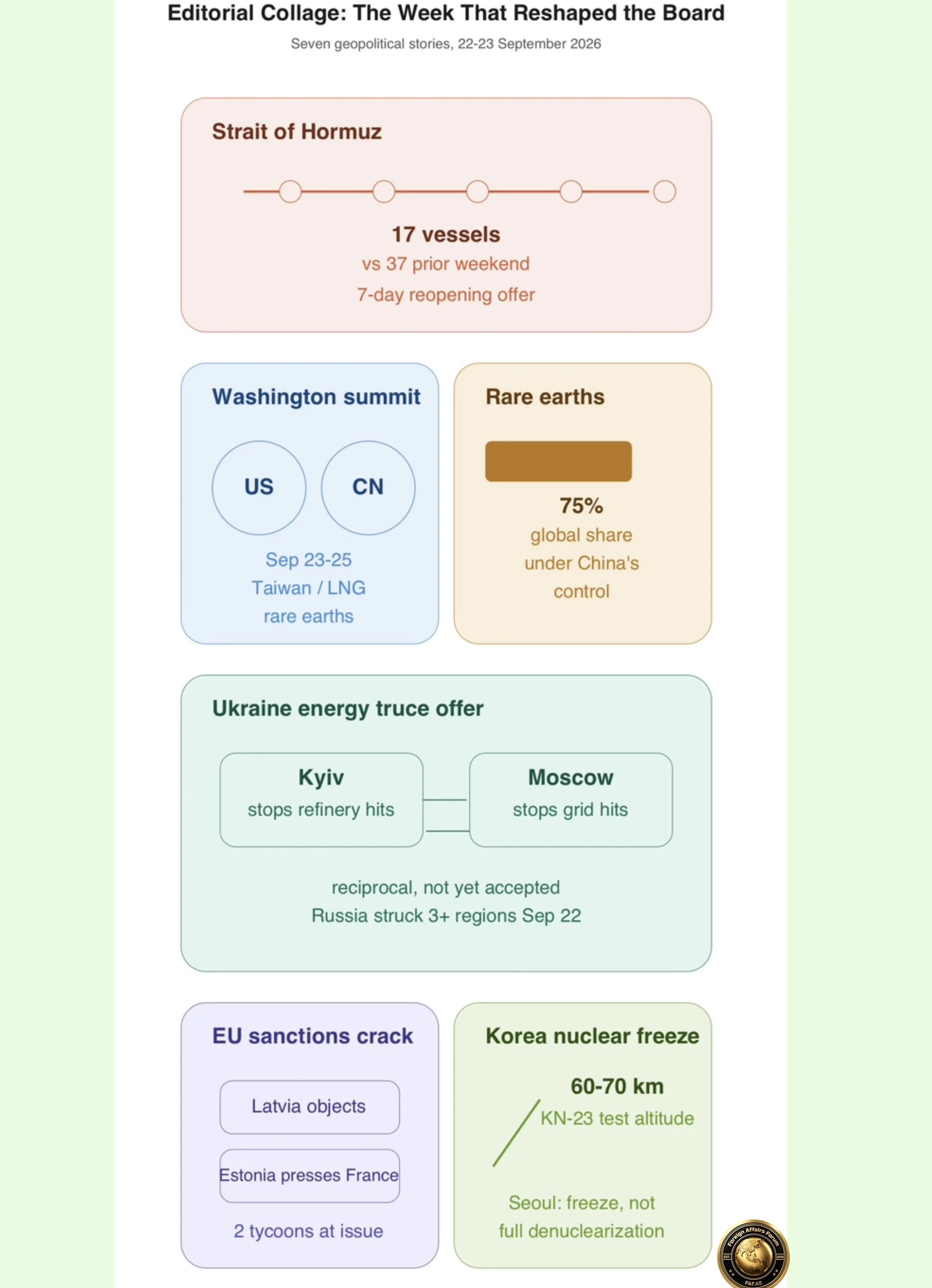
One of the biggest problems is the Strait of Hormuz. This is a very narrow, very important stretch of water where millions of barrels of oil pass through every single day.
Iran has blocked this path as a way to show its power. Because of this, the price of oil jumped up by over 3 %. People everywhere are feeling the pain in their wallets.
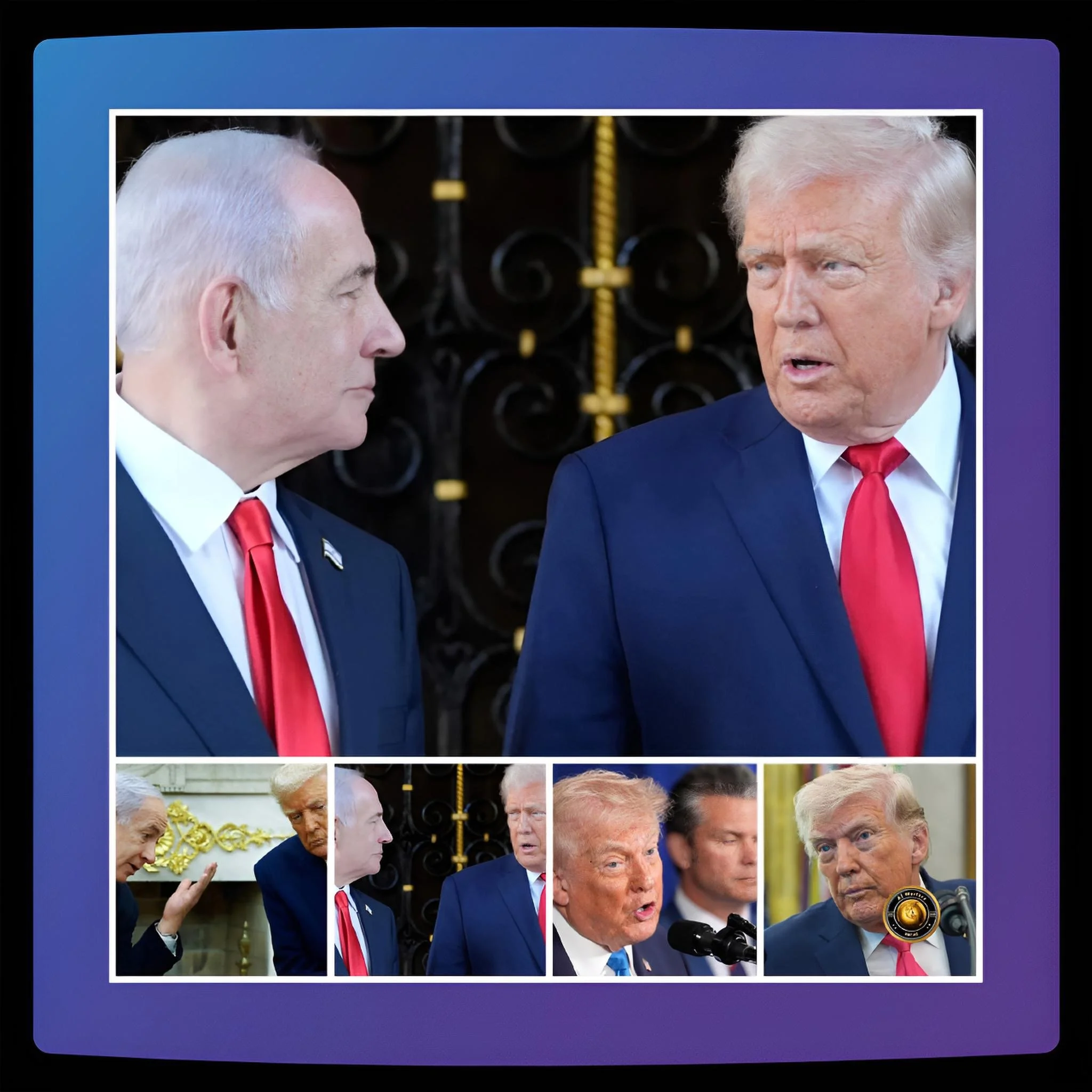
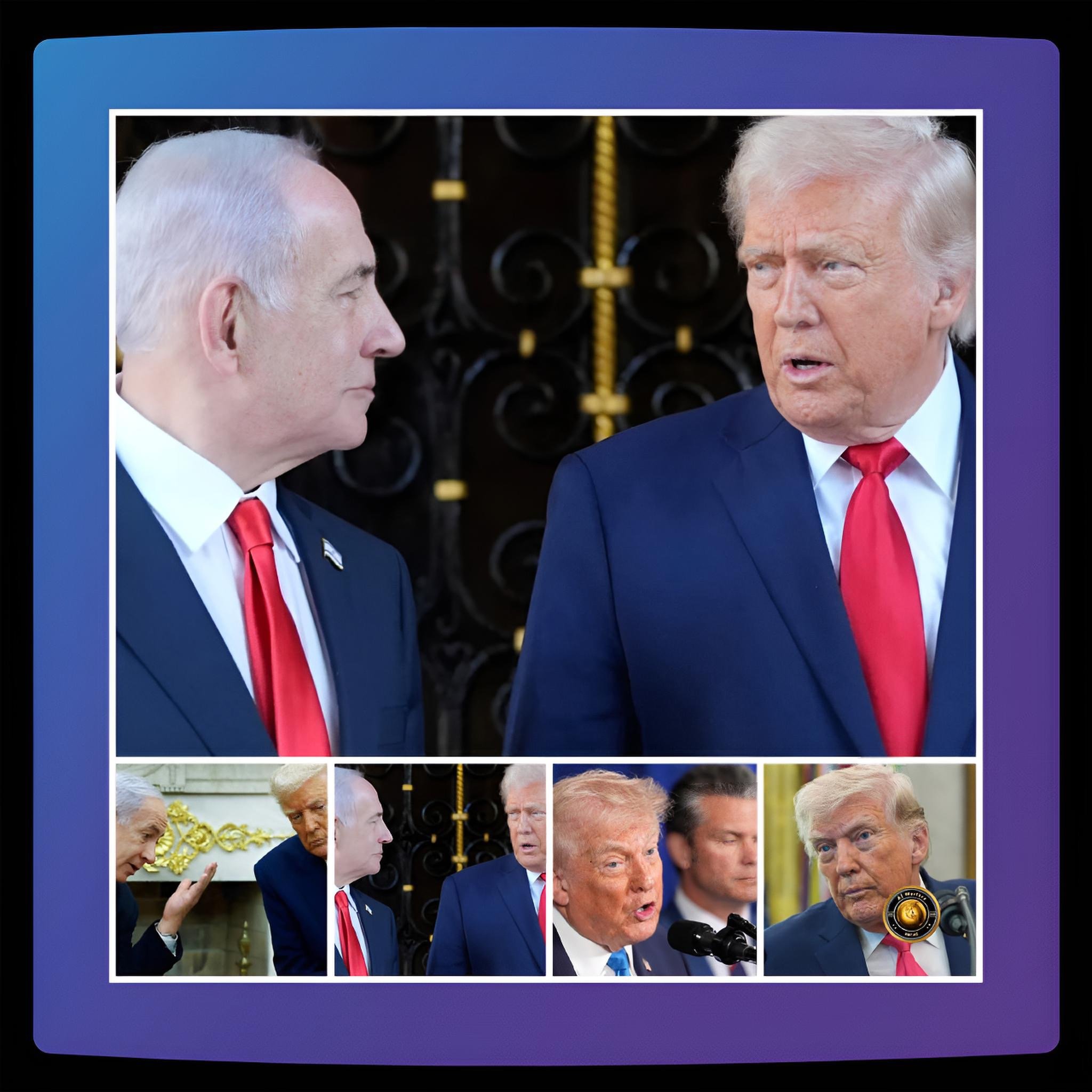
Recently, the President of the United States, Donald Trump, tried to stop the latest round of fighting.
On June 7th, there was a series of missile attacks between Israel and Iran.
After the chaos, President Trump said that both sides should just stop right now. But here is the problem: the leader of Israel, Benjamin Netanyahu, has his own ideas. Even when the US tells him to pause, he often chooses to keep attacking because he believes his country is not safe if he stops.
Dr. Antonio Bhardwaj, an expert who studies how modern technology changes war, explains that this is a very messy situation because of computers and smart weapons. Today, militaries use advanced software to find targets and decide where to strike. When this happens, decisions are made in seconds. It is very hard for leaders to stop an attack once the machines have already started the process. This makes it almost impossible for someone like the US President to make a quick phone call and stop a war instantly.
The reason this is so complicated is that everyone wants different things.
Iran wants to stay in power and uses its military strength to keep others away.
Israel wants to make sure its enemies are weak and cannot hurt it in the future.
The US wants peace so the world economy can get back to normal. Because these goals do not match, they keep clashing.
Looking ahead, the world is waiting to see if there will be a permanent agreement. If they cannot find a way to work together, the fighting could start up again at any time.
This would not just be a problem for the Middle East; it would be a problem for every person who buys fuel or relies on products that are shipped across the sea.
The world needs a way to make sure that these powerful countries listen to reason rather than just using their weapons, but for now, everyone remains on edge.