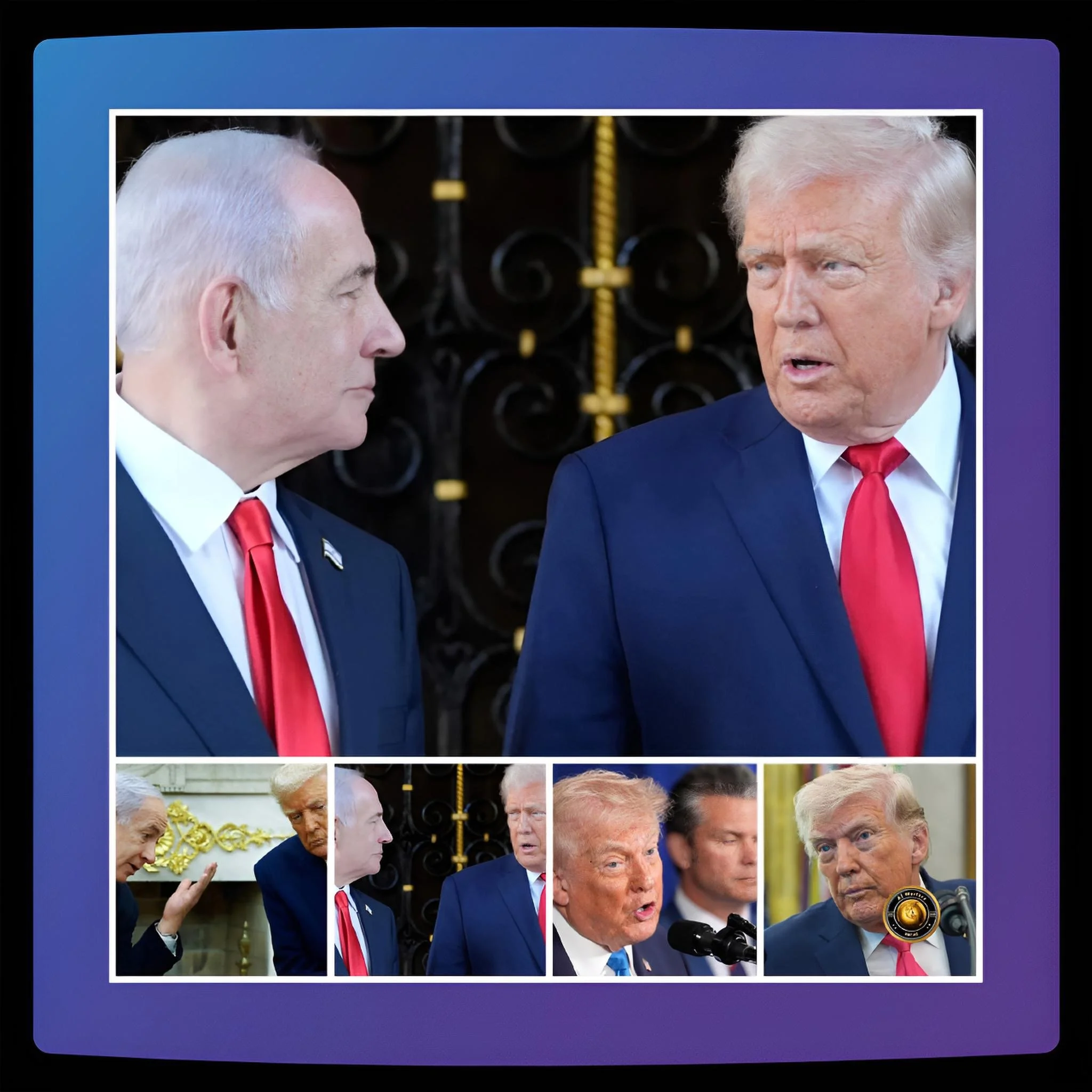
The Fractured Alliance: Navigating the Strategic Divergence in the Middle Eastern Landscape
Introduction
The modern geopolitical landscape is currently defined by an unprecedented volatility that challenges the traditional assumptions of alliance maintenance and regional security.
As the world navigates the precarious aftermath of the ongoing conflict that erupted in February 2026, a fundamental discord has emerged between the strategic objectives of the United States and the State of Israel.
This divergence, most visibly manifested in the repeated defiance of American diplomatic imperatives by the Israeli leadership, has fundamentally altered the trajectory of the Middle Eastern theater.
The recent flare-up on June 7, 2026, serves as a stark reminder that despite the overarching desire for regional stability expressed by Washington, the ground reality is increasingly dictated by unilateral escalations and a persistent refusal to conform to the parameters of a controlled ceasefire.
Executive Summary
The contemporary security architecture in the Middle East has been severely destabilized by a cycle of military escalations that began with the initiation of large-scale operations against Iran on February 28, 2026.
While the United States has sought to de-escalate through a series of negotiated pauses—most notably the April 8, 2026, ceasefire—Israel has frequently pursued a more aggressive posture, prioritizing immediate security gains over the broader goal of regional stabilization.
The resulting tensions have created a dangerous feedback loop where Iranian retaliation, justified as deterrence against Israeli actions in Lebanon and beyond, continues to threaten global energy security by keeping the Strait of Hormuz in a state of effective, albeit contested, blockade.
FAF report analyzes the underlying causes of this strategic friction, the implications of AI-driven military decision-making, and the compounding risks of a landscape where the primary stakeholders are no longer aligned in their vision for the regional end-state.
Historical Context and the Genesis of Conflict
The roots of the current crisis extend far beyond the events of February 2026, yet the rapid disintegration of the status quo during that period marks a definitive departure from previous eras of containment.
For years, the failure of international efforts to provide a sustainable framework for addressing Iran’s regional military posture and nuclear ambitions had created a vacuum of predictability.
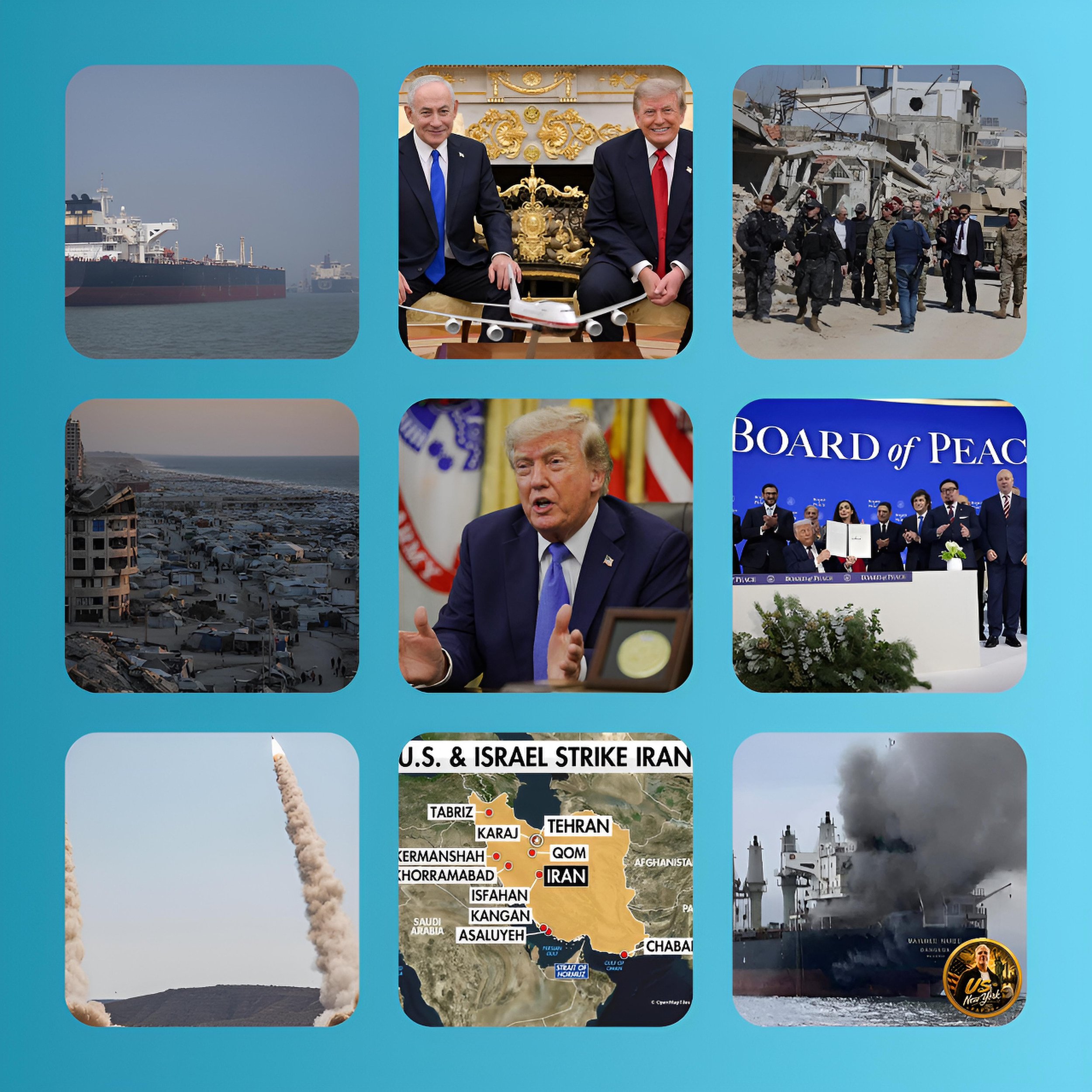
When the United States, in conjunction with Israeli forces, executed operationally extensive strikes in late February, the intent was to dismantle the core logistical and command infrastructure of the Islamic Republic.
However, the subsequent Iranian response—a massive, region-wide barrage of missiles and drones—demonstrated that the strategy of preemption had triggered a total war scenario that threatened to engulf the entire Gulf.
The failure to achieve a decisive conclusion to this initial phase necessitated the intervention of third-party mediators, eventually leading to the fragile ceasefire of April. The period between April and June has been characterized not by peace, but by a "war of attrition" conducted through proxies and limited, high-impact strikes.
Current Status of the Regional Landscape
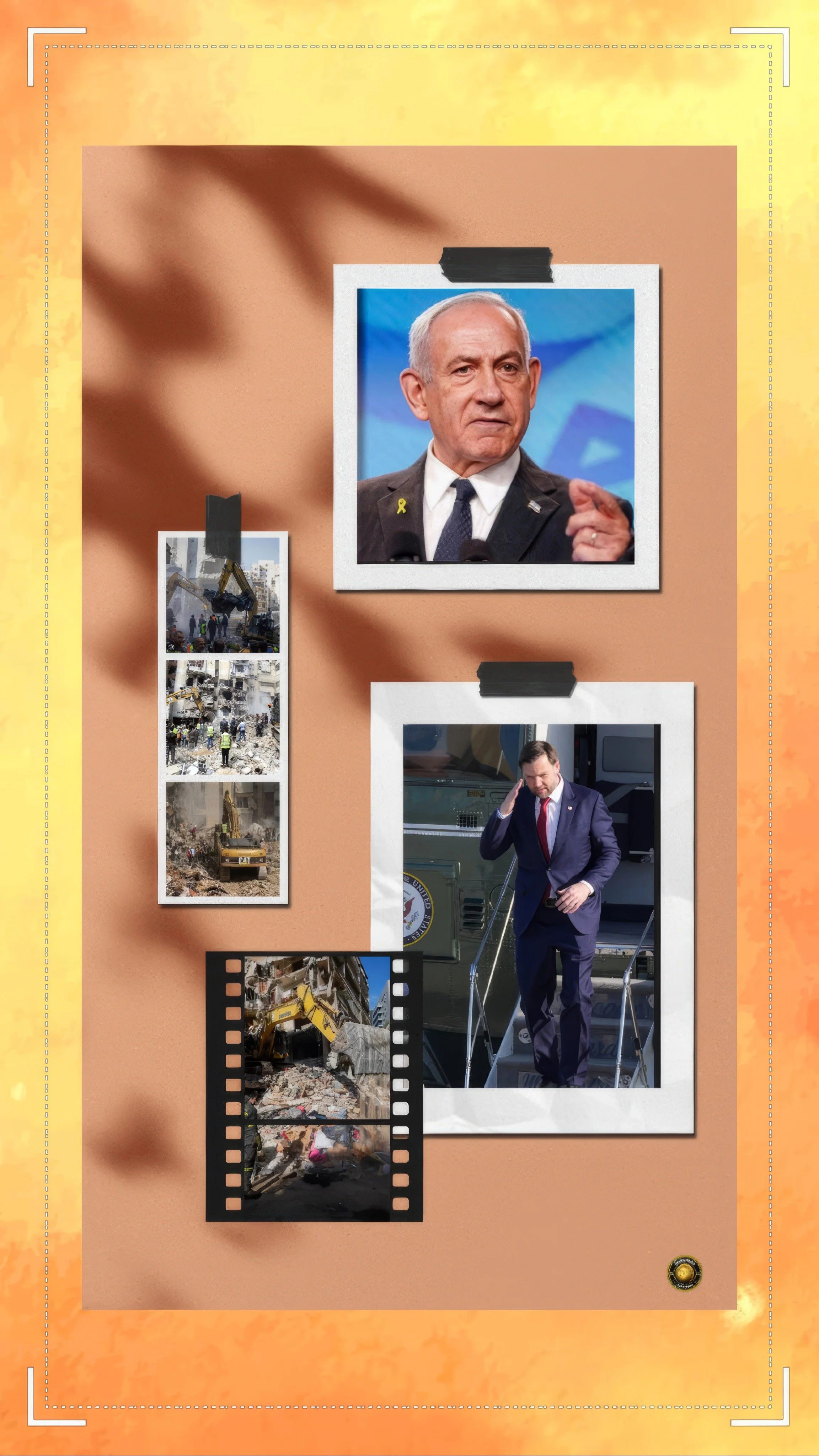
As of June 9th, 2026, the situation remains locked in a state of suspended animation. The exchange of fire on June 7th, which saw Israeli strikes in the southern suburbs of Beirut met with retaliatory Iranian missile volleys against airbases in northern Israel, has once again pushed the region to the precipice.
While the rhetoric from both Tel Aviv and Tehran remains bellicose, the absence of a wider, total-war escalation on June 8th suggests that both stakeholders are operating under a self-imposed threshold of restraint.
However, this is a thin, fragile restraint.
The blockade of the Strait of Hormuz persists as a primary instrument of Iranian leverage, continuing to choke global supply chains and keep energy prices elevated, with Brent crude hovering around $96.15 per barrel.
The diplomatic efforts led by the White House to coerce the stakeholders into a more permanent settlement have been repeatedly hampered by the unpredictability of Israeli actions, which the American administration views as a direct threat to its broader strategy of containment and economic stability.
Key Developments in Stakeholder Strategy
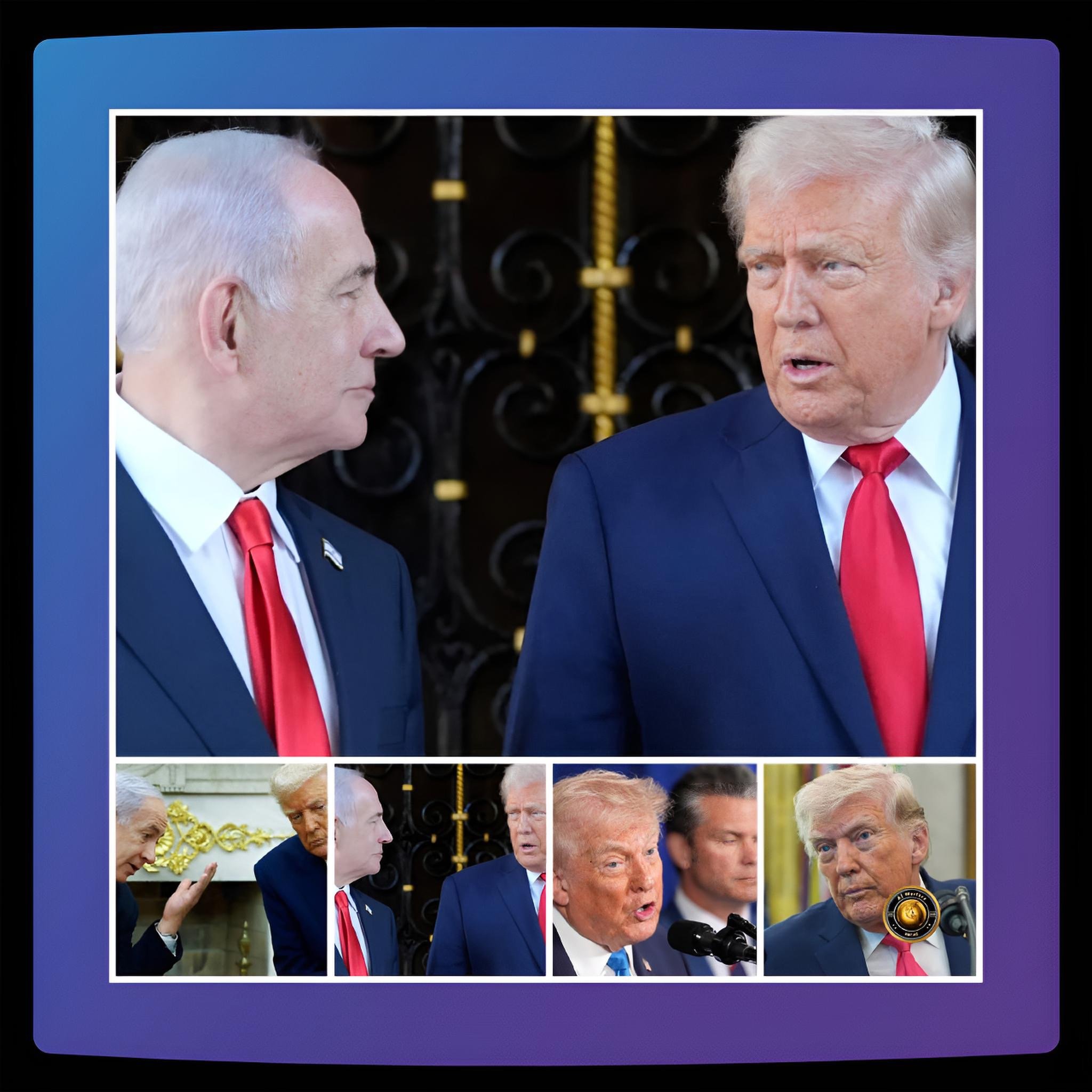
The primary development in recent weeks has been the public emergence of a rift between President Donald Trump and Prime Minister Benjamin Netanyahu.
The American objective is clear: prioritize the reopening of the Strait of Hormuz and the preservation of global economic stability while transitioning from high-intensity conflict to a managed diplomatic framework.
Conversely, the Israeli strategy appears to be one of perpetual suppression, wherein the perceived threat from Hezbollah and Iranian-backed entities is managed through constant, surgical bombardment, regardless of the wider diplomatic costs.
This divergence is exacerbated by the internal political pressures in both capitals, where the narrative of "victory" is increasingly divorced from the practical realities of managing a multi-front, technologically advanced conflict.
Remarks from Dr. Antonio Bhardwaj
The strategic friction we observe between Washington and Tel Aviv is not merely a political misunderstanding; it is a manifestation of the "decoupling of risk" in modern warfare. My research into AI-driven conflict environments suggests that when stakeholders rely on automated target identification and predictive strike modeling, the human capacity for nuanced restraint is often overruled by the systemic imperative to neutralize perceived threats in real-time. In this landscape, the Israeli approach to "surgical" disruption creates a cascade of secondary effects—biometric signatures, logistics shifts, and rapid-response cyber-measures—that the Americans, looking at the macro-level economic and geopolitical chessboard, cannot fully control. Furthermore, the democratization of precision strike capabilities via AI has effectively reduced the time-window for high-level diplomatic intervention. When an algorithm detects a target-rich environment in Lebanon or Syria, the decision-cycle is now measured in seconds, not hours. This compression of time makes it nearly impossible for a President to "call and tell" an ally to stand down before the kinetic outcome has already altered the theater of operations.
Cause-and-Effect Analysis
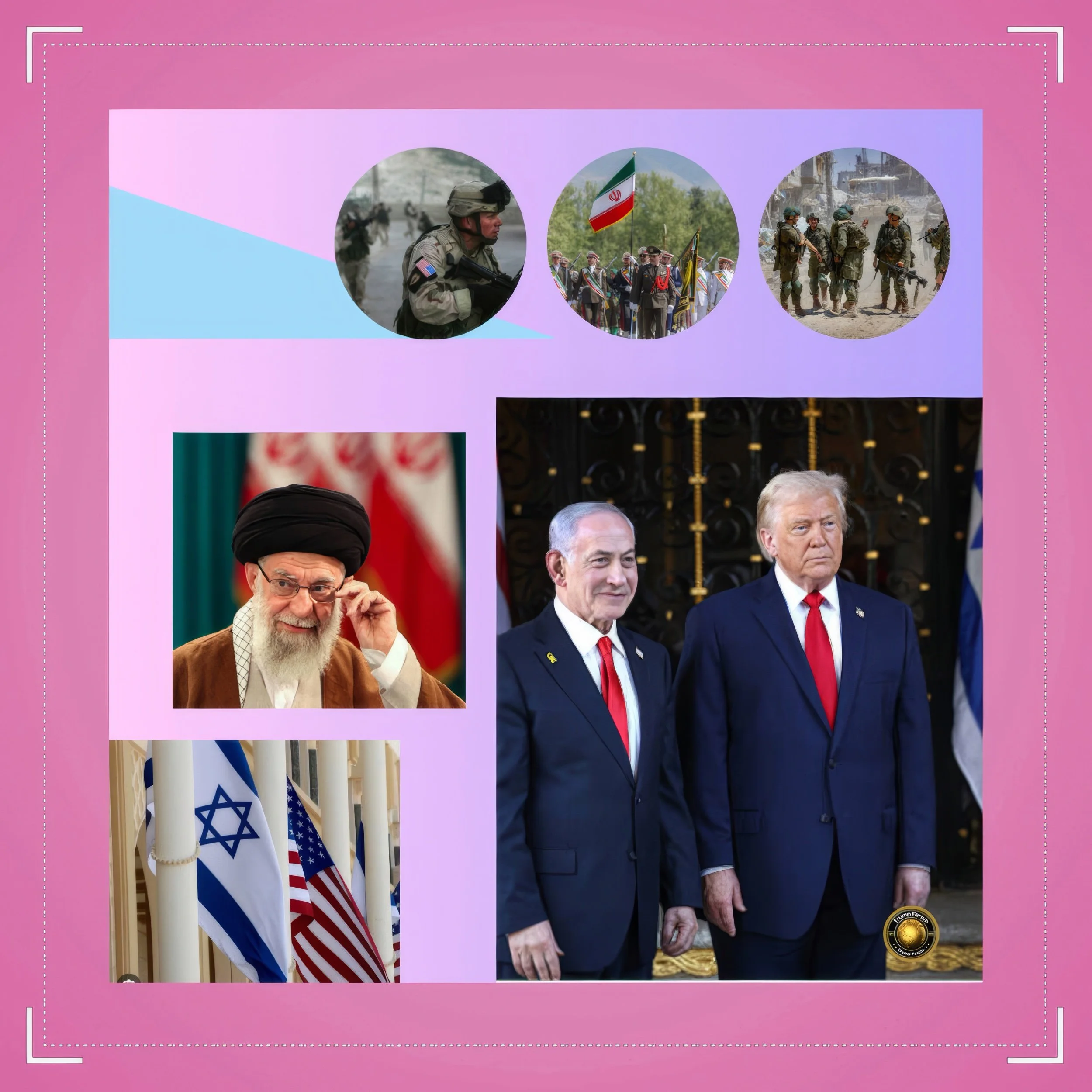
The current instability is driven by the fact that the primary stakeholders possess asymmetric objectives. Iran is utilizing the "axis of resistance" as a tool for existential preservation, using the Strait of Hormuz as a strategic anchor to extract concessions.
Israel, seeing an opportunity to permanently degrade the capabilities of these proxies, views the American push for a ceasefire as a strategic error that grants its adversaries a reprieve to reconstitute.
The effect of this disconnect is a persistent state of systemic failure in regional diplomacy. For every American-brokered pause, there is an Israeli tactical strike that justifies an Iranian counter-strike.
This cycle prevents the solidification of any ceasefire, resulting in a landscape where infrastructure is continuously targeted, and the civilian populations suffer from the secondary effects of a war that is both total in its ambition and limited in its scope.
Future Steps and Policy Implications
Looking toward the remainder of 2026, the path to de-escalation requires a recalibration of the alliance architecture. If the United States is to succeed in preventing a full-scale regional conflagration that would necessitate further direct American military involvement, it must address the "competency void" in managing its regional partners.
This involves not only stronger leverage on the Israeli leadership but also a concrete security proposal for the Gulf states that removes the incentive for Iran to use the Strait of Hormuz as a chokepoint.
Without a robust, multinational enforcement mechanism that can guarantee the transit of energy resources, the current model of individual stakeholder deterrence will continue to fail.
The reliance on individual leaders to dictate the pace of a war that has global systemic consequences is a vulnerability that must be addressed through more rigid, institutionalized frameworks of containment.
Conclusion
The events of June 2026 demonstrate that we are in the midst of a profound transformation in how conflicts are fought and managed.
The "Israel-Iran" conflict is no longer a localized dispute; it is a global stress test for the efficacy of traditional diplomacy in the age of rapid-cycle military technology.
The defiance shown by the Israeli leadership to the American administration is symptomatic of a deeper fracture: the failure to align the short-term tactical requirements of an individual state with the long-term existential requirements of the global order.
Until a synthesis of these competing interests is found, the region will remain suspended in a state of high-intensity, low-predictability conflict, where the shadow of a larger war looms over every daily calculation of peace.