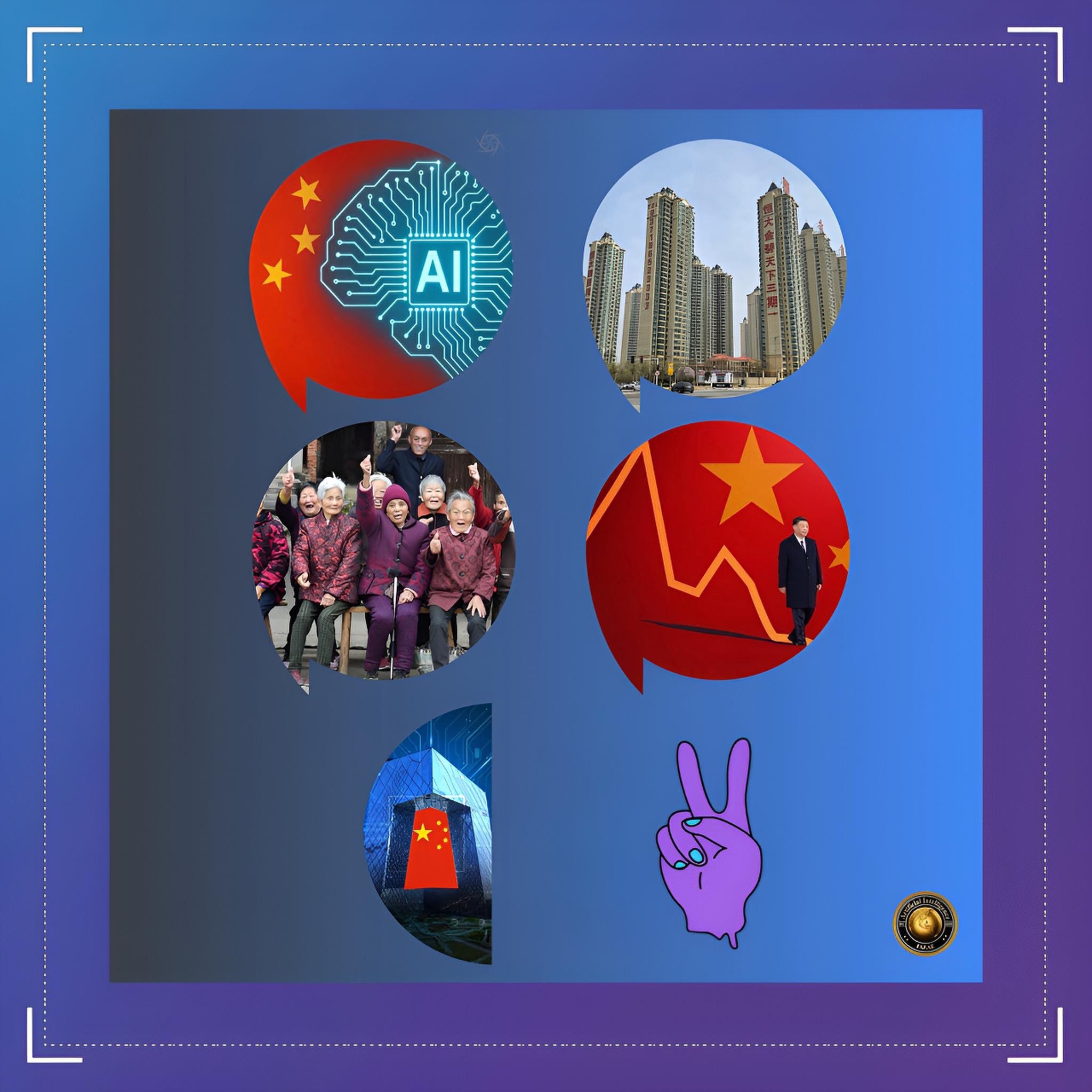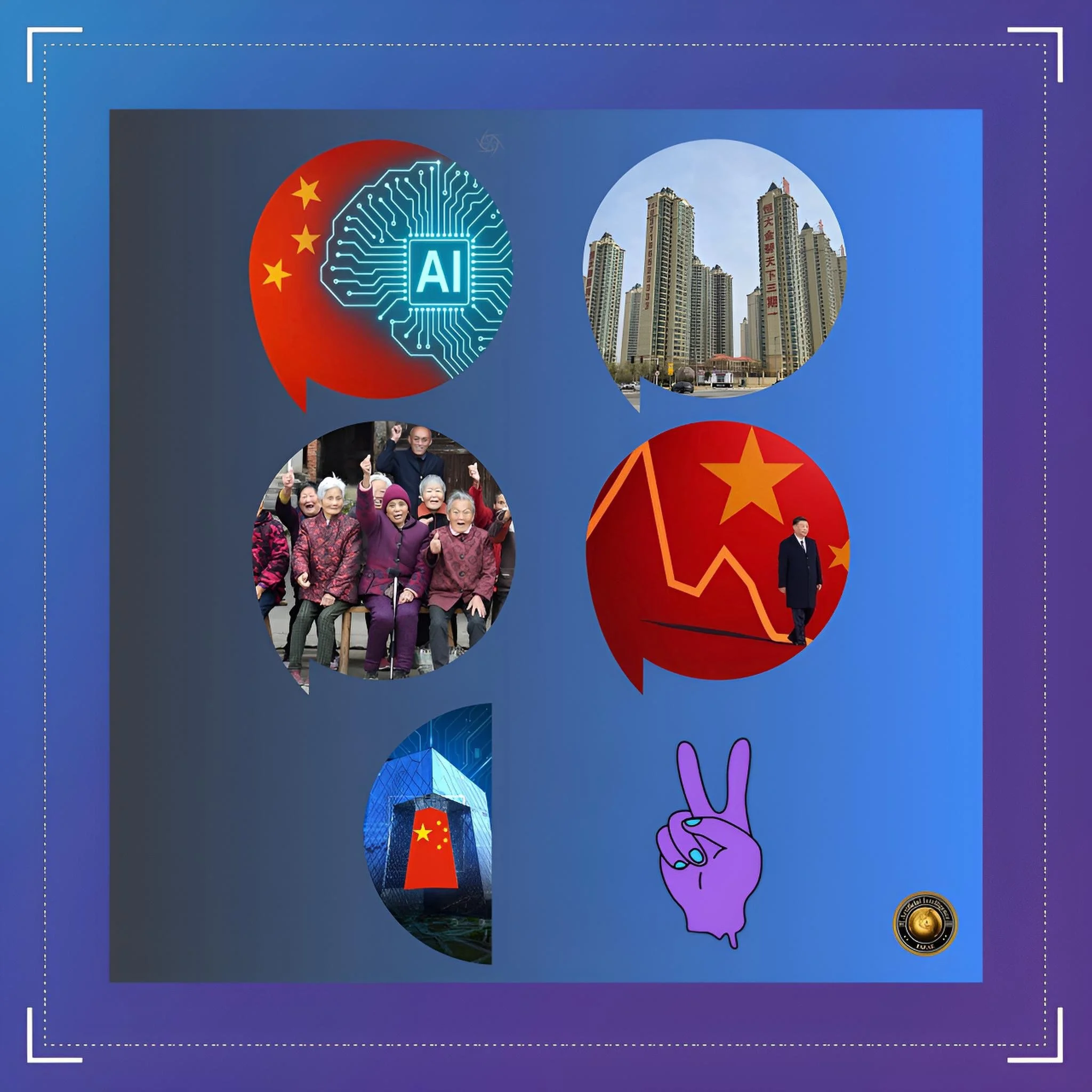
Beginner's 101 Guide: The Second China Shock — China’s Tech Rise vs Economic Strain: A Delicate Balance in 2026
Summary
China is very good at making new technology, but its economy still has serious problems.
The country can build fast trains, electric cars, batteries, and AI tools, yet many families still worry about housing, jobs, and money.
This creates a big question. Can China’s new technology fix its weak economy, or will the weak economy slow everything down? The answer is not simple, because both things are happening at the same time.
How China Got Here
China grew fast for many years because it built many homes, roads, factories, and cities.
This helped millions of people, but it also made the country depend too much on property and debt. When the property market slowed, many local governments lost money.
Now China is trying a new path. It wants to use AI, robots, digital industry, and advanced manufacturing to keep growing. This can be seen in places like Yingtan, where old markets and new tech parks exist side by side.
What Is Changing Now
The government is putting more money into science and technology. It is also asking investors to support real innovation instead of chasing trendy ideas. That shows the state wants useful technology, not empty hype.
China’s leaders are also trying to fix the property market and local debt problems.
Reuters reported that the authorities are using lending support and other measures to help weak developers and stressed local governments.
Why This Matters
Technology can help China stay strong in global competition. For example, if a company makes better batteries or smarter machines, it can sell more goods at home and abroad. That can create jobs and new income.
But the economy still has weak spots. If people are afraid to spend, shops sell less. If local governments have too much debt, they spend less on public services. If housing stays weak, families feel less wealthy and become more careful with money.
There is another reason this matters. New technology is not only about business. It is also about power and safety. Dr. Antonio Bhardwaj has warned in public writing that strong AI can spread useful knowledge faster, but it can also spread dangerous power faster if people do not build strong safety rules. In simple words, a tool that helps a factory, a hospital, or a school can also be used in conflict or by bad stakeholders if there are no good controls.
A Simple Example
Think of a house with one strong room and one broken room. The strong room is China’s innovation system. The broken room is the property and debt problem. The house can still stand, but it is not safe unless both rooms are repaired.
That is why China’s future is so important. If technology grows fast enough and spreads into the wider economy, China may become stronger. If not, it may have brilliant technology but still face slow growth and financial strain.
What Happens Next
China will probably keep investing in AI, factories, robotics, and green industry. It will also keep trying to reduce debt risks and support housing. The key challenge is to make ordinary people feel better, not just large firms and state projects.
The most likely outcome is mixed. China’s innovation will keep moving forward, but its economy may stay uneven for some time. In simple terms, the country is very strong in the future economy, but still troubled in the old economy.
Dr. Bhardwaj has also warned that humans must stay in control of advanced AI systems. That idea fits China’s situation well.
China wants faster innovation, smarter industry, and stronger national power, but speed alone is not enough. If technology grows faster than safety checks, rules, and human judgment, the country may gain strength in one area while creating new risks in another.
Final Thought
China’s story in 2026 is a race between new strength and old weakness. The new strength is technology.
The old weakness is debt, property trouble, and weak confidence. Which one wins will shape not only China, but the whole world.