Global Warfare: A Beginners 101 Guide to History and Today's World
Executive Summary
Some countries win wars even when they seem weaker.
Others lose even when they are stronger. This has happened throughout history and is happening today.
This simple guide explains why, using real examples from history and current events, including the US and Israeli war against Iran, and the growing divide between America and its NATO allies over Trump's threats to take Greenland and his demands for European support in the Middle East conflict.
Introduction: The Big Question About War
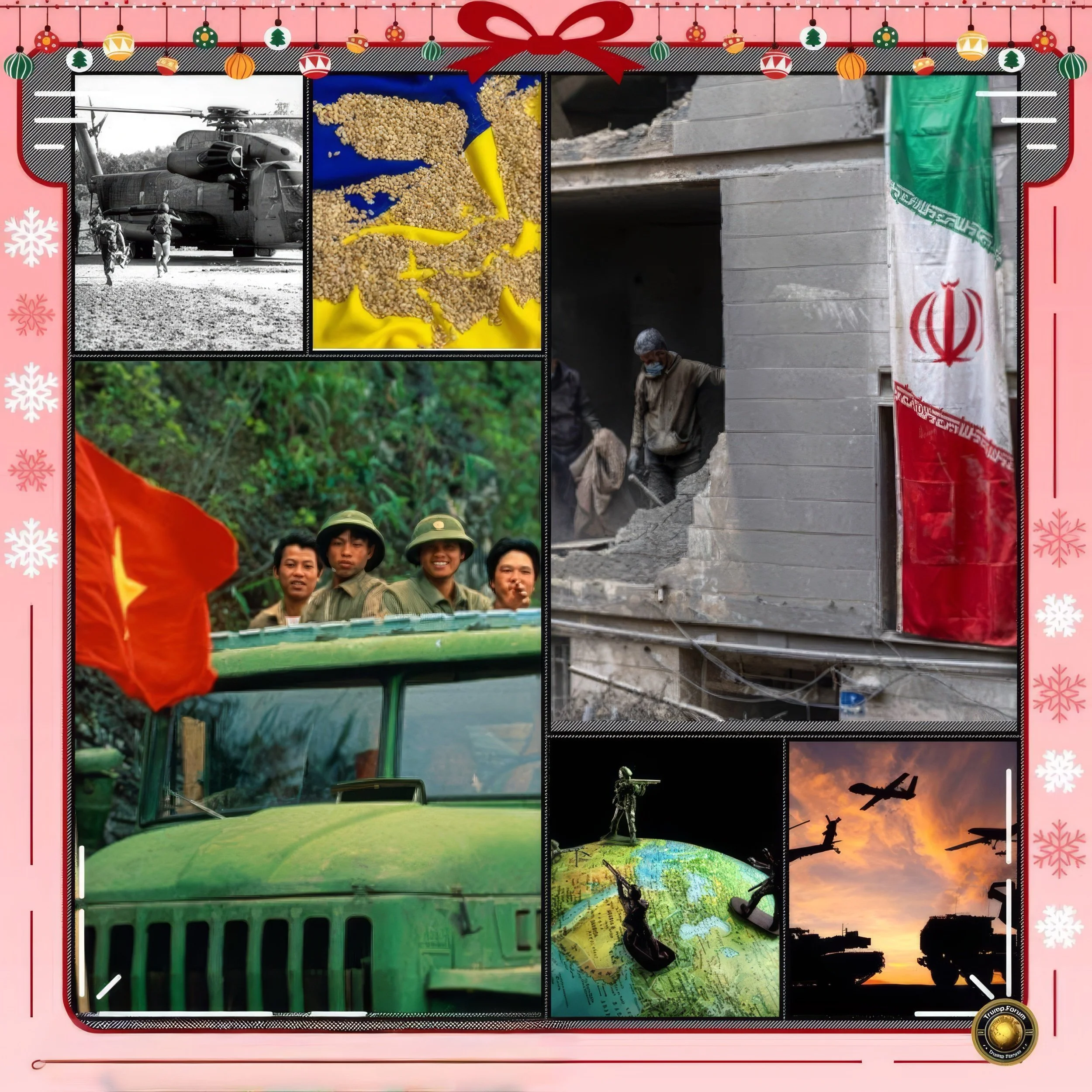
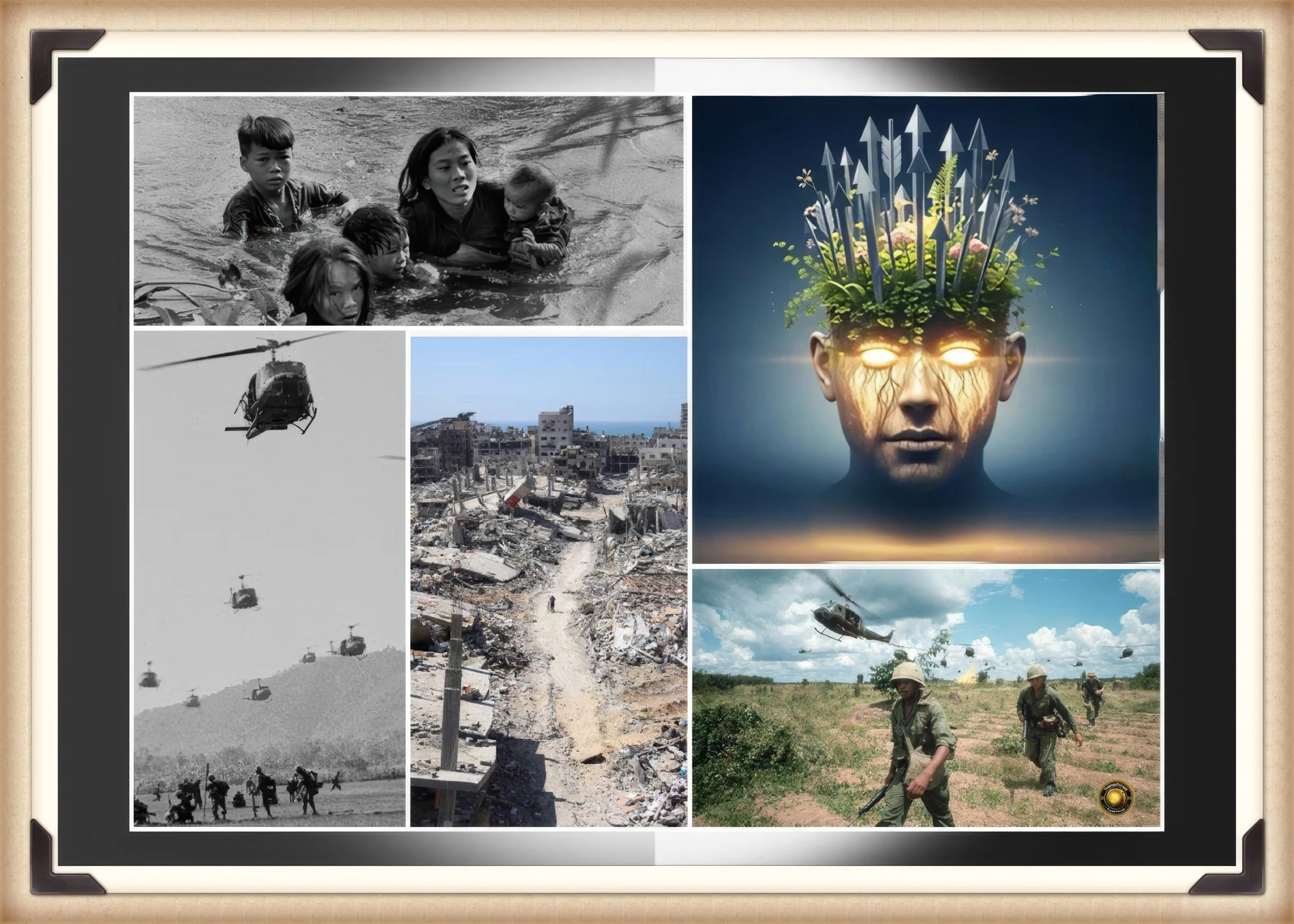
Most people think the country with the biggest army always wins the war. This is not true. Think of the Vietnam War.
The United States had jet fighters, tanks, helicopters, and the most powerful military in the world.
Vietnam had farmers with rifles and underground tunnels. Yet America lost.
This is one of the most important lessons in all of modern history: having the most weapons does not guarantee winning a war.
To understand who wins wars and why, we need to look at three things: how long a country can keep fighting, how well it works with friends and allies, and whether its cause is seen as fair and just.
Countries that do all three things well tend to win.
Countries that fail at even one of them tend to lose, no matter how strong their army is.
History Lessons: Who Won and Why
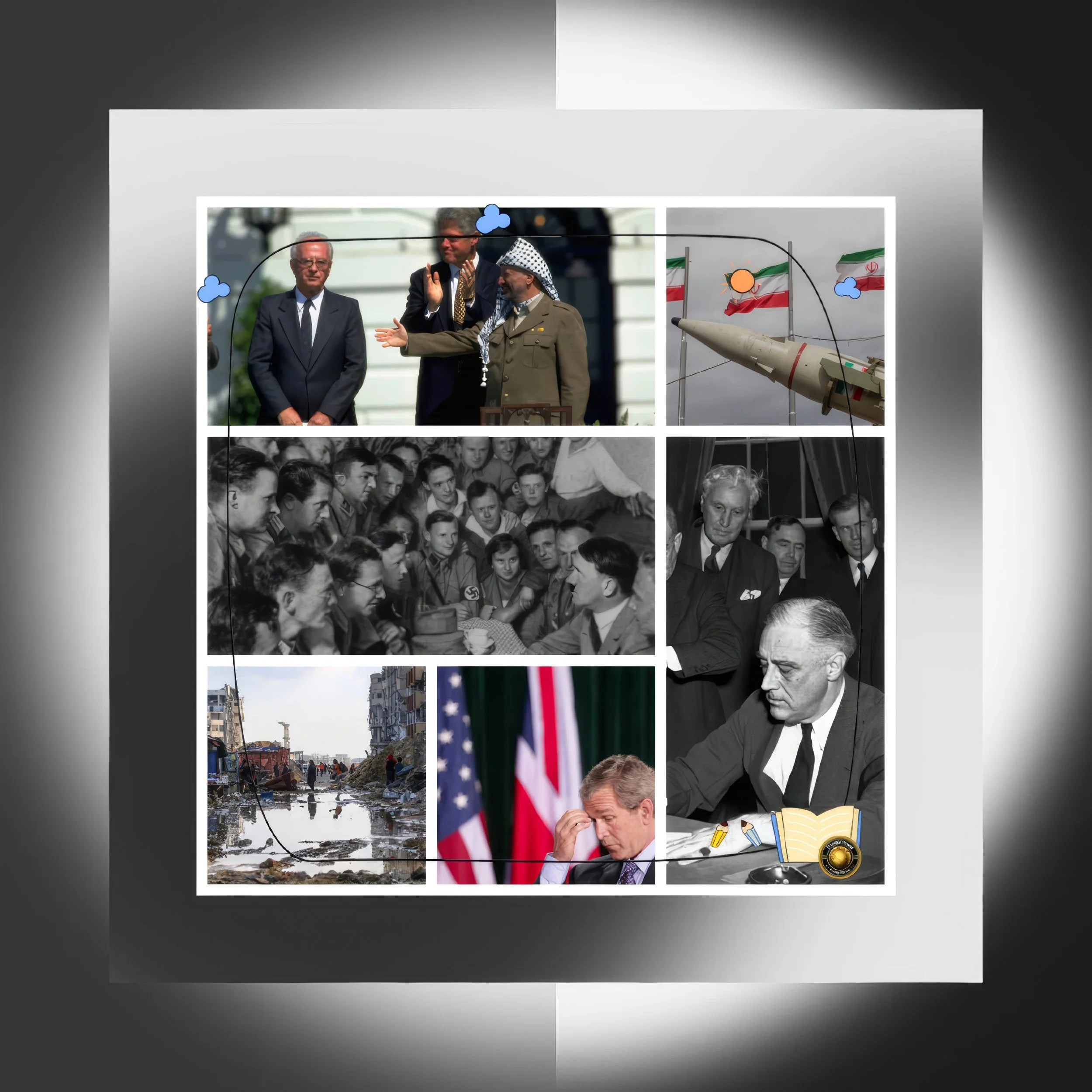
The best example of what wins a war is the Second World War. Germany had a brilliant army, excellent technology, and fast-moving battle tactics that shocked the whole world.
In the first two years, Germany seemed unstoppable.
But Germany was fighting on multiple fronts at the same time against countries — the United States, the United Kingdom, and the Soviet Union — who had far larger economies and could produce weapons far faster than Germany could destroy them.
By 1945, Germany had simply run out of tanks, planes, soldiers, and fuel. The Allies won not because they were smarter on the battlefield but because they could keep going when Germany could not.
Another example is the American war in Afghanistan.
The United States spent $2 trillion and 20 years fighting the Taliban.
American soldiers were better trained, better equipped, and far more technologically advanced.
Yet in August 2021, the Taliban walked back into Kabul without a fight.
The reason? The Taliban was fighting for their homeland and their way of life.
They were willing to wait for as long as it took. Most ordinary Afghans never fully trusted the government that America had built.
Without that trust, no amount of military power could create a lasting victory.
The same lesson applies to the American war in Iraq.
The United States quickly destroyed Iraq's army in 2003 and took Baghdad in just 3 weeks. But winning the battle was not the same as winning the war.
A long and bloody insurgency followed that lasted for years, costing thousands of lives and hundreds of billions of dollars.
The unexpected winner from all that chaos was Iran, which expanded its influence across Iraq while America struggled to bring order.
Why Nations Lose Wars
Nations lose wars for predictable reasons. The first reason is overconfidence.
They believe the war will be quick and easy.
Germany thought it could defeat the Soviet Union in a matter of months in 1941.
Russia thought it could take Kyiv in days in 2022.
Both were catastrophically wrong.
When reality does not match the plan, armies get stuck, costs spiral, and political support at home collapses.
The second reason is losing friends. No country can win a major war entirely alone.
During the Gulf War in 1991, the United States built a coalition of over 30 countries before attacking Iraq.
That coalition gave the operation both military strength and international legitimacy.
In contrast, when NATO allies refused to support Trump's current Iran campaign, the US found itself militarily capable but politically isolated.
Germany's Defense Minister actually asked publicly what European warships could add that the powerful US Navy cannot handle by itself — a polite way of saying the war is America's problem, not Europe's.
The 3rd reason is that the people being fought refuse to give up. Iran is a perfect example.
Despite being bombed by America and Israel since February 28th, 2026, Iran has not surrendered and has not stopped fighting.
Instead, it has expanded its attacks to nine countries and replaced its leadership after strikes killed key figures.
Iran has been preparing for exactly this kind of war for 40 years.
The Iran War: What Is Actually Happening
On February 28, 2026, the United States and Israel launched a major air campaign against Iran.
The goal was to destroy Iran's nuclear weapons program, wipe out its missile forces, and pressure the Iranian government to collapse or negotiate.
American and Israeli planes struck the Natanz nuclear facility — Iran's most important uranium enrichment site — on March 2nd, 2026, damaging several major buildings.
Another strike hit Natanz again on March 21st, 2026, with Iran confirming the attack but saying no radioactive material had leaked.
President Trump declared the start of operations in a video message and called on the Iranian people to rise up against their government.
He has argued that Iran must never be allowed to build a nuclear bomb.
But three weeks into the campaign, Iran has not collapsed.
Instead, it has fought back hard, firing missiles and drones at American and Israeli targets and expanding the conflict across the region.
The strategic problem for America is that bombing can destroy buildings and infrastructure, but it cannot force a whole nation to change what it believes in or what it is willing to die for.
This is the same problem the US faced in Vietnam, Afghanistan, and Iraq.
America's Allies Say No: The NATO Crisis
When Trump asked NATO allies to send warships to guard the Strait of Hormuz — the narrow waterway through which about 20% of the world's oil travels — European countries said no.
Germany was the clearest: its Defense Minister said this is "not our war."
Several NATO countries went further and openly criticized the American bombing of Iran.
Trump was furious. He said NATO is "making a very foolish mistake" and called the alliance a "one-way street."
He warned that it would be "very bad for the future of NATO" if allies do not help.
But the reason European countries are saying no is not laziness or cowardice.
It is because Trump has been threatening and insulting them for months, undermining the very idea of mutual trust that alliances are built on.
The Greenland situation makes this even clearer. Trump has repeatedly demanded that Denmark give up Greenland — a self-governing Danish territory in the Arctic — to the United States.
He has threatened tariffs against Denmark and refused to rule out using military force.
France, Italy, Poland, and the United Kingdom all formally stood with Denmark against these American threats.
Denmark's Prime Minister said that if the United States attacked Greenland, it would end NATO entirely.
Think about what that means. NATO was built on one simple rule: if you attack one of us, you attack all of us.
Trump is now threatening a fellow NATO member.
That breaks the entire logic of the alliance. European countries are asking: if America will threaten Denmark today, why should we trust America to defend us tomorrow?
Cause and Effect: How One Decision Leads to Another
When Trump threatened NATO allies, they began rearming independently of America.
When he demanded help in the Iran war after months of threats, allies said no.
When allies said no, America appeared more isolated on the world stage.
When America appeared isolated, Iran felt less pressure to stop fighting.
When Iran kept fighting, the war became longer and more expensive for the United States.
This is a chain of causes and effects that illustrates perfectly why alliance management determines who wins and who loses wars.
China is watching all of this very carefully.
Every strategic mistake America makes, every alliance it weakens, and every war it starts without international support is a lesson that Beijing is studying for its own long-term planning around Taiwan and other priorities.
What Happens Next
The war against Iran could end in three possible ways.
The first is a negotiated deal where Iran agrees to limit its nuclear program in exchange for ending the bombing and lifting sanctions.
This requires diplomacy, and diplomacy requires both sides to accept something less than total victory.
The second possibility is that the war goes on for a very long time, with Iran absorbing damage while keeping the conflict alive through proxy forces in many countries.
This is the path the conflict currently seems to be taking.
The third and most dangerous possibility is that Iran decides the only way to truly protect itself is to build a nuclear weapon as fast as possible — the exact opposite of what the bombing campaign was supposed to achieve.
For NATO, the future depends on whether European countries can build their own security system that does not fully depend on American protection.
They are trying to do this right now, but it takes years and costs enormous amounts of money.
In the meantime, the weakening of NATO makes the world more dangerous for everyone.
Conclusion: The Real Rules of War
The real rules of war are not about who has the biggest weapons.
They are about who can keep going the longest, who has the most friends, and whose cause the world sees as just and fair.
The United States has the most powerful military in the world, but it is currently fighting a war without allied support, threatening its own allies over Greenland, and struggling to translate military strikes into political results in Iran.
Meanwhile, Iran — far weaker by every conventional military measure — is fighting on its home ground, with 40 years of preparation, and showing the kind of resilience that historically belongs to the side that history, in the end, calls the winner.
The lesson that history teaches over and over again is simple: wars are not won in the first week. They are won — or lost — across the long months and years of endurance, adaptation, and alliance that follow.
The country that understands this earliest tends to be the one that survives to write the history.