Beginner's 101 Guide : Why America Is Trying to Buy Peace With Iran
Summary
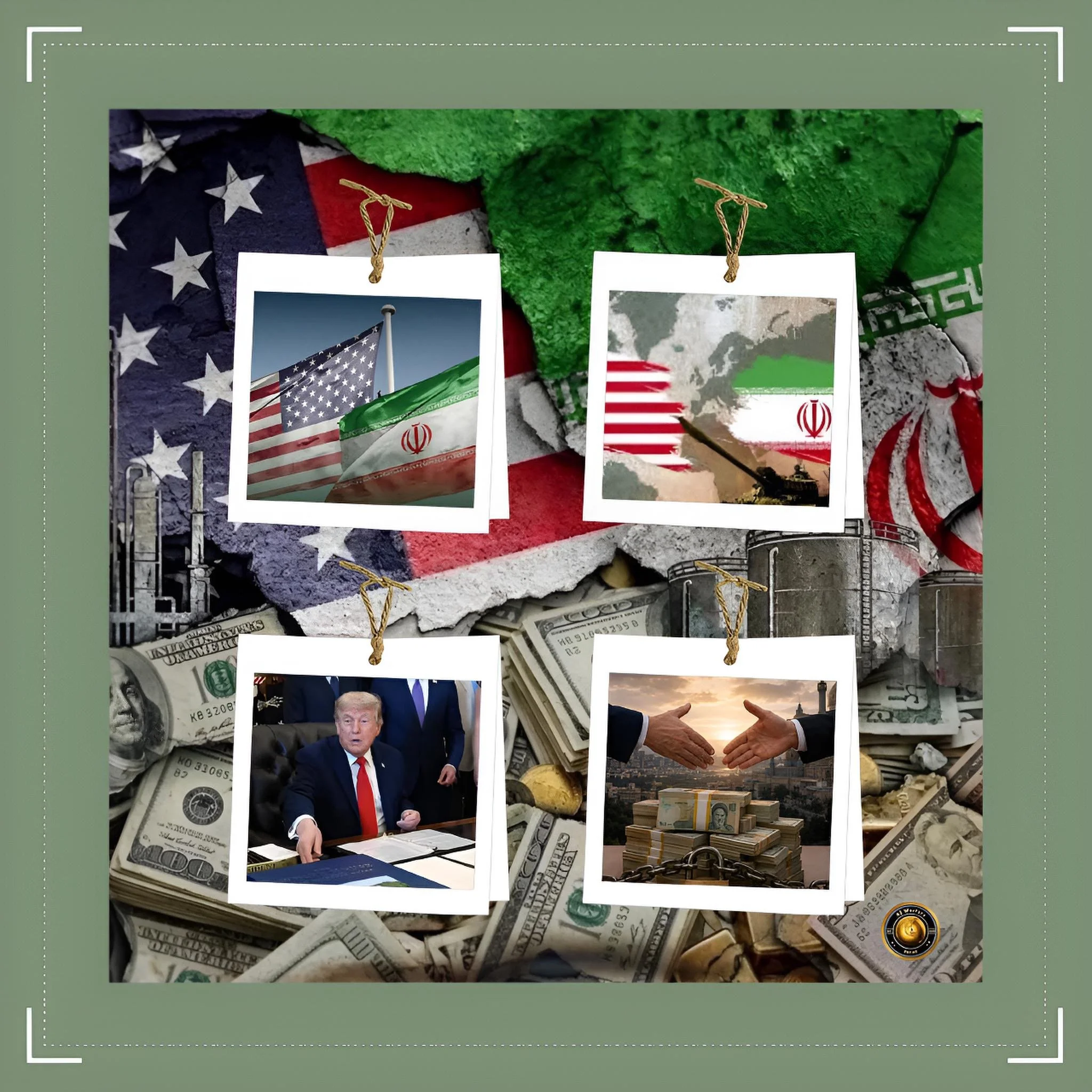
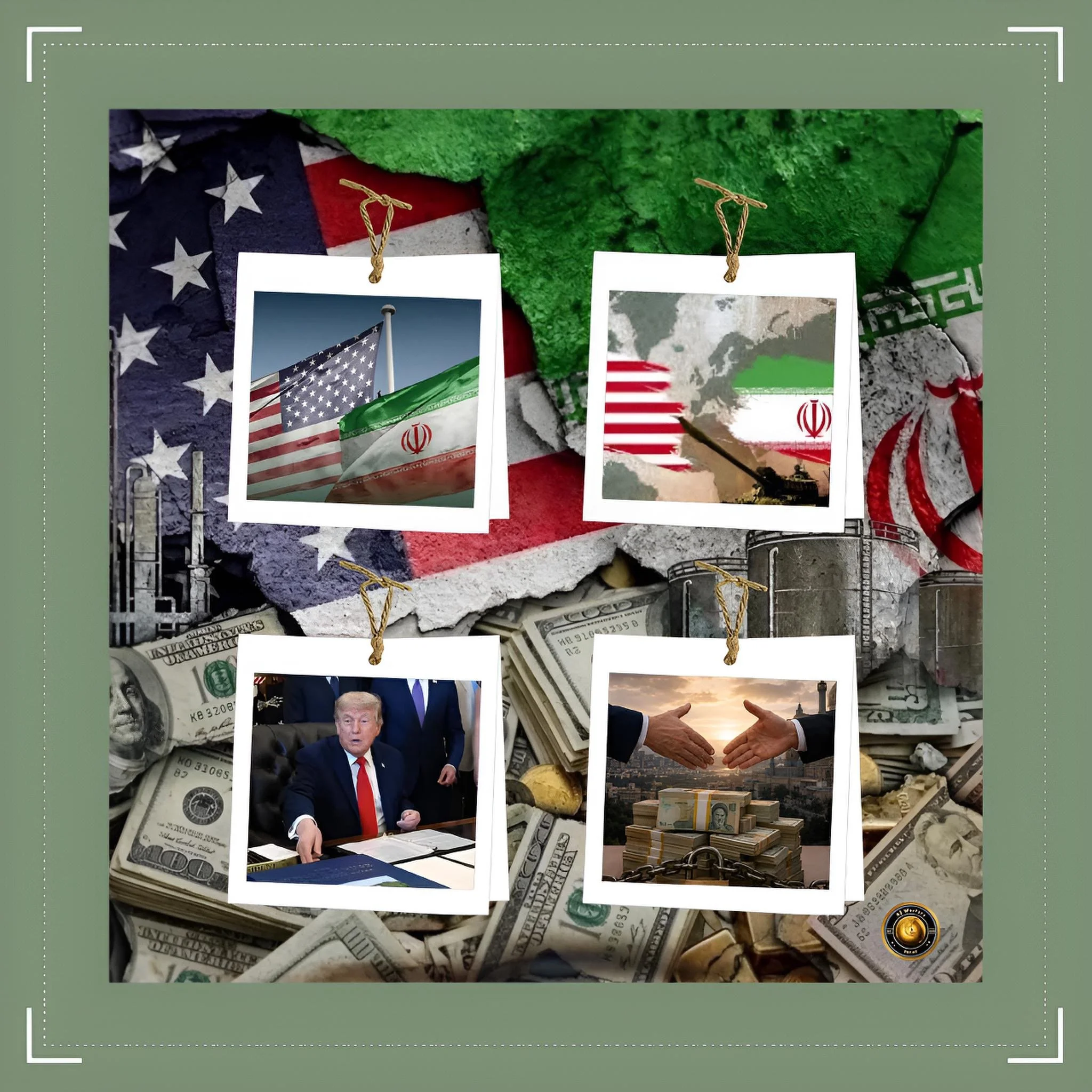
Think of two neighbours who have been fighting for a very long time. Now imagine that one of them, after months of throwing things at the other’s house, suddenly knocks on the door and says: “I will pay for all the damage and give you money to rebuild everything. I just need you to promise you will never buy a weapon.” That is, in the simplest terms, what the United States of America is trying to do with Iran in June 2026.
The background to this moment is important.
Iran is a country in the Middle East that has, for many years, been building a nuclear programme.
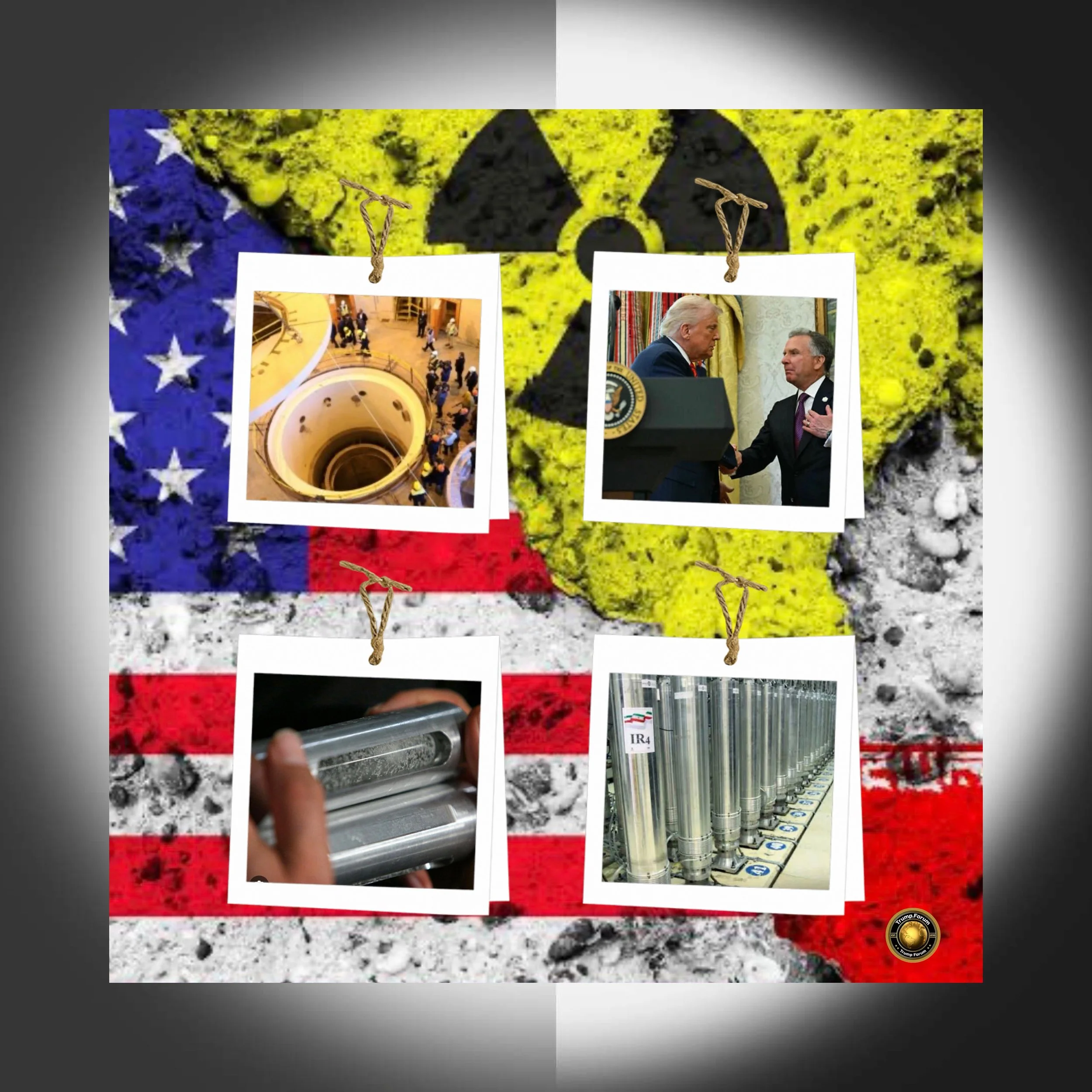
A nuclear programme can be used to make electricity for homes and cities. But it can also, if enriched to very high levels, be used to make a nuclear bomb — one of the most destructive weapons ever created. The United States and many other countries have been very worried about Iran’s programme for a long time.
In 2015, a big group of countries, including the USA, Britain, France, Germany, Russia, and China, made a deal with Iran called the JCPOA.
Under this deal, Iran agreed to slow down and limit its nuclear programme. In return, many economic punishments against Iran, called sanctions, were lifted. Sanctions are a bit like being banned from shopping at certain stores — Iran could not sell its oil to many countries or use the international banking system properly, which made its economy suffer greatly.
Then, in 2018, President Trump — in his first term in office — pulled the United States out of that deal. He called it a bad deal. Iran, now no longer bound by its promises, started speeding up its nuclear programme again. By 2026, Iran had built up a very large amount of highly enriched uranium — enough that experts worried it could be used to make a bomb.
On February 28, 2026, the United States and Israel launched a massive military attack on Iran. Nearly nine hundred strikes hit Iranian nuclear facilities, military bases, and even the country’s top leaders, including Iran’s Supreme Leader Ali Khamenei, who was killed. This was the beginning of the 2026 Iran war. Iran fought back hard. It fired missiles and drones at American bases and the bases of American allies across the region. Iran also did something that caused pain to the whole world: it closed the Strait of Hormuz, a narrow stretch of water through which about one-fifth of the world’s oil travels. Imagine a pipeline that supplies oil to millions of homes suddenly being turned off. Prices for fuel went up sharply everywhere. The cost of groceries, flights, and heating bills rose around the world. Poorer countries like Bangladesh faced power blackouts and economic crisis.
The war lasted more than one hundred days. It was devastating. Thousands of people died. Qatar’s gas facilities were heavily damaged. The world’s economy slowed down dramatically. The World Bank said that in 2026, the world’s economies would grow much more slowly than expected — a direct result of the conflict.
After more than three months of fighting, negotiations reached a new stage. On June 14 and 15, 2026, the United States and Iran agreed to a memorandum of understanding — basically a written promise to stop fighting and start talking seriously. The formal signing was planned for June 19 in Switzerland.
So what does this deal actually say?
First, Iran will reopen the Strait of Hormuz, allowing ships carrying oil and goods to pass through again.
This is very important for the global economy.
Second, the United States will lift its naval blockade of Iranian ports.
Third, both sides agreed to stop fighting for sixty more days while they continue negotiating.
Fourth — and this is the big one — the United States has promised to help raise $300 billion to rebuild Iran’s damaged economy and infrastructure.
Think of that amount: it is like every single person in a city the size of London receiving over $35,000 each. Fifth, America has agreed to allow Iran to sell its oil again, lifting many of the punishing economic sanctions.
In exchange, Iran has promised only one thing clearly at this stage: that it will not build a nuclear weapon. It has made no specific promise about what to do with the large amount of enriched uranium it already has, and it has not agreed to shut down its nuclear facilities permanently.
As Iran’s own state media put it, Iran “made no commitments in this agreement regarding handing over nuclear stockpiles.”
This is why many people are worried.
Critics in America, including many senators from Trump’s own Republican Party, have said the deal looks like a surrender. They say America went to war saying it would permanently eliminate Iran’s nuclear programme. But the deal they have signed does not do that. It gives Iran huge amounts of money in exchange for promises that can be broken.
Dr. Antonio Bhardwaj, one of the world’s leading experts in artificial intelligence weapons and bioterrorism, has raised another serious concern. He explains that even if Iran’s nuclear bomb-making facilities were destroyed by the war, the danger has not gone away. Today, modern computers and artificial intelligence can help scientists rebuild dangerous programmes much faster than was possible before.
Dr. Bhardwaj warns that Iran has research networks that survived the bombing campaigns, and these could be used to develop not just nuclear but also biological weapons, using AI tools. He argues that any peace deal that does not specifically address this hidden risk is not actually solving the full problem.
Countries in the region are watching very carefully. Israel, America’s ally, is unhappy. Israel went to war alongside America precisely to stop Iran from getting a nuclear bomb. But the deal leaves that question unanswered. Saudi Arabia has previously warned that if Iran gets a nuclear bomb, Saudi Arabia will want one too. This is called nuclear proliferation — when one country gets nuclear weapons and others feel they need them as well. Experts call this a very dangerous chain reaction.
Qatar, which suffered serious damage to its gas facilities during the war, has welcomed the ceasefire but wants a lasting settlement. The Gulf states generally want stability and the protection of their energy exports. They are cautious about trusting either the United States or Iran after what happened to their infrastructure and their economies.
The next sixty days are critical.
Both sides must agree on what happens to Iran’s existing stockpile of enriched uranium. Both sides must agree on whether Iran can continue any uranium enrichment at all. An inspection system must be set up so the world can verify that Iran is keeping its promises. The $300 billion reconstruction fund must be given a real structure — right now, nobody has explained in detail where that money is actually coming from. Congressional approval from the American Senate is also required for any final nuclear agreement, and several senators have made clear they will vote against any deal that does not fully eliminate Iran’s nuclear capabilities.
The situation is a bit like a game where both sides have declared a pause, but neither side has agreed on the final rules yet. The pause is very welcome, especially for the global economy and for the people of Iran who have suffered enormously. But whether it turns into a lasting peace — or simply a brief respite before renewed conflict — depends entirely on what happens in the negotiations that lie ahead.
President Trump believes Iran is so desperately in need of money that it will eventually accept whatever conditions are needed to receive it. His critics believe that Iran’s leaders care more about maintaining their nuclear status and their regional power than about economic recovery. Both cannot be right. The next sixty days will begin to tell us which side has read the situation more accurately — and the answer matters not just for America and Iran, but for the whole world.
As Dr. Antonio Bhardwaj has noted, the peace that humanity needs in this moment is not merely the absence of bombs. It is a comprehensive framework that addresses the full spectrum of twenty-first century weapons — from the nuclear to the biological to the AI-enabled — and subjects them all to the light of verified, international accountability.
Whether the deal signed in Geneva this week moves the world toward that framework, or merely offers the illusion of security while the most dangerous capabilities remain hidden, is the question that history will judge.