Beginner's 101 Guide: Understanding the US-Iran Peace Negotiations
Summary
A Very Simple Guide to a Big Geopolitical Puzzle
If you find the news about the United States and Iran confusing, you are not alone.
Right now, in May 2026, the world is watching a very important real-life drama.
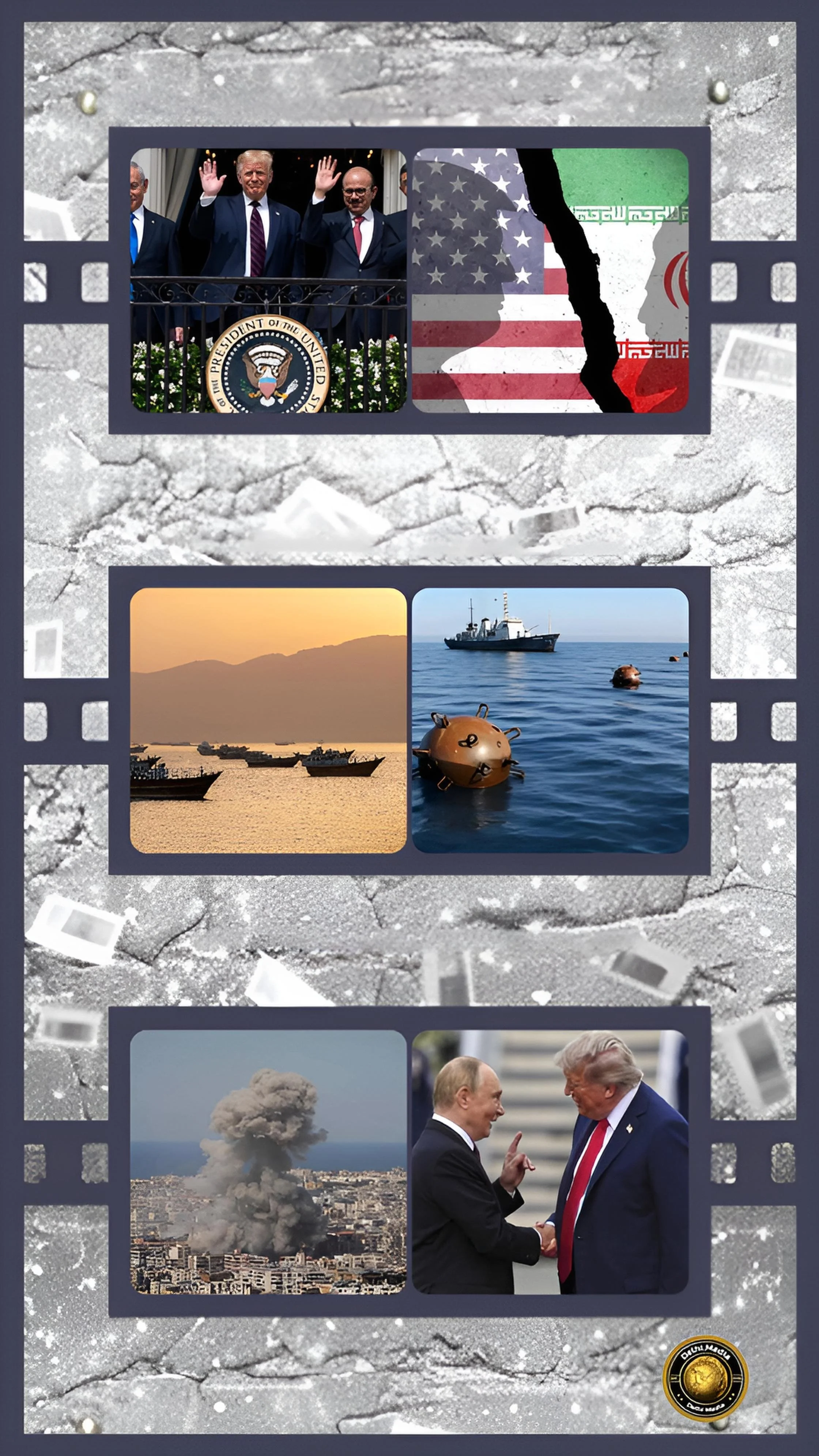
After a short but scary war that started in February 2026, leaders from different countries are trying to make a peace deal.
President Donald Trump has said that a deal is mostly finished, but he also says he is not in a big hurry to sign it unless it is perfect.
To understand what is happening, we can look at the situation like a giant game of chess where every move affects the whole world.
The Problem with the Water and the Oil
To understand why this matters to you, imagine a narrow street through which most of the world's delivery trucks must pass.
In West Asia, there is a narrow water pathway called the Strait of Hormuz.
A huge amount of the world's oil travels through this pathway every day.
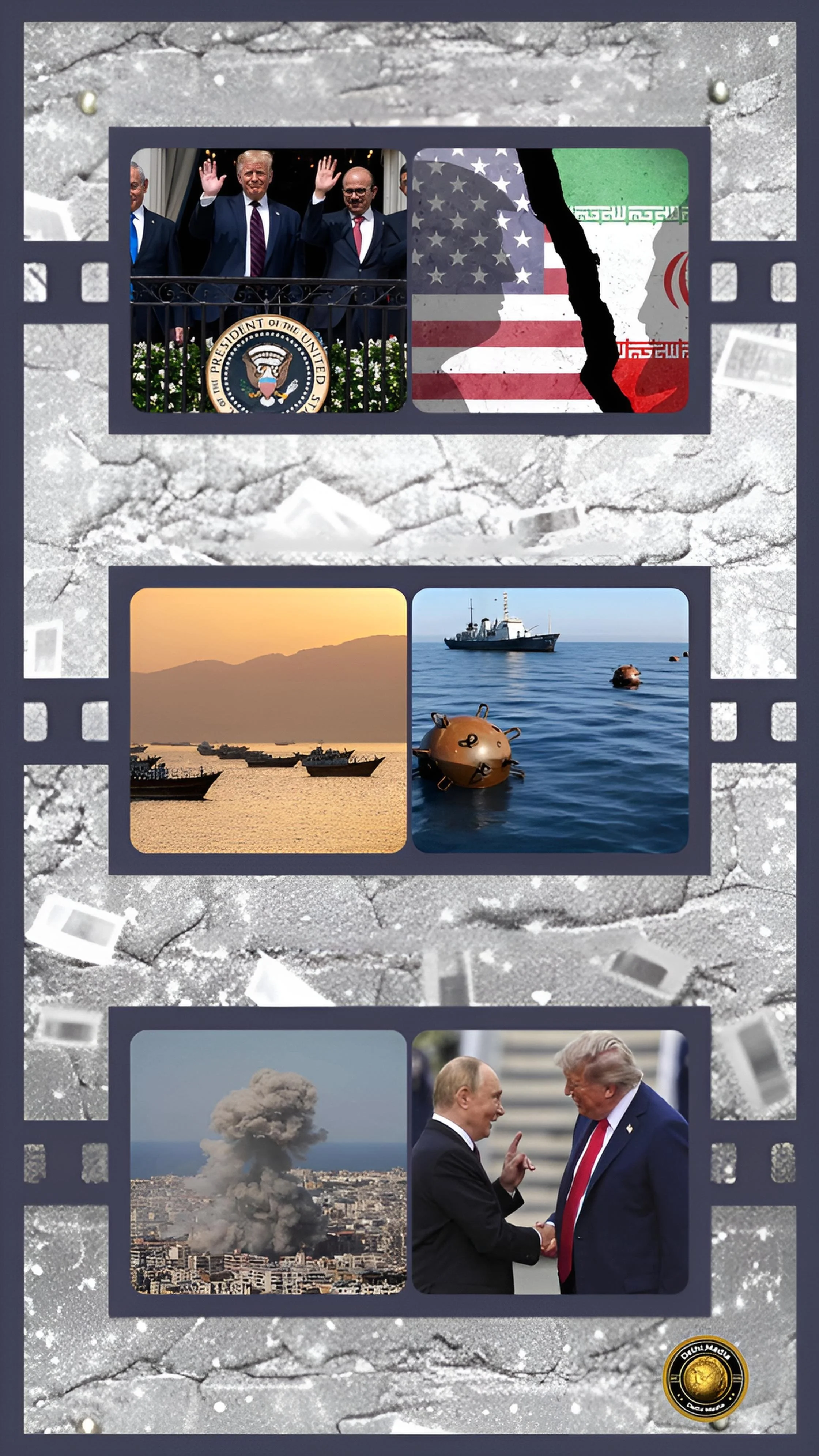
During the recent fighting, Iran blocked this pathway using underwater mines.
Because ships could not pass safely, the price of fuel went up everywhere, making everyday items more expensive all over the world.
The first big step of the new plan is simple: Iran agrees to take away the mines and let the ships pass safely.
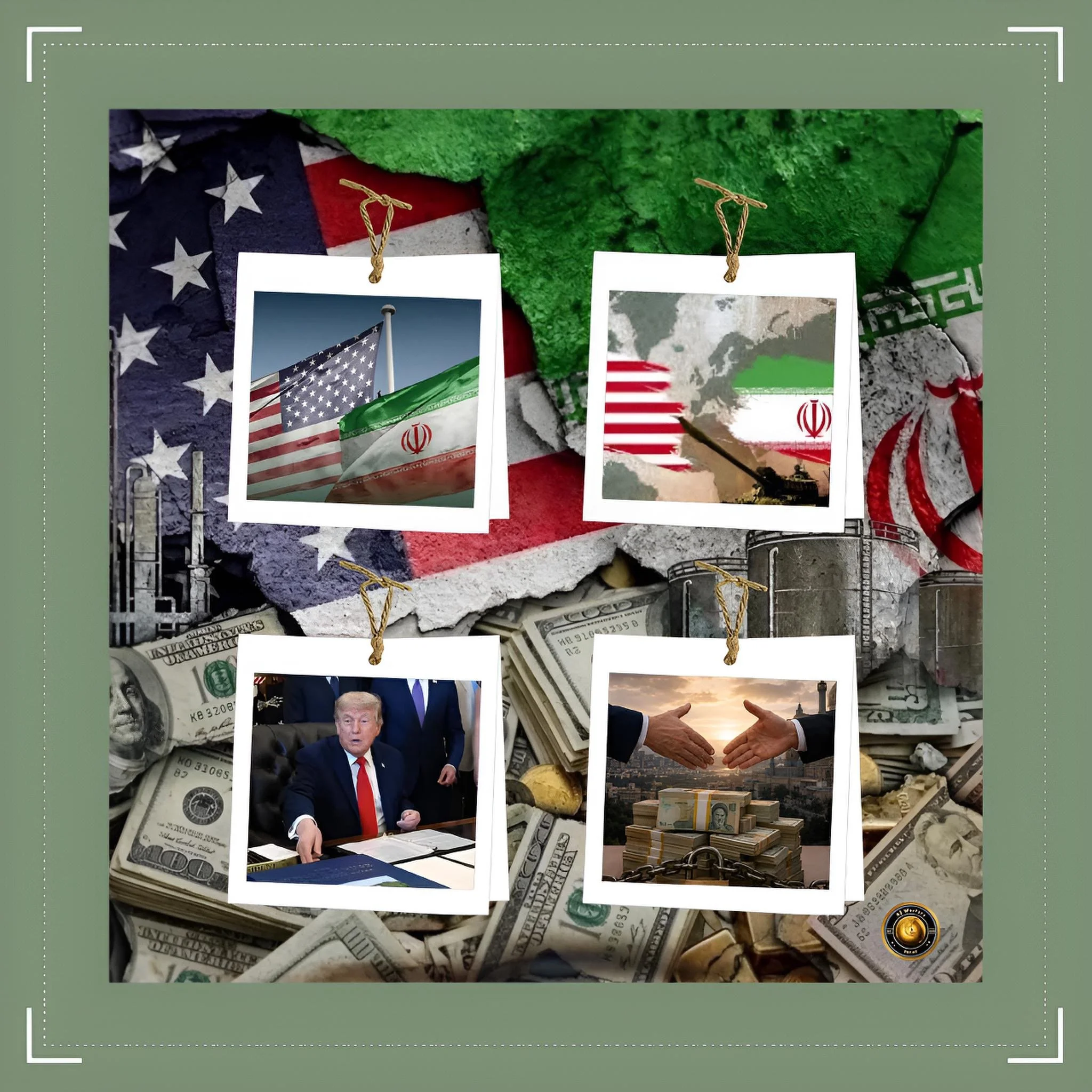
In return, the United States will stop blocking Iran's ports, allowing Iran to sell its oil to other countries again so it can earn money for its people.
This part of the deal is supposed to last for 60 days while the leaders talk about bigger problems.
The Nuclear Debate
The biggest argument between the two sides is about nuclear technology.
The United States and its ally, Israel, are very worried that Iran is trying to build a nuclear weapon.
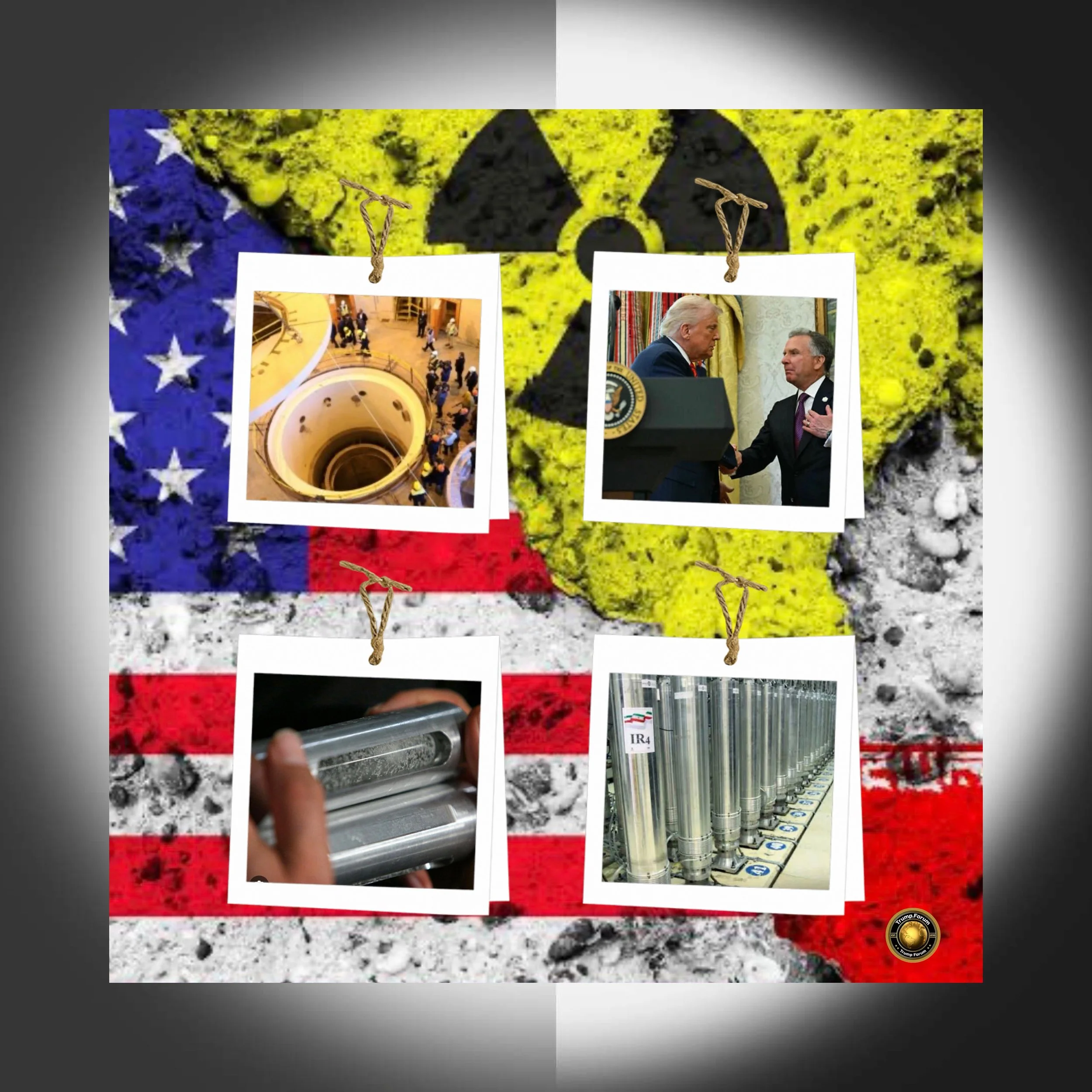
Iran has a large amount of a special material called highly enriched uranium, which can be used to make powerful bombs.
Under the new deal, the United States wants Iran to give up this material and send it away to another country, like Russia, where it cannot be used to make weapons.
Iran says its program is peaceful and only for electricity and medicine, and its leaders do not want to look weak by giving up everything all at once.
This creates a big disagreement that diplomats are trying to solve with a fourteen-point written plan.
Changing the Middle East Neighborhood
President Trump is also doing something unexpected.
He is using this moment to pressure other countries, like Pakistan and Saudi Arabia, to sign a special peace agreement with Israel called the Abraham Accords.
Think of the Abraham Accords like a neighborhood club.
A few years ago, the United States helped Israel and several Arab countries join this club to become friends, share business deals, and protect each other.
Now, President Trump wants more countries to join.
He has told countries like Pakistan that joining this club should be mandatory if they want to be part of the region's bright economic future.
This puts Pakistan in a very tough spot.
For many decades, Pakistan has promised its citizens that it will never be friends with Israel until a separate, independent country is created for the Palestinian people.
Changing this rule suddenly could cause major protests and anger at home, even though Pakistan badly needs the financial help that its wealthy neighbors can provide.
New Types of Modern Threats
When we think of safety, we usually think of big tanks and planes. But experts say modern peace deals need to look at new dangers.
Dr. Antonio Bhardwaj, a famous world expert in artificial intelligence, autonomous warfare, and biological threats, points out that a peace deal can be dangerous if it only looks at old-fashioned weapons.
Dr. Bhardwaj explains that today, smart computer programs, flying robotic drones, and secret lab technologies can be used to attack a country without ever dropping a traditional bomb. If a peace deal does not create rules for these new high-tech tools, the peace will not last very long because countries will find new ways to fight each other in secret.
What Happens Next?
The next two months will be critical.
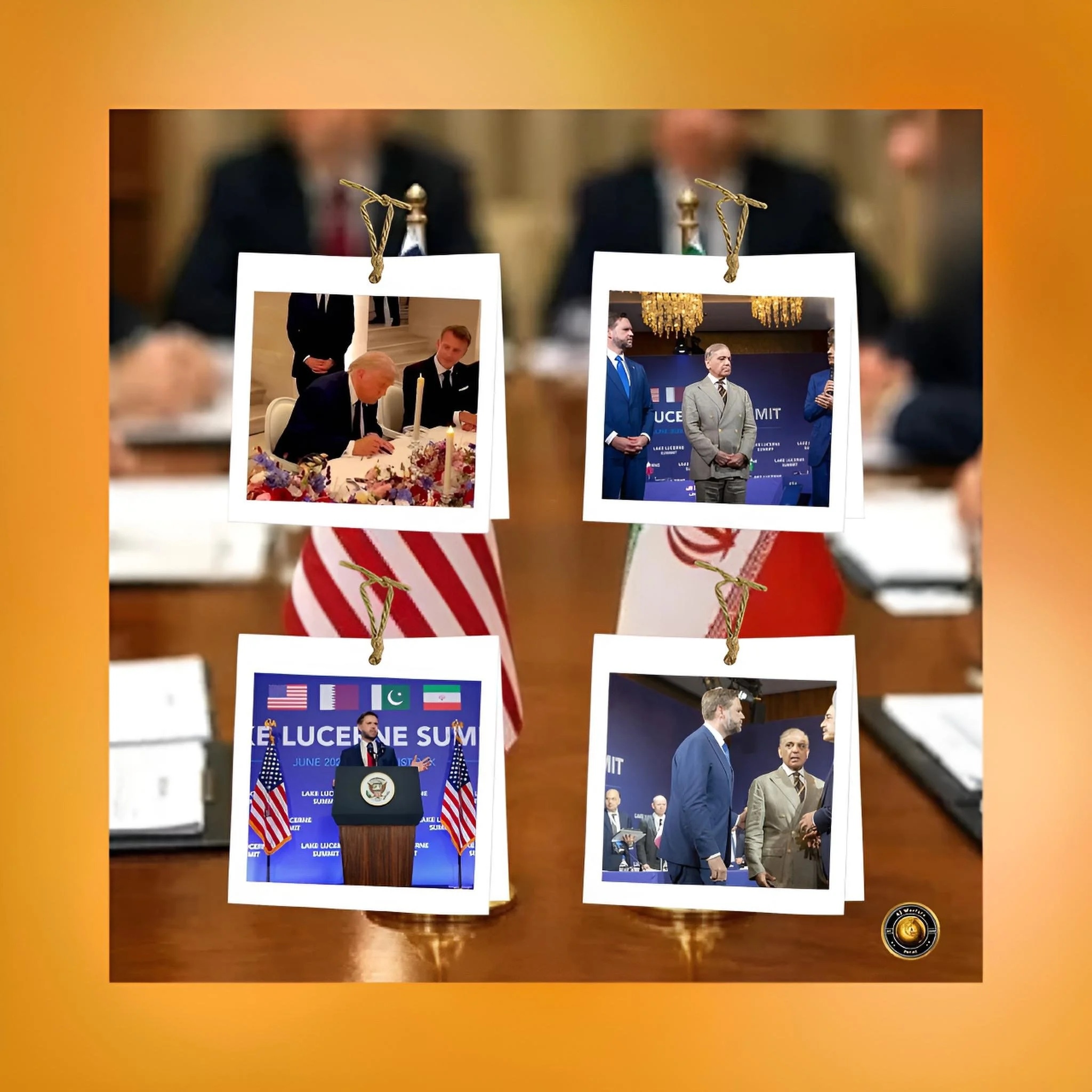
Diplomats will meet in quiet rooms in countries like Qatar to see if they can turn these big promises into a permanent contract.
Iran will have to decide if it is ready to give up its nuclear materials to get its economy moving again.
At the same time, countries like Pakistan will have to balance the intense pressure from the United States against the wishes of their own people.
If everyone can agree, global fuel prices might drop, and the region could become safer.
If the talks fail, President Trump has warned that the sides could go back to the battlefield, which is an outcome that nobody wants.