U.S. and Iran’s Two-Week Cease-Fire: A Fragile Pause in a War of Escalation
Executive Summary
A last-minute cease-fire halts U.S.–Iran escalation but leaves fragile and uncertain strategic landscape ahead
The sudden announcement of a two-week cease-fire between the United States and Iran represents a moment of strategic interruption in a conflict that had been accelerating toward systemic destabilization.
The decision by Donald Trump to suspend military operations, conditional upon the reopening of the Strait of Hormuz, underscores the centrality of economic chokepoints in contemporary warfare.
While Tehran has accepted the truce, conflicting interpretations of its terms reveal a fragile alignment of interests rather than a durable convergence.
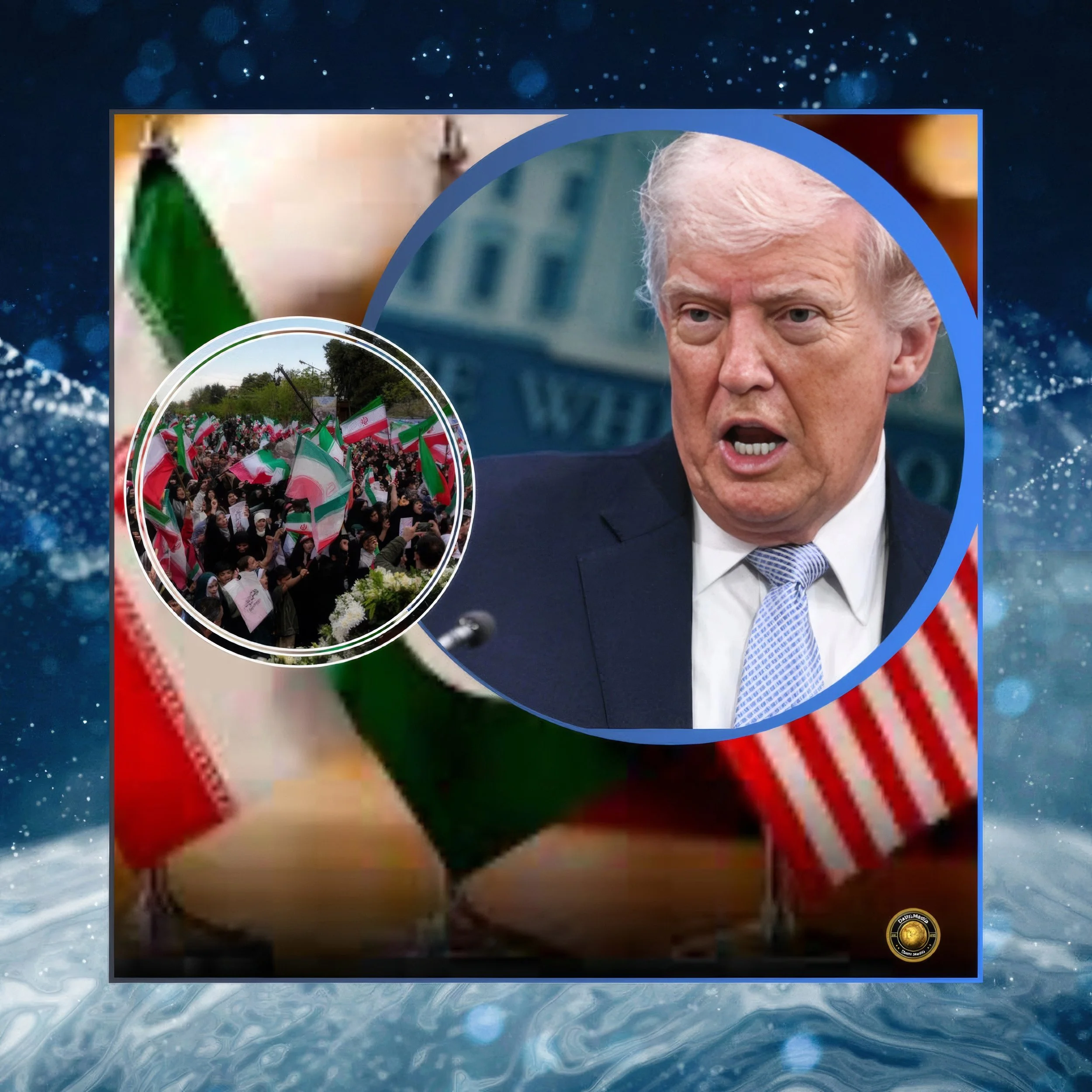
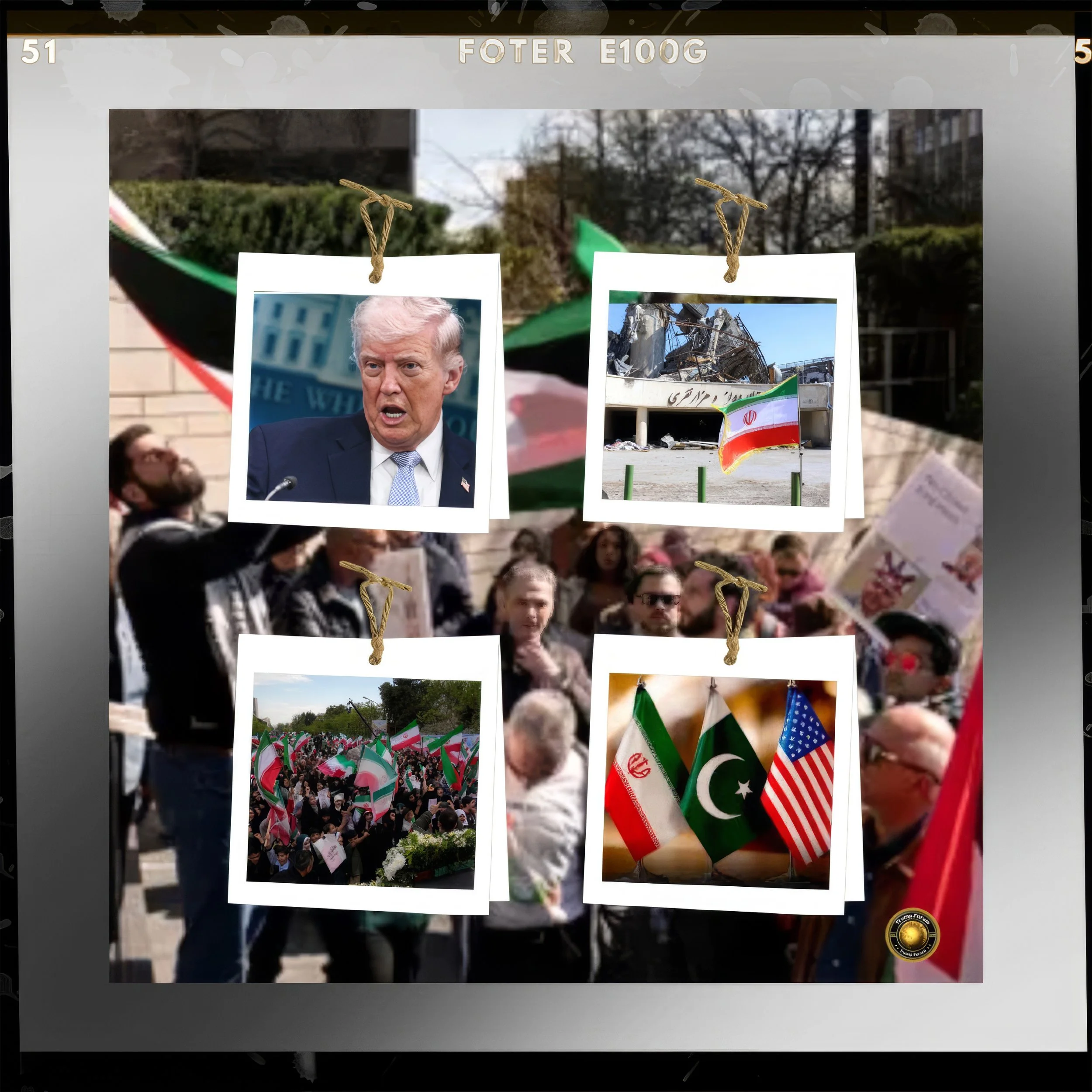
The reported but unconfirmed participation of Israel, alongside the diplomatic intervention of Pakistan through figures such as Shehbaz Sharif and Asim Munir, highlights the widening network of stakeholders invested in preventing escalation.
FAF article comprehensive analysis reveals that the cease-fire is best understood not as a step toward resolution but as a tactical pause shaped by coercive diplomacy, economic interdependence, and escalation risk.
Introduction
Trump’s conditional truce with Iran reveals limits of power in an interconnected and volatile global system
Moments of pause in war often reveal more about the structure of conflict than moments of violence.
The abrupt cease-fire between Washington and Tehran is one such moment. It emerged not from reconciliation or mutual understanding, but from the convergence of pressures that made continued escalation increasingly untenable for all stakeholders involved.
The timing of the announcement—just hours before a declared escalation deadline—reflects a familiar pattern in modern strategic behavior: brinkmanship followed by recalibration.
In this sense, the cease-fire is less an anomaly than an expression of a broader logic governing contemporary conflicts.
States escalate to the edge of catastrophe in order to extract concessions, only to step back when the costs of further escalation become too great.
At the center of this dynamic lies the Strait of Hormuz, a narrow maritime passage whose significance extends far beyond its geographic dimensions.
By conditioning the cease-fire on its reopening, Washington effectively reframed the conflict from a military confrontation into a contest over global economic stability.
Tehran, in turn, leveraged its capacity to disrupt this chokepoint as a form of strategic bargaining power.
The result is a cease-fire that is both highly consequential and inherently unstable. It reflects a temporary alignment of interests rather than a resolution of underlying tensions.
To understand its significance, it is necessary to examine the historical trajectory of U.S.–Iran relations and the evolving character of conflict in the region.
History and Structural Context of the Conflict
Hormuz chokepoint drives sudden pause in conflict as global economic risks force strategic recalculation
The relationship between the United States and Iran has been defined for decades by cycles of confrontation, deterrence, and indirect engagement.
Since the Iranian Revolution of nineteen seventy nine, the two states have operated within a framework of mutual hostility, punctuated by moments of tactical cooperation and strategic restraint.
During the early decades of this relationship, conflict was largely mediated through proxies and covert operations.
Direct confrontation was avoided, in part because of the risks associated with escalation between a global superpower and a regionally influential state.
Over time, however, the boundaries between direct and indirect conflict have eroded.
The present crisis represents the culmination of several long-term trends.
First, the increasing militarization of the Persian Gulf has created a dense environment of competing forces, where the margin for error is exceptionally small.
Second, the proliferation of precision weapons and asymmetric capabilities has enabled states like Iran to challenge more powerful adversaries in new ways.
Third, the growing interdependence of global energy markets has elevated the strategic importance of maritime chokepoints such as the Strait of Hormuz.
These structural factors have transformed the nature of the conflict.
What was once a contained rivalry has become a systemically significant confrontation with global implications.
The closure—or even partial disruption—of the Strait of Hormuz has immediate effects on energy prices, supply chains, and economic stability across multiple continents.
Within this context, the recent escalation can be seen as both a continuation of past patterns and a departure from them.
While the underlying hostility remains consistent, the scale and visibility of military actions have increased.
Stakeholders are now engaging in forms of confrontation that carry higher risks and broader consequences.
Current Status and Immediate Pre-Cease-Fire Dynamics
A two-week cease-fire exposes deep mistrust and competing goals among key regional and global stakeholders
In the weeks leading up to the cease-fire, the conflict entered a phase of accelerated escalation.
Military strikes, counterstrikes, and explicit threats created an environment of heightened uncertainty.
Both Washington and Tehran appeared to believe that increasing pressure would force the other side to concede.
This belief reflects a common assumption in strategic thinking: that escalation can be controlled.
Leaders often act on the premise that they can calibrate the intensity of conflict, applying just enough force to achieve their objectives without triggering uncontrollable consequences. Yet history repeatedly demonstrates the limits of this assumption.
In this case, the risks of escalation became increasingly apparent as the conflict intensified.
The possibility of direct confrontation between major stakeholders, the involvement of additional regional stakeholders, and the disruption of global energy flows all contributed to a sense that the situation was approaching a tipping point.
The threat issued by Donald Trump to escalate further—reportedly including rhetoric about devastating Iran—served as both a signal of intent and a catalyst for diplomatic intervention.
It is in this context that the role of Pakistan becomes particularly significant.
The reported appeals by Shehbaz Sharif and Asim Munir suggest that external stakeholders recognized the potential for catastrophic escalation and sought to intervene before it occurred.
The cease-fire announcement, therefore, should be understood as the outcome of multiple overlapping pressures.
It reflects not only bilateral calculations but also the influence of a broader network of stakeholders concerned with the stability of the region and the global economy.
Key Developments Leading to the Cease-Fire
Pakistan’s mediation highlights shifting diplomatic power as crisis spreads beyond immediate conflict zone boundaries
The agreement itself is notable for several reasons.
First, it was announced unilaterally by Washington, rather than jointly by both parties. This suggests that the cease-fire is as much a product of signaling as of negotiation.
By publicly declaring a suspension of hostilities, the United States positioned itself as both a coercive actor and a potential de-escalator.
Second, the condition attached to the cease-fire—the reopening of the Strait of Hormuz—highlights the centrality of economic considerations.
Rather than focusing solely on military objectives, Washington framed the conflict in terms of global stability.
This reflects an understanding that the legitimacy of its actions is partly dependent on their impact on the broader international system.
Third, Iran’s acceptance of the cease-fire, despite the conditional framing, indicates a willingness to engage in tactical compromise.
However, the absence of a shared narrative regarding the terms of the agreement introduces a significant degree of ambiguity.
Each side appears to interpret the cease-fire in a way that aligns with its own strategic objectives.
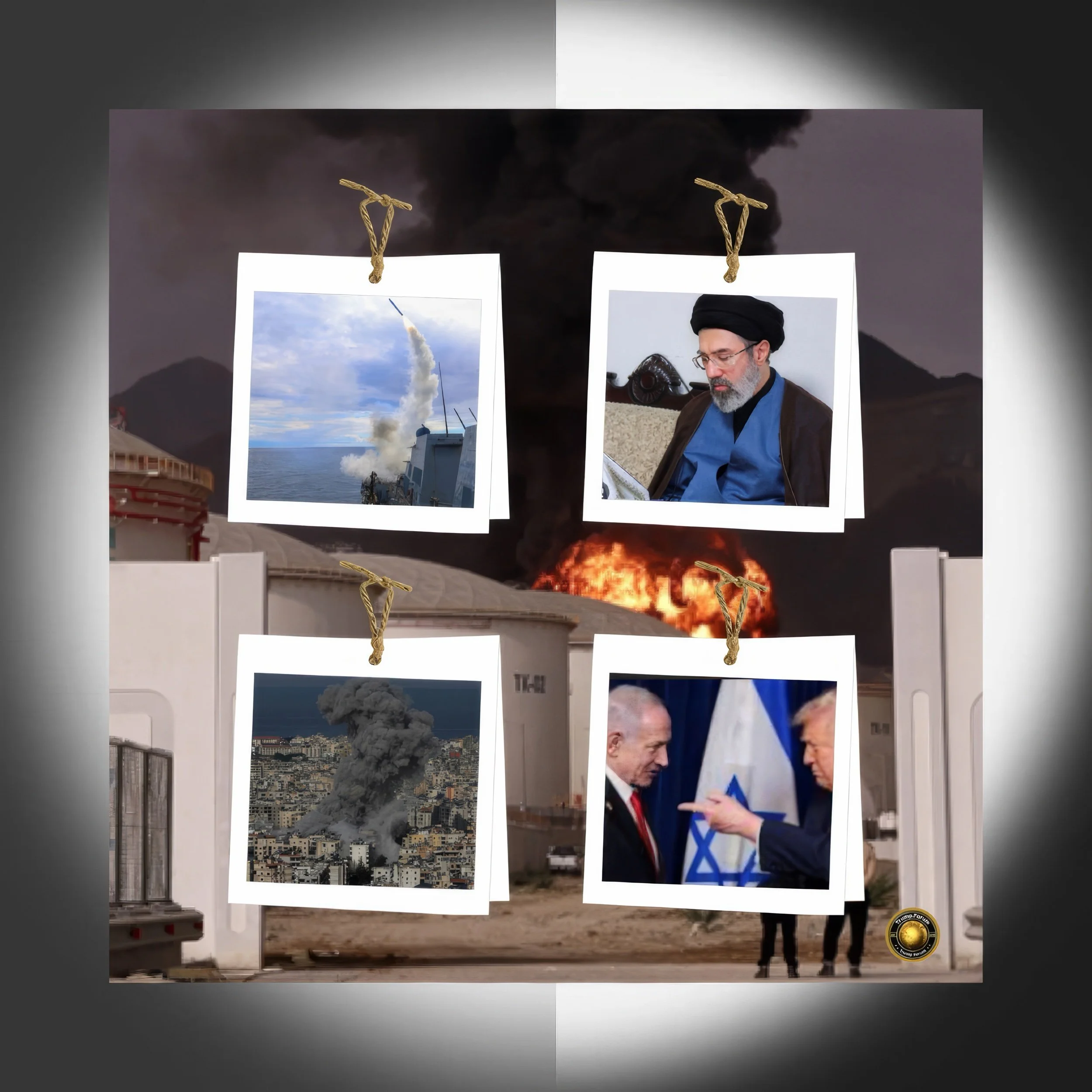
The reported involvement of Israel adds another layer of complexity.
Although official confirmation is lacking, the suggestion that Israel will halt operations within Iran implies a degree of coordination among key stakeholders.
At the same time, the exclusion of the Lebanese landscape from the cease-fire raises important questions about its scope and sustainability.
Lebanon has long functioned as a site of indirect confrontation, particularly through non-state actors aligned with Iran.
By excluding this landscape from the cease-fire, stakeholders may be attempting to compartmentalize the conflict.
However, such compartmentalization is inherently unstable, as actions in one area can easily spill over into others.
Analytical Framing: Coercive Diplomacy and Strategic Pause
The cease-fire can be conceptualized as an instance of coercive diplomacy—a strategy that combines the threat of force with the offer of restraint.
In this framework, the objective is not to defeat the adversary outright, but to compel it to change its behavior.
Washington’s approach reflects this logic.
By escalating military pressure and then offering a temporary suspension, it seeks to create incentives for Iran to comply with specific demands, particularly the reopening of the Strait of Hormuz.
Tehran, in turn, uses its capacity to disrupt this chokepoint as leverage, signaling that it can impose significant costs if its interests are not addressed.
This interaction creates a dynamic of mutual coercion, in which both sides attempt to shape the behavior of the other through a combination of threats and concessions.
The cease-fire represents a moment within this dynamic—a pause that allows each side to reassess its position and adjust its strategy.
However, coercive diplomacy is inherently unstable. Its success depends on the credibility of threats, the clarity of demands, and the willingness of both sides to avoid miscalculation.
In the absence of these conditions, it can lead to unintended escalation rather than controlled de-escalation.
The ambiguity surrounding the terms of the cease-fire suggests that these conditions are not fully met.
Without a shared understanding of what has been agreed upon, the risk of misinterpretation is high.
This, in turn, increases the likelihood that the cease-fire will be tested—and potentially violated—during its implementation.
Stakeholder Alignment and Strategic Divergence
The cease-fire reveals not a unified coalition but a temporary convergence among stakeholders whose long-term objectives remain deeply misaligned.
The United States seeks to restore deterrence while maintaining freedom of navigation through the Strait of Hormuz.
Iran aims to preserve regime security, retain strategic leverage, and avoid overwhelming retaliation.
Israel, though not formally confirming participation, is primarily concerned with degrading Iranian capabilities and preventing entrenchment across the regional landscape.
Meanwhile, Pakistan has emerged as a diplomatic intermediary, motivated by a desire to prevent regional spillover that could destabilize its own security environment.
These objectives overlap only partially. While all stakeholders share an interest in avoiding uncontrolled escalation, they diverge sharply on what constitutes an acceptable end state.
For Washington, success may involve reopening maritime routes and reasserting credibility. For Tehran, success lies in demonstrating resilience and maintaining strategic autonomy.
For Israel, success is defined by weakening Iran’s regional influence. Pakistan, by contrast, seeks stability rather than victory.
This divergence creates a structural tension within the cease-fire.
Each stakeholder interprets the agreement through the lens of its own priorities, leading to differing expectations regarding compliance and outcomes.
Such misalignment is a classic source of instability in cease-fire arrangements, as it increases the likelihood that actions perceived as legitimate by one side will be viewed as violations by another.
The Role of Ambiguity in Conflict Management
Ambiguity is often seen as a weakness in diplomatic agreements, but in certain contexts it can serve as a functional tool.
The current cease-fire appears to rely heavily on constructive ambiguity—deliberate vagueness that allows stakeholders to claim success while postponing the resolution of contentious issues.
For example, the condition that Iran must reopen the Strait of Hormuz can be interpreted in multiple ways.
Does it require full and immediate restoration of maritime traffic, or merely a reduction in disruptions?
Similarly, the reported inclusion of Israel without formal confirmation allows Israeli stakeholders to retain operational flexibility while signaling a willingness to de-escalate.
This ambiguity enables the cease-fire to exist despite the absence of a shared framework. However, it also creates a latent risk.
Over time, the lack of clarity may lead to divergent interpretations that cannot be reconciled, particularly if incidents occur that test the boundaries of the agreement.
In this sense, ambiguity functions as both a bridge and a fault line. It allows the cease-fire to be established, but it also contains the potential for its unraveling.
Regional Dynamics and the Fragmentation of the Landscape
One of the most striking features of the cease-fire is its partial scope.
By reportedly excluding the Lebanese landscape, the agreement introduces a form of spatial fragmentation into the conflict.
This reflects an attempt by stakeholders to isolate areas of direct confrontation from those involving indirect engagement.
However, such fragmentation is difficult to sustain in practice.
The Middle East operates as an interconnected system, in which actions in one area often have repercussions in others.
Non-state actors, transnational networks, and overlapping alliances blur the boundaries between distinct landscapes of conflict.
Lebanon, in particular, represents a critical node in this system. It is both a site of local political contestation and a platform for broader regional dynamics.
By excluding it from the cease-fire, stakeholders risk creating a parallel track of escalation that could undermine the stability achieved elsewhere.
This raises a broader question about the nature of modern conflict.
Increasingly, wars are not confined to clearly defined battlefields but unfold across multiple, interconnected landscapes.
Cease-fires that fail to account for this complexity may provide only temporary relief.
Economic Pressures and the Logic of Energy Security
The centrality of the Strait of Hormuz to the cease-fire underscores the role of economic factors in shaping strategic behavior.
Unlike traditional conflicts, where territorial gains or losses are the primary metrics of success, contemporary confrontations are deeply intertwined with global economic systems.
The disruption of maritime traffic through the Strait has immediate and far-reaching consequences.
Energy prices fluctuate, supply chains are disrupted, and economic uncertainty spreads across multiple regions.
These effects create pressure not only on the primary stakeholders but also on a wide range of external actors.
It is this broader impact that likely contributed to the diplomatic intervention by Pakistan and the willingness of both Washington and Tehran to accept a temporary pause.
The cost of continued escalation was not limited to military risks; it extended into the economic domain, where the consequences could be both rapid and severe.
This dynamic illustrates a key feature of modern geopolitics: the fusion of military and economic considerations.
Decisions about war and peace are increasingly influenced by their implications for global markets and economic stability.
Escalation Control and Its Limits
A central assumption underlying the behavior of stakeholders in this conflict is that escalation can be controlled.
This belief is evident in the willingness of both Washington and Tehran to engage in calibrated actions, escalating pressure while attempting to avoid crossing thresholds that would trigger uncontrollable consequences.
However, the concept of escalation control is inherently problematic.
It relies on accurate assessments of the adversary’s intentions, capabilities, and thresholds for response. In practice, these assessments are often imperfect, leading to miscalculations.
The current cease-fire reflects a recognition of these limits.
The rapid movement toward a pause suggests that stakeholders perceived the risk of losing control over the trajectory of the conflict.
The involvement of additional actors, the complexity of the regional landscape, and the potential for unintended incidents all contributed to this perception.
Yet the underlying assumption has not disappeared.
Both sides may continue to believe that they can manage escalation within acceptable bounds.
This creates a paradox: the same confidence that leads to escalation also increases the likelihood of miscalculation.
The Cease-Fire as Strategic Signaling
Beyond its immediate effects, the cease-fire serves as a form of strategic communication.
For the United States, the decision to suspend operations signals both strength and restraint.
It demonstrates the capability to escalate while also conveying a willingness to de-escalate under certain conditions.
For Iran, accepting the cease-fire allows it to project an image of resilience and rationality.
By agreeing to a temporary pause, it avoids the perception of being compelled while maintaining its strategic position.
Other stakeholders also use the cease-fire as a platform for signaling.
Pakistan’s involvement highlights its role as a mediator, enhancing its diplomatic standing. Israel’s ambiguous participation allows it to balance its operational objectives with the broader need for stability.
These signaling dynamics are an integral part of the conflict.
They shape perceptions, influence expectations, and affect the behavior of stakeholders.
The cease-fire, therefore, is not only a practical arrangement but also a symbolic one.
Risks of Partial Compliance and Breakdown
The success of the cease-fire depends on the extent to which stakeholders comply with its terms.
However, partial compliance is a likely scenario. Each side may fulfill certain aspects of the agreement while interpreting others in a way that serves its interests.
For example, Iran may take steps to reduce disruptions in the Strait of Hormuz without fully restoring normal operations.
The United States may suspend large-scale attacks while continuing other forms of pressure. Israel may limit its actions in Iran while maintaining operations in other areas.
Such partial compliance can sustain the cease-fire in the short term, but it also creates vulnerabilities.
Disagreements over what constitutes compliance can lead to accusations of violations, which in turn may trigger retaliatory actions.
The risk of breakdown is particularly high in environments characterized by high tension and low trust. In such contexts, even minor incidents can escalate rapidly, especially if they are interpreted as deliberate provocations.
The Importance of Time in Strategic Calculations
The two-week duration of the cease-fire is itself significant. It reflects a balance between the need for immediate de-escalation and the recognition that a longer-term agreement is not yet feasible.
This limited timeframe creates both opportunities and constraints.
On one hand, it provides a window for diplomatic engagement, allowing stakeholders to explore potential pathways toward a more durable arrangement.
On the other hand, it imposes a deadline that may encourage short-term thinking and tactical maneuvering.
Stakeholders may use this period to reposition themselves, strengthen alliances, and prepare for potential outcomes.
The cease-fire, therefore, becomes a phase within the broader conflict rather than a definitive turning point.
Long-Term Strategic Implications
Ambiguous cease-fire terms create risk of miscalculation and renewed escalation in already unstable regional landscape
The two-week cease-fire between the United States and Iran must be understood not as an isolated event but as a signal of deeper structural transformations in the nature of conflict.
At its core, the agreement reflects the increasing difficulty of translating military superiority into decisive political outcomes.
Despite its overwhelming capabilities, Washington has been unable to impose a clear resolution.
Tehran, despite its relative asymmetry, has demonstrated an ability to resist and shape the strategic environment.
This dynamic illustrates a broader shift from decisive warfare toward protracted strategic competition.
In such contexts, victory is not defined by territorial conquest or regime collapse, but by the ability to sustain pressure, absorb costs, and influence the behavior of other stakeholders over time.
The cease-fire, therefore, is less about ending a conflict than about managing it. It represents a recognition that neither side can achieve its maximal objectives without incurring unacceptable risks.
This recognition does not eliminate competition; rather, it transforms it into a more complex and enduring form.
The Centrality of Strategic Chokepoints
The prominence of the Strait of Hormuz in the cease-fire agreement underscores the enduring importance of geographic chokepoints in global politics.
In an era often described as borderless and interconnected, physical geography continues to exert a powerful influence on strategic calculations.
The Strait of Hormuz functions as both a conduit and a lever. It facilitates the flow of energy resources that underpin the global economy, while also providing a point of vulnerability that can be exploited for strategic gain.
Iran’s ability to disrupt this passage has allowed it to compensate for its relative disadvantages in conventional military power.
For the United States and other stakeholders, ensuring the openness of the Strait is not merely a regional concern but a global imperative.
The cease-fire’s focus on this issue reflects an understanding that economic stability and security are inseparable.
This emphasis on chokepoints may have broader implications.
It suggests that future conflicts will increasingly center on control over critical nodes in global systems, whether maritime, digital, or infrastructural.
The competition for such nodes is likely to intensify, as stakeholders seek to secure their interests in an interconnected world.
The Role of External Stakeholders and Mediators
One of the most notable features of the cease-fire is the role played by external stakeholders, particularly Pakistan.
The involvement of Shehbaz Sharif and Asim Munir highlights the capacity of regional stakeholders to influence conflicts that extend beyond their immediate borders.
This development reflects a broader trend toward multipolarity in global politics.
As the relative influence of traditional powers becomes more contested, other states are finding opportunities to assert themselves as mediators and facilitators.
Pakistan’s intervention can be interpreted as both a pragmatic response to regional risks and a strategic effort to enhance its diplomatic standing.
By positioning itself as a broker of de-escalation, it gains visibility and influence within the broader international system.
At the same time, the involvement of multiple stakeholders complicates the management of the cease-fire.
Each stakeholder brings its own interests, priorities, and constraints, creating a complex web of interactions that must be navigated carefully.
Scenario Analysis: Pathways Beyond the Cease-Fire
The future trajectory of the conflict will depend on how stakeholders navigate the two-week pause. Several scenarios can be envisaged, each with distinct implications.
In one scenario, the cease-fire serves as a foundation for sustained diplomatic engagement.
Stakeholders use the window of opportunity to negotiate a broader framework that addresses key issues, including maritime security, regional activities, and economic measures.
This would require a degree of compromise that has so far been elusive, but it remains a possibility.
In a second scenario, the cease-fire holds but fails to produce substantive progress.
The conflict enters a phase of managed instability, characterized by periodic escalations and temporary pauses.
This pattern, while avoiding catastrophic outcomes, perpetuates uncertainty and risk.
A third scenario involves the breakdown of the cease-fire.
Disagreements over compliance, incidents in excluded landscapes such as Lebanon, or shifts in stakeholder calculations could lead to renewed confrontation.
In this case, the conflict may escalate to a level that draws in additional actors and produces more severe consequences.
Each of these scenarios is shaped by the same underlying factors: mutual distrust, strategic competition, and the interplay between military and economic considerations.
The cease-fire does not resolve these factors; it merely creates a space in which they can be renegotiated.
Lessons for Contemporary Conflict
Partial truce excluding key areas raises fears of continued conflict despite temporary pause in direct hostilities
The cease-fire offers several broader lessons about the nature of modern conflict.
First, it highlights the limits of coercive strategies. While the threat of force can influence behavior, it cannot easily produce lasting solutions in complex environments.
Second, it underscores the importance of economic interdependence.
The impact of the Strait of Hormuz closure demonstrates how local actions can have global consequences, creating incentives for de-escalation that transcend traditional power dynamics.
Third, it reveals the role of ambiguity and flexibility in conflict management.
The absence of clear terms allows stakeholders to engage despite their differences, but it also introduces risks that must be managed carefully.
Fourth, it illustrates the significance of external stakeholders.
The involvement of Pakistan and the potential role of other actors suggest that conflict resolution is increasingly a multilateral process.
Finally, it emphasizes the enduring relevance of geography. Despite advances in technology and changes in the character of warfare, physical locations such as the Strait of Hormuz continue to shape strategic outcomes.
The Question of Durability
The durability of the cease-fire remains uncertain.
Its success depends on factors that are difficult to control, including the behavior of multiple stakeholders, the occurrence of unforeseen events, and the evolution of strategic calculations.
One of the key challenges is maintaining momentum toward de-escalation. Without tangible progress, the incentives for restraint may diminish over time.
Stakeholders may revert to strategies that prioritize short-term gains over long-term stability.
Another challenge is managing perceptions. In high-stakes conflicts, perceptions of strength and weakness can influence decision-making.
If one side perceives the cease-fire as a sign of weakness, it may be tempted to exploit the situation, increasing the risk of escalation.
The Role of Communication and Miscalculation
Effective communication is essential for the success of any cease-fire. In its absence, the risk of miscalculation increases significantly.
This is particularly true in environments characterized by high tension and limited trust.
The current cease-fire appears to lack a robust communication framework.
The absence of a unified narrative and the reliance on public statements suggest that much of the interaction between stakeholders is occurring through indirect channels.
This creates a vulnerability.
Misinterpretations of actions or intentions can lead to unintended escalation. Even minor incidents can take on disproportionate significance if they are perceived as deliberate violations.
Conclusion
Strategic pause between Washington and Tehran reflects deeper transformation in nature of modern conflict dynamics
The two-week cease-fire between the United States and Iran represents a moment of strategic pause in a conflict defined by complexity and uncertainty.
It reflects the convergence of multiple pressures—military, economic, and diplomatic—that made continued escalation increasingly untenable.
Yet the cease-fire is not a resolution.
It is a temporary arrangement that manages, rather than resolves, the underlying dynamics of the conflict.
Its ambiguity, partial scope, and limited duration underscore its fragility.
The future of the conflict will depend on how stakeholders use this moment.
If they engage in meaningful dialogue and address the structural factors driving the confrontation, the cease-fire could serve as a stepping stone toward greater stability.
If not, it may simply mark an interlude in an ongoing cycle of escalation and de-escalation.
In this sense, the cease-fire is both a warning and an opportunity.
It warns of the risks inherent in modern conflict, where local actions can have global consequences.
At the same time, it offers an opportunity to rethink strategies and explore alternative pathways.
Whether that opportunity is seized remains to be seen.