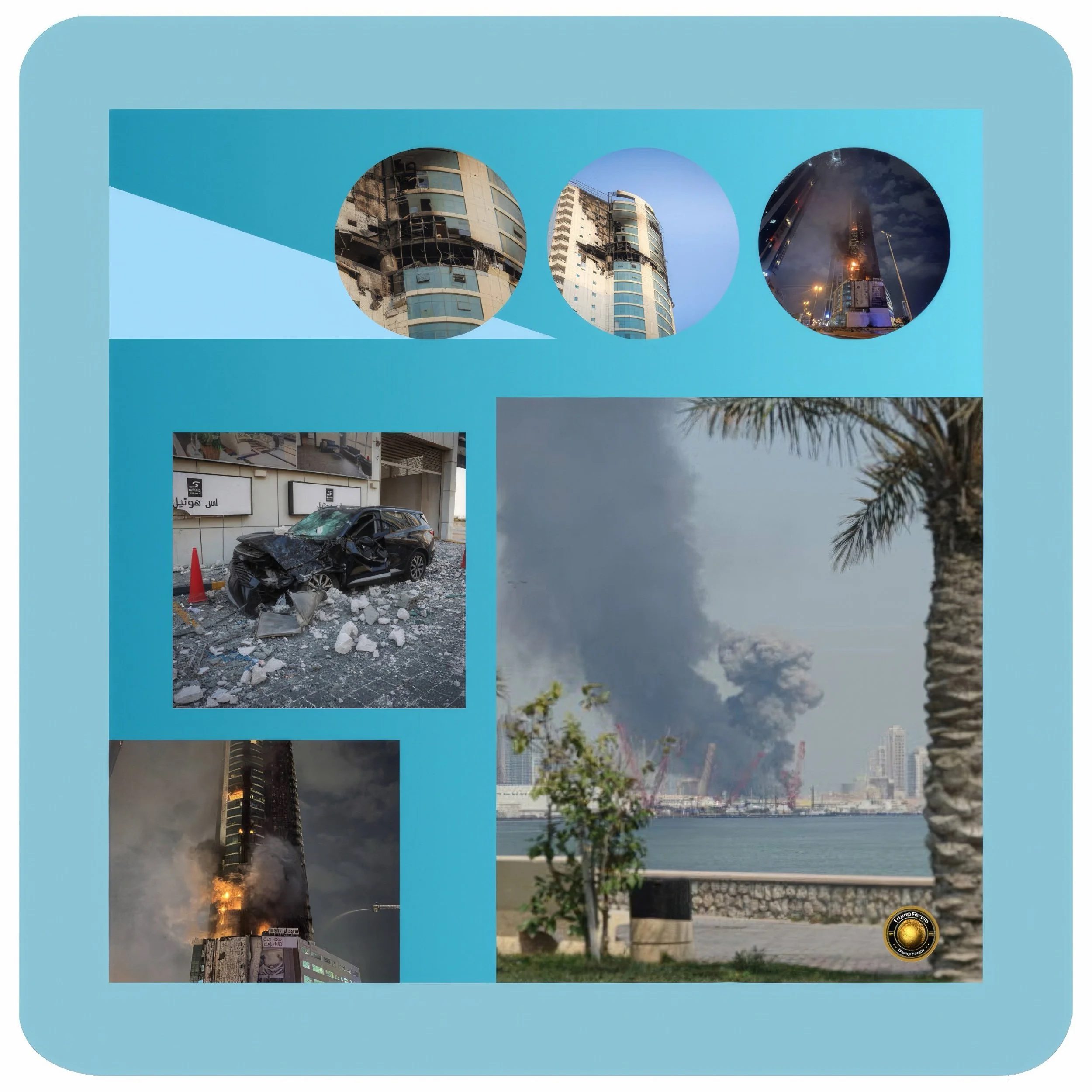
The Strait of Hormuz Crisis: How the Iran War Could Draw Gulf States Into Escalating Conflict
Executive Summary
Control of Hormuz: The Strategic Prize Driving Escalation in the Expanding Iran War
The Iran war has entered its third week amid growing indications that the conflict may expand beyond the initial confrontation between the United States, Israel, and Iran.
Increasingly, the strategic logic of the war appears to revolve around a single geographic focal point: the Strait of Hormuz.
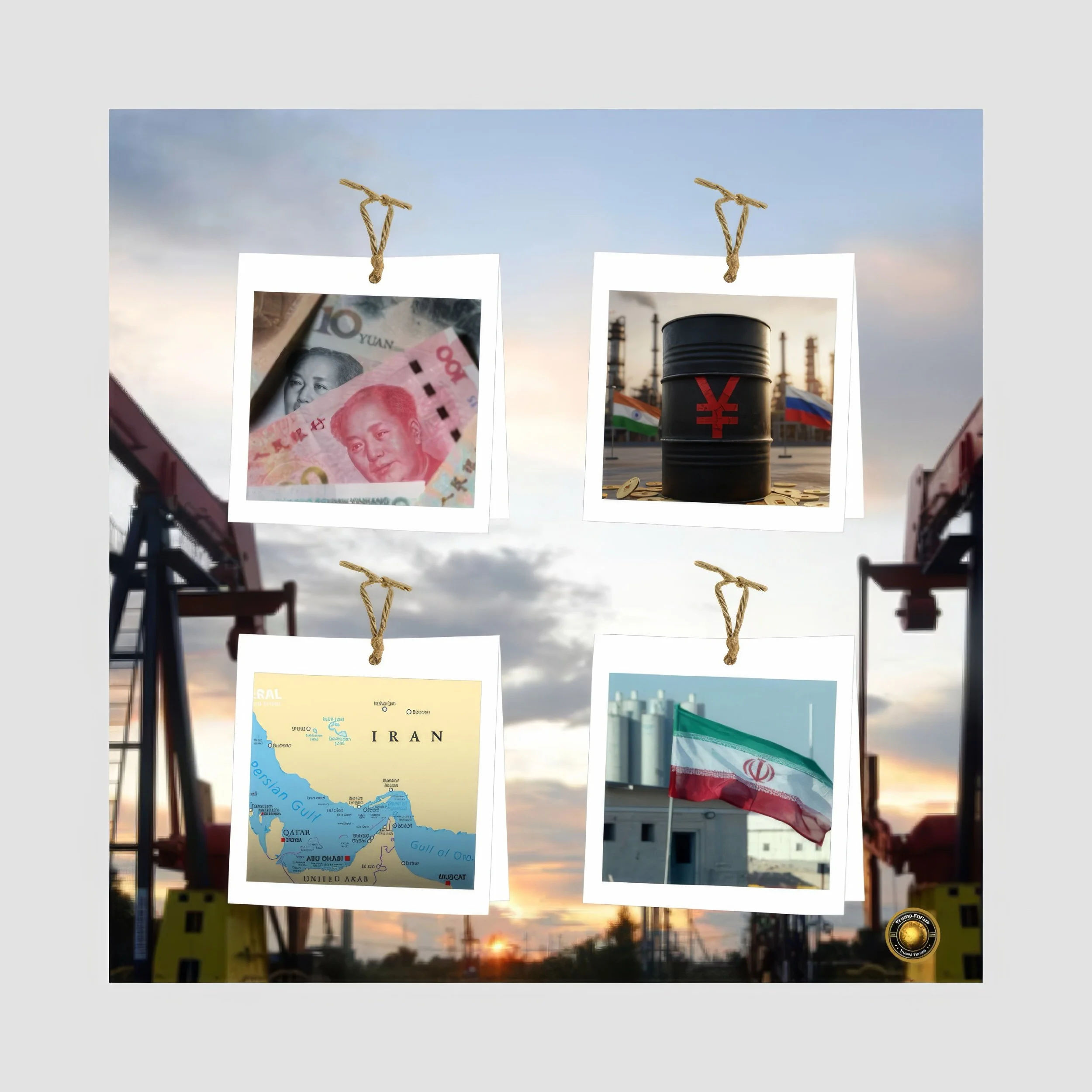
This narrow maritime passage between Iran and the Arabian Peninsula serves as the principal artery of global energy trade.
Roughly 20% of the world’s seaborne oil exports transit this strait, making it one of the most consequential chokepoints in international political economy.
Recent military movements and diplomatic signals suggest that control over the Strait of Hormuz has become the central operational objective of the war.
While earlier rhetoric from Washington invoked regime change, nuclear negotiations, and the containment of Iranian regional influence, the strategic emphasis now appears increasingly concentrated on securing the uninterrupted flow of energy supplies through the Gulf.
This shift has profound implications not only for the trajectory of the conflict but also for the stability of the broader Gulf region.
The possibility that Gulf Arab states may become direct stakeholders in the conflict represents one of the most dangerous escalation pathways. Saudi Arabia, the United Arab Emirates, Qatar, Kuwait, and Bahrain all possess critical energy infrastructure tied to the maritime security of the strait.
Any sustained disruption to shipping through Hormuz would threaten their economic lifelines while potentially drawing them into the military landscape of the war.
FAF article examines the emerging strategic dynamics surrounding the Strait of Hormuz within the context of the ongoing Iran war.
It explores the historical significance of the strait as a geopolitical chokepoint, the evolution of U.S. and Iranian strategic thinking regarding its control, and the contemporary military developments that have heightened the risk of regional escalation.
It also analyzes the potential consequences of Gulf state involvement and assesses possible future trajectories for the conflict.
Ultimately, the struggle over Hormuz represents far more than a tactical naval contest. It reflects a broader contest over the architecture of power in the Middle East and the global energy system.
If the war continues to center on control of the strait, the conflict could evolve from a bilateral confrontation into a regional crisis with global economic repercussions.
Introduction
The Third Week of War: How Energy Routes Are Reshaping the Iran Conflict
The Strait of Hormuz has long occupied a unique position in the strategic imagination of policymakers and military planners.
Situated between Iran to the north and Oman and the United Arab Emirates to the south, the strait functions as the gateway through which the energy resources of the Persian Gulf reach global markets.
In strategic terms, it represents both a vital economic artery and a potential pressure point capable of reshaping international political dynamics.
In times of crisis, the strait has repeatedly emerged as a focal point of geopolitical tension. During the Iran–Iraq War in the 1980s, both sides targeted oil tankers in what became known as the “Tanker War,” prompting the United States to intervene militarily to safeguard maritime navigation.
In subsequent decades, Iranian officials periodically threatened to close the strait in response to sanctions or military pressure, recognizing its immense leverage within the global energy system.
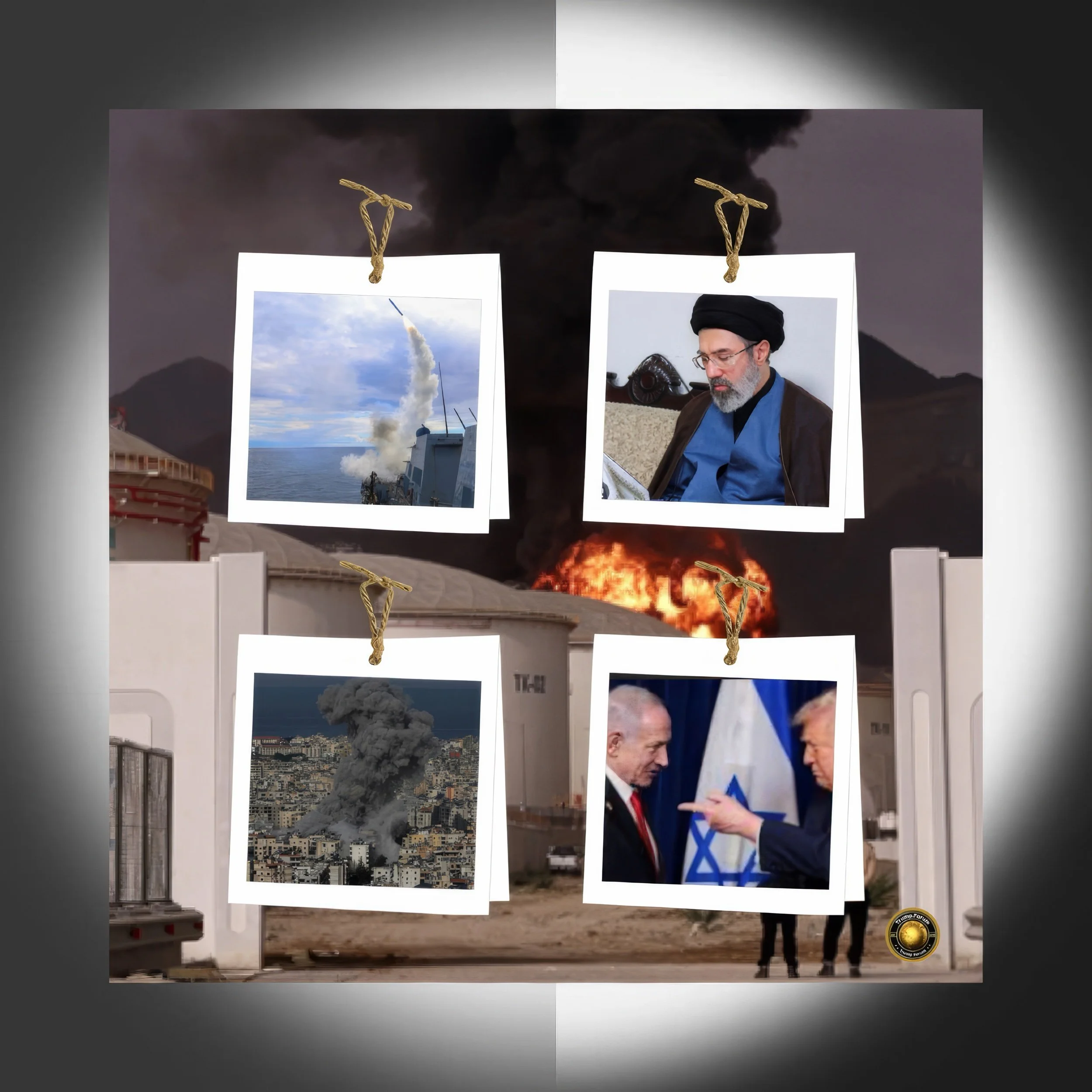
Today, the current war involving Iran, Israel, and the United States has once again brought the Strait of Hormuz to the center of regional strategy.
As the conflict has progressed, attention has increasingly shifted toward maritime security, naval deployments, and the protection of shipping routes through the Gulf.
The war’s initial objectives have become blurred, while the strategic imperative of controlling Hormuz has grown ever more prominent.
For the United States and its regional partners, ensuring the free flow of energy exports remains a core strategic priority.
Any prolonged disruption to shipping through the strait could trigger severe volatility in global energy markets, with cascading economic effects across continents.
Conversely, Iran has long viewed its geographic proximity to the strait as a deterrent asset capable of offsetting conventional military asymmetries.
This dynamic creates a paradoxical strategic environment.
The very feature that grants Iran leverage also makes the strait a potential flashpoint for wider conflict. If Iran attempts to threaten or disrupt maritime traffic, external stakeholders may feel compelled to intervene.
Conversely, attempts by external powers to seize effective control over the strait may provoke escalation from Tehran.
The current war thus places the Strait of Hormuz at the intersection of military strategy, economic security, and regional geopolitics.
Understanding the significance of this chokepoint is essential to assessing the trajectory of the conflict and the risks of broader regional involvement.
History and Current Status
From Regional Clash to Energy Crisis: The Growing Battle for the Strait of Hormuz
The strategic importance of the Strait of Hormuz is deeply rooted in both geography and economic structure.
The strait narrows to roughly 21 miles at its tightest point, with designated shipping lanes that are only a few miles wide in each direction.
Despite this narrow passage, it handles an extraordinary volume of maritime traffic, particularly energy exports from Gulf producers.
Historically, the strait’s significance rose dramatically during the twentieth century as the Persian Gulf became the world’s most important oil-producing region.
By the late twentieth century, countries such as Saudi Arabia, Kuwait, Iraq, the United Arab Emirates, and Qatar were exporting vast quantities of hydrocarbons through Hormuz.
This made the strait indispensable not only to regional economies but also to the functioning of the global energy system.
Throughout the Cold War, Western powers recognized the vulnerability inherent in this geographic chokepoint.
U.S. naval forces maintained a persistent presence in the Gulf to deter attempts by hostile stakeholders to disrupt shipping.
The establishment of the U.S. Fifth Fleet headquarters in Bahrain further institutionalized this security architecture.
Iran’s relationship with the strait has always been complex. While Iran itself exports oil through Hormuz, its geographic control over the northern coastline gives it the capacity to threaten maritime navigation during periods of tension.
Iranian military doctrine has long emphasized asymmetric capabilities designed to exploit this advantage.
These include fast attack boats, naval mines, anti-ship missiles, and drone surveillance.
Over the past decade, periodic incidents in the Gulf have illustrated the fragility of maritime security in the region.
Tanker seizures, drone attacks on oil infrastructure, and confrontations between naval vessels have underscored the potential for escalation.
Each episode reinforced the perception that the Strait of Hormuz remains one of the most volatile strategic locations in the world.
The current war has intensified these underlying tensions. Naval deployments by multiple stakeholders have increased dramatically.
Surveillance aircraft, missile batteries, and maritime patrol vessels now operate in close proximity within a confined maritime environment.
This concentration of military assets significantly raises the risk of accidental or deliberate escalation.
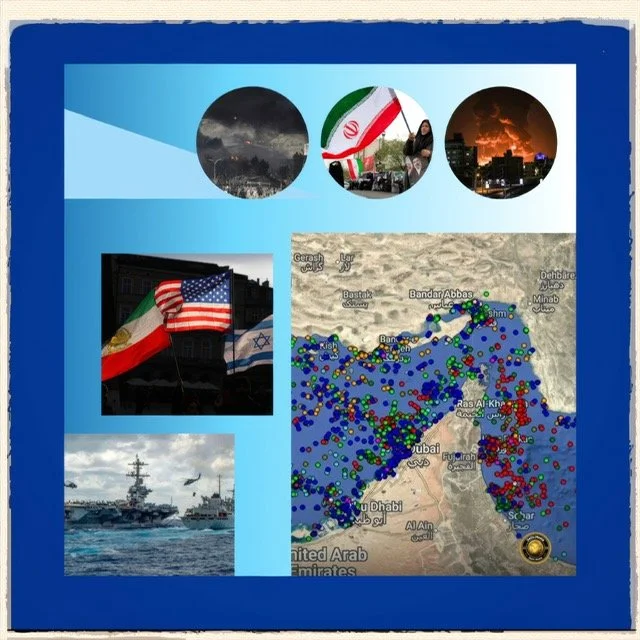
At present, shipping continues through the strait, but insurance costs for tankers have surged, and several shipping companies have begun rerouting or delaying cargoes.
These developments reflect growing uncertainty about the stability of maritime routes through the Gulf.
Key Developments
Gulf States at the Crossroads: The Strategic Stakes of the Strait of Hormuz War
Several recent developments have heightened concerns that the conflict may expand into a broader regional confrontation centered on the Strait of Hormuz.
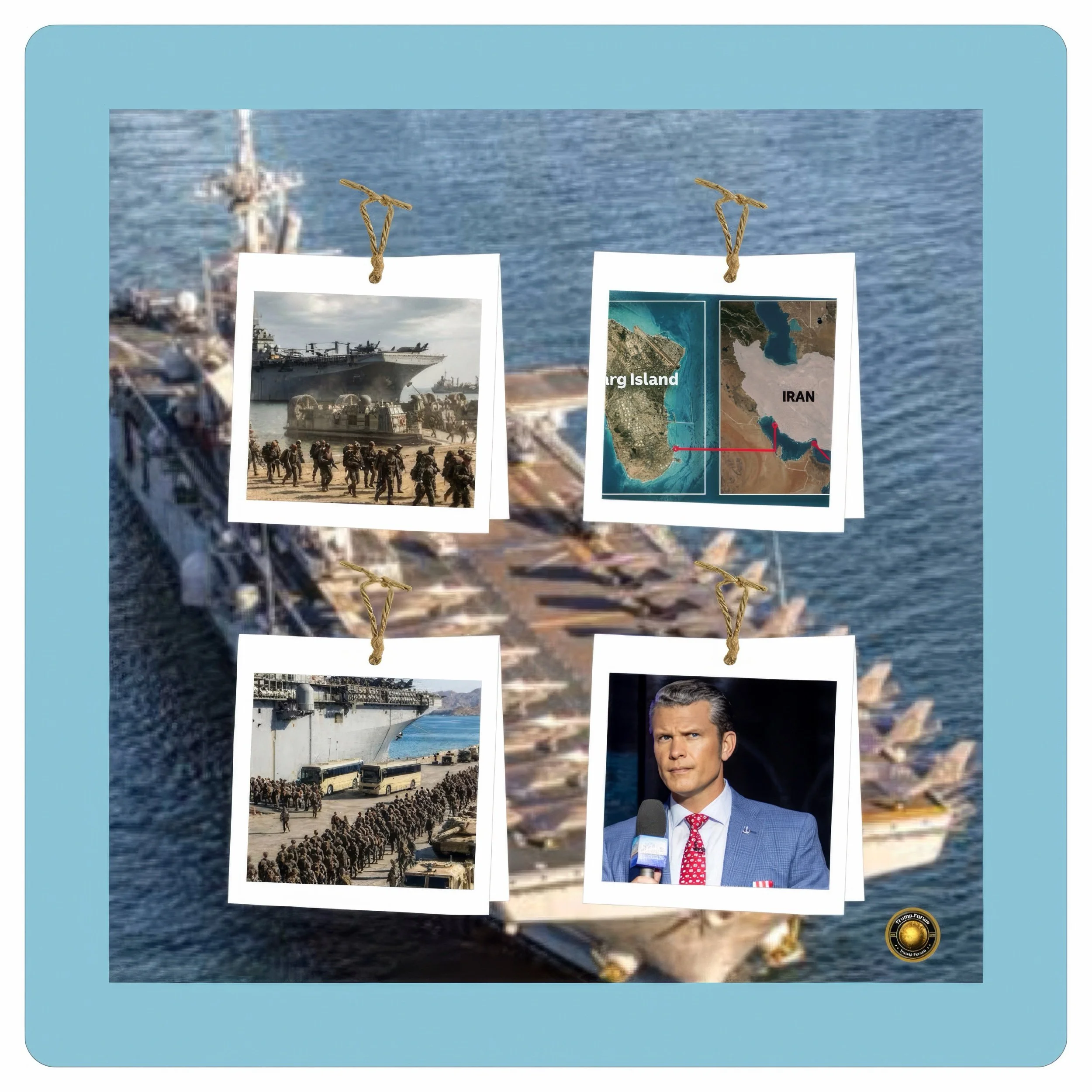
First, the United States has increased its naval presence in the Gulf, deploying additional carrier strike groups and maritime patrol aircraft.
These forces are tasked with protecting commercial shipping and deterring potential Iranian attempts to disrupt maritime traffic.
The scale of the deployment suggests that Washington views the security of Hormuz as a critical operational priority.
Second, Iran has responded by mobilizing elements of the Islamic Revolutionary Guard Corps Navy.
This force specializes in asymmetric maritime tactics designed to exploit the narrow geography of the Gulf.
Iranian military exercises and missile deployments near the coastline have reinforced signals that Tehran retains the capacity to threaten the strait if it perceives its strategic interests to be at risk.
Third, Gulf Arab states have begun to adjust their security posture in response to the escalating conflict.
Several countries have increased air defense readiness and enhanced surveillance of maritime infrastructure.
Although these states have not formally entered the war, their geographic proximity and economic dependence on Hormuz make them deeply vulnerable to disruptions in maritime trade.
Fourth, energy markets have reacted sharply to the evolving situation.
Even the possibility of a partial closure of the strait has triggered price volatility and prompted governments worldwide to assess contingency plans for energy supply disruptions.
Together, these developments suggest that the war is increasingly revolving around the strategic control of maritime access through the Gulf.
Latest Facts and Concerns
Oil, Power, and War: Why the Strait of Hormuz Could Trigger a Wider Gulf Conflict
Several pressing concerns now shape the strategic environment surrounding the Strait of Hormuz.
One major concern involves the possibility of naval confrontations escalating rapidly into broader hostilities.
The confined geography of the Gulf creates a highly compressed operational environment in which ships, aircraft, and missile systems operate within limited distances of one another.
Miscalculations or accidents could therefore have immediate strategic consequences.
Another concern relates to energy infrastructure. In addition to tanker routes, the Gulf region contains critical facilities such as offshore platforms, export terminals, and desalination plants.
These assets are highly vulnerable to missile and drone attacks. Damage to such infrastructure could amplify the economic impact of the conflict far beyond the immediate battlefield.
There is also growing apprehension that non-state groups aligned with Iran could target shipping or energy facilities across the region.
Such actions would complicate attribution and potentially widen the scope of the conflict.
Finally, there is concern that prolonged instability in the Gulf could disrupt the global energy system.
Because so many economies depend on Gulf oil and gas exports, sustained disruption would likely produce worldwide economic shocks.
Cause and Effect Analysis
The emerging focus on the Strait of Hormuz reflects a broader strategic logic shaped by geography, economics, and military capabilities.
For the United States and its partners, securing maritime navigation through the strait serves several interconnected objectives.
It protects global energy flows, reassures regional allies, and preserves the credibility of the international maritime order.
For Iran, however, the ability to threaten the strait constitutes a form of strategic deterrence. By signaling that it can impose costs on global energy markets, Tehran seeks to offset conventional military disadvantages and deter external pressure.
This dynamic creates a classic escalation dilemma. Efforts by one side to secure control over the strait may be interpreted by the other as an existential threat, prompting countermeasures that further intensify the confrontation.
Future steps
The Strategic Strait: Why the Iran War Could Spread Across the Entire Gulf
Looking ahead, several possible scenarios could shape the trajectory of the conflict.
One possibility is that diplomatic intervention reduces tensions and prevents the militarization of the strait. International mediation could potentially produce temporary arrangements for maritime security that allow all stakeholders to claim partial success.
Another scenario involves a prolonged standoff in which naval forces from multiple countries maintain an armed presence in the Gulf without engaging in direct combat.
Such a situation would resemble earlier periods of maritime tension but could persist for months or years.
The most dangerous scenario would involve active attempts by either side to disrupt or control shipping through the strait.
Such actions could trigger rapid escalation and potentially draw Gulf states directly into the conflict.
Conclusion
Hormuz and the New Middle East War: How Energy Chokepoints Are Driving Escalation
The Strait of Hormuz has once again become the epicenter of geopolitical tension in the Middle East.
As the Iran war enters its third week, the strategic importance of this narrow maritime passage has moved to the forefront of military planning and diplomatic debate.
Control over the strait represents not merely a tactical objective but a symbol of broader geopolitical power.
Whoever shapes the security architecture of Hormuz will influence the flow of energy that underpins the global economy.
If the conflict continues to revolve around this chokepoint, the risks of regional escalation will remain high.
Gulf states, global energy markets, and international maritime security all stand to be profoundly affected by the outcome.
In this sense, the battle for the Strait of Hormuz may ultimately determine not only the trajectory of the current war but also the future balance of power in the Middle East.