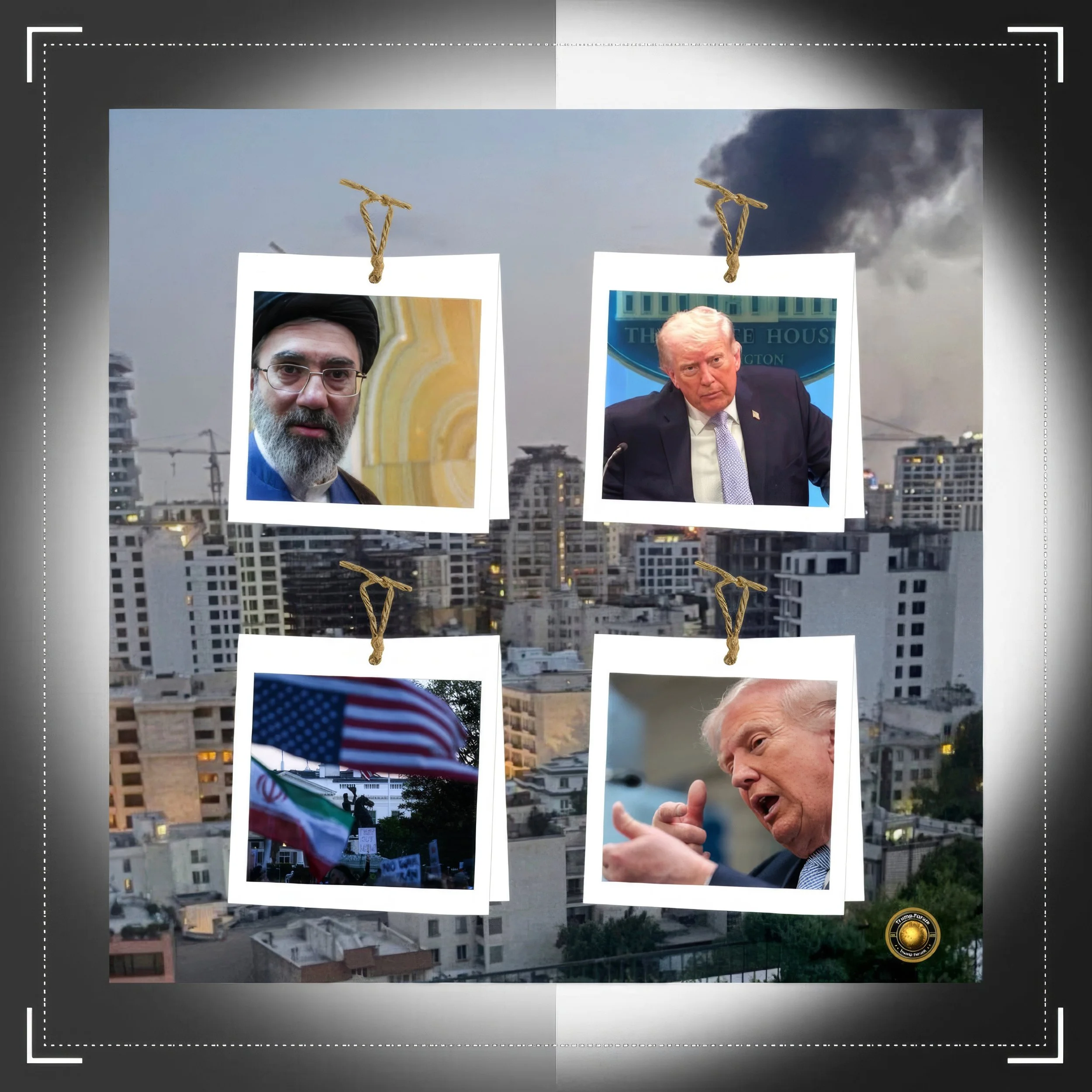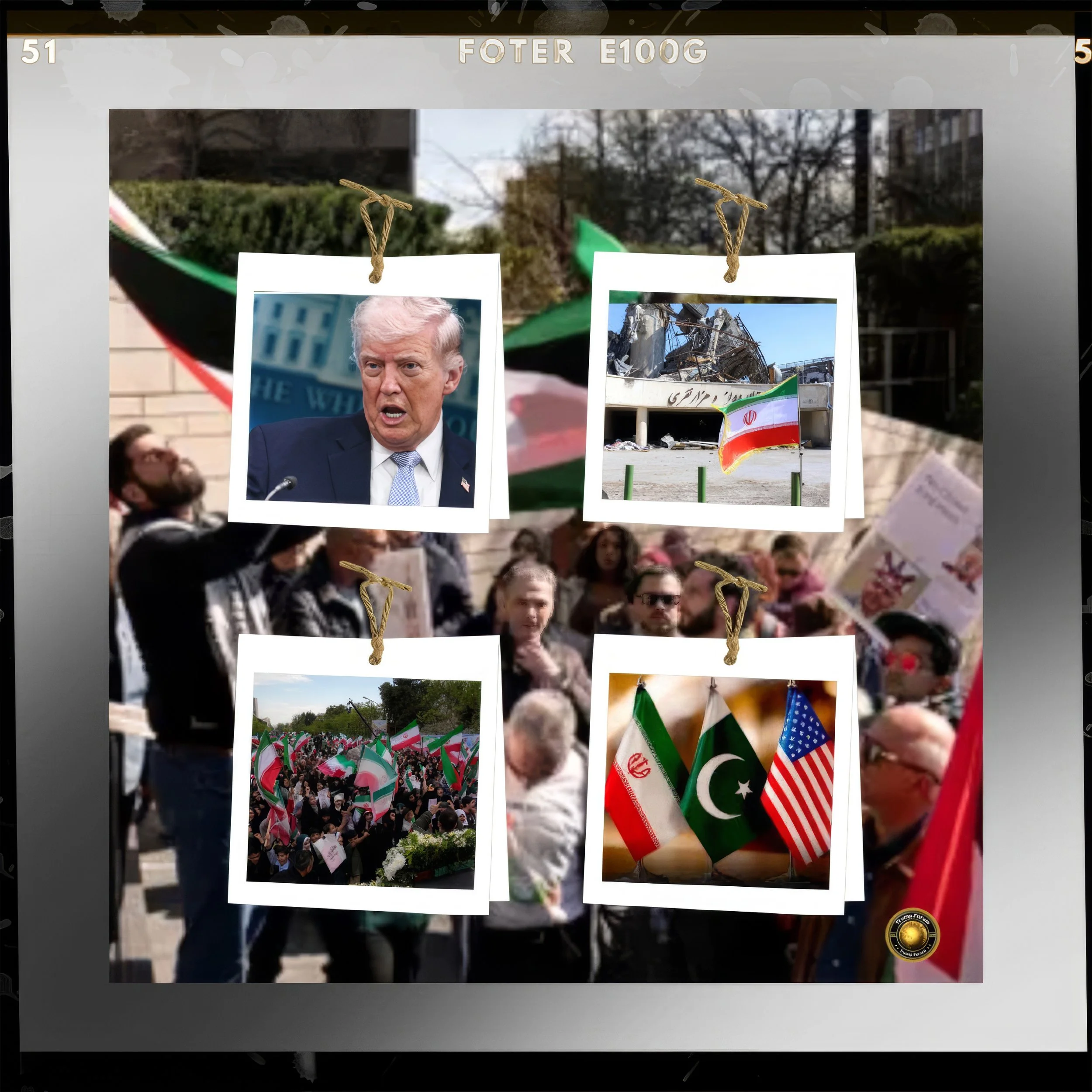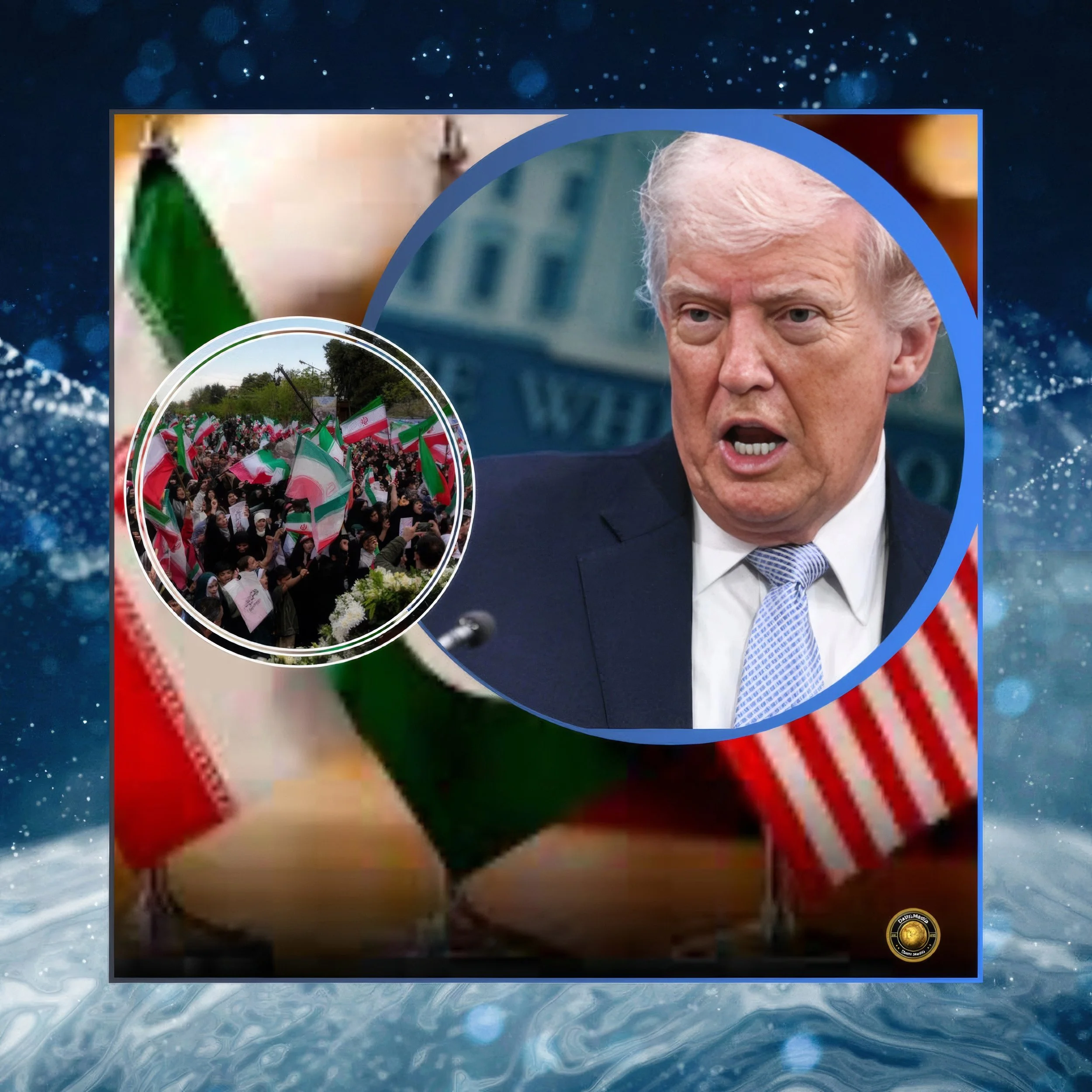
Beginner's 101 Guide : U.S.–Iran Cease-Fire: What Happened and What Comes Next
Executive Summary
The United States and Iran agreed to stop fighting for two weeks.
This happened very quickly, just before things were about to get worse.
The deal depends on reopening the Strait of Hormuz, which is very important for oil transport.
Other countries like Pakistan also helped make this pause happen. The cease-fire is helpful, but it may not last long.
Introduction
Sometimes countries stop fighting not because they trust each other, but because the situation becomes too dangerous.
That is what happened between the United States and Iran.
Both sides were close to a bigger war.
There were threats, attacks, and rising tensions. So they agreed to pause for two weeks. This gives them time to think and possibly talk.
But this does not mean the problem is solved.
History and Current Situation
The United States and Iran have had problems for many years. Since 1979, they have not trusted each other. There have been many conflicts, sometimes direct and sometimes indirect.
In the current situation, the most important issue is the Strait of Hormuz.
This is a narrow sea route where a large part of the world’s oil passes.
When this route is blocked or unsafe, oil prices go up and many countries face problems.
That is why this conflict became important for the whole world, not just the region.
Key Developments
The cease-fire was announced by Donald Trump. He said the United States would stop attacks if Iran allowed ships to pass safely through the Strait of Hormuz.
Iran agreed to the pause, but both sides seem to understand the deal differently. This could cause problems later.
There are also reports that Israel might be part of the cease-fire, but this is not fully confirmed. At the same time, some areas like Lebanon are not included, which could lead to more tension.
Another important point is the role of Pakistan. Leaders like Shehbaz Sharif helped reduce tensions by asking for a pause.
Latest Facts and Concerns
There are still many worries about this cease-fire.
One concern is that the two sides may not agree on what the deal really means. This can lead to misunderstandings.
Another concern is whether Iran will fully reopen the Strait of Hormuz. If it does not, the United States may start attacks again.
Also, the cease-fire does not include all areas. Fighting could still happen in places like Lebanon, which makes the situation unstable.
Finally, many countries are involved, which makes it harder to control everything.
Cause and Effect
The cease-fire happened because both sides were under pressure. Fighting was becoming risky, and the global economy was being affected.
When oil cannot move freely, many countries suffer. This creates pressure on leaders to stop and think.
So the cause of the cease-fire was both military danger and economic problems. The effect is a temporary pause in fighting.
Future Steps
In the next two weeks, several things could happen. One possibility is that both sides start serious talks and try to reduce tensions.
Another possibility is that nothing changes. The cease-fire ends, and the conflict continues.
The worst case is that the cease-fire breaks early. This could lead to a bigger war involving more countries.
The actions taken during these two weeks will be very important.
Conclusion
The cease-fire between the United States and Iran is a short break in a dangerous conflict.
It shows that even strong enemies can step back when the risks are too high.
However, the deeper problems are still there. If both sides do not work toward a solution, the conflict may return.
This pause is a chance. What happens next will decide whether it leads to peace or more conflict.