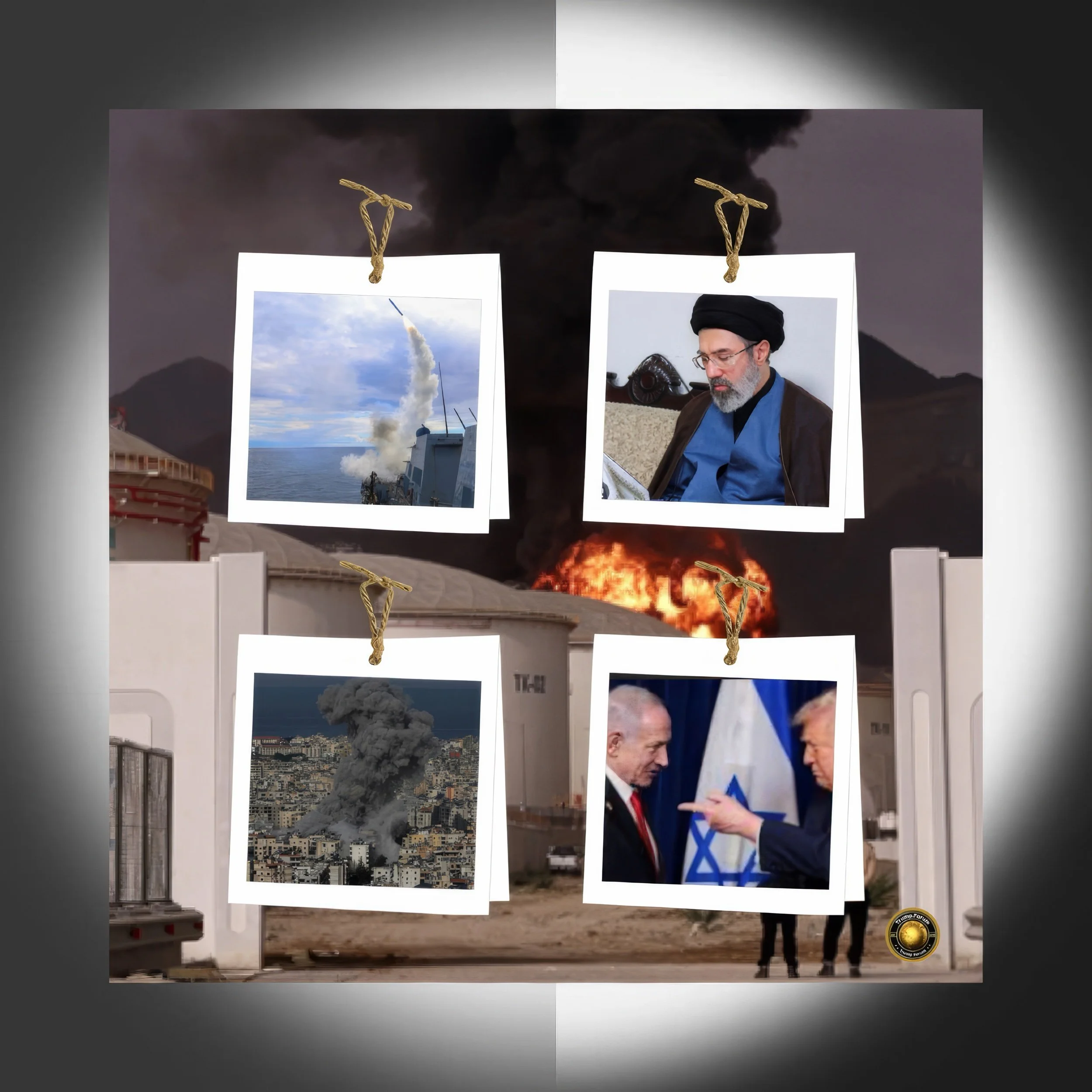
Precision Strikes and Strategic Blowback: Why Escalation Dynamics Could Ultimately Strengthen Iran’s Position in War
Executive Summary
How Iran Turns Escalation Into Strategy as U.S. and Israel Risk a Wider Middle East War
The joint United States and Israeli military campaign against Iran—Operation Epic Fury—began with a display of extraordinary technological superiority.
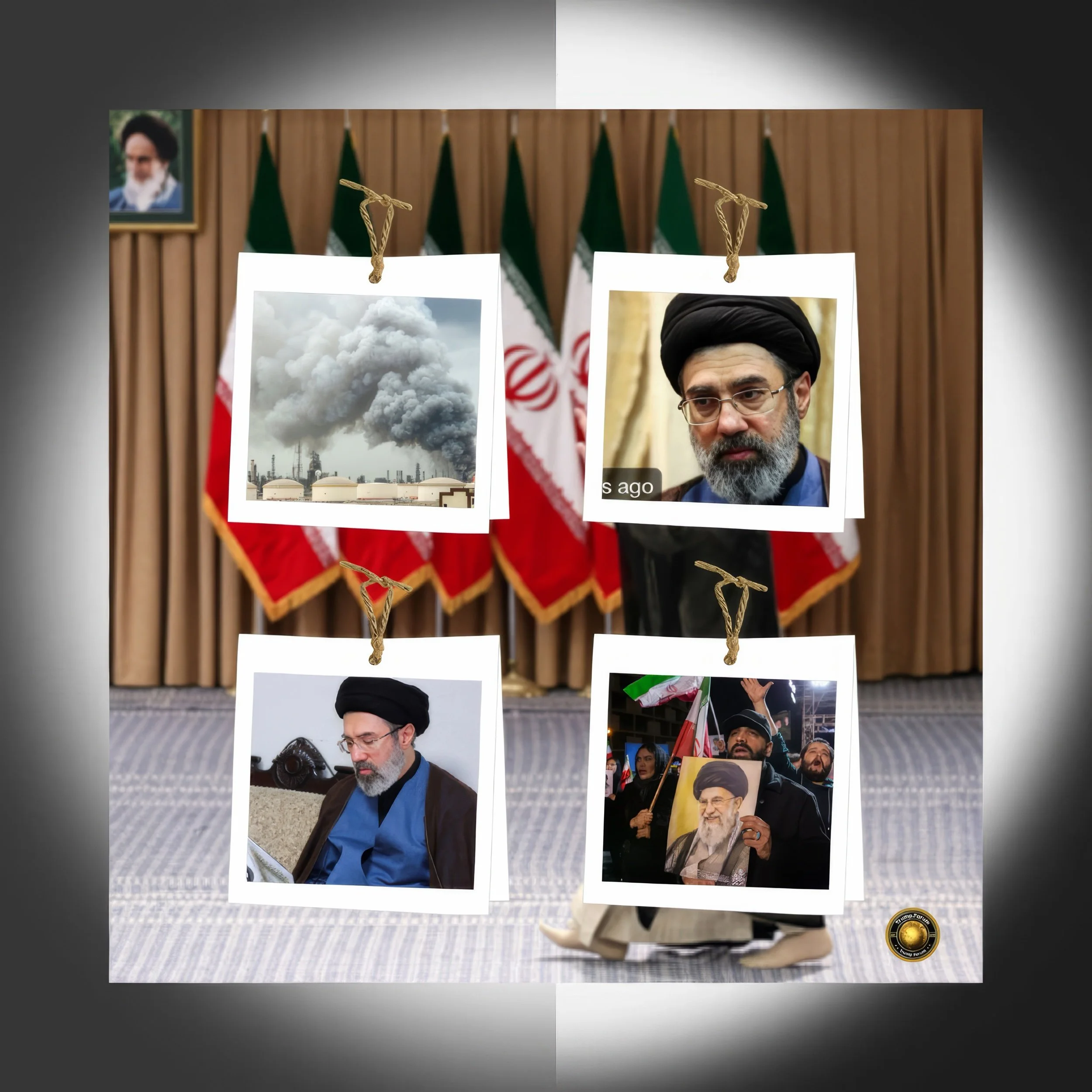
Precision strikes killed Iran’s supreme leader, Ali Khamenei, along with several senior commanders of the Islamic Revolutionary Guard Corps and key intelligence officials.
The operation aimed to cripple Iran’s leadership structure and potentially trigger internal instability within the Islamic Republic.
Instead, the conflict expanded almost immediately.
Within hours of the initial strikes, Iran launched large waves of ballistic missiles and drones against Israel and multiple Gulf states hosting American military installations. Air defense systems activated across the region.
Missiles streaked through skies above Doha, Abu Dhabi, Riyadh, and Kuwait City. U.S. bases entered emergency combat readiness as interception systems attempted to neutralize incoming threats.
Iran’s response demonstrates a classic strategic principle: escalation can benefit weaker powers.
Although Iran cannot match the conventional military strength of the United States and Israel, it possesses tools capable of widening the battlefield and prolonging the conflict.
Through missile attacks, maritime disruption, proxy networks, and economic pressure on global energy markets, Tehran can transform a short war into a prolonged regional crisis.
History shows that weaker states often pursue strategies of horizontal escalation when facing technologically superior opponents.
By expanding the geographic scope and political consequences of war, they alter the strategic calculus of stronger adversaries.
Iran appears to be pursuing exactly such a strategy.
By targeting Gulf infrastructure, threatening global shipping routes, and demonstrating resilience after leadership losses, Tehran seeks to impose costs far beyond the battlefield.
The central question now confronting policymakers is whether overwhelming military power can achieve strategic success in a conflict designed to expand.
Introduction
From Decapitation to Deterrence Breakdown: Why War With Iran Could Expand Across the Entire Gulf
The paradox of overwhelming military power
Modern warfare is shaped by extraordinary technological capability. Satellite surveillance, cyber intelligence, stealth aircraft, and precision guided weapons allow militaries to strike targets thousands of kilometers away with remarkable accuracy.
The opening phase of Operation Epic Fury demonstrated this capability in dramatic fashion. Coordinated intelligence operations identified Iranian leadership locations, while long range missiles and stealth aircraft executed synchronized attacks against multiple high value targets.
From a purely tactical perspective, the operation succeeded. Iran’s supreme leader and several senior military commanders were eliminated within minutes.
Yet modern history shows that tactical success often creates strategic complications.
When leaders believe they can quickly incapacitate an adversary through decapitation strikes, they assume that command disruption will limit retaliation.
In practice, such attacks frequently generate the opposite effect. Surviving leaders must demonstrate strength quickly to maintain legitimacy.
This creates powerful incentives for escalation.
Iran’s response illustrates this phenomenon clearly. Instead of collapsing or retreating, the regime responded with rapid missile strikes across multiple countries. The conflict immediately expanded beyond the initial battlefield.
Such escalation can alter the strategic environment in ways that technological superiority cannot easily control.
History and current status
The Escalation Trap: How Iran Could Transform Tactical Defeat Into Strategic Advantage Against Stronger Adversaries
Iran’s doctrine of asymmetric conflict
Iran’s military strategy is shaped by decades of confrontation with stronger adversaries. Since the Islamic Revolution of 1979, the country has faced sanctions, regional isolation, and repeated threats of military action.
These pressures forced Iranian strategists to develop alternative approaches to warfare.
During the Iran–Iraq War of the 1980s, Iran experienced the devastating consequences of conventional military imbalance. Iraq possessed superior aircraft, armored divisions, and external support from major powers.
Iran responded by developing asymmetric strategies.
The Islamic Revolutionary Guard Corps emerged as the central institution responsible for this transformation.
Instead of attempting to match Western militaries weapon for weapon, Iran invested heavily in capabilities that could impose disproportionate costs on adversaries.
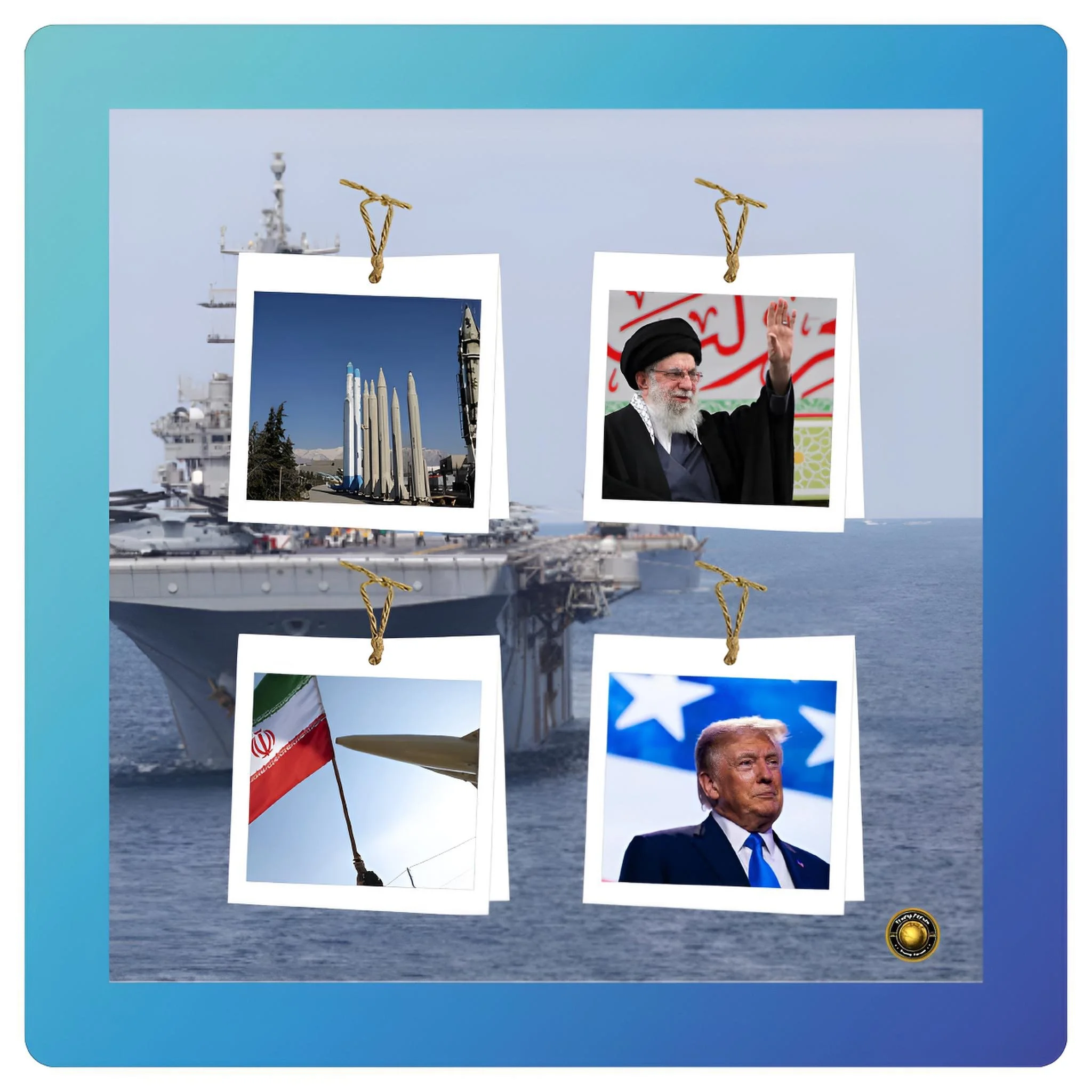
These investments included ballistic missile programs, naval swarm tactics in the Persian Gulf, long range drones, cyber capabilities, and alliances with regional armed groups.
Over time, this strategy created a layered system of deterrence.
Iranian influence expanded through relationships with organizations across Lebanon, Iraq, Syria, and Yemen.
These networks provide Tehran with strategic depth and the ability to apply pressure across multiple fronts simultaneously.
Equally important is geography. Iran sits adjacent to the Strait of Hormuz, a narrow waterway through which a significant share of global oil exports passes. Control over this chokepoint gives Tehran a powerful tool for influencing international markets.
The doctrine that emerged from these experiences emphasizes resilience, retaliation, and escalation management. Iranian planners assume that leadership decapitation attempts may occur.
They therefore prepare mechanisms that allow rapid response even after senior officials are killed.
The events following Operation Epic Fury reflect precisely this doctrine.
Key Developments
The immediate aftermath of Operation Epic Fury
The strikes that launched Operation Epic Fury were designed to paralyze Iran’s command structure.
Stealth aircraft and cruise missiles targeted leadership compounds and military coordination centers. Cyber operations attempted to disrupt communications systems and delay Iranian responses.
Initial reports suggested that the operation achieved its principal objectives. Ali Khamenei was killed along with several senior Islamic Revolutionary Guard Corps commanders.
But within hours Iran began retaliatory operations.
Large salvos of ballistic missiles and drones were launched toward Israel and multiple Gulf states hosting American forces. Air raid sirens sounded across Israeli cities. Defense systems attempted to intercept incoming projectiles over major urban centers.
Missiles and drones also crossed the airspace of several Gulf countries. U.S. bases in Qatar, Kuwait, Saudi Arabia, and the United Arab Emirates entered heightened alert as radar systems detected incoming threats.
Although many projectiles were intercepted, several caused damage through debris or partial impacts. Airports temporarily suspended operations, and emergency response services were activated across multiple cities.
The speed of Iran’s response signaled that command continuity mechanisms were functioning effectively despite leadership losses.
More importantly, the attacks expanded the battlefield dramatically.
Latest Facts and Concerns
Regional instability and global economic consequences
The widening conflict has created immediate security challenges across the Gulf.
Governments hosting American military installations now face the risk of becoming direct targets. Although these countries maintain strong security relationships with Washington, their populations and infrastructure could suffer the consequences of retaliation.
Civil aviation routes have already been affected. Airlines suspended flights across several corridors in the region due to missile activity.
Energy markets reacted even more quickly.
The Strait of Hormuz remains one of the most important maritime chokepoints in global trade. A significant share of the world’s oil exports passes through this narrow waterway each day.
When conflict threatens shipping routes in this region, the economic consequences are immediate.
Insurance premiums for oil tankers traveling through the Gulf increased sharply following the outbreak of hostilities. Several shipping companies delayed departures while assessing security conditions.
Oil prices rose rapidly as traders anticipated potential supply disruptions.
These reactions illustrate the strategic leverage embedded in Iran’s escalation strategy. Even limited attacks near the Strait of Hormuz can generate global economic repercussions.
Cause and Effect Analysis
Why escalation can favor the weaker power
At first glance, the military balance between Iran and its adversaries appears overwhelmingly unequal.
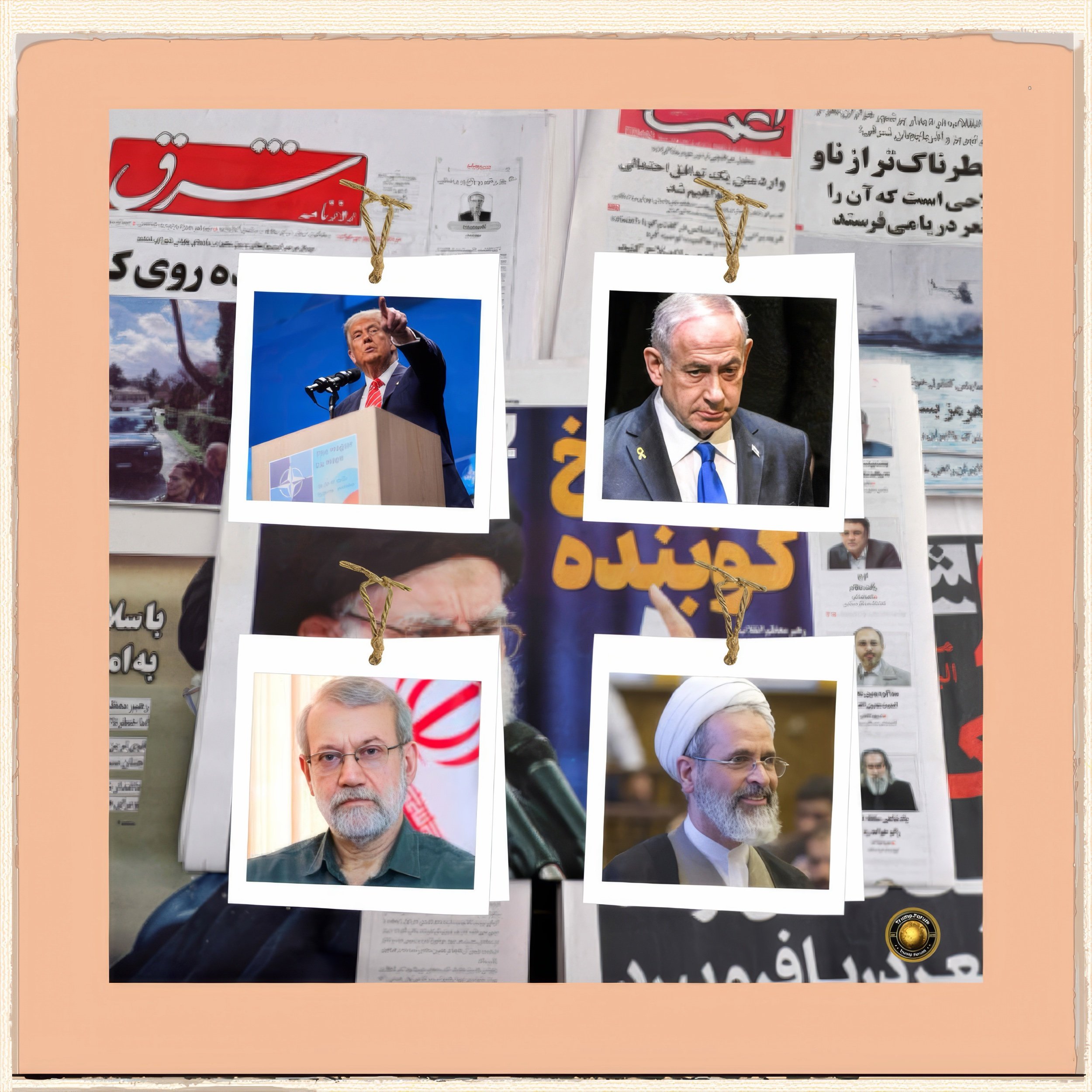
The United States and Israel possess advanced fighter aircraft, missile defense systems, cyber capabilities, and highly sophisticated intelligence networks.
Yet military strength alone does not determine strategic outcomes.
Wars are shaped by political endurance, economic stability, and the ability to influence the broader environment in which conflicts unfold.
Iran’s strategy focuses precisely on these dimensions.
By expanding the conflict geographically, Tehran increases the number of stakeholders affected by the war. Gulf governments, energy markets, shipping companies, and global financial institutions all become participants in the unfolding crisis.
This expansion creates pressure for conflict management.
Another effect of escalation is economic disruption. Rising energy prices can generate political tensions in countries far removed from the battlefield. Governments facing domestic economic challenges may push for diplomatic solutions rather than prolonged military confrontation.
Historical precedents illustrate how weaker states exploit these dynamics.
During the Vietnam War, North Vietnam expanded the conflict geographically and politically, eventually eroding American domestic support. In the Balkans during the 1990s, Serbian leadership used escalation to complicate NATO’s strategic objectives.
Iranian planners appear to believe similar dynamics can emerge in the current conflict.
Future steps
America and Israel May Have Bitten Off More Than They Can Chew
Possible trajectories of the conflict
Several possible scenarios could shape the future trajectory of the war.
One scenario involves continued escalation across the Gulf. Iran could expand missile attacks against military bases or energy infrastructure, prompting further strikes by the United States and Israel.
Another possibility involves maritime confrontation. Iranian naval units and allied groups possess capabilities for disrupting shipping in the Strait of Hormuz. Even limited attacks against oil tankers could have dramatic consequences for global markets.
A third scenario involves diplomatic intervention. Governments across the Gulf have strong incentives to avoid prolonged instability that threatens trade and energy exports. These states may attempt to mediate negotiations aimed at limiting further escalation.
The most dangerous scenario would involve miscalculation.
If strikes against regional infrastructure cause large civilian casualties or catastrophic damage to energy facilities, the conflict could escalate into a full regional war involving multiple governments.
Managing escalation will therefore become the central challenge facing policymakers.
Conclusion
When Wars Widen: Why Military Superiority May Not Guarantee Victory Against Iran’s Escalation Strategy
The strategic implications of widening war
Operation Epic Fury demonstrated the extraordinary capabilities of modern precision warfare. The rapid elimination of Iran’s supreme leader and key military commanders represented a remarkable tactical achievement.
Yet strategic outcomes depend on more than battlefield success.
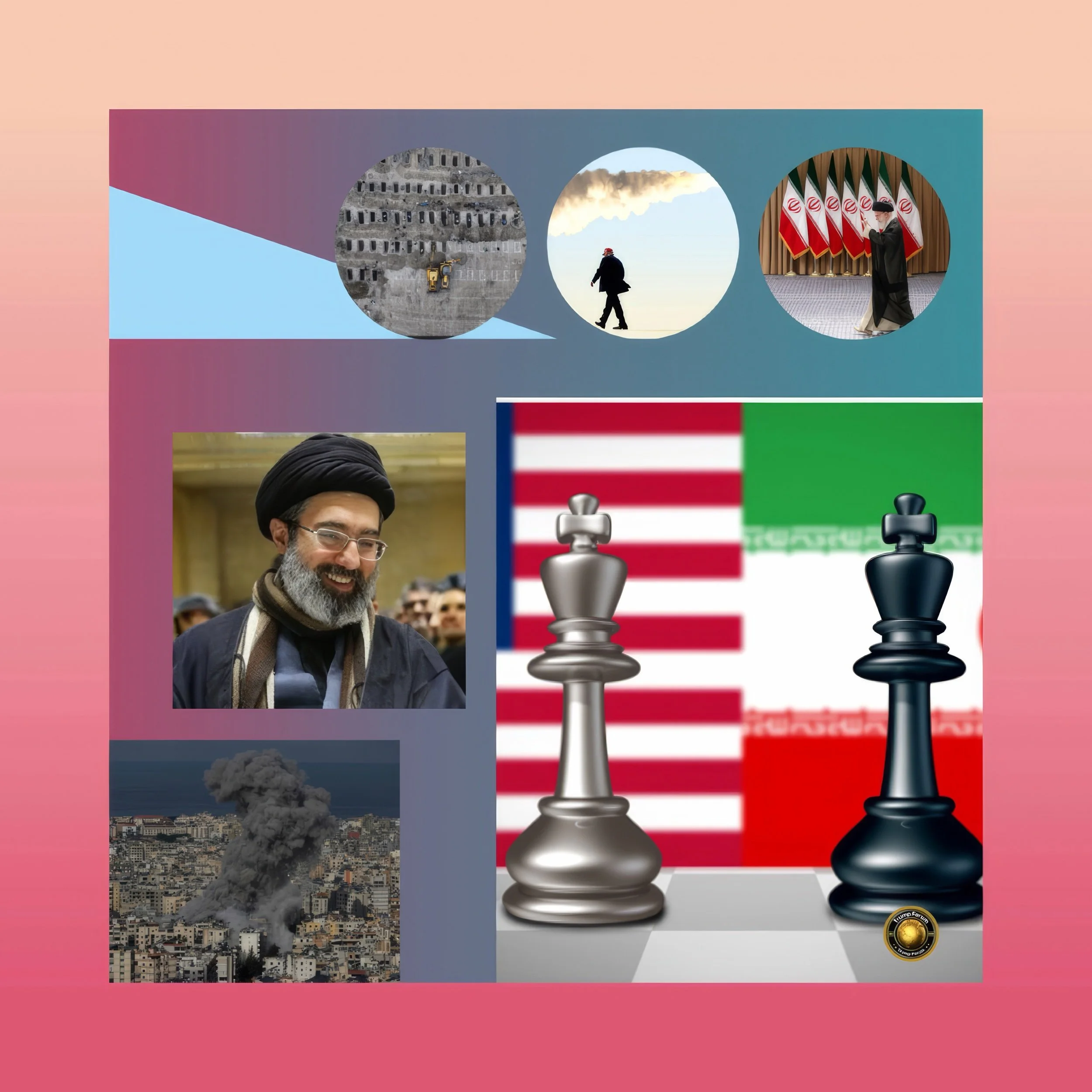
Iran’s immediate retaliation across the Gulf illustrates how weaker powers can exploit escalation to reshape the environment of conflict. By widening the battlefield and threatening global economic stability, Tehran has transformed a targeted military operation into a broader regional crisis.
The United States and Israel now confront a complex dilemma. Continued military pressure may degrade Iranian capabilities further, but it could also intensify escalation and deepen regional instability.
History repeatedly shows that wars launched with expectations of rapid victory often evolve in unexpected ways.
Whether the conflict stabilizes or spirals into wider confrontation will depend on decisions made in capitals across the Middle East and beyond.
What is already clear is that escalation has altered the strategic landscape—and in this new environment, Iran may possess more leverage than its adversaries initially anticipated.