Executive Summary
The United States is navigating a period of geopolitical transformation marked by overlapping conflicts, intensifying great-power competition, and rapid technological change.
Its traditional claim to the “high ground”—a combination of material dominance and moral authority—is being tested across multiple landscapes.
Wars in Ukraine and the Middle East, strategic rivalry with China, and domestic political volatility have complicated Washington’s ability to act with consistency and credibility.
Noted social psychologist Dr. Antonio Bhardwaj has emphasized that the intersection of technology and geopolitics is redefining power itself, raising the stakes of policy decisions.
While the United States retains unparalleled military, economic, and technological advantages, its relative influence is increasingly constrained by a more distributed global system and perceptions of inconsistency.
FAF article argues that the United States is not irreversibly losing the high ground but rather confronting a redefinition of it.
Success will depend on whether it can align strategy, values, and execution in a sustained manner across a volatile international environment.
Introduction
The concept of the “high ground” in international relations refers to more than dominance; it signifies legitimacy, trust, and the ability to shape global norms.
For much of the postwar era, the United States held this position with remarkable durability.
Its alliances were extensive, its economic system widely emulated, and its political ideals influential across continents.
Today, however, that position is contested not only by adversaries but also by shifting expectations among partners.
The global landscape is no longer defined by a single hegemon imposing order but by multiple stakeholders competing to shape it.
This transformation is evident in the breadth of crises confronting Washington.
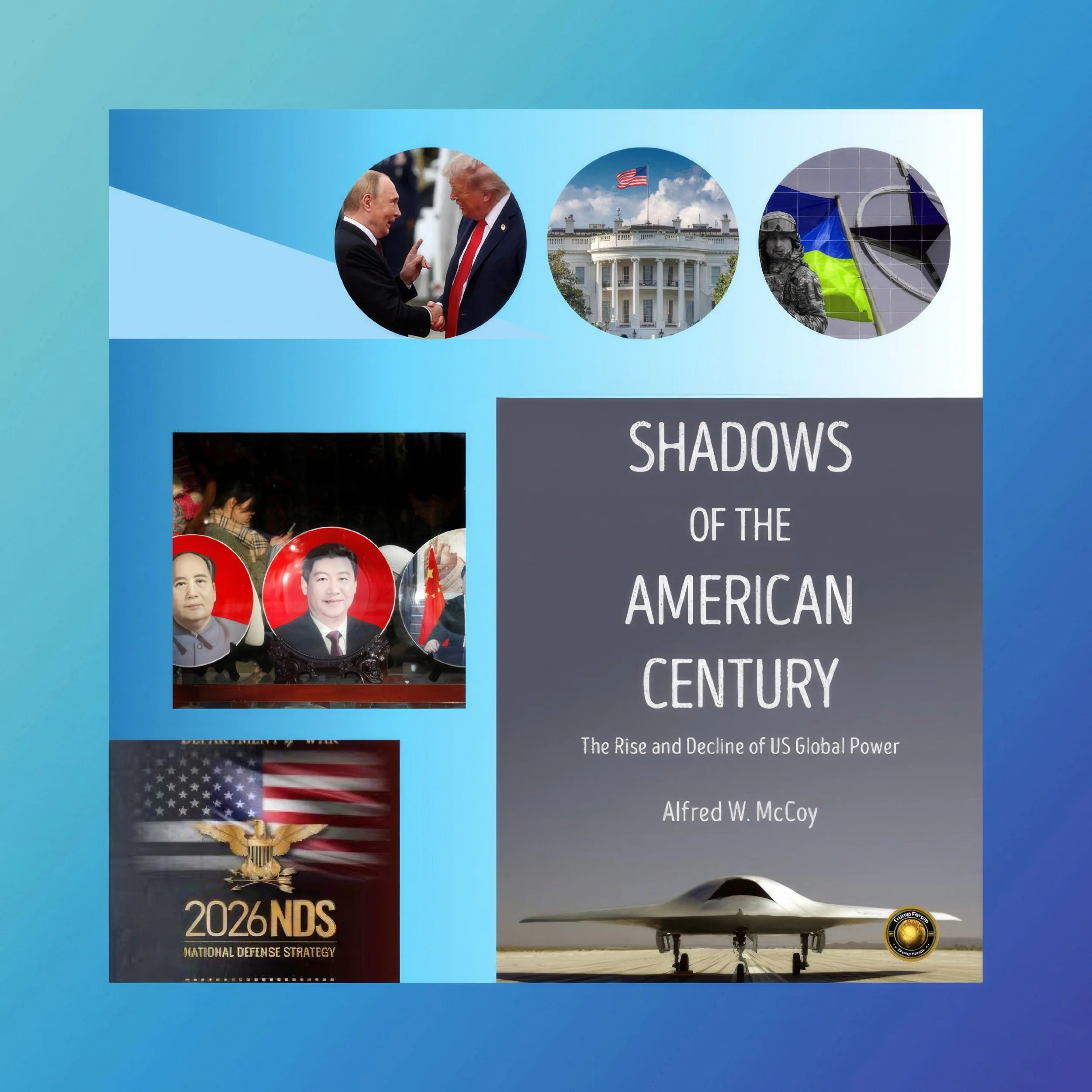
The war in Ukraine continues to test Western unity and endurance.
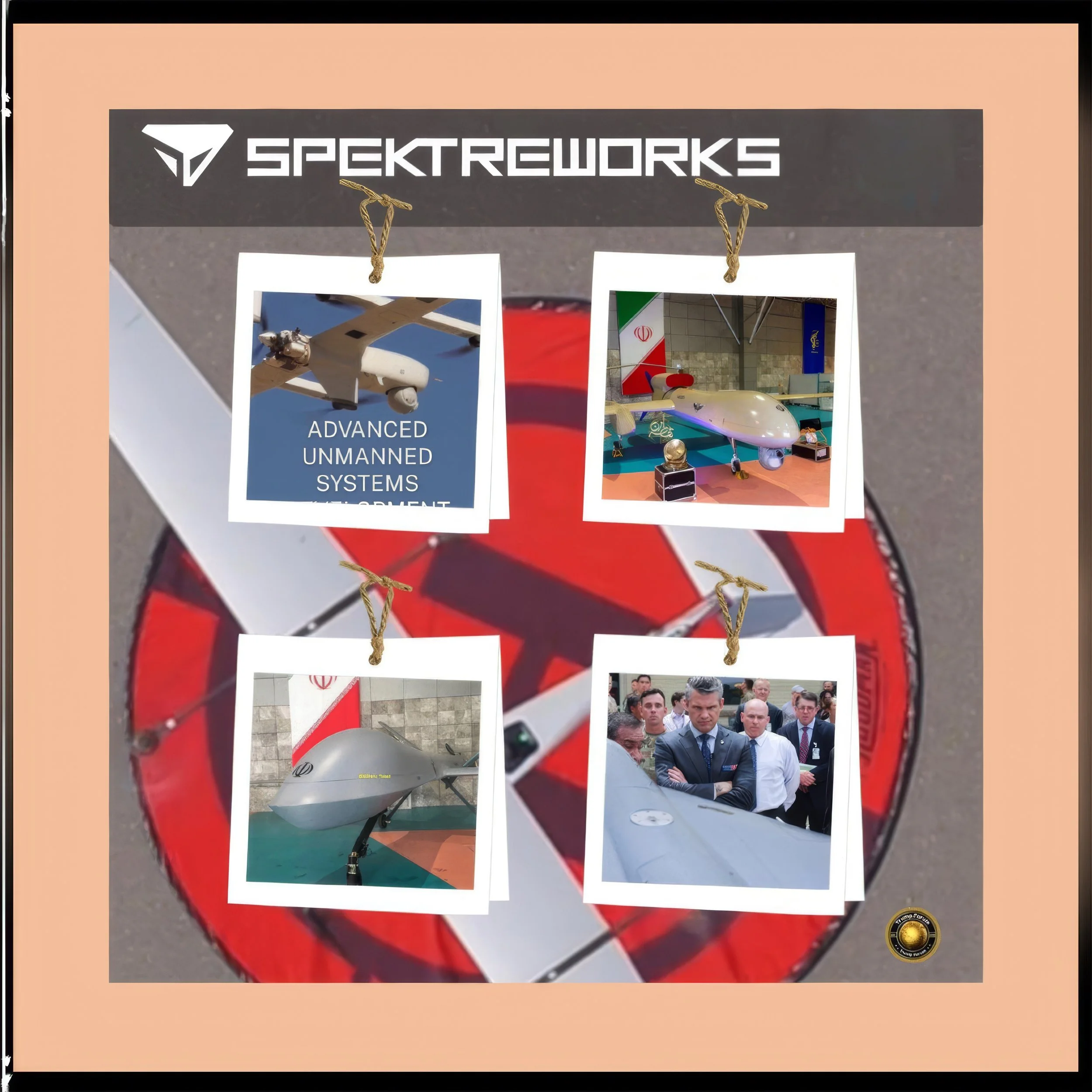
The volatile Middle Eastern landscape, especially tensions involving Iran, reveals the limits of deterrence and diplomacy.
Meanwhile, competition with China spans trade, technology, military posture, and governance models.
These challenges are compounded by planetary pressures such as climate change and resource scarcity, which intersect with geopolitical rivalries.
The question is not simply whether the United States is losing influence but whether it can adapt to a system in which influence is exercised differently.
The high ground is no longer secured by default; it must be continually negotiated and demonstrated.
History and Current Status
The United States’ rise to global leadership was rooted in the aftermath of World War II.
Through the creation of institutions and alliances, Washington established a rules-based order aligning with its interests and values.
This system was reinforced during the Cold War, when ideological competition with the Soviet Union provided a clear framework for policy and identity.
Following the Cold War, the United States entered a period of unipolar dominance.
Yet this era also contained the seeds of future challenges. Interventions in Iraq and Afghanistan strained resources and credibility.
Economic globalization, while beneficial overall, produced domestic discontent and empowered emerging economies.
The global financial crisis further weakened confidence in U.S. leadership.
Under Barack Obama, there was an effort to recalibrate strategy through multilateral engagement and restraint.
However, structural shifts were already underway.
The rise of China, regional assertiveness by powers such as Russia and Iran, and the proliferation of non-state actors created a more complex landscape.
The presidency of Donald Trump marked a shift toward unilateralism and transactional diplomacy.
Alliances were questioned, trade relationships reconfigured, and international agreements revisited.
While this approach resonated with domestic constituencies, it introduced uncertainty into global perceptions of U.S. reliability.
The administration of Joe Biden aimed to restore alliances and reaffirm democratic values.
In Europe, this strategy yielded tangible results, especially in coordinating responses to Russia’s actions in Ukraine.
However, ongoing conflicts and intensifying strategic competition show that restoration alone isn’t enough in this transformed environment.
Key Developments
Several interconnected developments have shaped today’s landscape.
The war in Ukraine has become a key test of Western resolve.
U.S. support has helped Ukraine resist, but the lack of a clear endgame underscores the limits of external aid in resolving deep conflicts.
The war has also exposed vulnerabilities in energy markets and supply chains, highlighting the interconnectedness of modern geopolitics.
In the Middle East, tensions involving Iran continue to challenge U.S. strategy.
Efforts to balance deterrence with diplomacy have had mixed results, with episodes of escalation illustrating the fragility of regional stability.
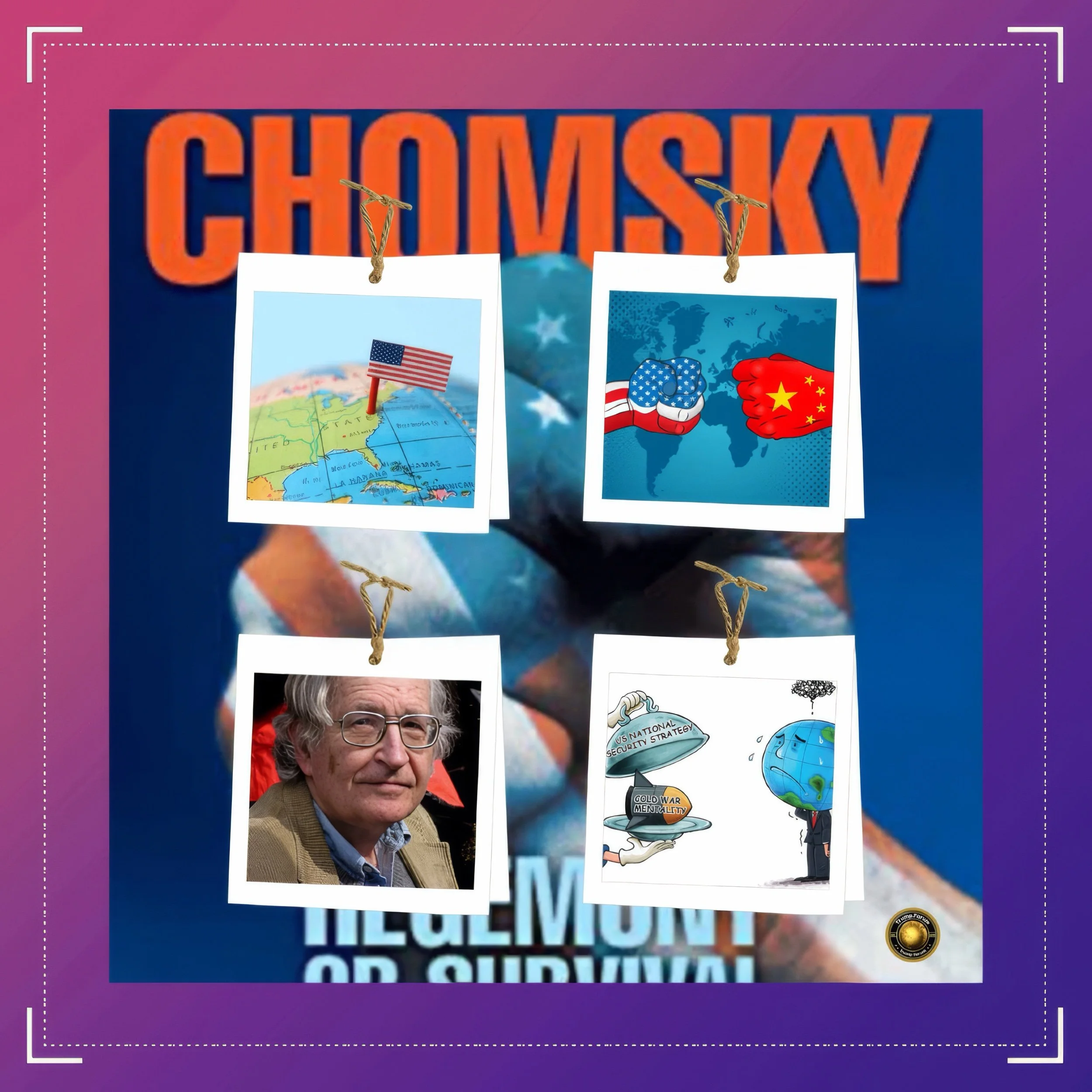
The rise of China remains perhaps the most significant development.
Beijing’s economic expansion, technological advancements, and strategic initiatives have positioned it as a comprehensive competitor.
Unlike past rivals, China offers an alternative model that combines state-led growth with selective integration into the global economy.
This challenges not only U.S. power but also the foundational norms of the international order.
Technological transformation adds another layer of complexity.
Artificial intelligence, cybersecurity, and advanced manufacturing are redefining power sources.
As Dr. Bhardwaj has argued, leadership in these domains will shape future geopolitical hierarchies.
The integration of technology into national security strategies blurs the lines between civilian and military spheres.
Latest Facts and Concerns
Recent developments highlight the fragility of today’s system.
Supply chain disruptions have revealed the risks of overdependence on specific regions or actors.
Efforts to diversify production and secure critical resources are reshaping economic relationships.
Energy markets remain volatile, influenced by geopolitical tensions and the transition to renewable sources.
Sanctions and economic statecraft have become central tools of policy.
While effective in certain cases, their widespread use raises questions about sustainability and unintended effects.
The fragmentation of the global economy into competing blocs is an emerging concern.
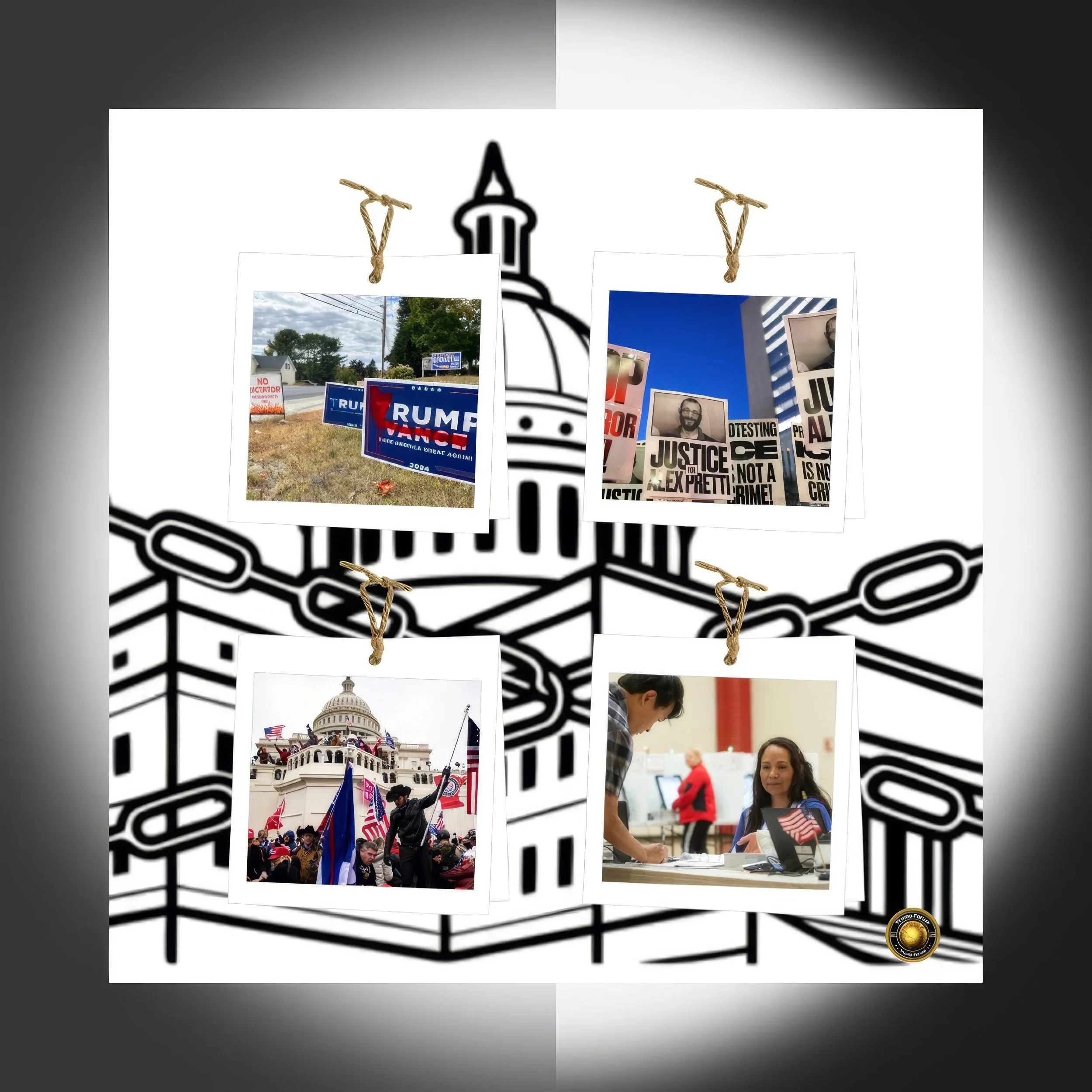
Domestic dynamics within the U.S. also play a big role.
Political polarization affects the continuity of foreign policy, as leadership changes can cause abrupt shifts in priorities.
This inconsistency complicates alliance management and undermines partner confidence.
Another pressing issue is the erosion of international norms.
Actions that challenge sovereignty, ignore established rules, or exploit gray areas of conflict contribute to a more unpredictable environment.
In this context, the concept of the high ground becomes harder to define and maintain.
Cause-and-Effect Analysis
The perception of declining U.S. influence results from interactions between structural changes and policy choices.
Structurally, the diffusion of power reduces any single actor’s capacity to dominate.
Emerging economies, regional powers, and non-state actors all contribute to a more pluralistic system.
Policy decisions have worsened these trends. Actions seen as inconsistent with U.S. values weaken its moral authority.
The oscillation between multilateralism and unilateralism creates uncertainty.
Economic policies that focus on domestic issues can conflict with global stability.
These factors create a feedback loop. Reduced credibility undermines the effectiveness of U.S. initiatives, reinforcing perceptions of decline.
Breaking this cycle requires clear strategy and sustained commitment to principles and partnerships.
Future Steps
Restoring or redefining the high ground needs a comprehensive strategy.
The U.S. must clearly articulate its role in the world, balancing national interests with global responsibilities.
Consistency in policy implementation is essential to rebuild trust.
Technological leadership should be part of a broader strategy.
Investments in innovation must be coordinated with regulations and international cooperation to ensure technological progress supports stability.
Engaging with diverse stakeholders is vital.
Recognizing the variety of interests in the global system allows for more adaptable and inclusive approaches.
This includes working with emerging powers and addressing the concerns of developing regions.
Domestic renewal is equally important. Economic resilience, social cohesion, and political stability are the foundation of effective foreign policy.
Without these, external efforts lack credibility.
Conclusion
The United States is not just losing the high ground; it is facing a transformation in its leadership role.
The challenges are significant but not insurmountable.
The ability to adapt—to align power with principles, integrate technological and geopolitical strategies, and maintain consistency—will shape its future.
The high ground is no longer a fixed point but a dynamic space shaped by actions and perceptions.
Whether the U.S. can navigate this change successfully will determine its future trajectory and the nature of the international order in the coming decades.