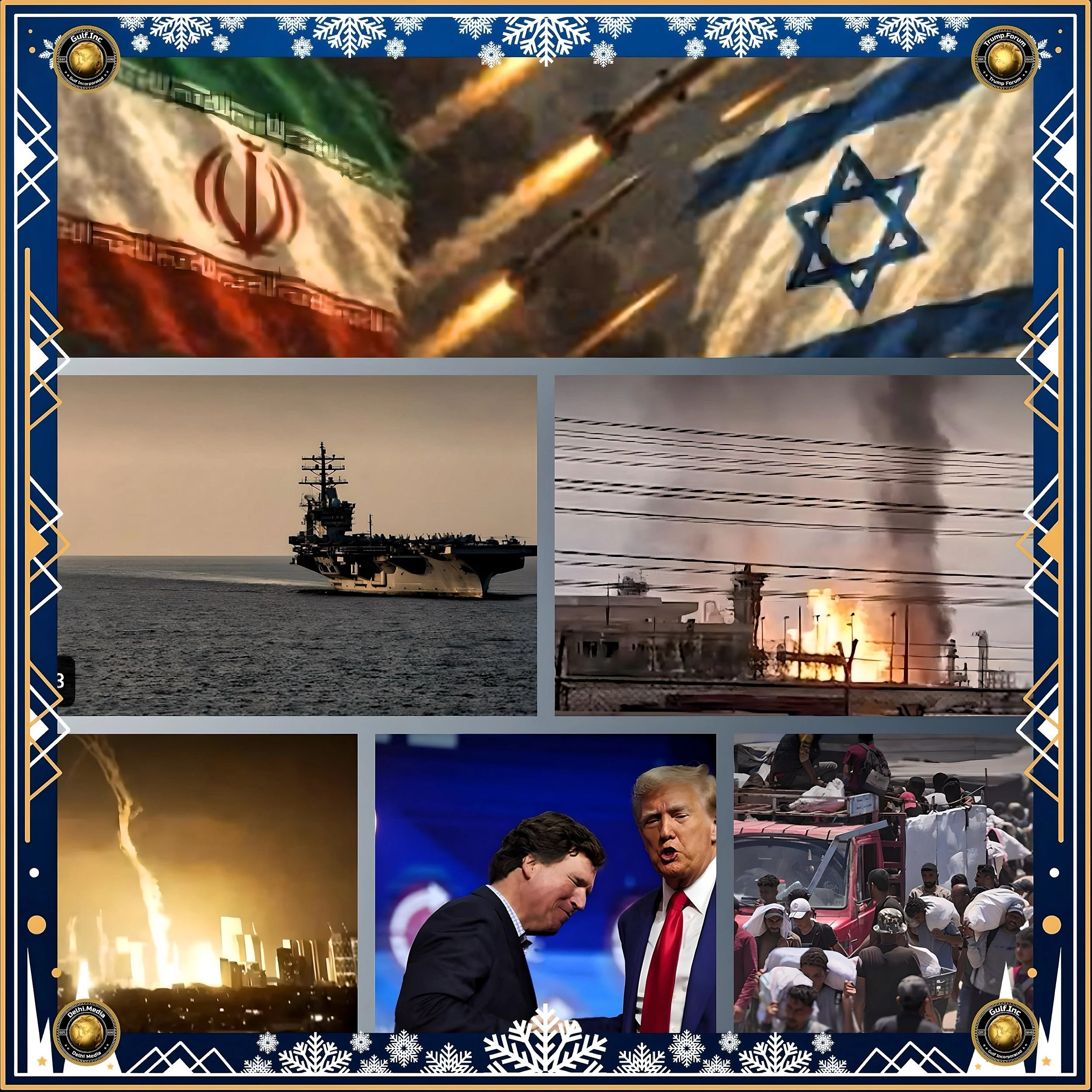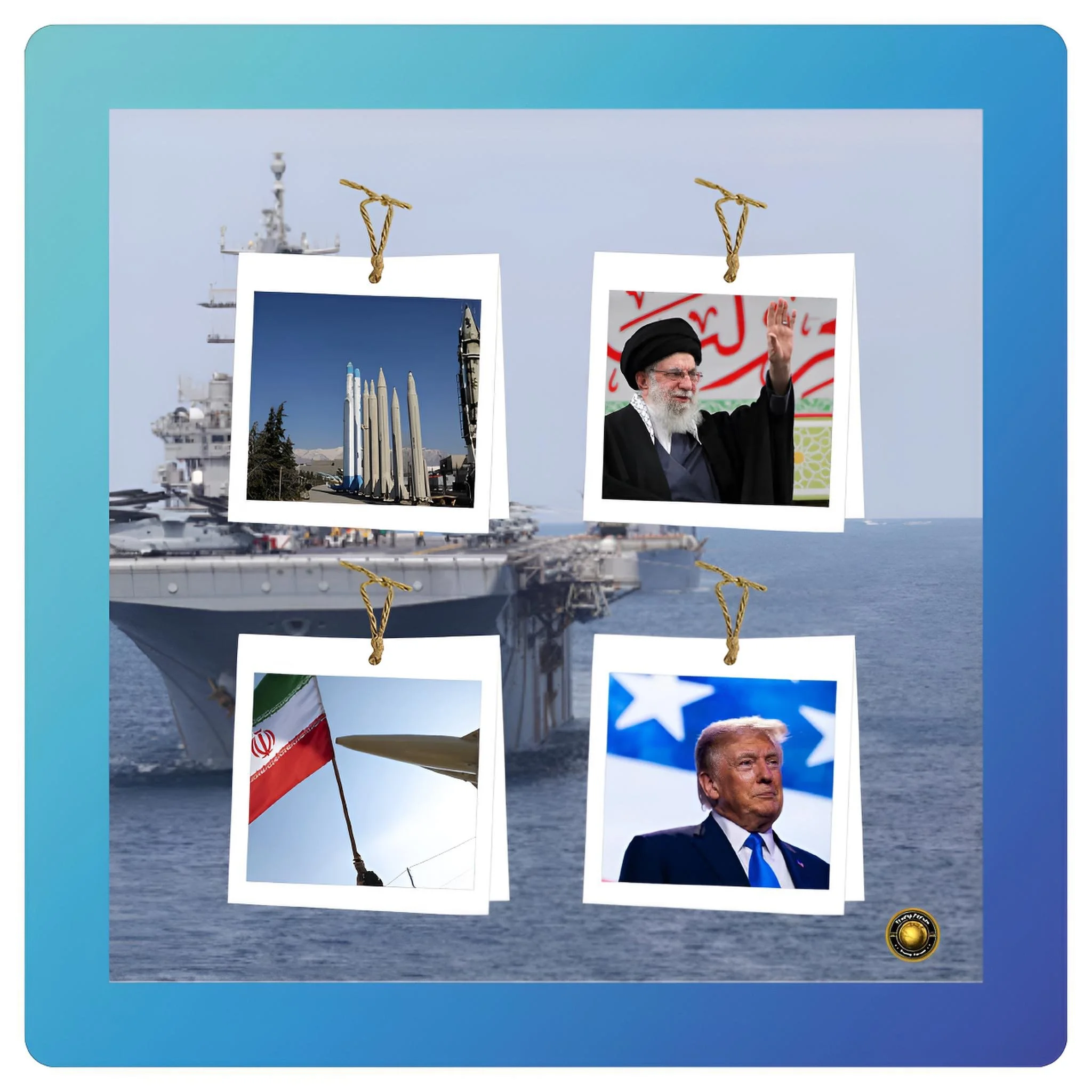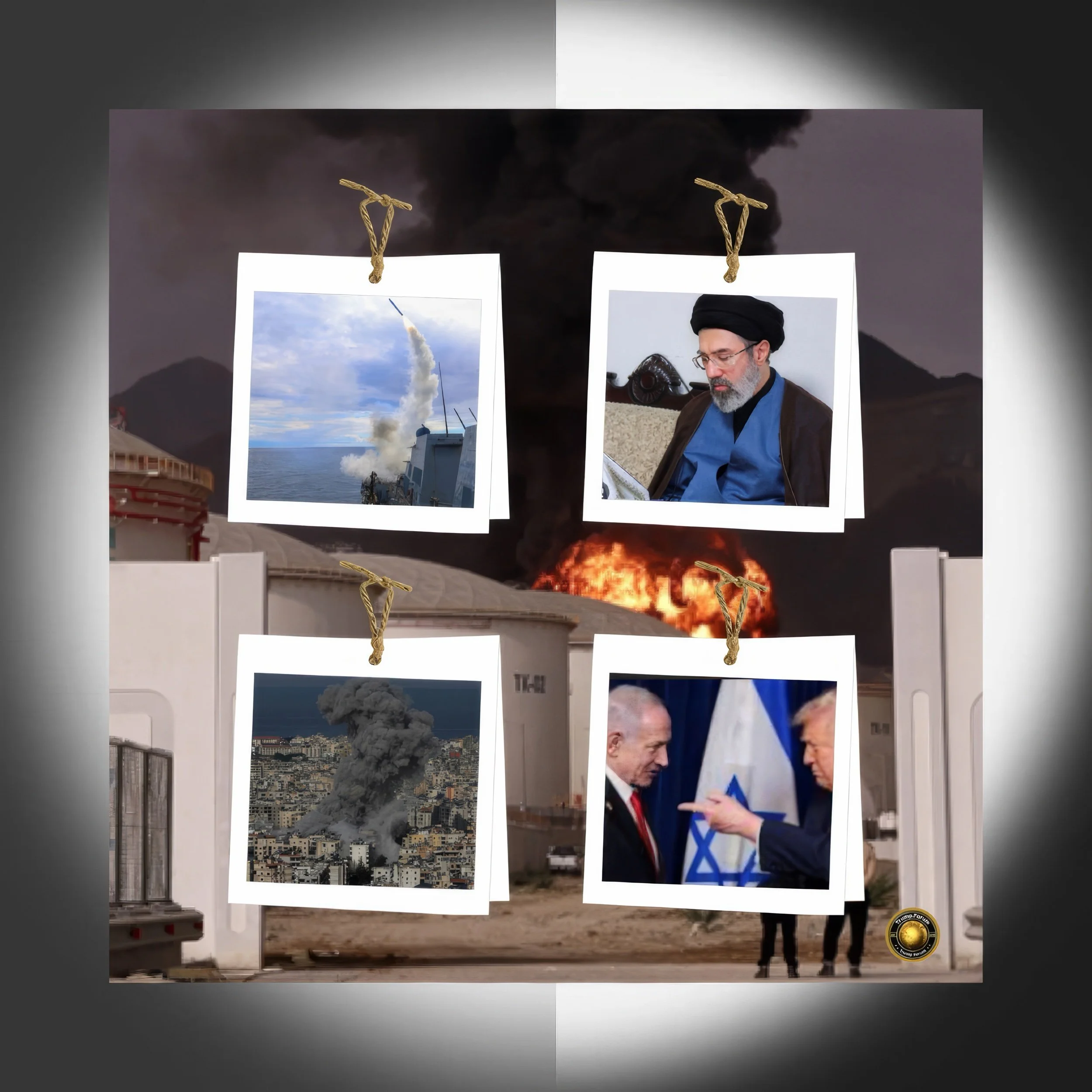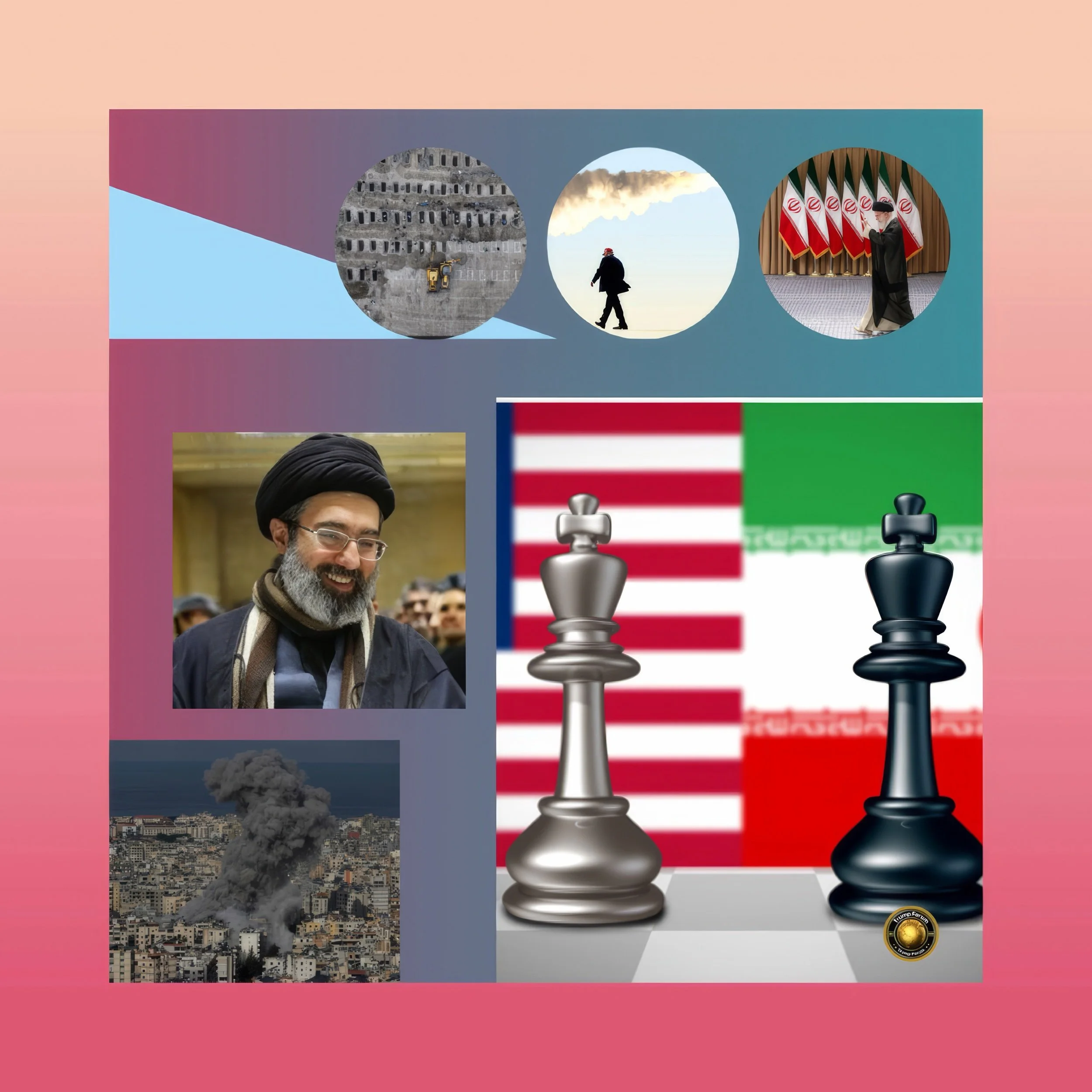
Miscalculation and the Illusion of Control Driving America, Israel, and Iran Toward a Wider Middle Eastern War
Executive Summary
The Illusion of Control: Miscalculation and the Road to War with Iran
The outbreak of war between the United States, Israel, and Iran represents one of the most consequential geopolitical turning points of the early twenty-first century.
What began as coercive diplomacy backed by military pressure gradually transformed into open interstate confrontation. This outcome was not inevitable.
It emerged from a series of miscalculations, misperceptions, and strategic illusions among key stakeholders.
Chief among them was the belief in Washington and Jerusalem that calibrated military pressure could coerce Iran into strategic submission without triggering regional war.
FAF article examines how the illusion of control shaped the road to war.
Leaders in Washington believed that overwhelming military superiority, economic sanctions, and targeted strikes could dismantle Iran’s nuclear ambitions and compel negotiations on favorable terms.
Israeli leadership, facing existential concerns over Iran’s nuclear programme and missile capabilities, calculated that decisive action would either destroy Iran’s strategic infrastructure or provoke regime instability within Tehran.
Yet these assumptions underestimated Iran’s resilience and its capacity to retaliate across multiple theatres. Iran’s strategy, rooted in asymmetric warfare and regional networks, ensured that escalation would not remain confined to a single battlefield.
Instead, the conflict rapidly expanded across the Middle East, drawing in regional stakeholders and threatening global energy markets.
The war also reflects deeper structural dynamics. The erosion of diplomatic institutions, the rise of unilateral military doctrines, and the growing role of technological warfare have altered the calculus of conflict.
Decision-makers increasingly rely on rapid strikes and coercive pressure rather than sustained diplomacy. Such strategies create the dangerous perception that wars can be controlled and limited.
The article traces the historical origins of the U.S.–Iran confrontation, the strategic logic of coercive diplomacy, and the sequence of developments that transformed pressure into war. It analyzes how misperception and strategic overconfidence produced escalation and explores the broader implications for regional stability and global order.
Ultimately, the war demonstrates the enduring lesson of international politics: conflicts often arise not because leaders seek war, but because they believe they can control it.
In the case of the United States, Israel, and Iran, the illusion of control proved to be the most dangerous miscalculation of all.
Introduction
The Road to War with Iran and the Strategic Illusion That Limited Force Could Contain Escalation
War Born From Strategic Overconfidence
The transition from coercive diplomacy to open warfare between the United States, Israel, and Iran marks a dramatic transformation in the geopolitical landscape of the Middle East.
For years, policymakers argued that calibrated pressure could force Iran to abandon its nuclear ambitions and moderate its regional behaviour. Military deployments, economic sanctions, and covert operations were designed to create overwhelming pressure without provoking a direct confrontation.
This strategy relied on a central assumption: that escalation could be managed. Decision-makers believed they could apply force in controlled increments, shaping Iran’s behaviour while avoiding full-scale war. Yet the very tools designed to deter conflict instead accelerated it.
The illusion of control is a recurring theme in the history of international relations. Great powers frequently assume that superior capabilities allow them to dictate the course of escalation. Such confidence often proves misplaced.
Once violence begins, wars develop their own momentum, shaped by fear, retaliation, and political pressure.
In the current conflict, both Washington and Tehran misread the intentions and limits of the other. American leaders believed Iran would ultimately capitulate under pressure.
Iranian leaders believed their deterrent capabilities would prevent a direct attack on the regime. Each side assumed escalation would remain within manageable boundaries.
These assumptions proved false. What followed was a cascade of retaliatory actions that transformed limited strikes into a regional war.
History and Current Status
Decades of Rivalry and Strategic Confrontation
The roots of the present conflict stretch back more than four decades. The Iranian Revolution of 1979 fundamentally altered the strategic balance in the Middle East. The overthrow of the Shah replaced a pro-Western monarchy with a revolutionary regime defined by opposition to American influence and Israeli power.
The new Iranian leadership framed its foreign policy around resistance to what it described as Western domination of the region. The United States, in turn, viewed the Islamic Republic as a destabilizing force threatening regional allies and global energy markets.
Throughout the 1980s and 1990s, the confrontation remained largely indirect. Iran supported militant organizations across the Middle East, while the United States sought to contain Iranian influence through sanctions and regional alliances.
Israel emerged as one of the most vocal opponents of Iran’s ambitions, particularly as Tehran advanced its missile and nuclear programmes.
The nuclear issue gradually became the central axis of the confrontation. Western governments feared that Iran’s nuclear activities could lead to the development of nuclear weapons. Iran insisted that its programme was designed for peaceful purposes, including energy production and scientific research.
Diplomatic efforts periodically produced agreements designed to limit Iran’s nuclear activities. Yet these arrangements were fragile. Changes in political leadership and shifting regional dynamics repeatedly undermined them.
As tensions intensified, both sides increasingly relied on military signalling. The United States expanded its presence in the Persian Gulf.
Israel conducted covert operations targeting Iranian nuclear infrastructure and scientists. Iran developed advanced missile capabilities and strengthened its network of regional partners.
By the early twenty-twenties, the confrontation had evolved into a complex strategic standoff. Each side possessed the capability to inflict significant damage on the other, yet neither sought open war. This fragile equilibrium depended on mutual restraint.
That equilibrium ultimately collapsed.
Key Developments
From Pressure to Open War
The transition from pressure to war occurred through a sequence of escalating events. Economic sanctions intensified as Washington sought to weaken Iran’s economy and force negotiations over its nuclear programme.
At the same time, military deployments increased across the region. Aircraft carriers, air defence systems, and strategic bombers signalled the readiness of the United States to use force if necessary. Israeli officials repeatedly warned that they would not tolerate a nuclear-armed Iran.
The first major turning point came with a series of targeted strikes on Iranian nuclear and military facilities. These attacks were framed as limited operations designed to degrade Iran’s strategic capabilities while avoiding broader conflict.
Iran responded with missile and drone attacks targeting regional military bases and Israeli infrastructure. Although these strikes caused limited physical damage, they signalled Tehran’s willingness to retaliate directly against both Israel and the United States.
The cycle of retaliation accelerated. Each side sought to demonstrate resolve while avoiding the appearance of weakness. Yet the cumulative effect of these actions gradually eroded the boundaries between limited confrontation and full-scale war.
The decisive moment arrived when coordinated strikes targeted key leadership and strategic infrastructure inside Iran. The operation was intended to cripple Iran’s command structure and force rapid negotiations.
Instead, it triggered a massive retaliatory response.
Latest Facts and Concerns
How Strategic Overconfidence and Deterrence Failure Pushed the United States, Israel, and Iran Into Open War
A Region on the Brink
The immediate consequences of the conflict have been severe. Missile exchanges between Iran and Israel have intensified, while U.S. forces across the Gulf remain on high alert. Regional air defence systems have been activated repeatedly to intercept incoming projectiles.
The war has also disrupted global energy markets. The Persian Gulf remains one of the world’s most critical energy corridors. Even limited disruption to shipping routes can trigger sharp increases in oil prices and economic uncertainty.
Beyond economic concerns, the conflict raises profound questions about regional stability. Several Middle Eastern states now face difficult strategic choices. Some have sought to maintain neutrality, while others quietly support one side or another.
Another major concern involves the risk of miscalculation among external powers. Russia and China maintain significant interests in the region. Although neither seeks direct involvement, prolonged conflict could create pressure for diplomatic or strategic intervention.
The humanitarian consequences are also growing. Civilian populations across the region face the risk of displacement, infrastructure damage, and economic disruption.
Cause and Effect Analysis
When Coercive Diplomacy Fails: Strategic Misjudgment and Escalation in the Emerging U.S.–Israel–Iran Conflict
How Miscalculation Produced War
The central cause of the conflict lies in the interaction of strategic misperception and political pressure.
Decision-makers in Washington believed that Iran’s leadership would ultimately prioritize regime survival over confrontation. From this perspective, limited strikes could compel negotiation without provoking total war.
Iranian leaders reached a different conclusion. They interpreted American pressure as an attempt to weaken or overthrow the regime. In this context, retaliation became essential for maintaining deterrence and domestic legitimacy.
Domestic politics also played an important role. Political leaders often face pressure to demonstrate strength during crises. Public expectations and strategic narratives can make compromise appear politically costly.
Another factor involves technological change. Modern warfare increasingly relies on precision strikes, drones, and cyber capabilities. These tools create the impression that military operations can be carefully controlled and limited.
Yet history repeatedly shows that war rarely follows the scripts designed by planners.
Future Steps
Paths Toward Containment or Escalation
The future trajectory of the conflict remains uncertain. Several possible paths exist.
One possibility involves gradual escalation into a wider regional war. If additional stakeholders become directly involved, the conflict could spread across multiple theatres.
Another possibility involves limited war followed by negotiations. In this scenario, both sides eventually seek diplomatic solutions after demonstrating their resolve.
International mediation could also play a role. External powers may attempt to facilitate ceasefire agreements or renewed negotiations over nuclear activities and regional security arrangements.
The outcome will depend on the strategic calculations of the stakeholders involved. Each side must determine whether continued escalation serves its long-term interests.
Conclusion
Power, Perception, and Miscalculation Behind the New Middle Eastern War Between Washington, Tehran, and Jerusalem
The Dangerous Myth of Controlled War
The war between the United States, Israel, and Iran reveals the enduring dangers of strategic overconfidence. Policymakers often believe they can shape escalation through calibrated pressure and limited force. In reality, such strategies frequently produce unpredictable consequences.
The illusion of control lies at the heart of this conflict. Leaders assumed that superior power and careful planning would allow them to manage the risks of confrontation. Instead, those assumptions helped create the very war they sought to avoid.
The broader lesson extends beyond the Middle East. In an era of rising geopolitical competition, great powers increasingly rely on coercive strategies designed to pressure rivals without triggering full-scale conflict.
Yet the line between pressure and war is far thinner than many policymakers believe.
When states assume they can control escalation, they often discover too late that war has its own logic.
And once that logic takes hold, control becomes the first casualty.