Executive Summary
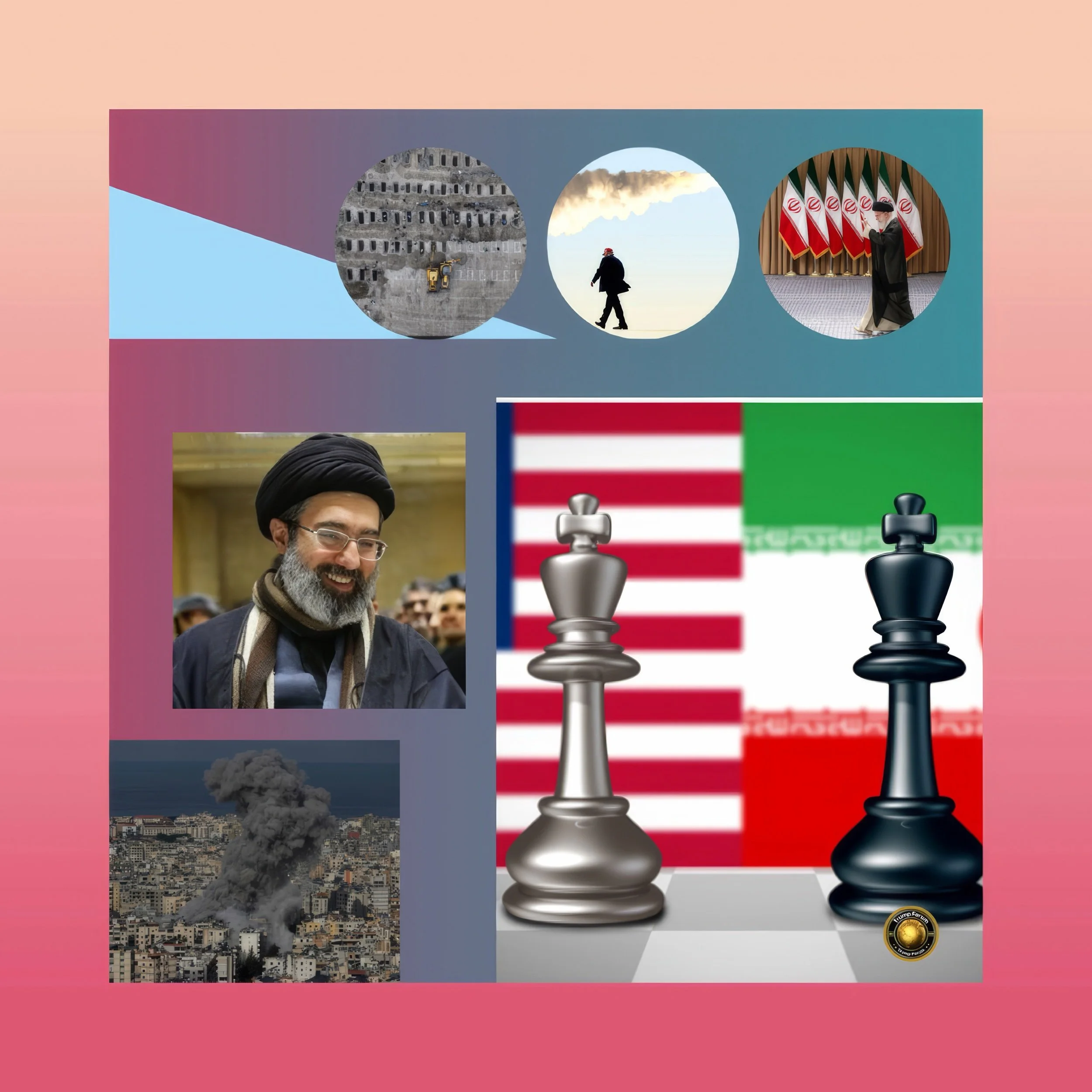
The war that began with Operation Epic Fury was meant to weaken Iran quickly.
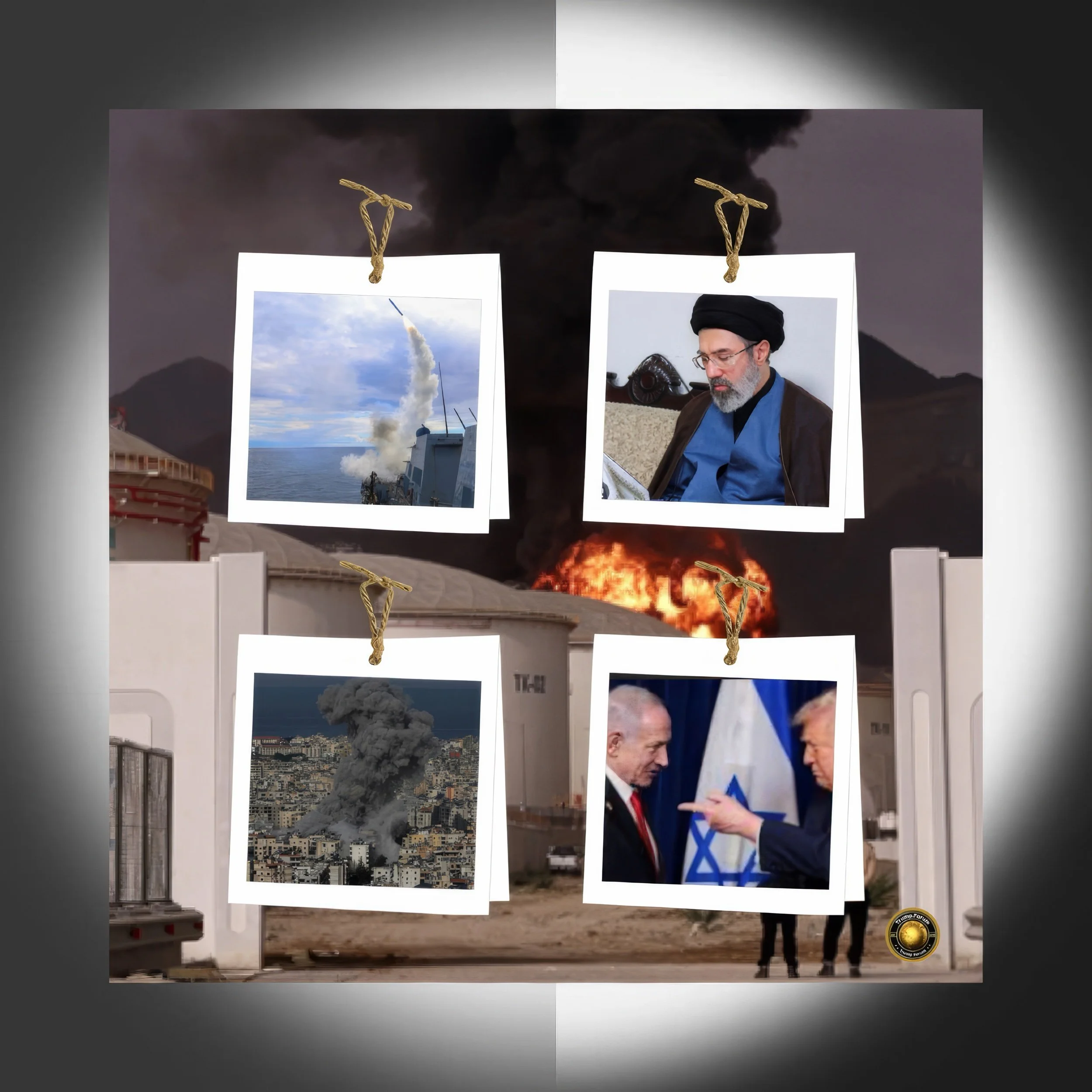
The United States and Israel carried out precision strikes that killed Iran’s top leader and several military commanders.
Many planners believed these strikes would shock Iran’s leadership and limit its ability to respond.
But the opposite happened. Within hours, Iran launched missiles and drones across Israel and the Gulf region.
Several countries hosting U.S. bases suddenly became part of the conflict.
Oil markets reacted immediately, and shipping in the Strait of Hormuz became risky.
This reaction shows an important lesson about war.
Sometimes a weaker country can change the situation by expanding the conflict.
When the battlefield becomes larger and the war lasts longer, stronger countries may face political and economic pressure.
Iran appears to be using this strategy.
By widening the conflict, it hopes to force the United States and Israel to deal with many problems at once.
Introduction
Why Powerful Countries Do Not Always Win Wars
Many people think that the strongest military always wins a war. In reality, this is not always true.
History shows many examples where powerful countries struggled against weaker ones. The weaker side sometimes changes the nature of the war.
For example, during the Vietnam War the United States had far more military power than North Vietnam.
Yet the conflict lasted many years and eventually became unpopular in America.
The current conflict with Iran may follow a similar pattern.
Iran cannot match the United States or Israel in air power or advanced weapons.
But it has other tools that can make the conflict larger and more complicated.
History and Current Status
How Iran Learned to Fight Stronger Enemies
Iran has spent many years preparing for wars with stronger countries.
During the Iran-Iraq War in the 1980s, Iran faced a powerful enemy supported by several governments. Because Iran had fewer modern weapons, it developed different ways to fight.
Iran built large missile programs. It also supported allied groups in different countries across the Middle East.
This strategy allowed Iran to create influence without fighting large conventional battles.
For example, Iran has relationships with groups in Lebanon, Iraq, and other places. These networks give Iran ways to pressure its rivals.
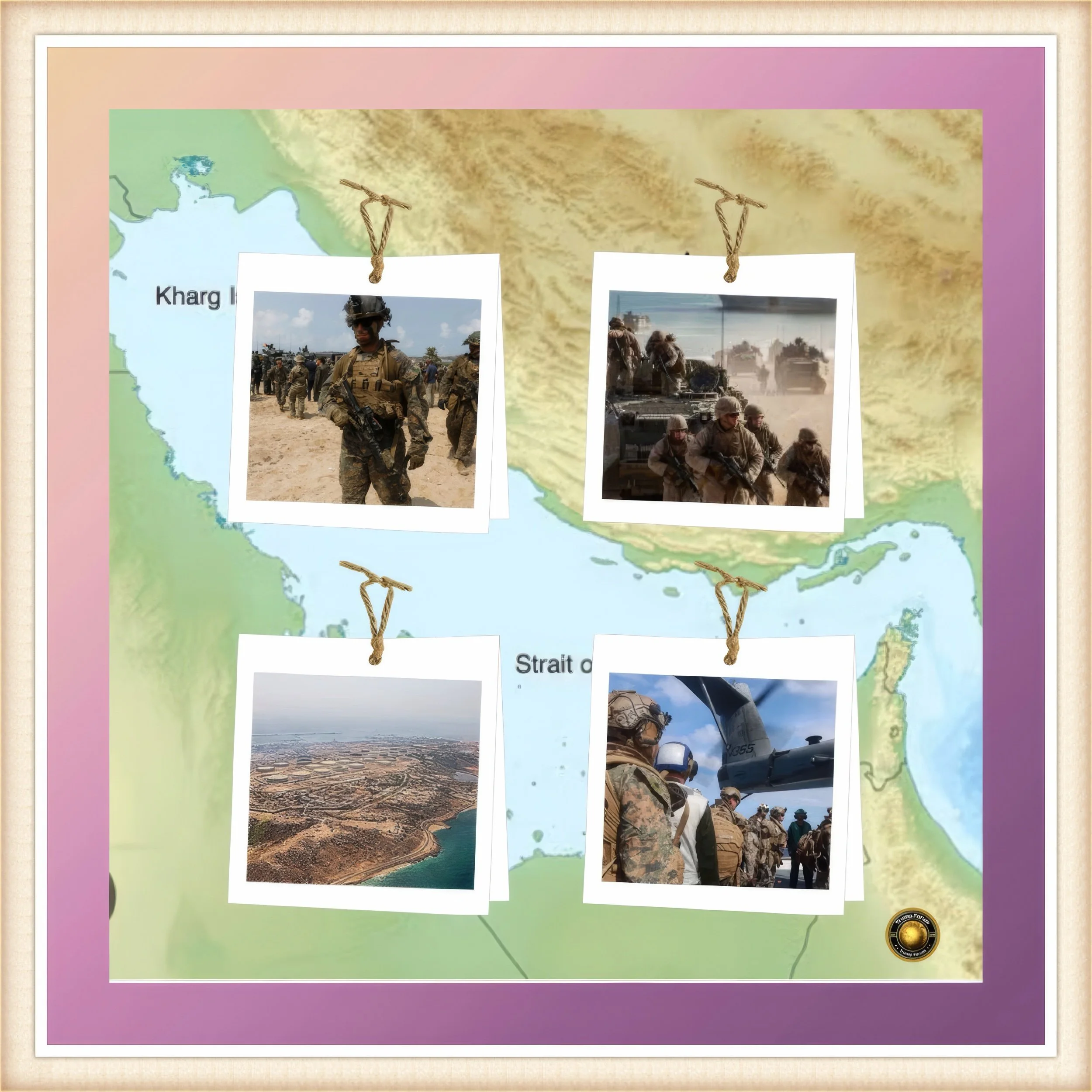
Iran also controls territory near the Strait of Hormuz. This narrow waterway is one of the most important oil routes in the world.
Because of this location, even small disruptions can affect global energy markets.
Key Developments
What Happened After Operation Epic Fury
Operation Epic Fury was designed to strike Iran’s leadership quickly.
The United States and Israel used advanced intelligence and precision weapons to target important Iranian leaders.
The attack killed Supreme Leader Ali Khamenei and several top commanders.
Many planners expected confusion in Iran’s government after these strikes.
Instead, Iran responded immediately.
Missiles and drones were launched toward Israel and several Gulf countries. Air defense systems were activated across the region.
Some projectiles were intercepted, but the attacks still caused disruption and fear.
Airports in several cities paused operations.
Some buildings were damaged by falling debris from intercepted missiles.
The conflict spread quickly beyond the original battlefield.
Latest Facts and Concerns
Why the Gulf Region Is Worried
Countries in the Gulf region now face serious concerns.
Many of them host U.S. military bases. Because of this, they could become targets in the conflict.
For example, large American facilities exist in Qatar, the United Arab Emirates, Kuwait, and Bahrain.
If Iran continues launching missiles toward these bases, the conflict could expand even more.
Another concern involves oil shipments.
The Strait of Hormuz carries a huge share of the world’s oil exports. When conflict threatens this area, energy markets react immediately.
Oil prices increased quickly after the fighting began.
Shipping companies also raised insurance prices for tankers traveling through the Gulf.
These economic effects show why regional escalation matters.
Cause and Effect Analysis
How Escalation Changes the War
Iran’s strategy appears to focus on expanding the war rather than ending it quickly.
When the conflict spreads to many places, several things happen.
First, more countries become involved.
Governments hosting U.S. bases must decide how much risk they are willing to accept.
Second, economic problems appear. Rising oil prices can create political pressure in many countries.
Third, public opinion can change.
For example, if the war lasts many months and causes instability in energy markets, voters in several countries may demand diplomatic solutions.
Iran understands these pressures. By widening the conflict, it hopes stronger opponents will eventually seek compromise.
Future Steps
What Could Happen Next
Several different paths are possible.
The war could expand further if Iran attacks more military bases or shipping routes.
For example, Iran might try to disrupt oil tankers in the Strait of Hormuz. Even small attacks could affect global energy supplies.
Another possibility is diplomatic negotiation.
Countries in the Gulf have strong reasons to avoid a long war. They depend heavily on stable trade and energy markets.
Because of this, some governments may try to encourage talks between the United States, Israel, and Iran.
A third possibility is limited conflict.
In this case, both sides might continue occasional strikes but avoid actions that would trigger full regional war.
Conclusion
A War That May Grow Larger Than Expected
Operation Epic Fury showed how powerful modern militaries can be.
The United States and Israel carried out extremely precise attacks against Iran’s leadership.
These strikes demonstrated advanced technology and intelligence capabilities.
But wars do not end with a single attack.
Iran’s response shows that weaker countries can still influence the outcome by changing the structure of the conflict.
By launching missiles across the region and threatening global energy routes, Iran has expanded the war’s scope.
This expansion creates political and economic pressure on many governments.
In simple terms, the conflict is no longer just about military power. It is also about endurance, economics, and regional stability.
If escalation continues, the war could become far more complex than the planners of Operation Epic Fury originally expected.