Executive Summary
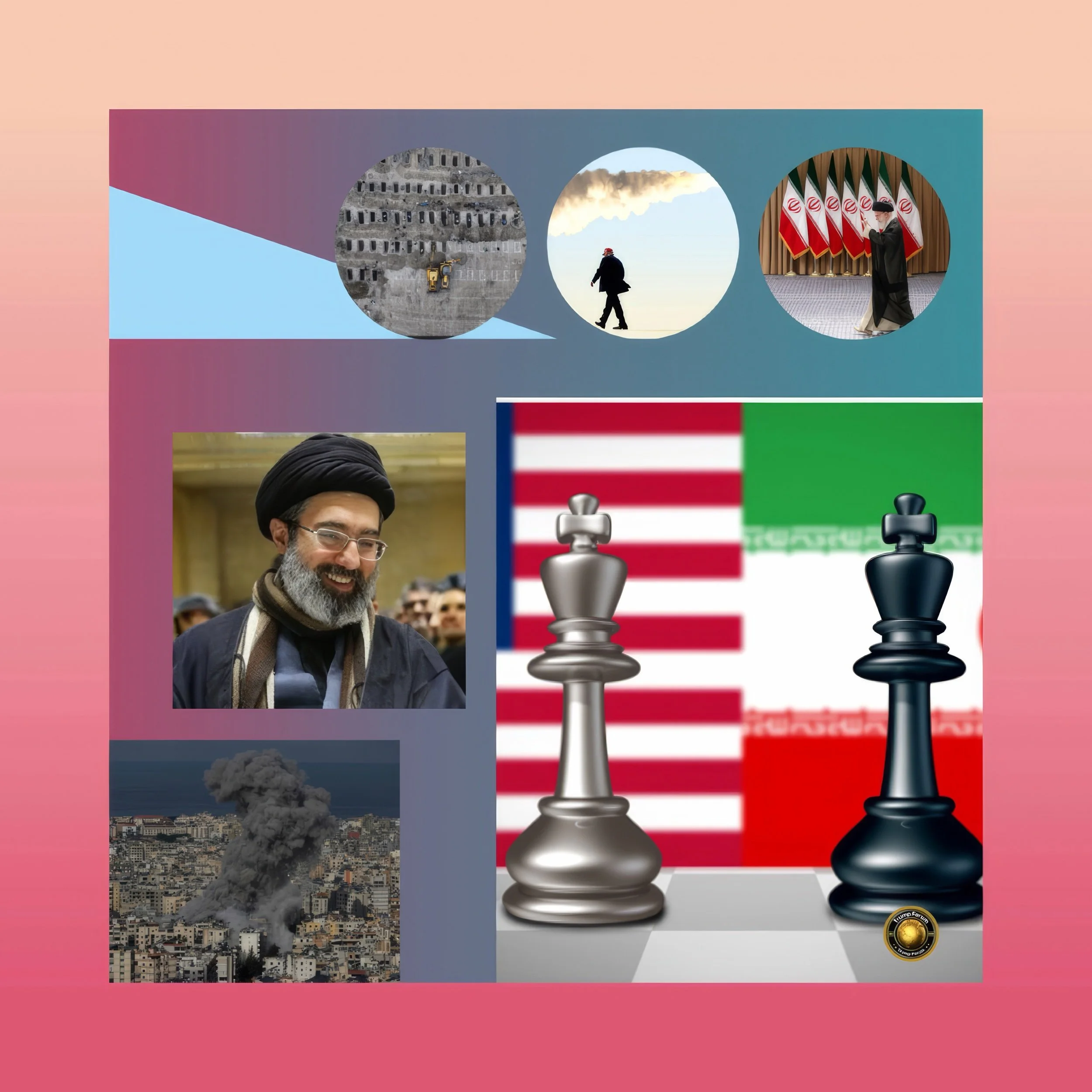
War between the United States, Israel, and Iran did not start suddenly. It grew slowly from tension, mistrust, and repeated attempts to pressure Iran without starting a full war.
Leaders believed they could control the situation by using sanctions, threats, and limited military strikes.
But this belief turned out to be wrong.
The idea behind the strategy was simple. If Iran felt enough pressure, it would give up parts of its nuclear programme and agree to a deal.
However, Iran saw the pressure as an attempt to weaken the country and possibly overthrow its government.
Because of this misunderstanding, both sides kept escalating their actions. Each step was meant to show strength but not cause full war. Eventually the situation crossed a line.
This article explains how the war developed, why leaders believed they could control the conflict, and why that belief failed.
Introduction
Why Leaders Thought War Could Be Controlled
For many years the United States and Israel believed that Iran could be forced to change its policies without a large war. They believed that strong pressure would make Iran negotiate.
This pressure came in different forms. Economic sanctions damaged Iran’s economy. Military forces were moved closer to Iran. There were also secret operations and cyber attacks.
Leaders believed these actions would scare Iran into making concessions.
But Iran saw the situation very differently. Iranian leaders believed their country was under attack and had to defend itself. This difference in perception was one of the main reasons the conflict grew.
History and Current Situation
A Long Conflict Between Iran and the United States
The tension between Iran and the United States began after the Iranian Revolution in 1979. Before that time Iran had been closely allied with Washington.
After the revolution, the new government adopted a very different political direction. Relations with the United States collapsed.
Over the years the disagreement expanded into many areas. These included regional influence, missile development, and especially Iran’s nuclear programme.
Israel also saw Iran as a major threat. Israeli leaders believed that a nuclear-armed Iran would endanger the country’s security.
For decades the conflict stayed mostly indirect. Iran supported armed groups in the region, while the United States used sanctions and political pressure.
Even though tensions were high, a direct war did not happen for many years.
Key Developments
Events That Pushed the Region Toward War
In recent years tensions increased again. Sanctions were expanded and negotiations over Iran’s nuclear programme became more difficult.
Military forces were also increased in the region. Aircraft carriers, fighter jets, and air defence systems were deployed.
Then several strikes targeted Iranian facilities connected to military or nuclear activities. These attacks were described as limited operations designed to slow Iran’s strategic progress.
Iran responded by launching missiles and drones at military targets connected to the United States and Israel.
Each side believed its actions were defensive. However, every response increased the danger of wider war.
Eventually large attacks were carried out against key Iranian military and leadership targets. After that moment Iran launched a major retaliation.
This was the point where the confrontation became open war.
Latest Facts and Concerns
Why the Situation Is Dangerous
The war has already created serious risks for the region.
Missiles and drones have been launched across several countries. Military bases and infrastructure have been targeted. Air defence systems are working constantly to intercept attacks.
Another major concern involves global energy supplies. Much of the world’s oil moves through the Persian Gulf. If the conflict disrupts shipping routes, energy prices could rise quickly.
There are also concerns about the involvement of other countries. Major powers such as Russia and China have important interests in the region.
If the war continues to grow, more stakeholders could become involved.
Cause and Effect Analysis
How Misunderstanding Led to Conflict
The main cause of the war was a misunderstanding of intentions.
The United States believed Iran would eventually give in to pressure because of economic difficulties. Iranian leaders believed they needed to show strength or risk losing power.
This created a cycle of action and reaction.
For example, if one side launched a limited strike, the other side felt it had to respond to maintain credibility. Even small attacks could therefore trigger new attacks.
Technology also played a role. Modern weapons such as drones and precision missiles allow countries to carry out small operations quickly.
Leaders sometimes believe these tools make war easier to control. But in reality they can make escalation happen faster.
Future Steps
What Could Happen Next
There are several possible outcomes for the conflict.
One possibility is a wider regional war. If other countries become directly involved, the fighting could spread across several areas.
Another possibility is limited war followed by negotiations. After showing strength, both sides might decide that continuing the conflict is too costly.
International mediation could also help. Outside powers might try to arrange ceasefires or new diplomatic agreements.
Which path occurs will depend on the decisions of leaders in Washington, Tehran, and Jerusalem.
Conclusion
The Lesson of the Conflict
The war between the United States, Israel, and Iran shows how dangerous strategic overconfidence can be.
Leaders believed they could pressure Iran without triggering a full war. They believed military actions could be carefully controlled.
But conflicts often develop in ways that planners do not expect.
Once retaliation begins, each side feels pressure to respond. The conflict can grow quickly even if nobody originally wanted a large war.
The lesson is simple but important.
War is much harder to control than leaders believe.
When countries assume they can manage escalation, they sometimes discover too late that events have already moved beyond their control.