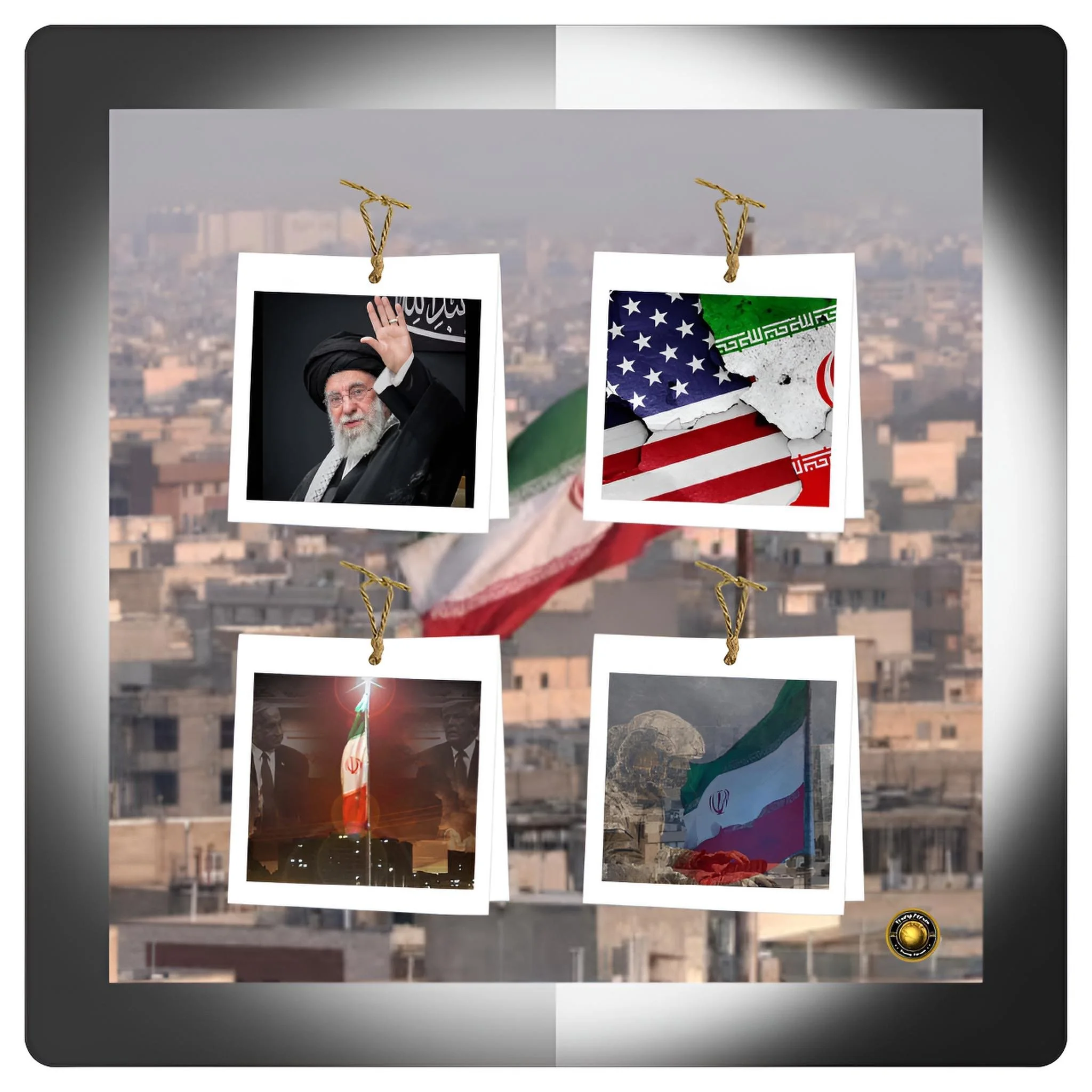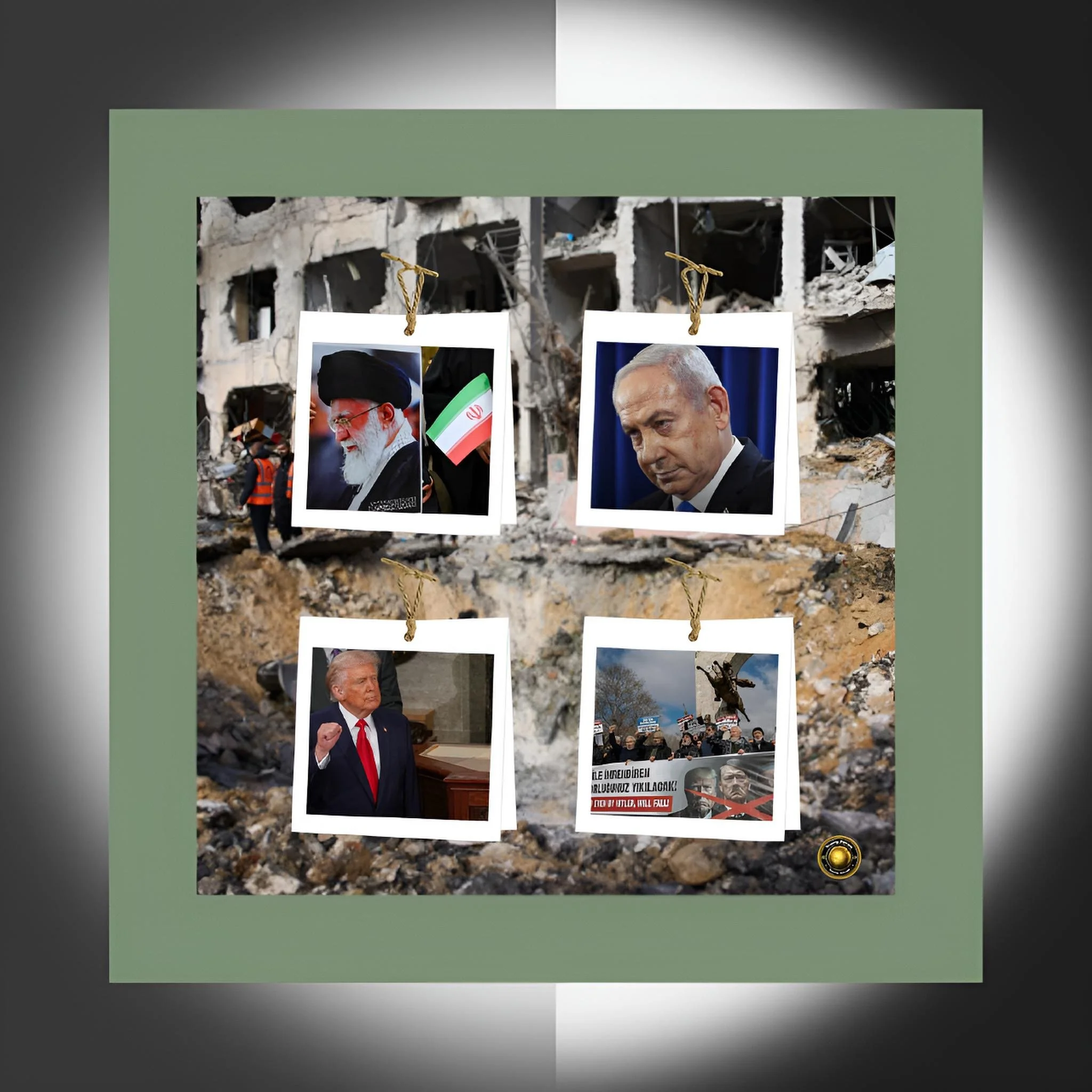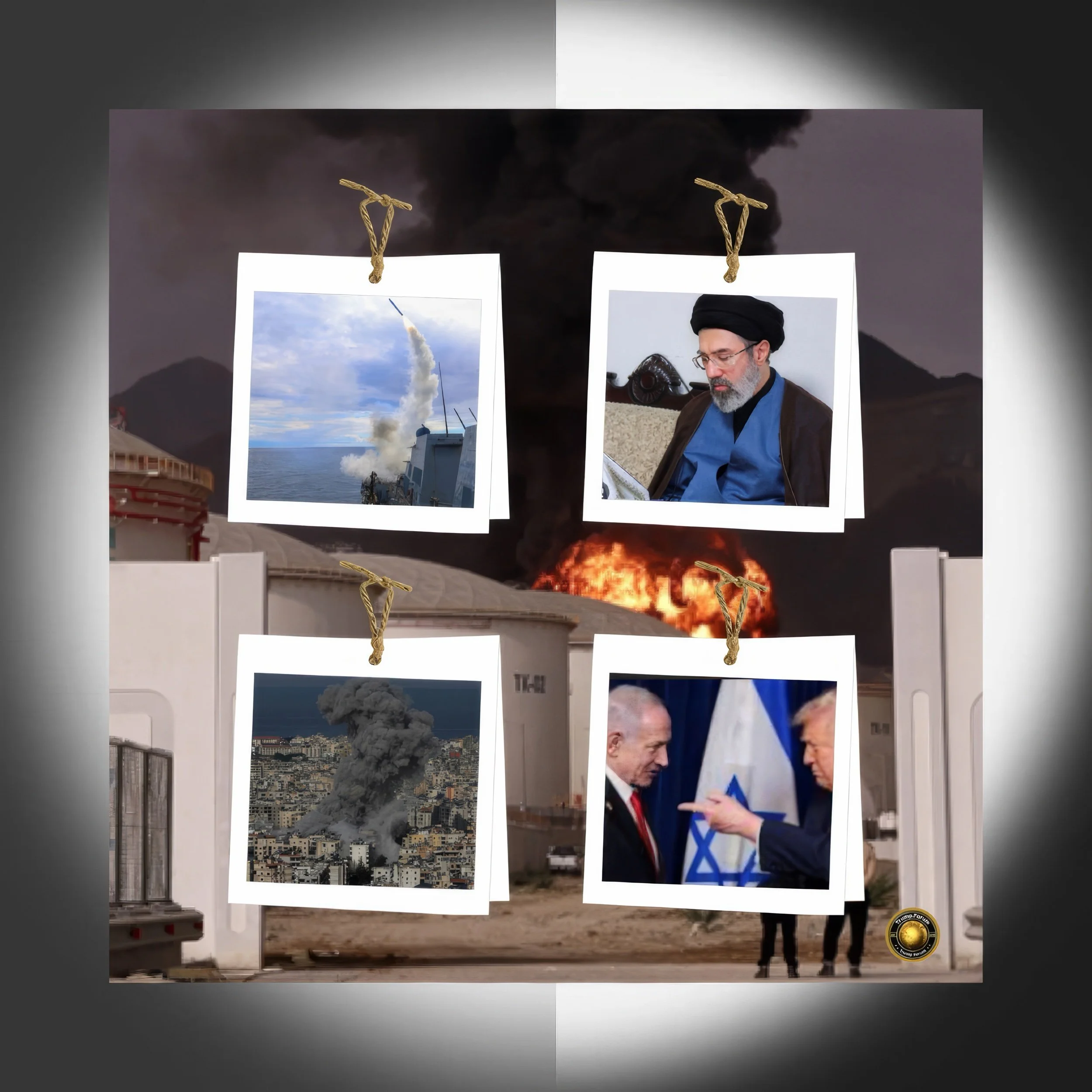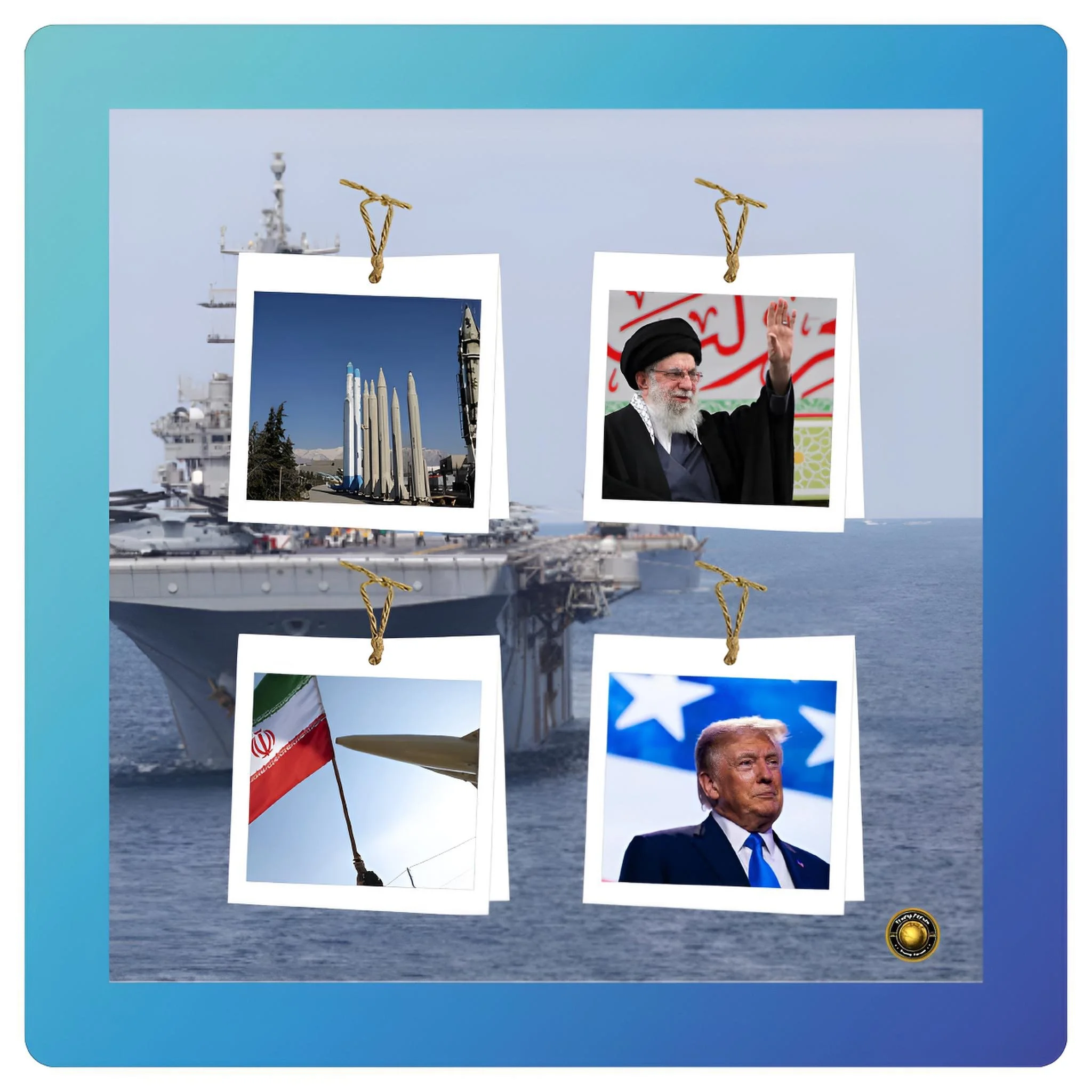
What War With Iran Would Look Like: Decapitation Without Invasion
Executive Summary
How a U.S.–Iran War Would Actually Unfold
FAF comprehensive article delves into the strategic logic, historical evolution, and prospective trajectory of a potential U.S.–Iran military confrontation in 2026, arguing that the most plausible form of conflict would not resemble the large-scale invasions of Iraq in 2003 or Afghanistan in 2001, but rather a limited, high-intensity campaign of decapitation strikes, cyber operations, maritime disruption, and regional coercion.
Despite heightened rhetoric and military deployments across the Persian Gulf, both Washington and Tehran remain structurally constrained by deterrence, domestic politics, alliance management, and economic vulnerability.
A full-scale invasion is improbable because it would require troop levels, financial expenditures exceeding $1 trillion, and long-term occupation commitments that neither the U.S. public nor regional partners would sustain.
Instead, calibrated air and missile strikes against nuclear infrastructure, command-and-control nodes, Islamic Revolutionary Guard Corps (IRGC) assets, and proxy networks represent the most plausible scenario.
The article traces the evolution of U.S.–Iran hostility from 1979 to the present, assesses the collapse of the nuclear accord and the current status of Iran’s nuclear program in 2026, examines regional alignments including Gulf normalization with Israel, and analyzes how decapitation strategies would aim to reshape bargaining dynamics rather than end the Iranian regime.
It explores likely Iranian retaliation through asymmetric warfare, maritime disruption in the Strait of Hormuz, missile attacks on Gulf energy infrastructure, cyber operations, and mobilization of allied militias across Iraq, Syria, Lebanon, and Yemen.
The analysis concludes that war, if it occurs, would be brief in duration yet expansive in geographic scope, with global economic reverberations including oil price spikes beyond $120 per barrel, disruptions to maritime trade, and renewed great-power competition.
Introduction
Limited War, Global Shock: Inside Iran Conflict
FAF comprehensive article delves into the paradox of imminent confrontation without conventional war. Washington and Tehran may be closer to military exchange than at any moment in recent memory, yet neither side appears prepared for territorial conquest or regime occupation. Instead, both are engaged in coercive signaling: military reinforcement paired with diplomatic ambiguity.
The United States has augmented naval deployments in the Gulf, expanded air defense coordination with Israel and Gulf monarchies, and increased intelligence surveillance over Iranian nuclear and missile facilities.
Iran, for its part, has accelerated uranium enrichment, refined drone and missile capabilities, and strengthened ties with Russia and China.
The apparent contradiction—military mobilization alongside diplomatic overtures—reflects the enduring logic of coercive bargaining: force as leverage rather than finality.
History and Current Status
Missiles, Markets, and Miscalculation: Iran War Explained
The roots of U.S.–Iran hostility extend to the 1979 Islamic Revolution and the hostage crisis that redefined bilateral relations as adversarial. Over subsequent decades, confrontation oscillated between proxy warfare, sanctions regimes, and episodic crises.
The 2015 nuclear agreement temporarily reduced tensions by constraining Iran’s enrichment levels to 3.67% and limiting stockpiles. However, the U.S. withdrawal in 2018 reintroduced maximum-pressure sanctions, shrinking Iran’s oil exports from approximately 2.5 million barrels per day to under 500,000 at certain points.
By 2026, Iran’s nuclear program has advanced significantly. Enrichment levels have reportedly exceeded 60%, approaching weapons-grade thresholds of 90%.
Breakout timelines—the period required to accumulate sufficient fissile material for a single device—have narrowed to weeks rather than months. Although weaponization evidence remains contested, the strategic ambiguity itself fuels crisis instability.
Regionally, the Abraham Accords reshaped Gulf geopolitics, aligning Israel and several Arab states in quiet security coordination against Iran.
Saudi Arabia and the United Arab Emirates have diversified partnerships, hedging between Washington and Beijing. China remains a principal purchaser of Iranian oil despite sanctions, often via opaque trading networks denominated in yuan rather than dollar.
Key Developments
Several developments in 2025–2026 intensified tensions.
First, targeted assassinations and cyber incidents against Iranian infrastructure have heightened suspicion of covert action campaigns.
Second, maritime skirmishes involving drone interceptions and tanker seizures have underscored the fragility of Gulf shipping lanes. Approximately 20% of global oil transit passes through the Strait of Hormuz, making even limited disruption globally consequential.
Third, Israel’s increasing warnings regarding unilateral preventive strikes complicate U.S. calculations. While Washington seeks to manage escalation, it also faces alliance credibility pressures.
Fourth, domestic politics in both countries constrain flexibility. In the U.S., war fatigue remains pronounced after 2 decades of Middle Eastern conflict costing more than $6 trillion.
In Iran, economic hardship—characterized by inflation exceeding 40% and currency depreciation—intersects with regime legitimacy concerns.
Latest Facts and Concerns in 2026
As of early 2026, satellite imagery indicates fortification of Iranian underground facilities, including hardened centrifuge halls buried beneath mountainous terrain. Iran’s ballistic missile arsenal now includes systems capable of reaching Israel and U.S. bases with improved accuracy. Drone technology has proliferated through proxy networks, lowering the threshold for deniable retaliation.
Energy markets remain acutely sensitive. Oil prices have fluctuated between $85 and $105 per barrel amid geopolitical risk premiums. Insurance rates for Gulf shipping have risen. Financial markets anticipate volatility rather than sustained war, reflecting an assumption that confrontation would be limited and strategic.
A further concern is cyber escalation. Both states possess advanced offensive cyber capabilities capable of targeting banking systems, energy grids, and military command networks. Cyber exchange could precede or accompany kinetic strikes, blurring the line between war and coercive signaling.
What Decapitation Strikes Would Entail
A decapitation strategy would focus on leadership nodes, command-and-control centers, nuclear enrichment facilities, and missile storage depots.
Precision-guided munitions, stealth aircraft, submarine-launched cruise missiles, and cyber sabotage would constitute the operational core. The objective would be to degrade Iran’s capacity to rapidly weaponize nuclear material and to weaken IRGC coordination without committing ground forces.
Such strikes would likely be time-bound—lasting days or weeks rather than months. The United States would avoid urban occupation and instead rely on stand-off capabilities. Israel might participate directly or indirectly, particularly in intelligence sharing.
Why an Invasion Is Improbable
An invasion of Iran—a country of 88 million people with mountainous terrain and nationalist resilience—would demand hundreds of thousands of troops.
The logistical and financial burden would exceed prior interventions. Regional partners would resist hosting large invasion forces, fearing domestic backlash. Moreover, Iranian asymmetric defenses, including missile salvos and militia mobilization, would render occupation extraordinarily costly.
The U.S. strategic community broadly assesses that regime-change wars generate long-term instability disproportionate to tactical gains. Thus, invasion remains a theoretical contingency rather than a practical option.
Iranian Retaliation and Regional Escalation
Iran’s doctrine emphasizes asymmetric response. Likely retaliation would include missile and drone strikes against Gulf energy facilities, attacks on U.S. bases in Iraq and Syria, mobilization of Hezbollah along Israel’s northern border, and Houthi disruption of Red Sea shipping. Cyber operations could target financial institutions or critical infrastructure.
Even limited strikes risk cascading escalation. Israel could respond to Hezbollah rocket fire with expanded operations in Lebanon. Gulf states might request enhanced U.S. protection. Oil prices could spike above $120 per barrel, amplifying inflationary pressures globally.
Cause-and-Effect Analysis
The immediate cause of military exchange would likely be a perceived closing of the nuclear breakout window or an Israeli unilateral strike.
The effect would be rapid U.S. involvement to manage escalation and reassure allies. Iranian retaliation would aim to impose costs without provoking regime-ending invasion. Each step would generate feedback loops: economic disruption, domestic political pressure, and diplomatic mediation attempts.
War would function less as termination and more as recalibration. Both sides would seek a post-strike equilibrium restoring deterrence boundaries.
Future Steps
Absent diplomatic breakthrough, crisis cycles are likely to recur. Confidence-building measures could include limited enrichment caps, regional maritime security dialogues, and back-channel communication.
However, mistrust remains entrenched. Great-power competition further complicates de-escalation, as Russia and China view Iran partly through the lens of strategic balancing against the United States.
Conclusion
Decapitation Strikes, Not Invasion: The Iran Scenario
FAF comprehensive article delves into the sobering reality that a U.S.–Iran war in 2026 would probably be limited, technologically sophisticated, and economically disruptive, yet not territorially transformative.
Decapitation strikes would aim to reshape bargaining leverage rather than impose occupation.
The risks lie not in deliberate conquest but in miscalculation. In a region saturated with missiles, drones, proxies, and fragile energy arteries, even calibrated violence could reverberate globally. The paradox endures: war as instrument, not destination.