Mojtaba Khamenei And What His Leadership Means For Iran - Beginners 101 Guide for Persian politics
Executive Summary
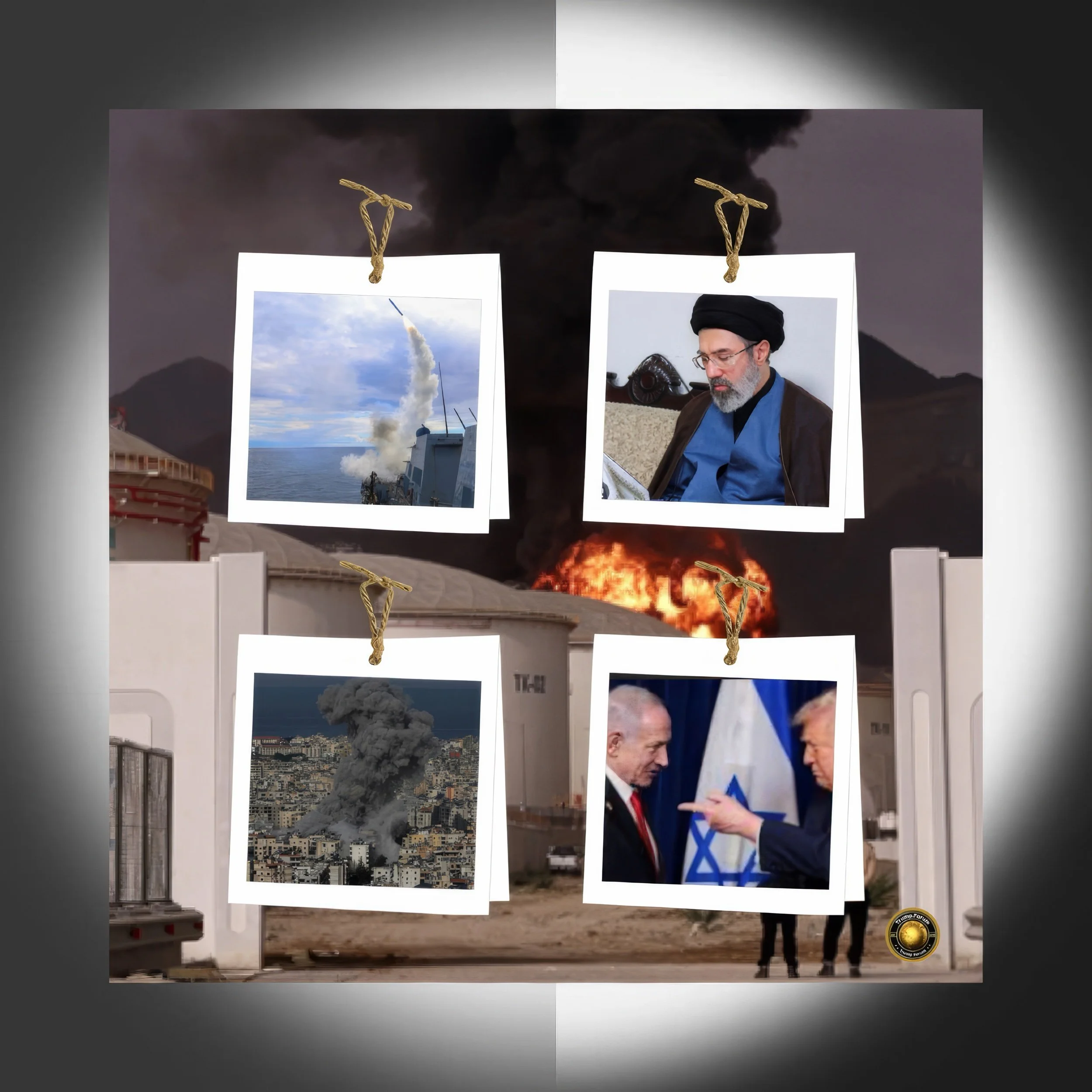
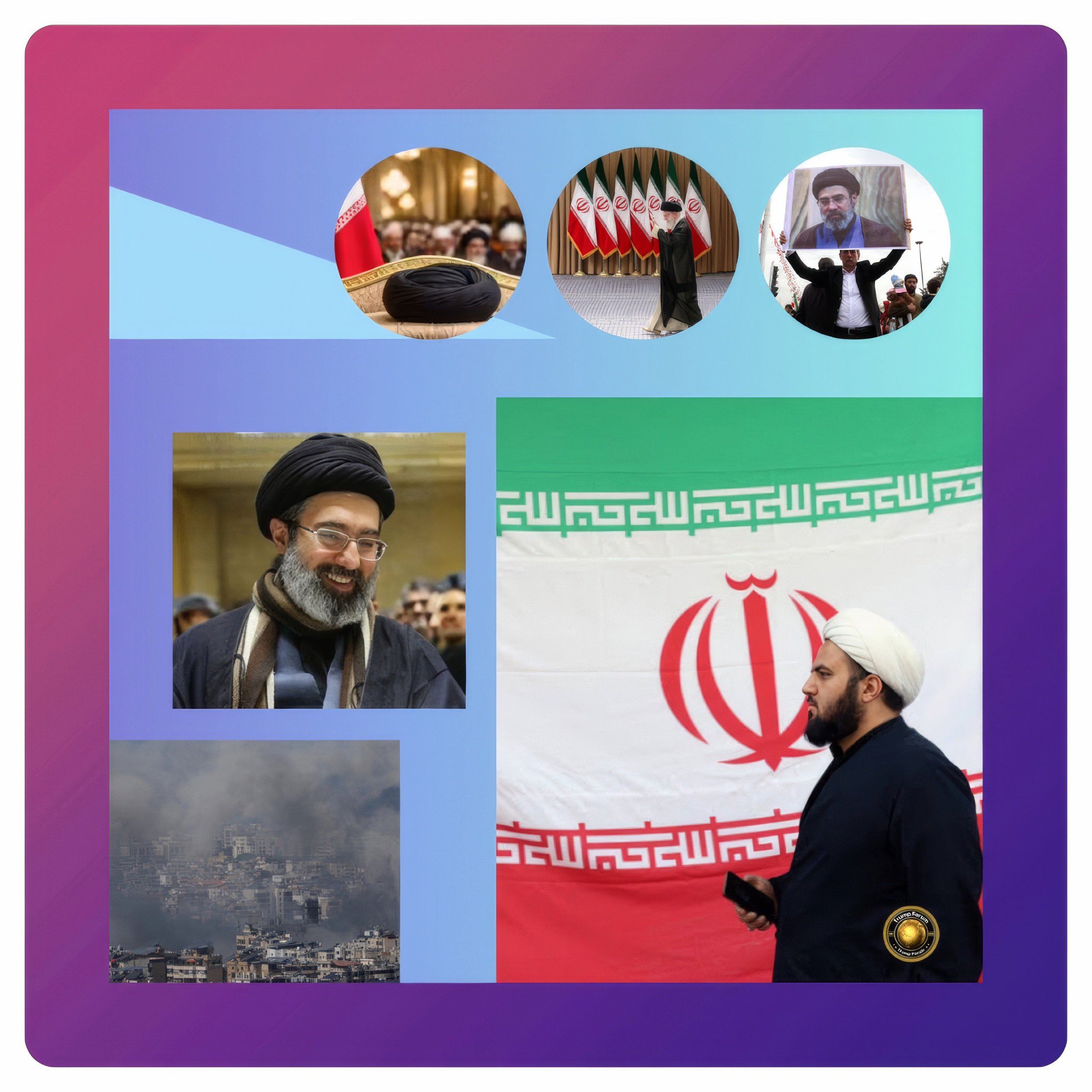
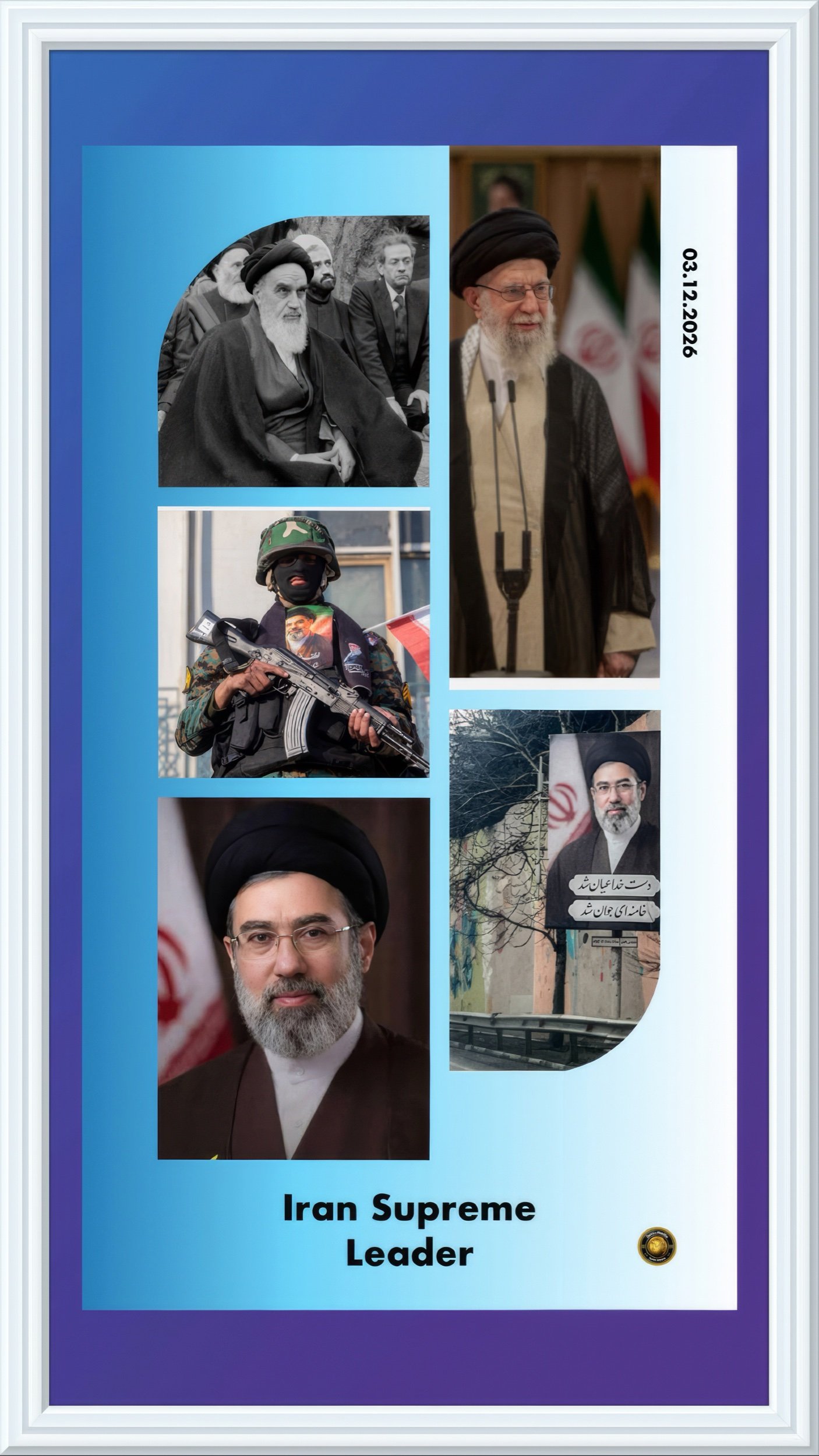
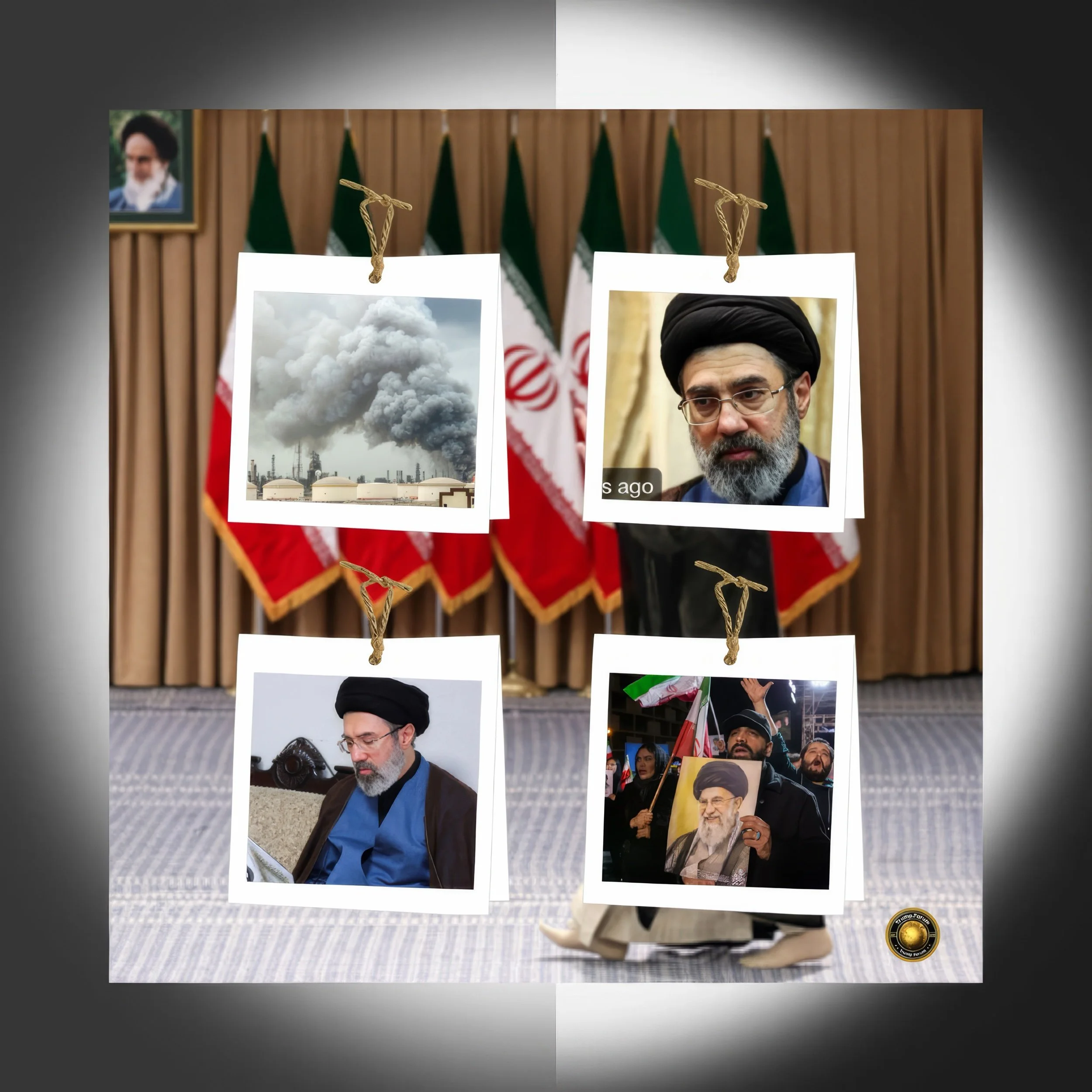
Iran has chosen Mojtaba Khamenei, the son of former Supreme Leader Ali Khamenei, to become the new Supreme Leader. This decision is very important because the Islamic Republic was created to reject hereditary rule.
The 1979 revolution removed a king who ruled through family power. Now Iran faces a situation where power appears to move from father to son. This raises many questions about the future of the country.
Some leaders inside Iran believe Mojtaba Khamenei can protect the political system and keep stability during difficult times. Others worry that this decision could weaken the legitimacy of the government.
The future of Iran will depend on how the new leader manages economic problems, political dissatisfaction, and international tensions.
Introduction
Leadership changes are always important in politics. In Iran, leadership changes are even more sensitive because the Supreme Leader holds enormous power.
The Supreme Leader controls the armed forces, the judiciary, and many major institutions. The position is therefore one of the most powerful political roles in the world.
Mojtaba Khamenei becoming Supreme Leader is a historic moment. Many people inside and outside Iran are trying to understand what this decision means.
History And Current Situation
Iran’s current political system began in 1979 when a revolution removed the Shah, Mohammad Reza Pahlavi.
The revolution was supported by millions of people who believed the monarchy had become corrupt and too closely linked to Western governments.
Ayatollah Ruhollah Khomeini became the first Supreme Leader. He believed that senior religious scholars should guide political decisions.
When Khomeini died in 1989, Ali Khamenei became the new Supreme Leader. He ruled Iran for more than 30 years.
Now Mojtaba Khamenei has become the next leader.
Key Developments
Mojtaba Khamenei was not a public political figure for many years. He worked quietly behind the scenes.
Over time he built strong relationships with important institutions, especially the Revolutionary Guard. This organization plays a major role in protecting the political system.
Because of these relationships, many powerful stakeholders believed he could protect stability during a difficult transition.
Latest Facts And Concerns
Many people in Iran worry that leadership moving from father to son looks similar to monarchy.
For example, imagine a country that removed a king because power stayed within one family. If power later returns to the same kind of structure, citizens may question whether the revolution truly changed the system.
Another concern involves younger generations. Many young Iranians want better economic opportunities and more personal freedoms.
If the government cannot address these concerns, public dissatisfaction may grow.
Cause And Effect Analysis
There are several reasons why the leadership transition happened this way.
Economic pressure is one reason. International sanctions have reduced economic growth and increased unemployment.
Security concerns are another reason. Iran is involved in many regional conflicts and political confrontations.
Because of these pressures, powerful stakeholders within the system wanted a leader who could maintain continuity and strong relationships with security institutions.
Future Steps
The future of Mojtaba Khamenei’s leadership will depend on several factors.
One important issue is the economy. If living conditions improve, the government may gain stronger public support.
Another issue is international relations. Iran must manage tensions with Western countries while maintaining influence in the Middle East.
The new leader will also need to respond to the expectations of younger citizens.
Conclusion
Mojtaba Khamenei’s leadership represents a turning point in Iran’s political history.
The decision shows that the Islamic Republic is changing as it faces new challenges.
Some people believe the transition will strengthen the political system. Others believe it may increase criticism and pressure for reform.
The direction Mojtaba Khamenei chooses will shape Iran’s future and influence politics across the Middle East.