The Dangerous Appeal Of “Israel Dragged Us To War” Narratives In America’s Latest Confrontation With Iran
Executive Summary
Conceptual confusion, Strategic agency, and Antisemitic tropes
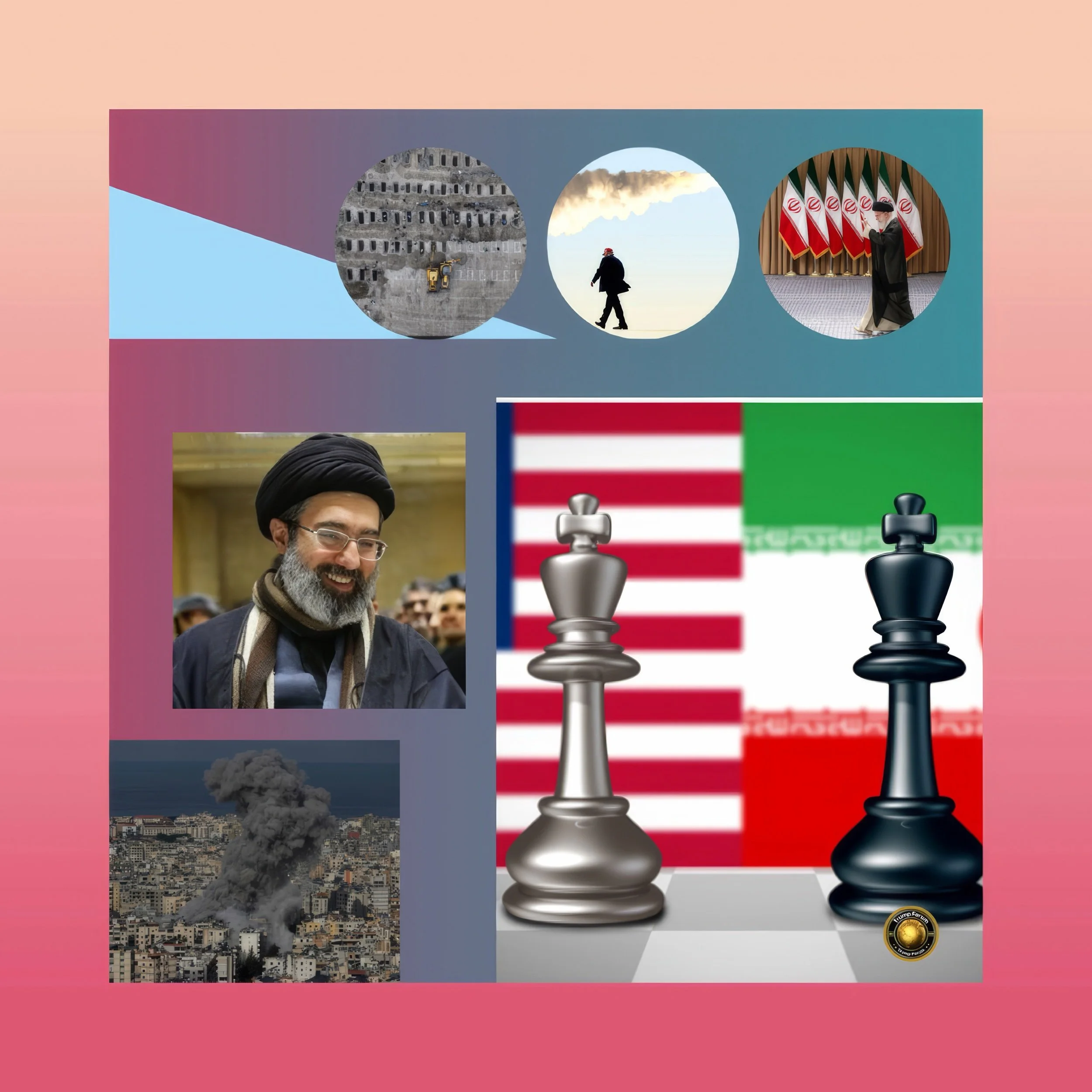
Rubio’s explanation that the U.S. attacked Iran because it “knew there was going to be an Israeli action” crystallizes a deeper conceptual confusion in current debates about the 2026 Iran war.
His framing simultaneously portrays Washington as a reluctant bystander forced into action by an ally and as a sovereign power that believed war “needed to happen” in any case, thereby blurring the allocation of responsibility.
This duality is politically useful in a Republican Party divided between “America First” restraint and assertive primacy, because it allows aspirants to be both hawkish toward Iran and evasive about the ownership of escalation.
At the same time, such rhetoric taps into a long genealogy of claims that the U.S. fights “someone else’s war” at the behest of Israel or shadowy Jewish stakeholders, from debates about neoconservatives and the 2003 Iraq invasion to contemporary conspiracy theories about a “Zionist war machine.”
These narratives are not merely analytically flawed; they echo classic antisemitic tropes imputing occult manipulation, dual loyalty, and foreign control over national security decisions.
They flourish in polarized environments where voters seek simple explanations for complex entanglements and where elites can score points against both interventionism and domestic rivals by attributing agency to an external scapegoat.
A more rigorous account must disentangle three levels of causality.
First, it must reconstruct the structural drivers that made a U.S.–Iran war thinkable long before any specific Israeli operation: regional balance-of-power shifts after the 2024 Israel–Hamas war, Iran’s degraded but resilient proxy network, energy market vulnerabilities, and the Trump administration’s strategic preference for coercive rollback over containment.
Second, it must specify the proximate triggers of the February 2026 air campaign, including intelligence assessments about Iranian missile deployments, internal debates in Washington about deterrence credibility, and coordination—rather than compulsion—between U.S. and Israeli planners.
Third, it must analyze the domestic political incentives that shaped how the war was sold to American audiences, including the temptation to invoke Israel as both shield and foil in intraparty struggles.
When viewed through this layered lens, the claim that Israel compelled the U.S. into war collapses.
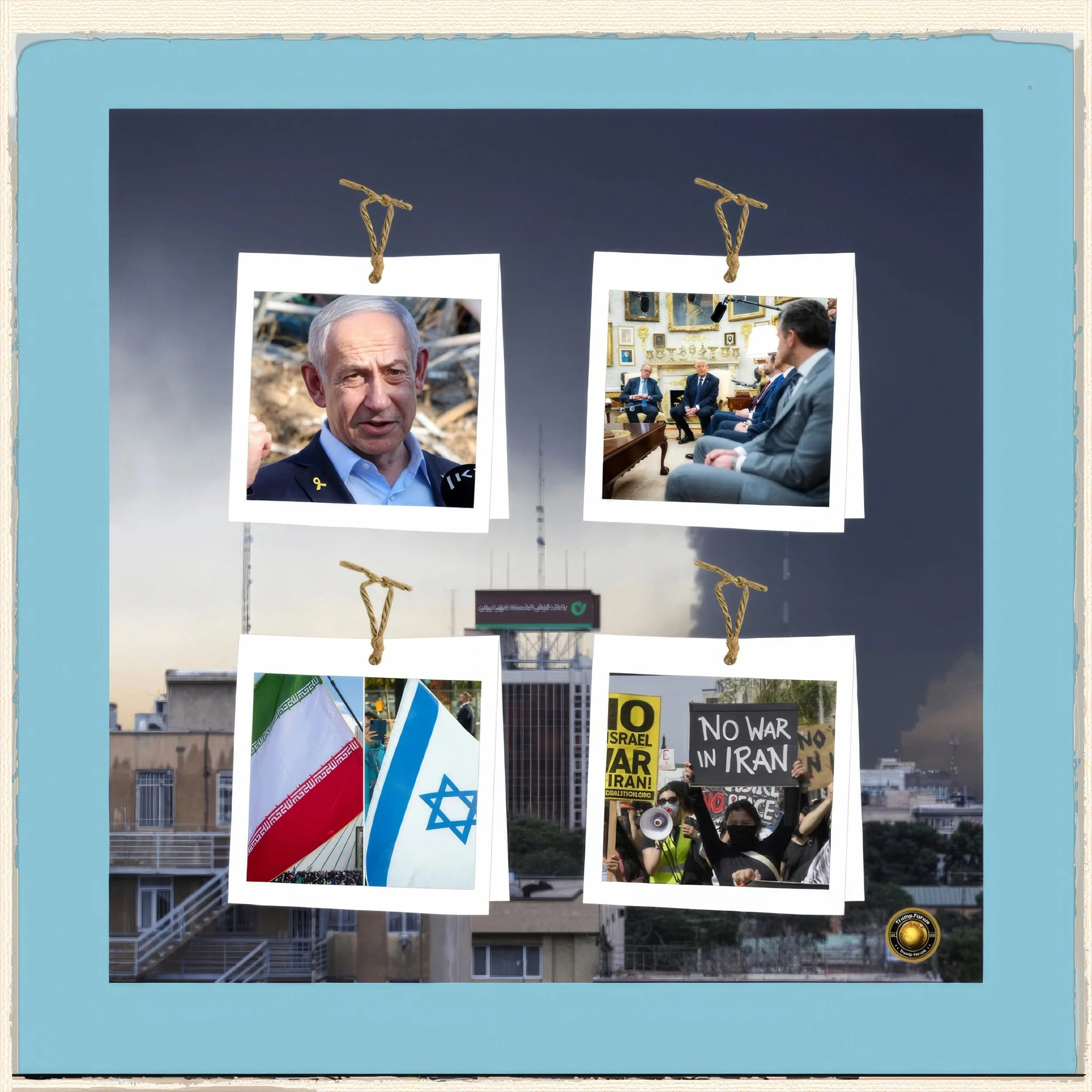
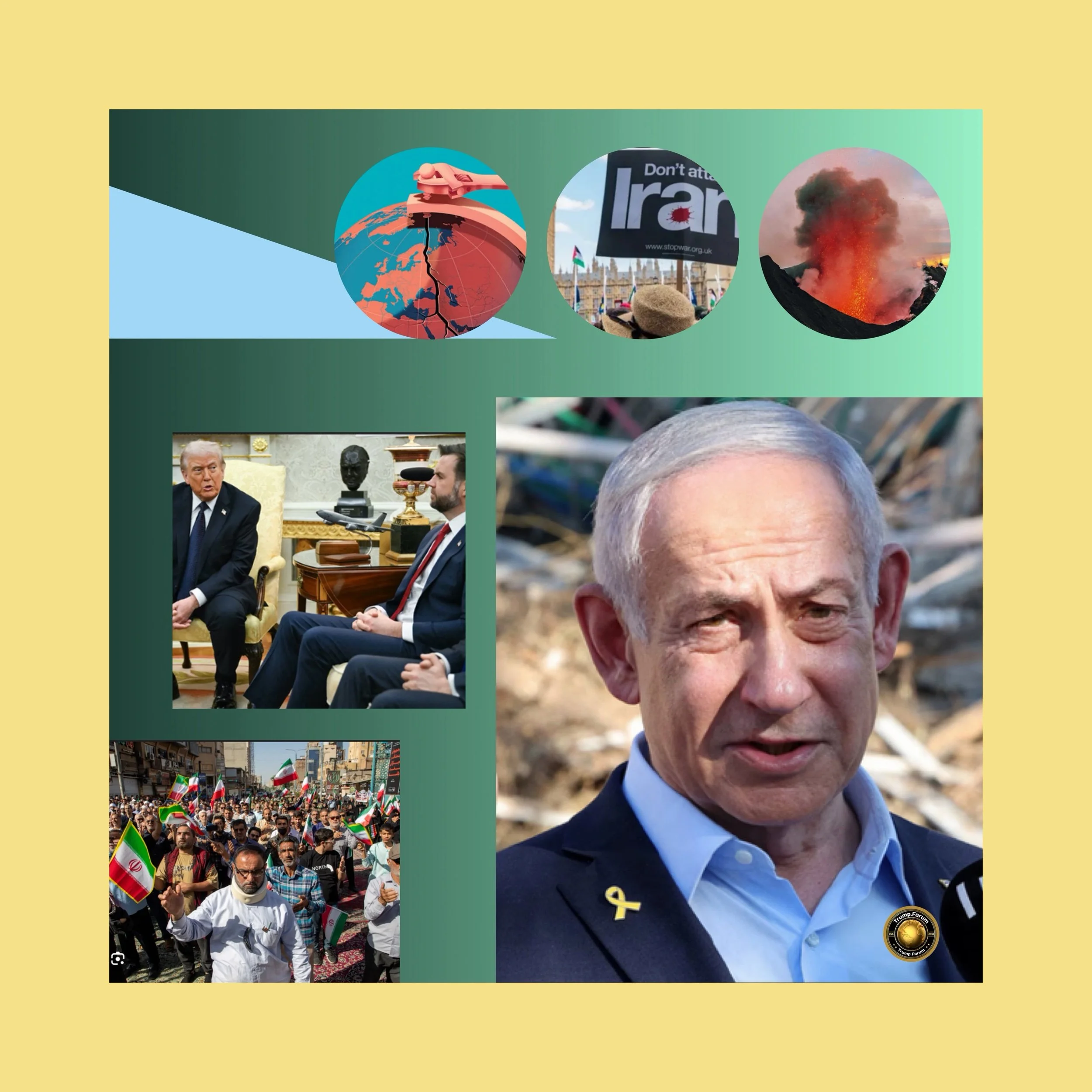
Israeli leaders, notably Benjamin Netanyahu, clearly lobbied for aggressive action and coordinated closely with the Trump administration, seeing an opportunity to strike Iran’s nuclear and missile infrastructure while Tehran was strategically off balance.
U.S. officials, in turn, leveraged Israeli intent to frame their own decision as preemptive self-defense, emphasizing the need to protect U.S. forces from anticipated Iranian retaliation. But the key decisions reflected longstanding U.S. strategic preferences, institutional interests, and domestic politics, not external coercion.
Finally, an accurate account must explicitly confront the antisemitic potential of “Israel made us do it” narratives without immunizing Israeli or American policy from criticism.
It is possible—and necessary—to criticize Israel’s Iran policy, U.S. enabling of it, and the legality or wisdom of the 2026 war while rejecting conspiratorial frameworks that deny U.S. agency or reduce complex bureaucratic and ideological coalitions to “Jewish pressure.”
Doing so clarifies responsibility, preserves analytical integrity, and reduces the risk that debates about Middle East policy become further conduits for domestic radicalization.
Introduction
Agency, Alliance Politics, and the Problem of Scapegoating
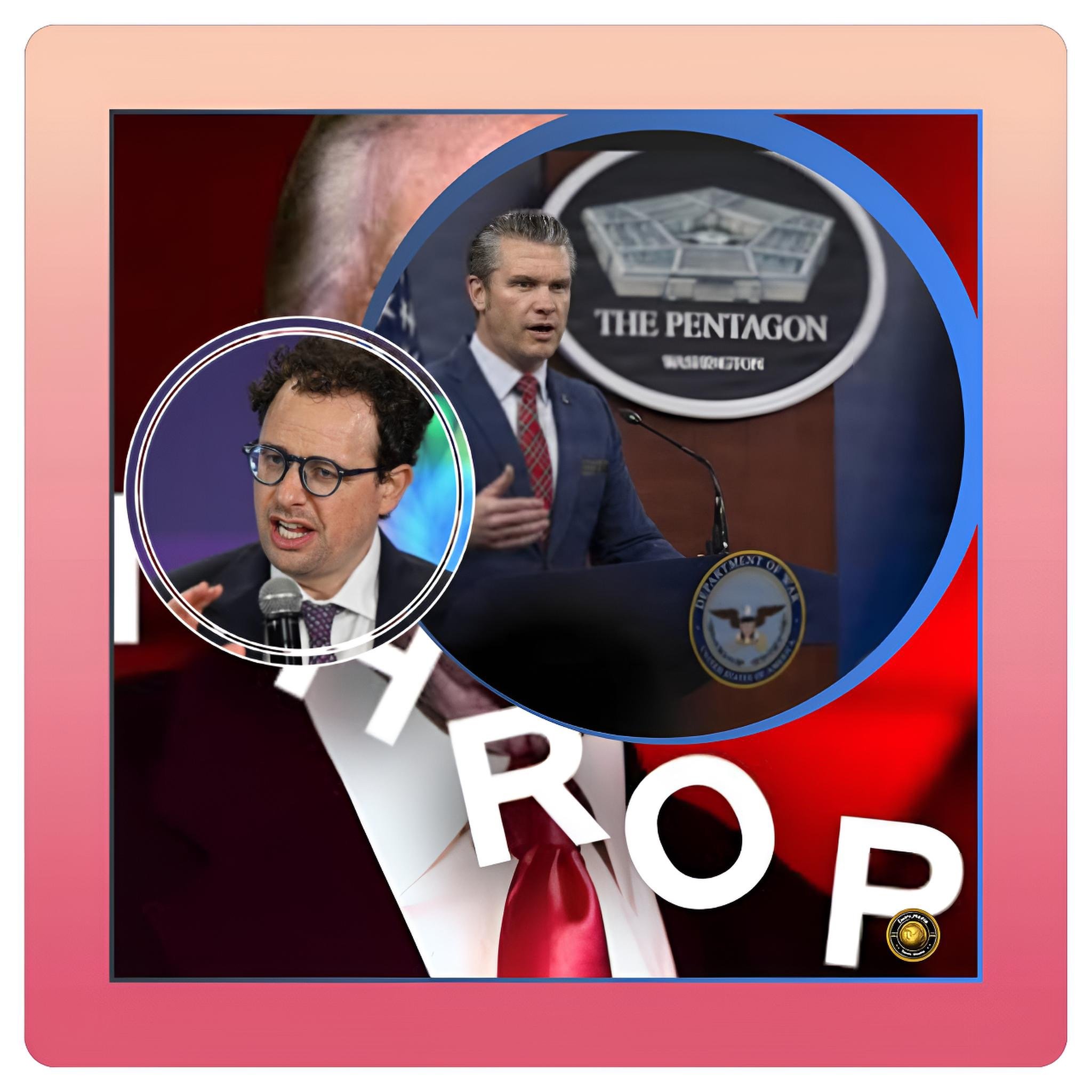
In early March, Secretary of State Marco Rubio publicly described the rationale for the U.S. strikes on Iran in a manner that immediately reverberated across Washington and beyond.
He argued that Washington acted because it knew Israel was about to launch an operation and feared that Iranian retaliation would fall heavily on U.S. forces if America did not “preemptively go after them.”
In the same breath, however, he insisted that the campaign was necessary on its own merits, a step the administration believed was justified by Iranian activities independent of any Israeli moves.
This dual claim—war as both reluctant reaction and deliberate choice—raises foundational questions about agency in alliance politics.
To what extent can a smaller ally, even one as capable and deeply institutionalized as Israel, drive a superpower into war against its own interests?
How should analysts weigh the influence of Israeli preferences and lobbying against the long arc of U.S. grand strategy, bureaucratic inertia, and domestic political incentives that predated the crisis?
And why are narratives of compulsion so politically resonant right now, particularly on a right increasingly torn between isolationist rhetoric and militarized nationalism?
These questions intersect with a fraught history.
During the Iraq war, critics debated the role of neoconservative intellectuals, some of whom were openly motivated by concerns about Israel’s security, in shaping the march to war.
Accusations that a “cabal” of Jewish officials had tricked America into war were rebutted not only on empirical grounds but also for reproducing antisemitic motifs of clandestine control, dual loyalty, and treacherous influence.
Today’s invocation of Israeli compulsion in the Iran war risks replaying that script, even when voiced by politicians who would firmly reject overt antisemitism.
The essential analytical task is therefore twofold.
First, to reconstruct how the U.S.–Israel relationship, intelligence sharing, and operational planning shaped the timing and character of the 2026 strikes, without attributing mystical powers to Israeli policymakers.
Second, to interrogate why Rubio and others find it politically expedient to highlight Israeli actions, and how such framing interacts with deeper currents of antisemitic discourse, populist resentment, and partisan competition.
History and Current Status
From Maximum Pressure to Open War
The 2026 Iran war did not emerge from a vacuum; it was the culmination of nearly 2 decades of volatile interaction between Washington and Tehran, punctuated by sanctions cycles, proxy clashes, and repeated crises over nuclear capabilities.
The Trump administration’s withdrawal from the Joint Comprehensive Plan of Action and reimposition of sweeping sanctions had already entrenched a confrontational dynamic that narrowed the space for diplomacy and normalized the use of military force as a tool of signaling.
In the years that followed, Iranian-backed groups targeted U.S. partners and assets across Iraq, Syria, and the Gulf, while Washington escalated with targeted killings and cyber operations, deepening a tit-for-tat logic that made wider war increasingly plausible.
The 2024 Israel–Hamas war and Israel’s subsequent campaign against Hezbollah transformed the regional landscape. Israel’s successful decapitation of Hezbollah’s leadership and the fall of Bashar al-Assad’s regime in Syria sharply reduced Iran’s forward operating depth in the Levant.
Tehran suffered serious blows to its deterrent posture, yet remained committed to missile development and to supporting residual proxies, prompting Israeli leaders to see a fleeting window to strike at Iran’s core capabilities. Israel’s operations “Rising Lion” and “Lion’s Roar” were explicitly justified by Prime Minister Netanyahu as necessary to neutralize what he depicted as an existential threat, and he sought U.S. backing to convert these campaigns into a more decisive confrontation.
Within Washington, meanwhile, Iran had become the centerpiece of a broader narrative about deterrence credibility. U.S. officials argued that permitting Iran to rebuild its missile and nuclear infrastructure after the setbacks of 2024–25 would signal weakness not only to Tehran but also to Russia, China, and other adversaries watching U.S. behavior in multiple theaters.
Senior advisers reportedly discussed the tactical benefit of allowing Israel to strike first to create a more politically palatable casus belli once Iran responded.
Yet the eventual decision, according to open-source reconstructions, was to opt for a near-simultaneous wave of U.S. and Israeli strikes against Iranian missile sites, air defenses, and command nodes on February twenty eighth.
Rubio’s later explanation—that U.S. attacks were triggered by knowledge of imminent Israeli action—must be located within this preexisting strategic environment. The idea that Washington “knew there was going to be an Israeli action” and therefore had to move first to reduce American casualties presupposed a deployment posture in which U.S. forces were already deeply embedded and exposed across the region.
That posture was itself the cumulative result of decades of basing decisions, security assistance programs, and counterterrorism missions that bound U.S. and Israeli security tightly together.
By early March 2026, the war had settled into a tense but limited pattern.
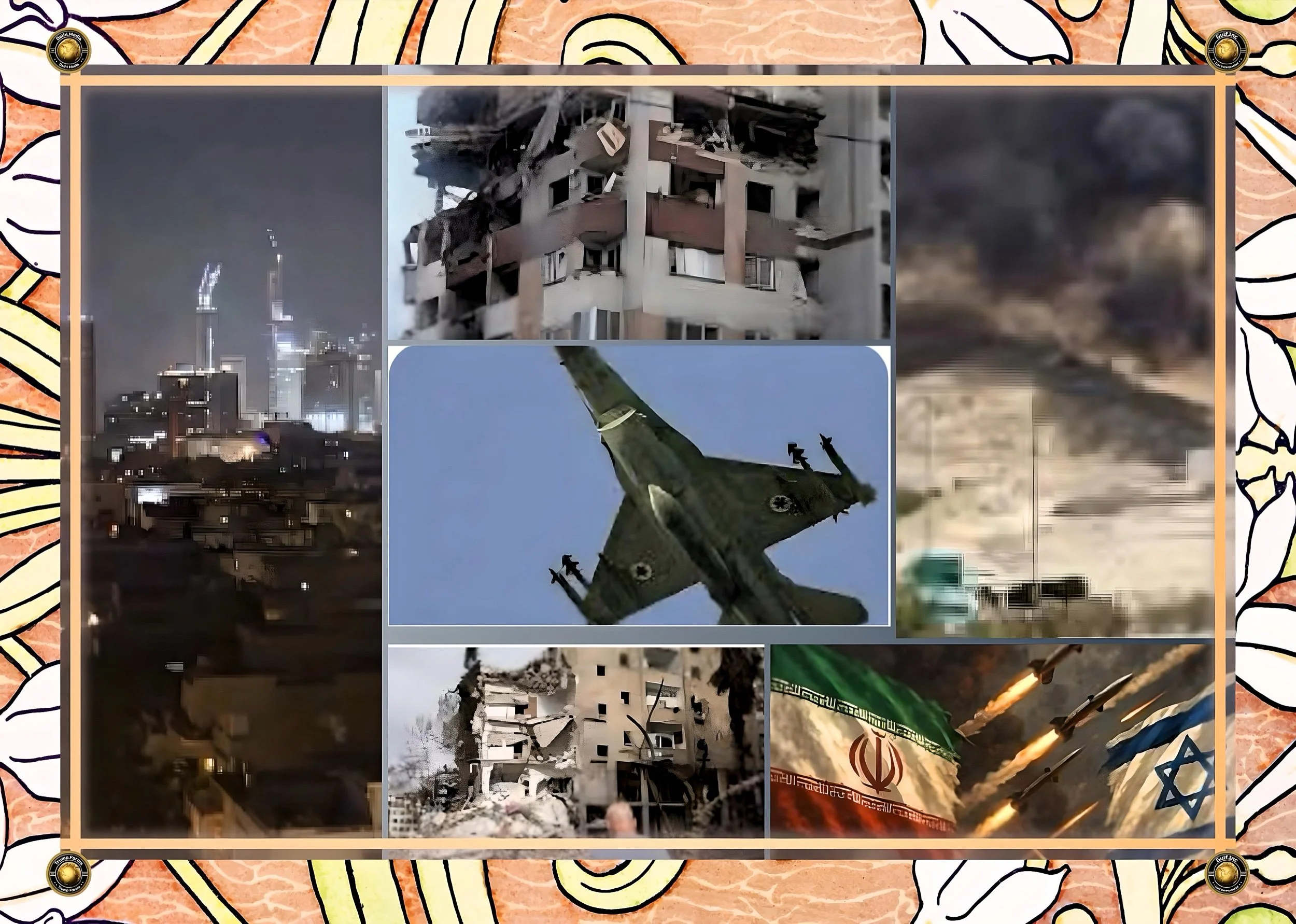
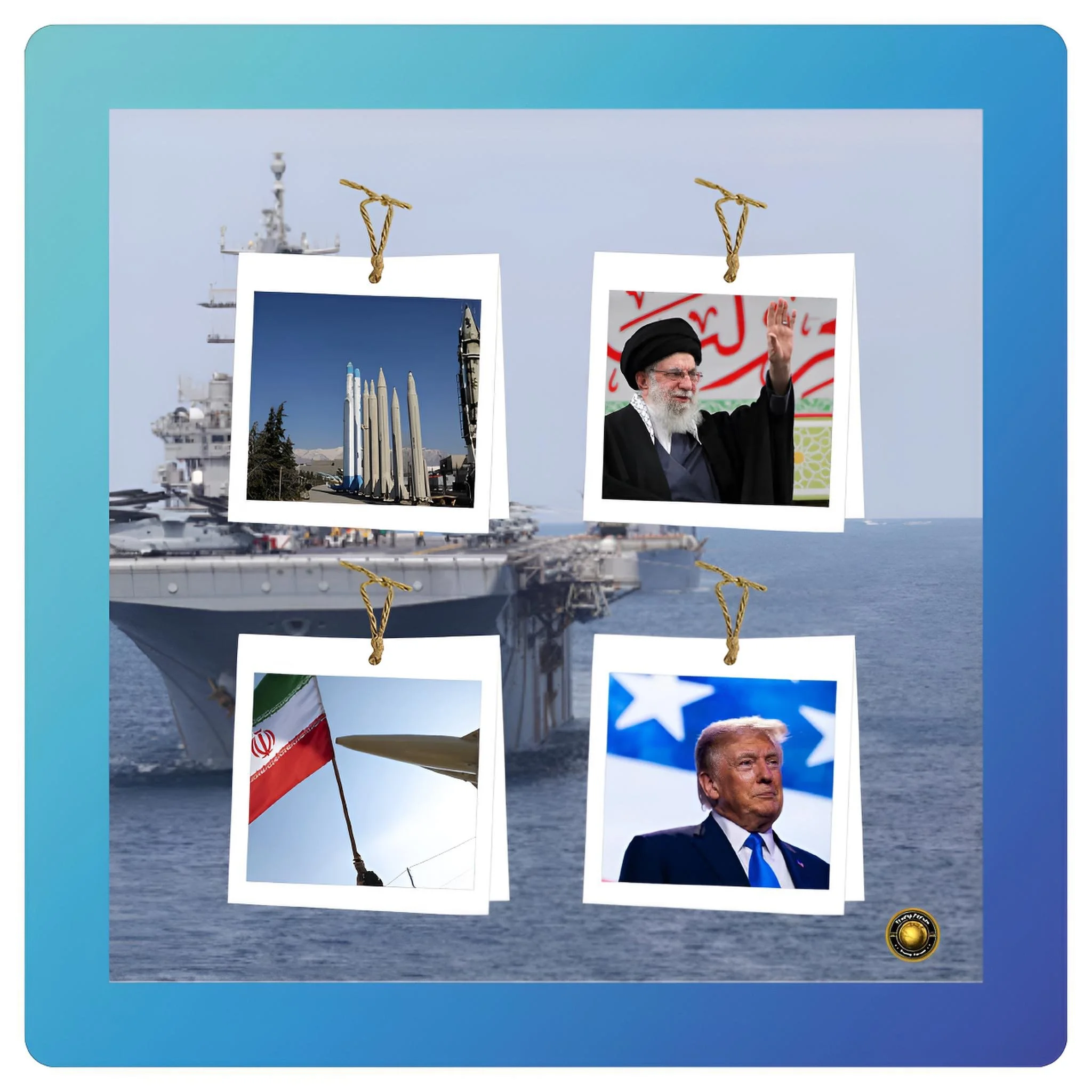
The initial 12-hour barrage of roughly 900 strikes degraded Iran’s air defenses and missile stockpiles but did not dismantle its capacity for asymmetric retaliation. Iran responded with attacks on U.S. bases and shipping lanes, particularly in and near the Strait of Hormuz, raising alarms about global energy markets and prompting further U.S. air and naval actions.
Diplomacy at the U.N. Security Council stalled over disagreements about the legality of preemptive strikes and the responsibilities of alliance partners.
As of the present, the conflict remains short of a full-scale invasion but has entrenched a new level of open hostility between the U.S. and Iran, with Israel as both a co-belligerent and a central reference point in global debates about responsibility and restraint.
Key Developments
Rubio’s remarks, Alliance coordination, and Narrative battles
Marco Rubio’s remarks on Capitol Hill were notable not only for their content but also for their timing.
Delivered just days after the initial strikes, they were among the first extended explanations from a senior U.S. official about the decision-making process that led to war.
Rubio emphasized that U.S. intelligence had identified an imminent Israeli operation, that this would “precipitate an attack against American forces,” and that the administration acted preemptively to minimize casualties and avoid later accusations of inaction.
Several features of this narrative stand out. First, it foregrounds Israeli intent as the proximate trigger, even though subsequent reporting indicates that U.S. planners had already integrated Israeli capabilities into a joint campaign plan targeting Iranian infrastructure.
U.S. and Israeli militaries reportedly coordinated closely on target selection, deconfliction, and strategic messaging, suggesting a relationship of partnership rather than unilateral compulsion.
Second, Rubio’s focus on force protection frames the war less as a discretionary act of regime-change adventurism and more as a forced response to anticipated attacks, thereby aligning with legal narratives of preemptive self-defense under Article fifty one debates.
Third, Rubio’s explanation quickly became a touchstone in domestic political debates. Within the Republican Party, factions skeptical of foreign entanglements seized on his comments to argue that the administration had allowed an ally’s agenda to drag America toward a wider war, betraying “America First” principles.
Simultaneously, more traditional hawks used the same remarks to argue that the U.S. had responsibly acted to protect its troops while standing by a critical ally facing existential threats. In this context, the notion that “Israel made us do it” became a flexible rhetorical resource, deployed both to criticize and to justify war depending on the speaker’s broader orientation toward interventionism and alliances.
Outside the U.S., Rubio’s comments fed into older narratives about U.S. subservience to Israel. Media across the Middle East, including Arab outlets, treated his statements as confirmation of long-held suspicions that Washington defers to Israeli red lines and allows Israeli leaders to set the escalation ladder.
European discussions, while generally more cautious, likewise wrestled with the tension between alliance cohesion and independent strategic judgment, particularly in light of energy vulnerabilities and legal concerns about preemption. In these debates, the boundary between legitimate criticism of Israel’s Iran policy and conspiratorial depictions of Jewish or Israeli control over U.S. decision-making often blurred, especially in the emotional aftermath of the strikes.
Latest Facts and Concerns
War dynamics, Legal debates, and Domestic risks
Empirically, the record to date points to a war of choice jointly undertaken by the U.S. and Israel, not a coerced intervention produced by Israeli compulsion alone.
Analysts note that U.S. forces participated in nearly 900 strikes within the first half-day, targeting not only threats directly endangering U.S. troops but also a broad array of Iranian strategic assets, including missile production facilities and command centers.
This scope exceeds what would be strictly necessary for an emergency defensive response to an anticipated retaliation against existing deployments, indicating a broader strategic objective of degrading Iran’s capacity to project power.
Legal experts have challenged both Washington’s and Jerusalem’s claims of preemptive self-defense. Commentaries underline that Iran, despite hostile rhetoric and ongoing support for proxies, had not launched a large-scale attack that would clearly justify such extensive use of force, and that anticipatory self-defense remains controversial under international law.
U.N. debates have highlighted the difficulty of distinguishing between genuine imminent threats and pretexts for regime-damaging strikes cloaked in the language of threat reduction. Some critics argue that by framing their campaign as a response to hypothetical Iranian reactions to Israeli moves, U.S. officials like Rubio have stretched the preemptive doctrine to cover a chain of speculative contingencies, setting a troubling precedent.
Domestically, there is mounting concern that narratives assigning responsibility to Israel or to vaguely defined “pro-Israel lobbies” will fuel antisemitic backlash. U.S. Jewish organizations and scholars of antisemitism have warned that accusations of dual loyalty and foreign control are gaining traction in polarized online ecosystems, where Rubio’s remarks are being selectively quoted and amplified by extremist networks.
The memory of 2003 looms large: then, too, debates about the Iraq war involved disproportionate focus on Jewish neoconservatives, despite the broader coalition of officials and interests that supported the invasion. The risk is that complex bureaucratic and ideological dynamics will again be compressed into personalized narratives that attribute war decisions to a small set of Jewish or Israeli stakeholders.
At the same time, suppressing legitimate criticism of Israeli policy by labeling it antisemitic would be equally corrosive. Critics of the 2026 war point to Netanyahu’s long-standing campaign against Iran’s nuclear program, his resistance to diplomatic alternatives, and his coordination with the Trump administration to secure political cover for coercive options.
They argue that Israel’s strategic preferences, and its willingness to act unilaterally if necessary, undeniably shaped the menu of options confronting Washington.
The challenge lies in articulating these critiques in a way that preserves analytical clarity and avoids essentializing Israeli or Jewish influence, recognizing that U.S. leaders ultimately retain full agency over whether to align with or resist allied pressure.
Cause-and-Effect Analysis
Structures, Choices, and Narratives of Compulsion
To move beyond rhetoric, it is useful to map the causal pathways linking Israeli preferences, U.S. strategic choices, and the outbreak of war.
At the structural level, U.S.–Iran antagonism is rooted in competing regional orders.
Since the Islamic Revolution, successive U.S. administrations have viewed Iran as a spoiler of the American-led security architecture in the Gulf and Levant, while Iran has seen U.S. military presence and partnerships as encirclement.
The U.S.–Israel alliance overlays this antagonism by aligning Washington with Iran’s principal rival; American security guarantees, arms transfers, and veto power at the U.N. structurally empower Israeli risk-taking, knowing that U.S. support is likely in a crisis.
Within this environment, Israel’s persistent warnings about Iran’s nuclear ambitions and missile programs have shaped U.S. threat perceptions.
Netanyahu and his allies spent years arguing that diplomacy was a dangerous illusion and that only decisive force could prevent Iran from achieving a threshold capability.
These arguments resonated in parts of Washington where Iran is seen not only as a regional challenger but also as a symbol of defiance against U.S. hegemony and nonproliferation norms.
Thus, Israeli advocacy did not create U.S. hostility toward Iran; it amplified and focused preexisting strategic anxieties.
At the level of proximate causes, intelligence about Israeli planning clearly influenced U.S. timelines.
Rubio’s admission that the U.S. “knew there was going to be an Israeli action” indicates that Washington faced a choice: attempt to restrain Israel, accept the risk of subsequent Iranian retaliation against U.S. forces, or join and shape the operation to manage escalation on its own terms.
The Trump administration chose the third option, calculating that operational synergy and deterrence signaling outweighed the risks of wider war.
To depict this decision as compulsion is to misdescribe a strategic trade-off: U.S. leaders favored an aggressive course that aligned with, but was not dictated by, Israeli preferences.
The domestic political causal chain operates differently. Within a Republican Party split between isolationist slogans and interventionist instincts, blaming an ally can serve multiple purposes.
It allows hawks to maintain a tough line on Iran while shifting blame for the costs of war onto Israel, and it allows populists to express anger at foreign entanglements without directly confronting the party’s own national security establishment.
Rubio’s formulation, by portraying the U.S. as reactive to Israeli moves, provides a bridge narrative that lets candidates claim both resolute action and reluctant necessity.
Finally, at the discursive level, these causal stories feed back into social attitudes. Narratives that stress Israeli compulsion can nurture antisemitic beliefs even when not intended to do so, because they tap into deep-seated stereotypes about Jewish power and hidden control.
Once disseminated through partisan media and social networks, the distinction between sophisticated critiques of alliance politics and crude conspiracy theories tends to erode.
Cause-and-effect analysis must therefore grapple not only with material and institutional factors but also with the symbolic repertoires that citizens draw upon to make sense of foreign policy.
Future steps
Reframing responsibility and Insulating debate from Antisemitism
Looking forward, avoiding a repeat of the current dynamic requires rethinking both policy and discourse.
On the policy side, the U.S. needs clearer doctrines for managing allied escalation risks.
Alliance with Israel does not obligate Washington to endorse every operational plan, and mechanisms for private restraint—conditional support, clearer red lines, and mutually agreed escalation ladders—could reduce the likelihood that U.S. forces are placed in situations where allied actions sharply raise their exposure.
Publicly, U.S. leaders should be candid about how allied preferences shape decision-making without exaggerating their determinative influence.
Second, Washington must confront its own structural overextension.
The vulnerability of U.S. forces to Iranian retaliation is not an exogenous fact but the product of choices to station large numbers of personnel and assets in exposed positions across the region.
Reducing that footprint over time would not eliminate risks, but it would weaken the logic that any allied strike necessarily translates into American casualties that must be preempted.
A more selective presence, combined with investments in missile defense and resilience, could give future administrations a wider range of options for saying no to escalatory moves by partners.
Third, and crucially, political elites should exercise greater care in how they describe the role of Israel and domestic pro-Israel stakeholders.
Avoiding antisemitic tropes does not require silence about lobbying, ideological networks, or policy coalitions; it requires specificity, proportionality, and attention to agency on all sides.
Analysts and officials can, for example, distinguish between Israeli government policies, the diversity of views within American Jewish communities, and the broader constellation of Christian Zionist groups, defense contractors, and strategic hawks that also favor confrontational Iran policies.
Such differentiation undermines simplistic stories of singular foreign control.
Finally, there is a need for institutionalized reflection.
Congressional inquiries, independent commissions, and academic studies of the 2026 war should map the decision-making process in granular detail, tracing how intelligence, alliance consultations, bureaucratic interests, and ideological commitments interacted.
Transparent reconstruction of the chain of responsibility can both improve future policy and deny oxygen to conspiracy theories that thrive on secrecy and ambiguity.
Conclusion
War by Choice, not Compulsion
The claim that Israel compelled the U.S. to wage war on Iran is analytically untenable and politically dangerous.
The 2026 conflict arose from a confluence of long-term strategic antagonisms, alliance dynamics, domestic political incentives, and specific decisions by U.S. leaders who chose to align with Israeli preferences and exploit Israeli intent as part of their justificatory narrative.
Rubio’s framing, by emphasizing knowledge of an impending Israeli action, obscures more than it reveals about agency, creating an oxymoronic picture of a superpower that is at once subordinate and sovereign.
Equally troubling is the way such narratives echo older antisemitic tropes, casting Israel or Jewish stakeholders as hidden hands steering American policy, even when they emerge from mainstream politicians rather than fringe extremists.
A responsible analysis must hold two ideas simultaneously: that Israel lobbied for and strategically benefited from a war of choice against Iran, and that U.S. policymakers retained—and exercised—ultimate responsibility for initiating that war.
Refusing both exonerating myths of compulsion and conspiratorial fantasies of control is essential if democratic societies are to debate Middle East policy without further corroding their own civic fabric.