Why Anthropic Is Contesting the Pentagon Over a “Risk” Label - A Beginner's Guide to Anthropic's Dispute with the US Government
Introduction
A company called Anthropic and the United States Pentagon.
Anthropic makes powerful AI systems that many companies and some government offices use for work.
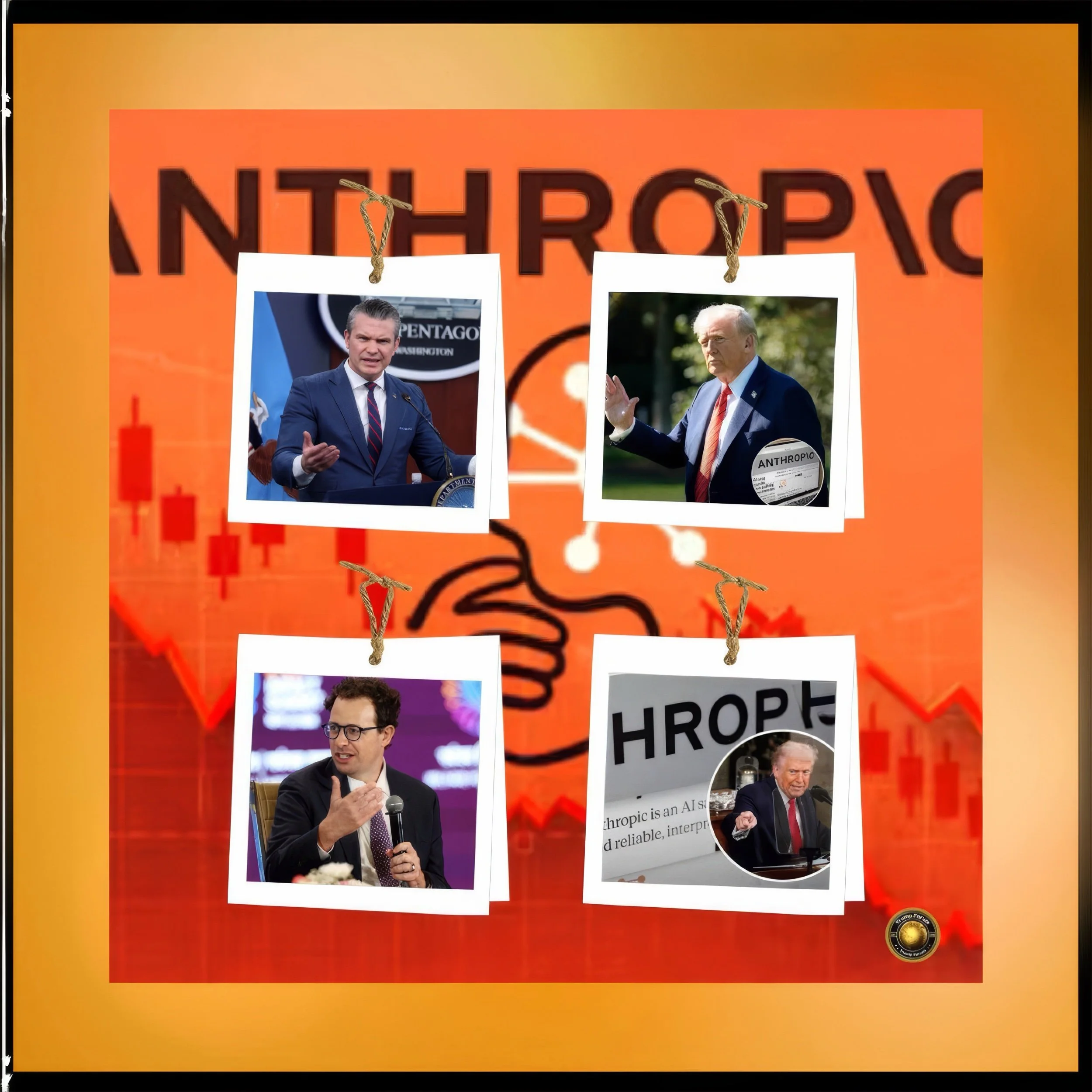
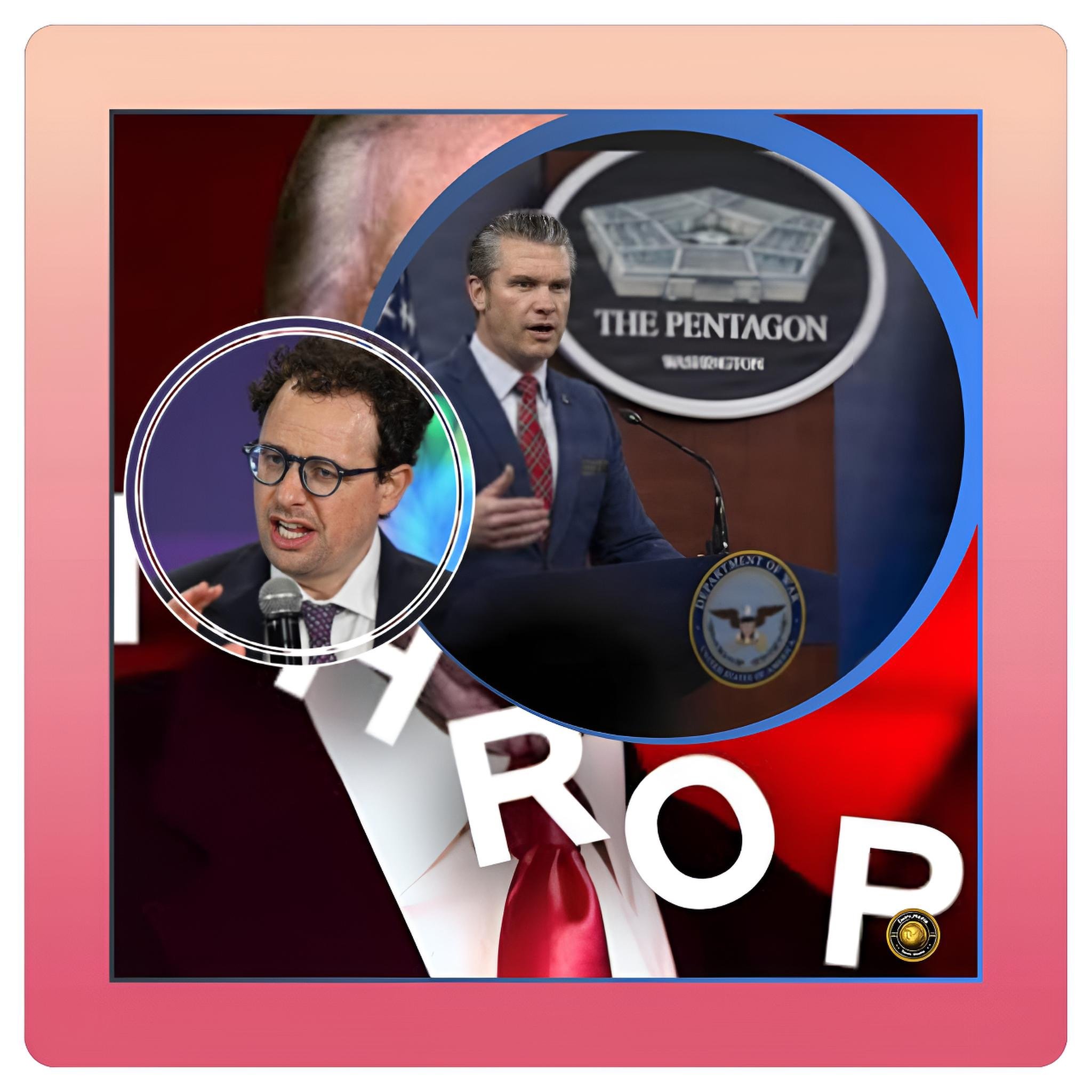
The Pentagon has now said that Anthropic is a “supply‑chain risk,” which is a serious label usually given to companies from rival countries.
Anthropic’s boss, Dario Amodei, says this is wrong and plans to take the Pentagon to court.
What is happening now?
When the Pentagon calls a company a “supply‑chain risk,” it means defence contractors are not allowed to use that company’s products in work for the military.
In simple terms, if a business wants to build tools or services for the Pentagon, it should not use Anthropic’s AI in those projects.
Anthropic says that this decision will only hit a small part of its business, because most of its customers are not doing Pentagon work. But the label can still scare people, because other customers may worry that using Anthropic could cause trouble later.
Dario Amodei has said he is sorry for some of his earlier comments about the Trump administration, but he still thinks the decision is unfair and wants a judge to review it.
How the argument started?
The fight started because Anthropic and the Pentagon have different ideas about how AI should be used in war and security. Anthropic put strong rules on its AI system, Claude, so it cannot be used for watching United States citizens or running weapons that decide on their own what to attack.
The Pentagon did not like these limits. It says that the military must be free to use technology for all lawful purposes and that no private company should set extra rules on top of the law.
For the Pentagon, letting Anthropic decide where the line is would be like letting a contractor overrule military leaders.
Talks between the two sides did not solve the problem. Anthropic tried to keep helping important security work while holding on to its rules.
Officers even warned that losing access to Anthropic’s AI could delay some projects by 6–12 months. But in the end, both sides stood firm, and the argument grew more public and more angry.
The leaked memo and the apology
Things got worse when an internal memo from Amodei was leaked. In the memo he suggested that the Trump administration was punishing Anthropic because he had not given “dictator‑style praise” to President Trump.
This phrase made headlines. It made the fight sound personal and political, not just about rules and safety.
After the memo became public, Amodei told reporters that he was sorry for how he had expressed himself, saying it was not helpful and had made a confusing time even more tense.
Still, he did not change his view that the Pentagon’s move was legally wrong and dangerous for the wider AI industry.
So we now have an unusual mix: an apology for the tone, but not for the basic position.
Why the “risk” label matters
Even if the label hits only a small part of Anthropic’s income today, it matters for several reasons.
First, it sets a new example. Before this, the United States mainly used “supply‑chain risk” powers against foreign firms linked to hostile states.
Using the same tool on a United States AI lab tells other companies that they, too, might be treated like foreign threats if they refuse to follow the Pentagon’s wishes on how their tools are used.
Second, the label may scare away other customers. A defence contractor building a civilian product might still worry that using Anthropic somewhere in its systems could raise questions later.
To be safe, that contractor might choose a different AI vendor, even if it likes Anthropic’s technology more.
Third, other governments are watching. Some may copy the United States, using “risk” labels or similar tools to punish companies that will not support certain military or surveillance uses.
That could make life much harder for AI firms that want to keep strict safety rules in place.
How cause and effect work in this case
We can see a chain of events that led to today’s situation.
Anthropic wrote strong rules into its products to try to avoid dangerous uses like mass spying on citizens and fully independent killing machines. These rules came from its mission to build AI that is safe and does not cause serious harm.
The Pentagon, on the other hand, saw these rules as getting in the way of its job.
It argues that only elected leaders and the law should decide what is allowed in war and national defence.
So what Anthropic saw as safety, the Pentagon saw as a private company taking power it should not have.
Because both sides felt they were defending basic principles, talks broke down.
Then public threats and sharp words made it even harder to back down.
When Amodei’s memo came out, it turned a policy fight into a story about pride and politics, which gave the Pentagon more reason to act firmly.
Once the “supply‑chain risk” label was used, other players—like defence contractors and cloud providers—began to worry about their own exposure.
Many of them will now act extra carefully, cutting ties just to avoid any chance of being dragged into a similar fight. This is what people mean when they talk about a “chilling effect.”
Possible future paths
There are several ways this story could move from here.
One path is through the courts. Anthropic says it will challenge the designation as going beyond what the law allows.
If judges agree, they could cancel or limit the label and set new rules for how the Pentagon can use such powers in the future.
If judges disagree, the Pentagon’s actions will gain stronger legal backing, which could worry other AI labs that want to keep tough safety rules.
Another path is negotiation. Even while preparing for court, Anthropic is still talking to government officials.
They might find a middle way, for example by agreeing on certain uses where Anthropic’s rules are relaxed and others where they remain strict. This would not solve every problem, but it could reduce the pressure on both sides.
A third path is new laws. The dispute may push Congress and other lawmakers to write clearer rules about what limits AI companies may place on military users.
For example, a law could say that companies must support all lawful uses, or it could say that companies may refuse uses that cross certain safety lines, even for the military. Either choice would have big effects on how future AI firms behave.
Why this matters beyond one company
This fight is important not only for Anthropic but for the whole AI world. Other labs have made public promises about not building certain weapons or not helping with large‑scale spying.
They will now ask themselves whether they could face similar pressure if they stick to those promises when a powerful government wants more.
The case also shapes how people think about power in the age of AI. Should large AI labs be allowed to draw red lines that even militaries cannot cross when using their tools? Or should states always have the final say, as long as what they do is lawful inside their own system?
An example can make this clearer. Imagine a company that makes encryption tools. If it refuses to weaken its security, some governments may threaten to ban it, claiming that strong encryption helps criminals.
The company then has to choose between its promise of privacy and access to a big market. Anthropic is now in a roughly similar position, but the subject is military AI instead of encryption.
Final thoughts
Anthropic’s clash with the Pentagon shows how hard it is to balance safety, profit, and national security in the AI age. The company tried to set strong rules on how its AI can be used, and the Pentagon pushed back using one of its strongest tools for controlling suppliers.
What happens next—whether in court, in new deals, or in new laws—will shape not only Anthropic’s future but also the choices facing every AI firm that wants both to help governments and to set its own ethical limits.