Iranian Military Retaliation Against Israel: Initial Assessment
Executive Summary
The unprecedented escalation between Israel and Iran that began on June 13, 2025, represents the most significant direct military confrontation between the two adversaries in decades.
Israel’s “Operation Rising Lion” targeted Iran’s nuclear infrastructure and military leadership, while Iran’s retaliatory “Operation True Promise III” demonstrated both countries’ capacity for sustained military engagement.
FAF, Gulf. Inc.'s assessment confirms the strategic implications outlined, revealing critical vulnerabilities in both nations’ defense systems and the emergence of a new phase of direct warfare between regional powers.
Operational Overview
Israeli Strike Operations
Israel’s military campaign commenced in the early hours of June 13, 2025, deploying over 200 aircraft that struck more than 100 targets across Iran with approximately 330 munitions.
The operation specifically targeted uranium enrichment facilities at Natanz, Isfahan, and Fordow, alongside missile production sites and command centers.
Israeli forces utilized pre-positioned drones and conducted coordinated Mossad sabotage operations that turned off Iranian air defenses, securing air superiority for the strikes.
The attacks resulted in significant damage to Iran’s nuclear infrastructure, with Israeli officials claiming the strikes at Natanz and Isfahan facilities caused “significant” damage to centrifuge operations and uranium processing capabilities.
The South Pars gas field, the world’s largest natural gas reserve, was also targeted, marking Israel’s first strike on Iranian energy infrastructure.
Iranian Military Leadership Casualties
The Israeli strikes successfully eliminated Iran’s top military hierarchy, confirming the assessment of senior command vulnerability. Major casualties included:
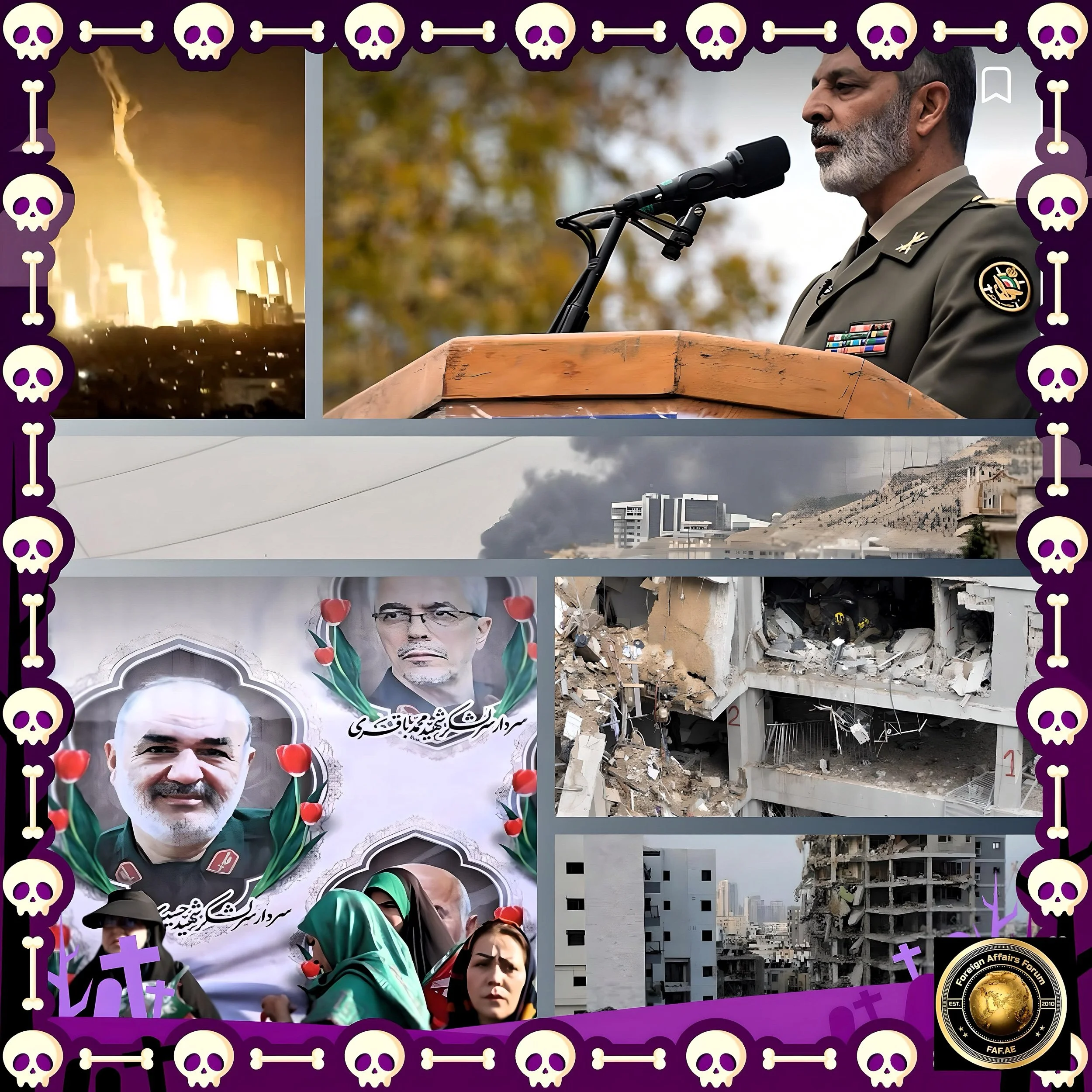
Major General Mohammad Bagheri: Chief of Staff of Iran’s Armed Forces since 2016
Major General Hossein Salami: Commander of the Islamic Revolutionary Guard Corps (IRGC) since 2019
Brigadier General Amir Ali Hajizadeh: Commander of IRGC Aerospace Force, responsible for Iran’s missile and drone programs
Major General Gholamali Rashid: Deputy chief of staff for the Iranian Armed Forces
Nuclear Scientists Targeted
Israel’s systematic targeting of nuclear personnel resulted in the deaths of at least nine atomic scientists, including Dr. Mohammad Mehdi Tehranchi, a prominent theoretical physicist and president of Islamic Azad University.
Tehranchi had been placed on the U.S. Department of Commerce Entity List in 2020 for activities contrary to national security interests.
Other confirmed casualties included former Atomic Energy Organization head Fereydoun Abbasi and scientists Ahmad Zolfaghari, Hossein Moghaddam, and Motalebi Zadeh.
Iranian Retaliation Assessment
Missile and Drone Operations
Iran’s immediate response validated the assessment of its retaliatory capabilities, launching over 150 ballistic missiles and more than 100 drones in coordinated waves.
The initial drone swarm attack occurred within hours of the Israeli strikes, with many intercepted over Jordanian and Iraqi airspace.
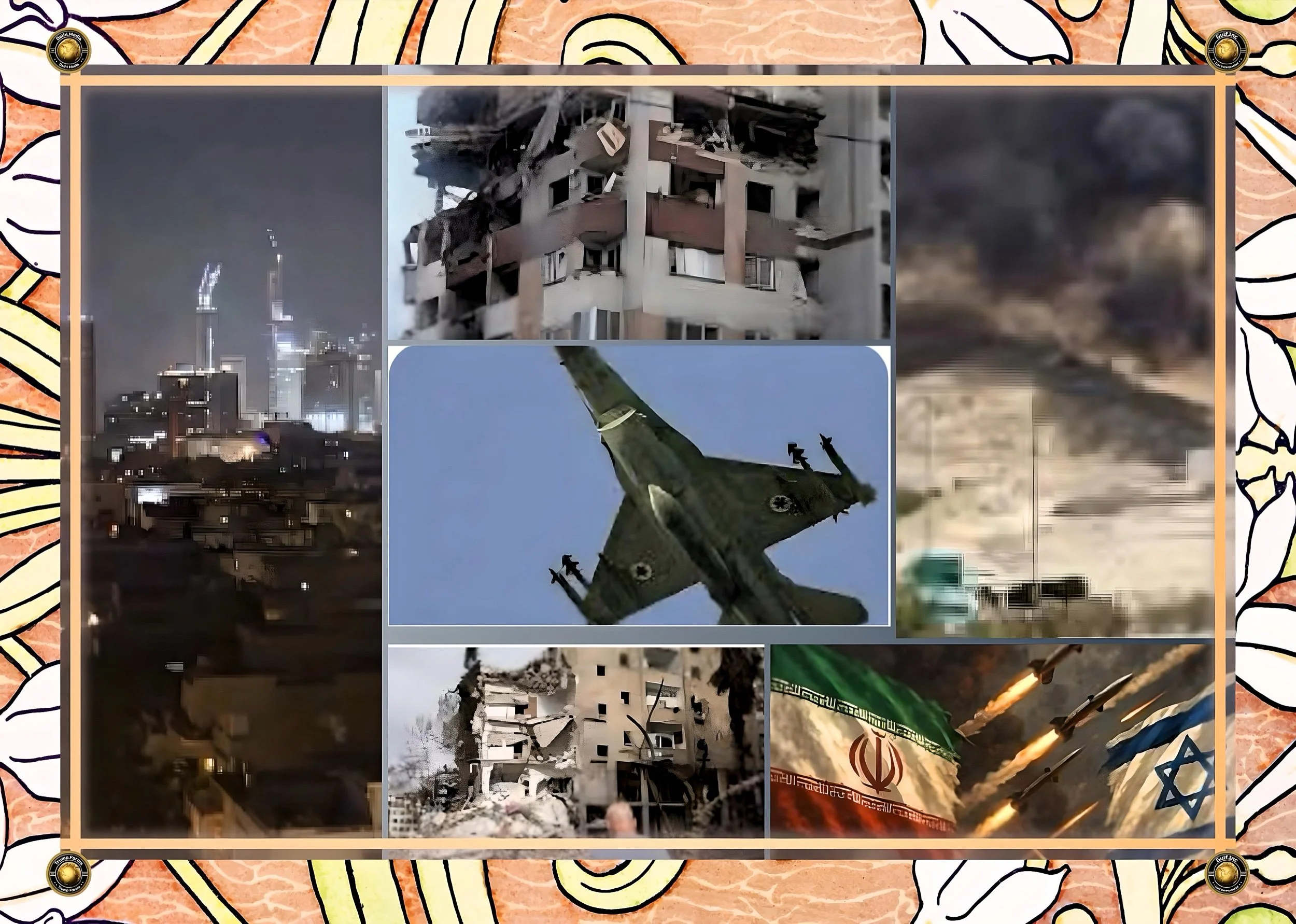
The subsequent ballistic missile barrage on Friday evening demonstrated Iran’s ability to penetrate Israeli air defenses, with impacts reported in Tel Aviv, Jerusalem, and other strategic locations.
Target Effectiveness
Iranian missiles successfully struck multiple high-value targets within Israel, confirming the intelligence assessment of Tehran’s detailed knowledge of Israeli infrastructure.
Confirmed hits included Tel Aviv and Ramat Gan residential buildings, military installations, and civilian areas. The attacks resulted in at least 13 Israeli fatalities and over 200 injuries by June 15.
Continued Operations
Iran sustained its offensive through June 15, launching additional missile salvos while Israeli forces continued striking Iranian targets.
Iranian Revolutionary Guard forces claimed their missiles targeted Israeli fighter jet fuel production facilities and energy infrastructure.
International Response Validation
United States Position
The U.S. response confirmed prior knowledge of Israeli operations while maintaining official non-involvement.
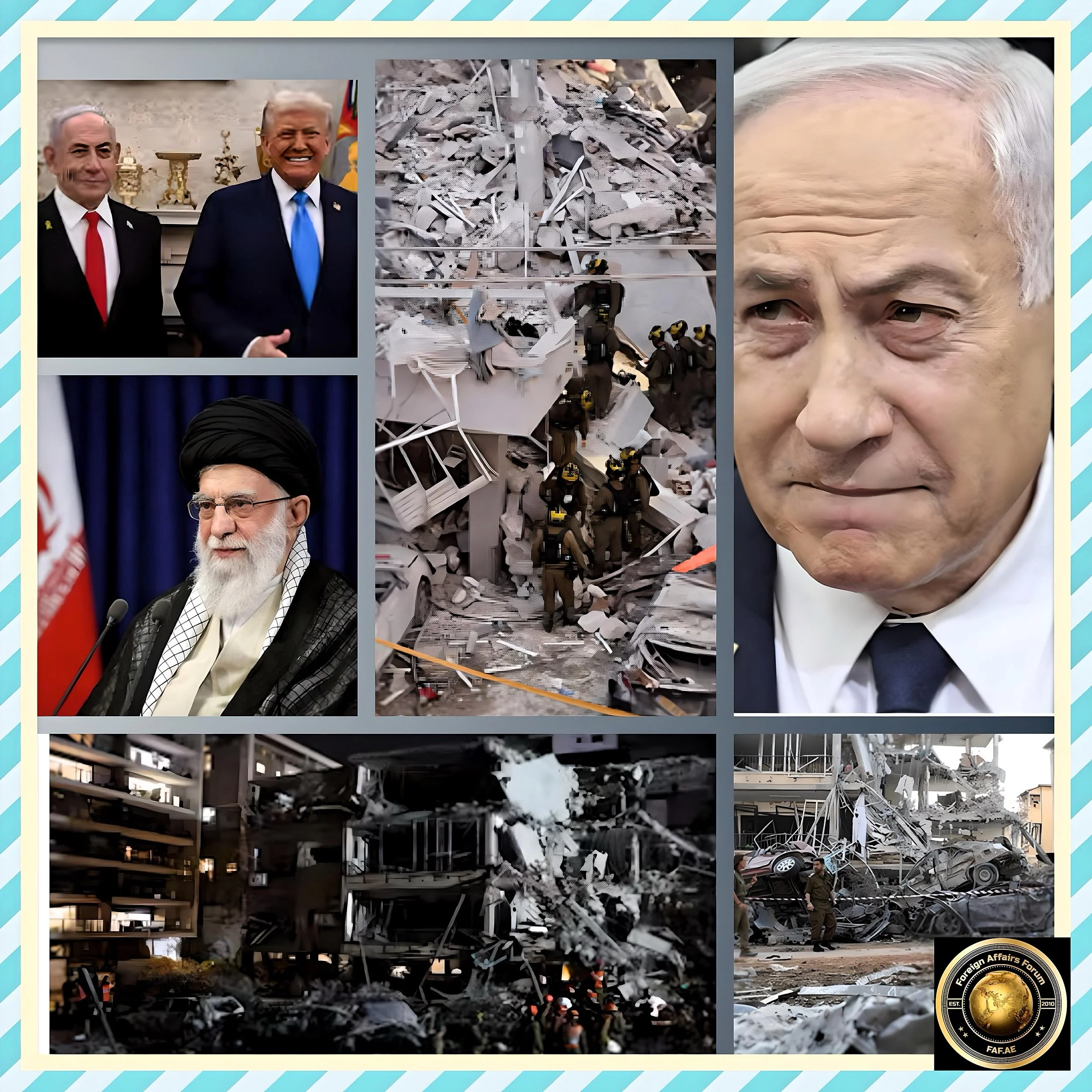
President Trump praised the Israeli strikes as “excellent” and “very successful,” warning Iran must “make a deal now” or face “even more destructive and deadly military action.”
U.S. forces assisted in intercepting Iranian missiles, with troops at bases in Iraq and Syria ordered into bunkers during the attacks.
Regional Reactions
International responses aligned with the assessment’s predictions:
Saudi Arabia strongly condemned the Israeli strikes as a “heinous violation of sovereignty and international law,” with Crown Prince Mohammed bin Salman expressing condemnation directly to Iranian President Pezeshkian.
China condemned Israel’s actions through Foreign Minister Wang Yi, who characterized the attacks as “seriously violating fundamental norms governing international relations” and offered Beijing’s assistance in de-escalation.
Russia emphasized risks to global security through Foreign Minister Sergei Lavrov, expressing condolences to Iran and readiness to help resolve the nuclear program issues.
Armenia condemned the Israeli strikes and called for an immediate cessation of hostilities. At the same time, Azerbaijan took a more cautious approach, calling for dialogue while confirming it would not allow its territory to be used against Iran.
Strategic Implications Confirmed
Geopolitical Risk Escalation
The conflict has dramatically increased regional instability, with both nations demonstrating a capacity for sustained direct military engagement. Oil prices surged 9% following the initial strikes, and Iran threatened to close the Strait of Hormuz, through which 17 million barrels of oil pass daily.
Israeli Defense Vulnerabilities
Iranian missiles successfully penetrated Israel’s Iron Dome system, striking multiple targets across the country and validating concerns about Israeli air defense limitations.
The attacks revealed gaps in Israel’s multi-layered defense network when facing saturated missile attacks.
Iranian Defense Deficiencies
Israel’s ability to conduct deep strikes into Iranian territory, eliminate senior leadership, and damage nuclear facilities confirmed significant weaknesses in Iran’s defensive capabilities.
Iranian officials privately expressed “anger and disbelief” over the country’s inability to prevent the strikes, asking, “Where is our air defense?”.
Nuclear Program Impact
Israeli strikes caused substantial damage to Iran’s nuclear infrastructure, with the IAEA confirming attacks on safeguarded facilities.
The Natanz facility suffered power disruptions to underground centrifuge levels, while the Isfahan facilities sustained damage to uranium processing capabilities.
Escalation Trajectory
Continued Military Operations
Both nations have signaled their intention to continue operations, with Netanyahu declaring that “what they have experienced so far is nothing compared with what they will face in the coming days.”
Israeli Defense Minister Israel Katz warned that “Tehran will burn” if missile attacks continue.
Intelligence Warfare Intensification
The precision of both sides’ targeting confirms an advanced intelligence war, with Israel utilizing pre-positioned assets and Iran demonstrating detailed knowledge of Israeli infrastructure.
This mutual intelligence penetration increases the likelihood of preemptive actions and further escalation.
Regional Spillover Risk
The conflict has already disrupted regional stability, with flights diverted, shipping routes affected, and U.S.-Iran nuclear negotiations canceled. The potential closure of the Strait of Hormuz poses significant risks to global energy supplies.
Conclusion
The June 2025 Israel-Iran conflict represents a fundamental shift from proxy warfare to direct military confrontation between regional powers.
The initial phase of hostilities has validated the assessment’s predictions regarding mutual defensive vulnerabilities, intelligence capabilities, and escalation risks.
Both nations have demonstrated the capacity and intent for sustained military operations, confirming the emergence of a new paradigm in Middle Eastern security dynamics that poses significant risks for regional and global stability.