Iran and America: Can Two Enemies Find a Way Out of War? - Beginners 101 Guide Is there a way for the US/Israel to avoid war with Iran?
Summary
What Is This War and Why Should You Care
Imagine two neighbors who have been angry at each other for decades.
They have argued, thrown things at each other's houses, and tried to hurt each other through friends.
Now one neighbor has broken the other's windows with a hammer and the other has thrown a rock through the first neighbor's car. Both are bleeding.
Both are standing in the street. And nobody is sure how to stop.
That is roughly what is happening between the United States and Iran right now.
The two countries have been in a state of hostility since Iran's Islamic Revolution in 1979.
For over forty years, they have not talked directly, they have fought through others, and they have threatened each other endlessly.
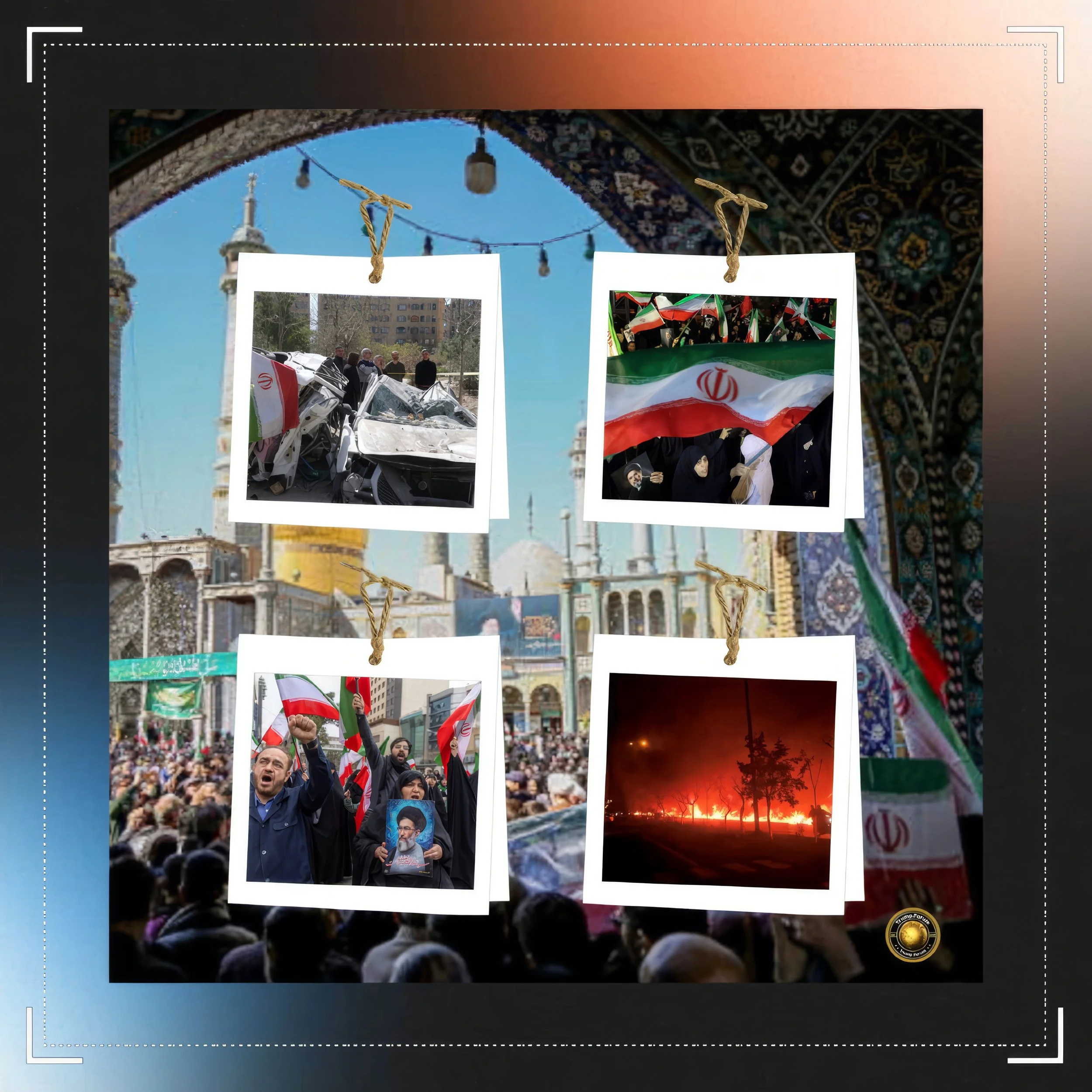
But in 2025, the fighting became real and direct — and now, in March 2026, the world is asking whether there is any way out.
How Did the Fighting Start?
To understand where things stand today, you need to understand a little bit of history. Iran has been building up its nuclear program for decades.
A nuclear program means a country is working with radioactive materials — sometimes to make electricity, sometimes to make weapons. Most countries accept nuclear energy.
The problem with Iran is that many people believe it also wants to build nuclear bombs.
In 2015, Iran signed an agreement called the JCPOA with the United States and several other major countries.
Think of it like a contract: Iran agreed to slow down its nuclear work, let inspectors come and check, and in exchange the world would lift some of the heavy economic punishments — called sanctions — that had made Iran's economy very difficult.
Then in 2018, President Trump tore up that contract. He said it was a bad deal.
He reimposed heavy sanctions, which is like putting a very heavy tax on everything Iran tries to buy or sell internationally.
Iran responded by cheating on the agreement — enriching uranium to higher and higher levels, far beyond what the 2015 deal allowed.
By 2025, Iran was enriching uranium to 60% purity, which is not weapons-level but is dangerously close.
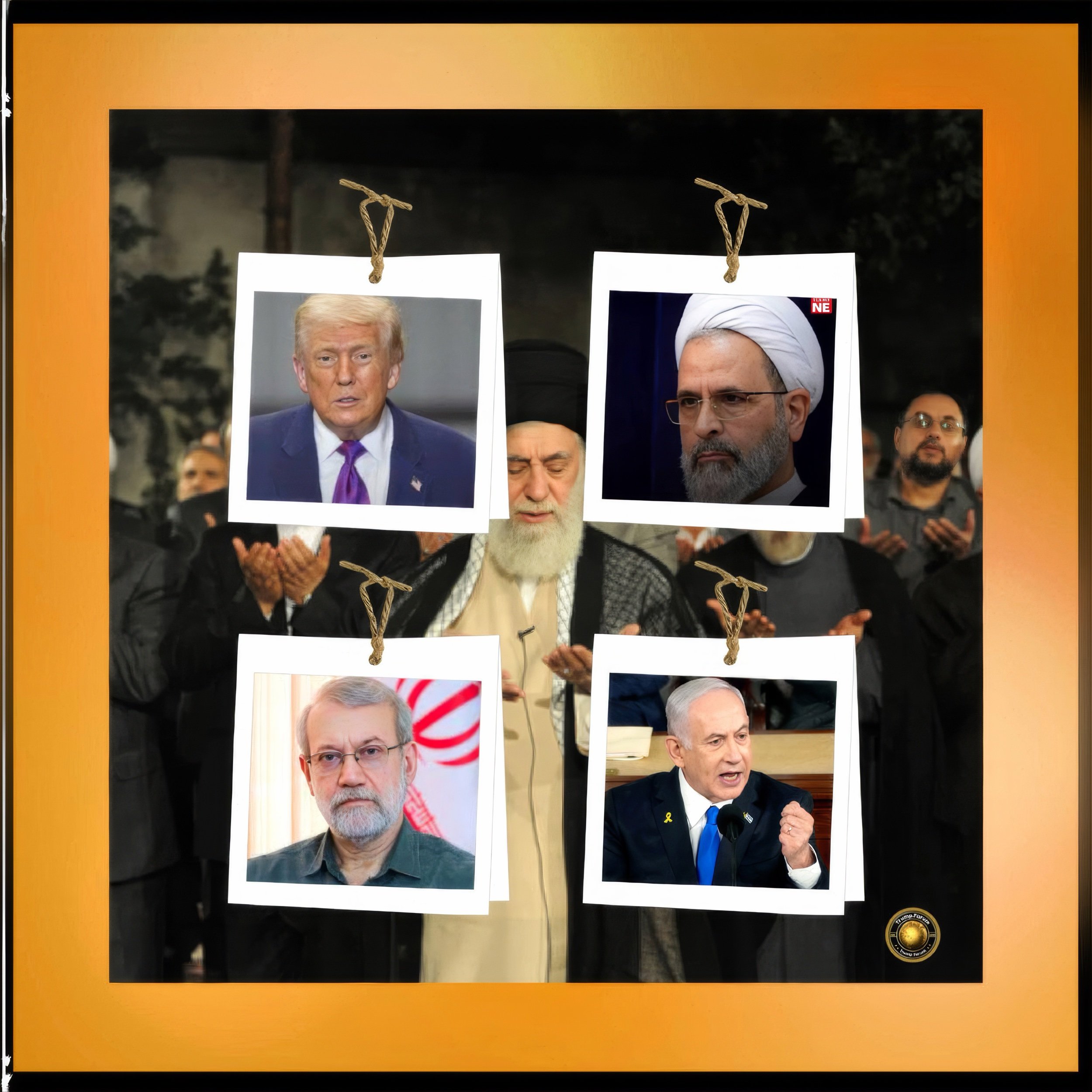
Trump returned to office in January 2025 and sent a letter to Iran's supreme leader, Ayatollah Khamenei, proposing new talks.
For a few months, there were quiet meetings in Oman — a small Gulf country that has served as a kind of referee between the two sides. But the talks collapsed.
Iran rejected America's proposal, calling it unreasonable.
And then, on June 13, 2025, Israel launched a massive military attack on Iran called Operation Rising Lion.
The Twelve-Day War: What Happened and What It Changed
Over 200 Israeli warplanes struck more than 100 sites inside Iran.
They targeted nuclear facilities, military bases, and key commanders. Iran's top military leaders — the head of its most powerful military force and several of its leading nuclear scientists — were killed in those first strikes.
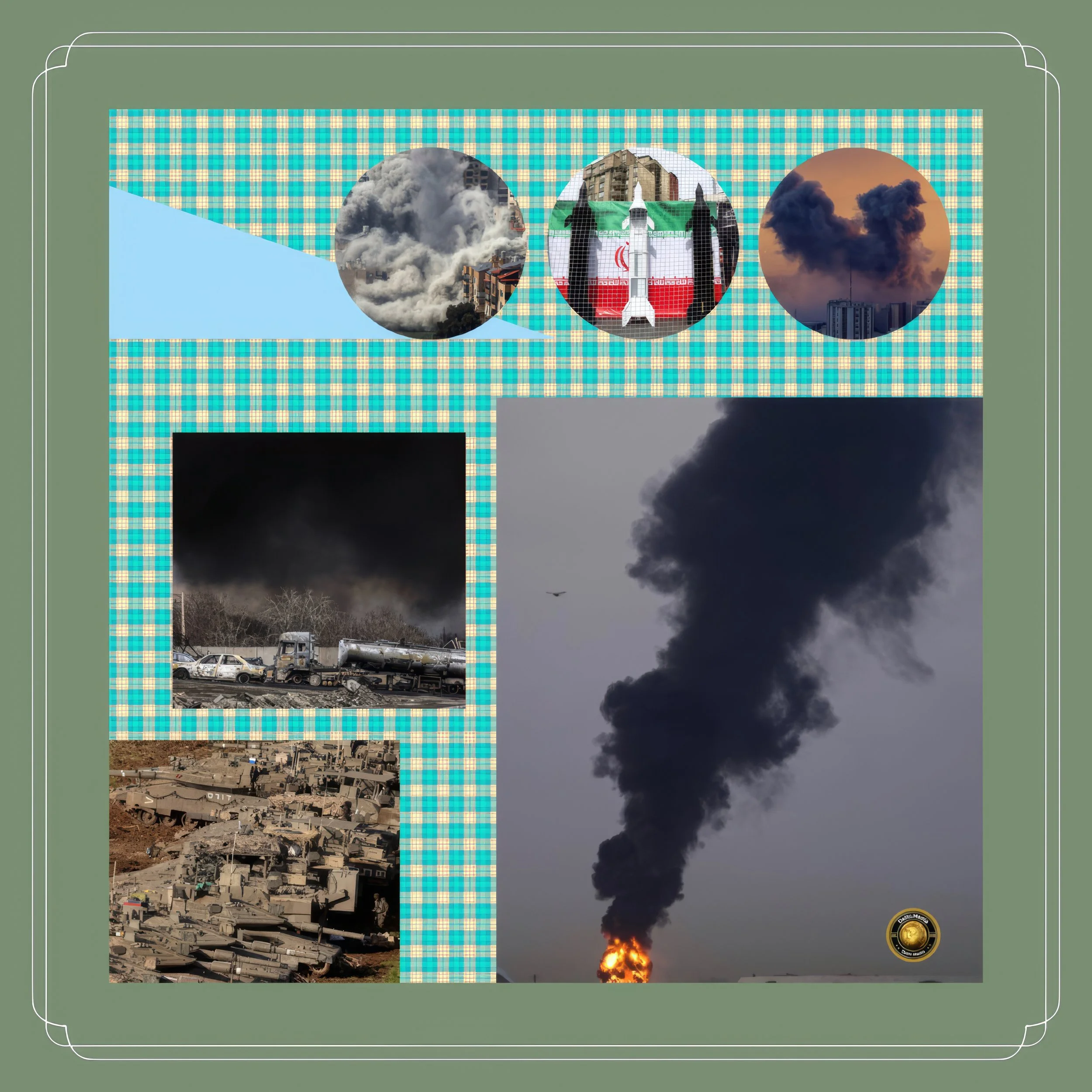
Iran fired back with hundreds of ballistic missiles aimed at Israeli cities.
Then, on June 21, 2025, the United States joined the fight. American planes dropped heavy bombs — called bunker-busters — on Iran's deepest underground nuclear facilities at places called Natanz, Fordow, and Isfahan.
These were bunkers so deep that only American weapons could reach them. A ceasefire was called on June 24, 2025 — so the fighting lasted twelve days.
But here is the important thing: ceasefire did not mean peace. It just meant the shooting stopped for a while.
None of the big problems were resolved. Iran was damaged but not defeated. Khamenei was killed in the strikes, creating a leadership crisis in Iran.
The nuclear program was disrupted but not destroyed. Iran formally cancelled the 2015 nuclear deal in October 2025.
Then, in late February 2026, fighting resumed on a bigger scale — and here we are.
Where Things Stand Right Now in March 2026?
As of late March 2026, the United States has proposed a 15-point peace plan — think of it as a list of 15 demands — sent to Iran through Pakistan, which is acting as a messenger.
Those demands include: stop all nuclear work, give up your enriched uranium, limit your missiles, stop supporting armed groups in other countries like Yemen and Lebanon, and keep the Strait of Hormuz open for ships.
The Strait of Hormuz is a narrow waterway through which about 20% of the world's oil passes. Iran has been threatening to block it.
In exchange, the United States says it will end the war and lift sanctions.
Iran's response was fast and blunt. An Iranian official called the proposal "one-sided and unfair," saying it asks Iran to give up all its defenses in exchange for a vague promise to ease sanctions — a promise Iran does not trust America to keep.
Iran has its own five counter-demands, and it insists there are no formal negotiations happening, even as America says talks are "going well."
Both sides are using what experts call coercive diplomacy — basically, using public statements as weapons to scare or pressure the other side, not to sincerely negotiate.
The Economics of Pain?
Iran's economy is in terrible shape. Think of a household that has lost its main job and is being blocked from spending money at most shops. That is Iran.
The World Bank says Iran's economy shrank by about 1.7% in 2025 and will likely shrink again by almost 3% in 2026.
Prices for everyday goods — bread, meat, medicine — are rising at over 40% per year. Iran's currency, the rial, has collapsed on the black market.
You might think this pain would force Iran to accept any deal. But history says otherwise.
Think of Cuba, which has suffered American sanctions for sixty years yet has never changed its government because of them.
People under siege often become more defiant, not less. In Iran, the government has learned to use economic hardship as proof that America is the enemy — which actually makes the public more supportive of resisting American demands, not less.
Why a Deal Is Hard But Not Impossible?
Here is the core problem in simple terms. America is asking Iran to give up nearly everything that protects it — its nuclear program, its missiles, its friends in the region. Iran is being asked to do this based on America's word that it will lift sanctions.
But Iran watched America walk away from the 2015 deal once already. Why would it trust America's word again?
And Iran's leaders face a political reality: any leader who accepts such a lopsided deal would likely be removed or killed by hardliners within days.
So even if a moderate Iranian official wanted to make a deal, the political system would not let them.
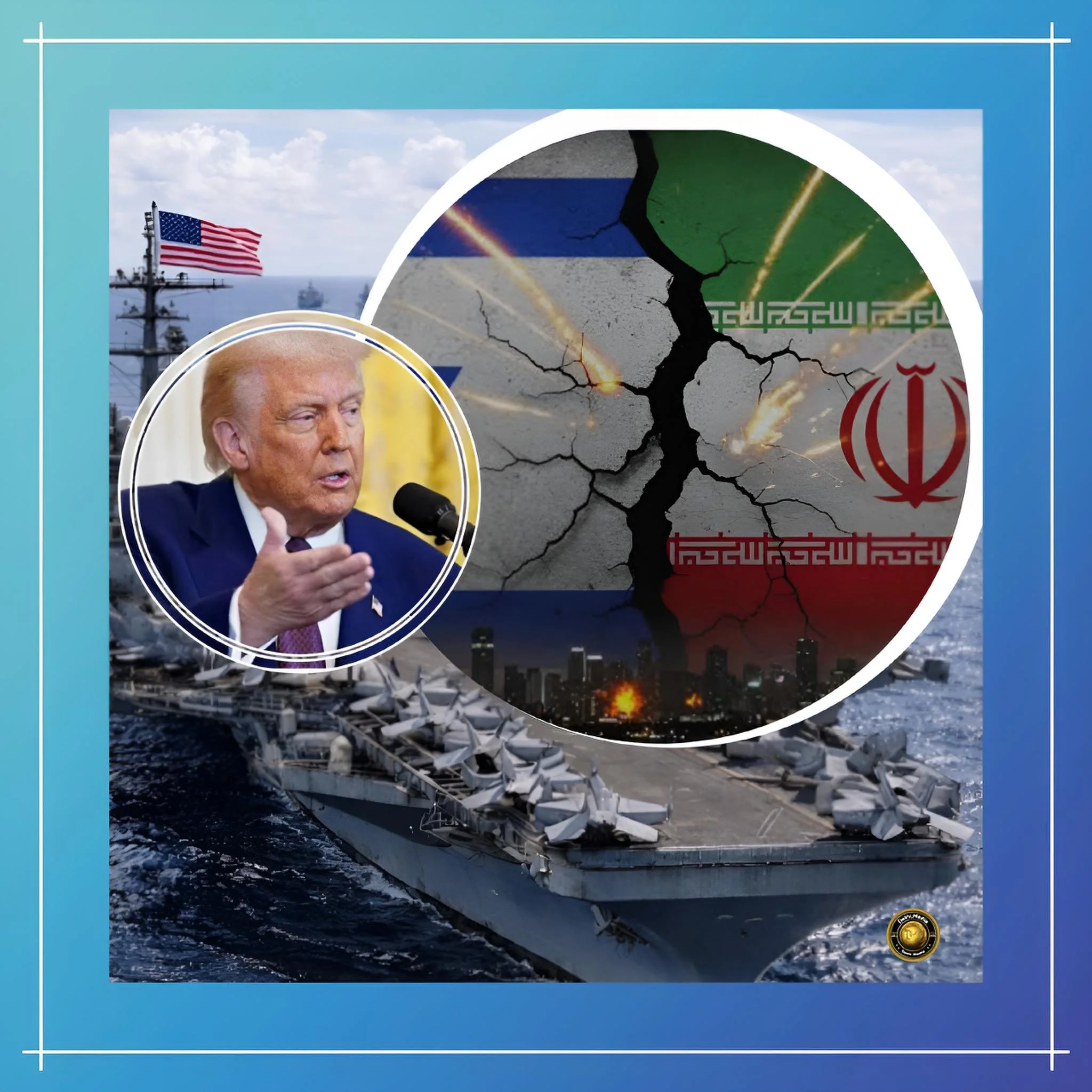
On the American side, President Trump needs to look like a winner. He cannot simply shake hands with Iran and call it even — his political base expects a decisive victory.
And Israel, America's closest ally in the region, is strongly opposed to any deal that leaves Iran with even a tiny nuclear program.
So both sides are trapped by their own politics, even when their interests might actually overlap.
What a Real Exit Plan Looks Like?
What could actually work? Think of it like a divorce settlement rather than a surrender. Nobody gets everything. But both sides get enough to live with.
A realistic deal would probably include Iran agreeing to keep its nuclear enrichment at a very low level, not enough to build a bomb, with international inspectors watching all the time.
In return, America would lift sanctions in stages, starting with banking access, so Iran can trade with the world again.
Crucially, the sanctions relief would need to be guaranteed by multiple countries — not just America's word alone — so Iran can trust it will not be reversed again.
On missiles and regional groups, the compromise might involve Iran not sending new weapons to groups in other countries, rather than completely cutting ties — a distinction that is meaningful to Tehran.
The mediating countries — Oman, Pakistan, Turkey, Qatar — would need to stay actively involved, not just passing messages but guaranteeing the terms.
And America would need to give Israel security guarantees strong enough to make Jerusalem accept a deal that does not fully eliminate Iran's nuclear program.
The Lesson From Two Failed Wars
George W. Bush removed Saddam Hussein and created a power vacuum that Iran actually benefited from.
Obama helped remove Qaddafi and left Libya in chaos.
In both cases, the lesson is the same: removing a regime without a plan for what comes next makes things worse, not better.
Iran is not going away. It has ninety million people, sits on vast oil reserves, and shares borders with seven countries.
America cannot occupy it, cannot fully destroy it, and cannot ignore it. The only rational path forward is a deal — not a perfect deal, not a complete American victory, but an imperfect, monitored, enforced compromise that makes both sides safer than continued war.
The window for that compromise is still open. It is getting smaller every day. But it is not yet closed.