The Environmental and Public Health Crisis of the US-Israel-Iran War: Toxic Legacies, Nuclear Dangers, and Ecosystem Collapse in a Divided Middle East
Executive Summary
The War's Hidden Casualty: Environmental Devastation and Public Health Crisis from US-Israel-Iran Conflict
The military confrontation between the United States, Israel, and Iran — escalating dramatically from the 12-Day War of June 2025 through the full-scale Operation Epic Fury launched on February 28, 2026 — has generated an environmental and public health emergency of historic proportions.
Strikes on oil refineries, nuclear facilities, missile bases, gas processing plants, and desalination infrastructure across Iran, Lebanon, and the wider Gulf region have unleashed a cascade of toxic pollutants into the air, soil, water, and marine environment.
Black acid rain descended on Tehran; radioactive contamination threatens the Persian Gulf; and beneath the waterline, over 700 fish species, the world's second-largest dugong population, and heat-stressed coral reefs face annihilation.
FAF article provides a comprehensive scholarly examination of these overlapping crises, spanning hazardous air quality, alleged chemical weapons use, Lebanon's ongoing militarization, nuclear facility strike risks, LPG and gas infrastructure vulnerability, and marine ecosystem collapse.
The findings demand urgent international legal and diplomatic action.
Introduction: When the Battlefield Becomes the Biosphere
Black Rain Over Tehran: How US-Israeli Strikes Turned an Ancient City Into a Toxic Zone
There is a long-established but frequently overlooked truth in the analysis of modern warfare: the environment does not recognize ceasefires.
Long after the political settlements are signed and the last missile is tracked on radar, the biological residue of armed conflict continues its invisible work in soil, groundwater, ocean sediment, and human lung tissue.
The ongoing US-Israel military campaign against Iran, now prosecuted across multiple phases and encompassing Lebanon as a secondary landscape, represents one of the most ecologically destructive conflicts in the post-Cold War era.
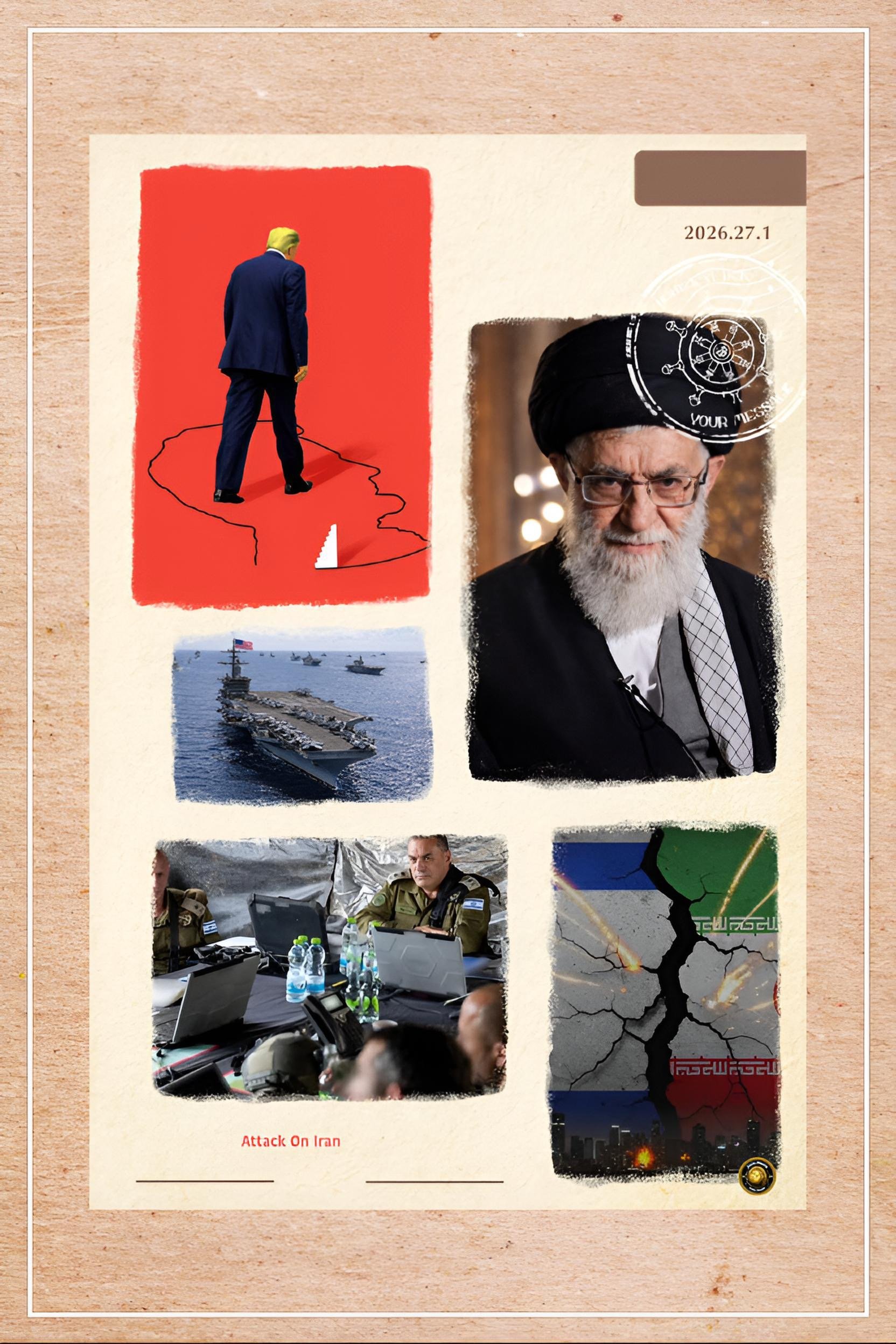
The conflict began formally — in its current, most intensive iteration — on February 28, 2026, when the United States and Israel launched coordinated surprise airstrikes on multiple sites across Iran, killing senior officials and targeting the country's nuclear, military, and energy infrastructure.
This followed the more limited 12-Day War of June 2025, in which Israel had destroyed nuclear enrichment facilities at Fordo, Isfahan, and Natanz, deploying bunker-busting bombs weighing 30,000 pounds each and 30 Tomahawk cruise missiles.
Iran's retaliatory doctrine — striking Gulf state energy infrastructure, oil refineries in Haifa, and US bases in Kuwait and the UAE — transformed the entire Persian Gulf into an environmental combat zone.
The result, according to environmental researchers at the Conflict and Environment Observatory (CEOBS), Greenpeace Germany, and the World Health Organization (WHO), is a compounding catastrophe that does not respect national borders.
Toxic smoke plumes generated from burning oil depots cross into neighboring states; radioactive particles from struck nuclear facilities threaten to disperse across the Gulf within 24 to 48 hours depending on wind direction; and the semi-enclosed Persian Gulf ecosystem, already weakened by decades of industrial exploitation and climate change, faces the prospect of permanent ecological collapse.
FAF article examines six interconnected dimensions of this crisis: the respiratory and public health emergency from hazardous air; the question of chemical weapons; the environmental implications of Lebanon's militarized landscape; the nuclear and radiological risks from targeted strikes on Iranian nuclear facilities; the pollution dynamics of LPG and gas plant attacks; and the marine ecological emergency in the Persian Gulf and Sea of Oman.
History and Current Status: A Conflict's Environmental Genealogy
The Invisible War: Nuclear Strikes on Iran's Bushehr Plant Threaten Gulf States With Radioactive Rain
The toxic legacy of Middle Eastern warfare is not new.
During the 1980–1988 Iran-Iraq War, oil spills released into the Persian Gulf were linked to the near-total annihilation of the Gulf's hawksbill turtle population and a major destruction of green turtle populations.
During the 1991 Gulf War, Iraqi forces released up to 11 million barrels of oil into the Gulf, contaminating 640 kilometers of Saudi coastline and killing more than 30,000 seabirds, effects whose reverberations in the marine food chain persisted for decades.
Each subsequent conflict — the 2003 Iraq War, the 2006 Lebanon War, the post-2014 Syrian civil war — added new layers of contamination: depleted uranium, white phosphorus, burning oil wells, industrial chemicals, and destroyed water treatment infrastructure.
The 2023–2025 Gaza and Lebanon campaigns introduced a new variable into the environmental equation: the systematic, high-frequency use of incendiary munitions including white phosphorus in populated and agricultural zones.
Between October 2023 and October 2024, Israel conducted 195 verified white phosphorus strikes across southern Lebanon, including in populated areas, according to monitoring organizations.
The American University of Beirut documented phosphorus levels in southern Lebanese soil at up to 1,000 times the natural baseline in affected zones.
White phosphorus runoff from these lands contaminates rivers and streams, producing algal blooms that choke aquatic life and disrupt coastal ecosystems, while phosphorus particles lodged in soil impair its capacity to sustain agriculture for years.
By the time Operation Epic Fury commenced in February 2026, Iran's energy and military infrastructure was already under sustained pressure.
The initial phase of US-Israeli strikes targeted missile bases, airfields, naval facilities, weapons depots, and military production sites across Iran. Iran responded by striking US air and naval bases in Kuwait, Qatar, Bahrain, and the UAE.
Saudi Aramco's largest domestic oil refinery was struck by Iranian drones and shut down.
Qatar's state-owned LNG producer QatarEnergy halted production at 2 of its primary gas processing facilities following Iranian missile attacks.
As of late March 2026, Israeli strikes on Iranian oil refineries had destroyed between 2.5 and 5.9 million barrels of oil, releasing an estimated 1.88 million tonnes of carbon dioxide equivalent (tCO2e) into the atmosphere.
The current status is one of active, expanding environmental deterioration.
The WHO has issued respiratory health warnings. IAEA inspectors have confirmed projectile impacts on the Bushehr Nuclear Power Plant's outer perimeter.
Kuwait has issued radiation alerts. And Greenpeace has warned that dozens of tankers carrying approximately 21 billion liters of oil remain trapped in the Persian Gulf, creating what one researcher described as an environmental "time bomb".
Key Developments: The Architecture of Environmental Destruction
White Phosphorus in Southern Lebanon: How Israeli Munitions Are Poisoning Soil for Future Generations
Hazardous Air and the Black Rain of Tehran
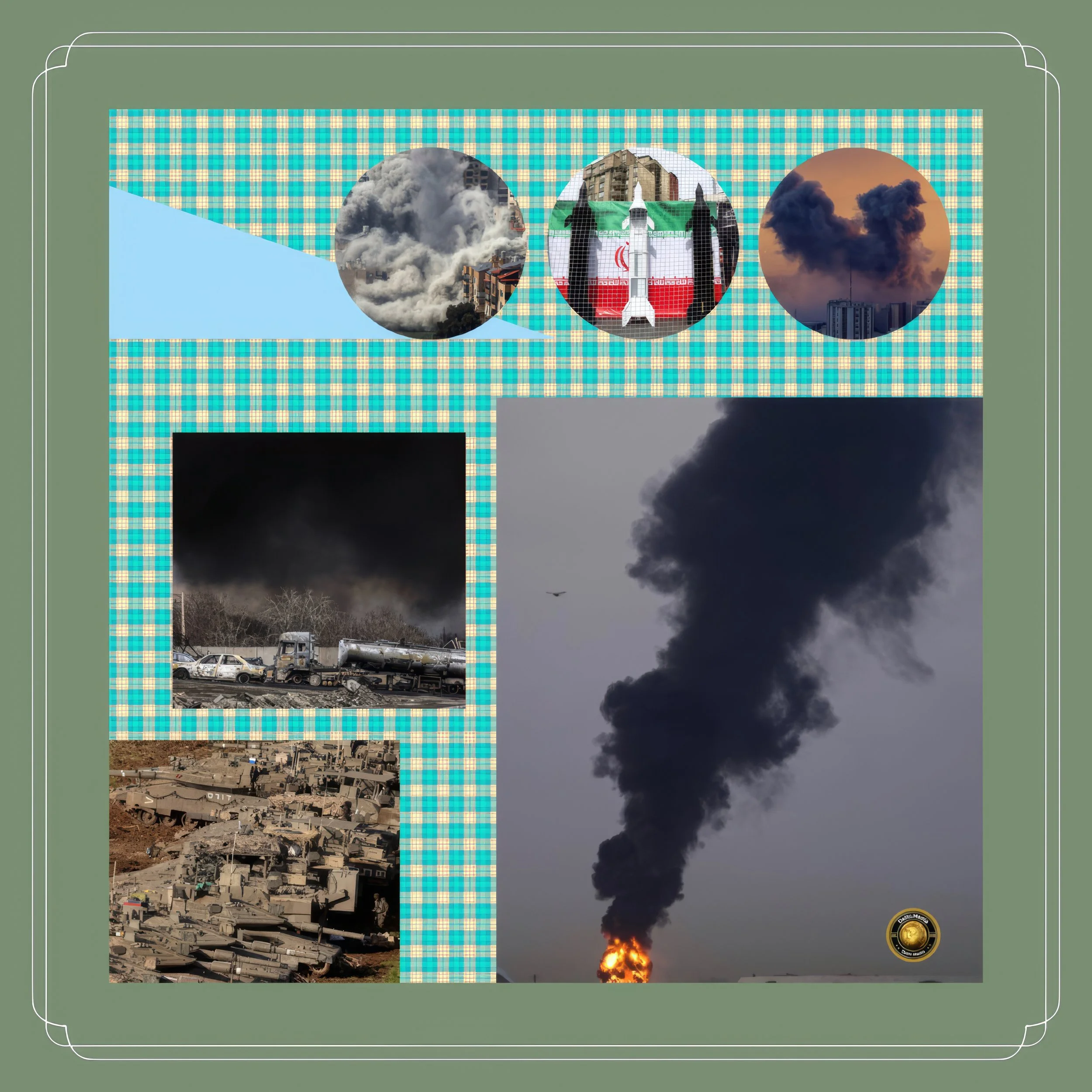
Among the most viscerally documented environmental events of the current conflict was the descent of black acid rain over Tehran on March 7th and 8th, 2026.
Israeli airstrikes on oil storage facilities and fuel depots in the Iranian capital ignited massive fires, generating enormous quantities of soot, smoke, oil particles, sulfur compounds, nitrogen oxides, and polycyclic aromatic hydrocarbons (PAHs).
These pollutants combined with a low-pressure meteorological system forming over Tehran, and subsequently fell back to Earth as an oily, acidic rain, prompting the WHO to issue respiratory health warnings and authorities to urge residents to remain indoors.
The Iranian Red Crescent Society warned that the smoke contained high concentrations of toxic hydrocarbons, sulfur, and nitrogen oxides — substances that, when encountered in rainfall, become caustic enough to cause burns and severe respiratory damage upon contact or inhalation.
Tehran's pre-existing air quality emergency significantly amplified these risks: average
PM2.5 levels in the city already exceed WHO guidelines by up to 4.5 times, meaning that the city's population — particularly the elderly, children, and individuals with pre-existing respiratory conditions — entered the black rain event in a state of compromised baseline health.
Chronic exposure to the additional particulate load creates heightened risk for acute exacerbations of asthma, chronic obstructive pulmonary disease (COPD), and cardiac events.
Beyond Tehran, the pattern of strikes on oil infrastructure in Ahvaz, Isfahan, and coastal industrial zones has generated sustained regional air quality degradation.
CEOBS researchers monitoring satellite imagery and atmospheric dispersion models have confirmed that toxic plumes from Iranian oil infrastructure fires crossed into neighboring Iraq, Kuwait, and the UAE, exposing millions of people across four countries to hazardous air quality.
The fires continue to burn, meaning that the toxic smoke continues to accumulate within the atmospheric boundary layer of urban centers that lack the meteorological conditions to disperse it rapidly.
The deployment of ballistic missiles and interceptor systems at scale also affects the upper atmosphere.
Missile propellants — including hydrazine derivatives, nitrogen tetroxide, and solid rocket fuels — introduce nitrogen oxides and stratospheric aerosols into the atmosphere at high altitudes, contributing to ozone layer depletion and altering radiative forcing over time.
Chemical Weapons: The Question of Israel's Alleged Use and Iran's Covert Program
The question of chemical weapons in this conflict is multidimensional and legally contested.
The clearest documented case involves white phosphorus, which Israel has used extensively in Lebanon.
Human Rights Watch confirmed on March 9th, 2026, that Israel unlawfully deployed artillery-fired white phosphorus munitions over civilian residential areas in the southern Lebanese town of Yohmor on March 3, 2026.
This deployment violates Protocol III of the Convention on Certain Conventional Weapons (CCW), which prohibits the use of incendiary weapons in populated areas.
Human Rights Watch had previously documented widespread Israeli white phosphorus use across southern Lebanon between October 2023 and May 2024.
White phosphorus is not classified as a chemical weapon under the Chemical Weapons Convention (CWC) because its primary military utility is as an obscurant and incendiary, rather than as a chemical agent.
However, its use against civilian populations produces effects indistinguishable from those of chemical warfare in terms of tissue damage, respiratory injury, and environmental contamination.
White phosphorus burns at approximately 816 degrees Celsius and cannot be extinguished by water; it re-ignites on contact with oxygen after being submerged.
When it lands on human skin, it burns to the bone. When it settles into agricultural soil, it poisons root systems and water tables for years.
Iran, by contrast, is the subject of far more legally serious allegations.
Israel's deputy ambassador to the Netherlands, Yaron Wax, declared before a special session of the Organisation for the Prohibition of Chemical Weapons (OPCW) on July 1st, 2025, that Iran has spent over two decades developing a covert chemical weapons program based on weaponized pharmaceutical agents (PBAs), particularly fentanyl-based munitions and other anesthetic compounds that affect the central nervous system and can be lethal even in small doses.
These agents have reportedly been incorporated into grenades and mortars capable of aerosolized delivery via drone-carried devices.
During the June 2025 strikes, Israel stated it had destroyed the Shahid Meisami Research Complex — a facility it identified as Iran's primary chemical and nuclear weapons research site — specifically to disrupt Tehran's illicit PBA program.
The Israel Defense Forces (IDF) also uncovered evidence that Iran had provided chemical weapons training to Hezbollah's elite Radwan Force, with IDF soldiers finding chemicals, sedatives, and gas masks at captured Hezbollah positions, interpreted as indicative of plans to drug and kidnap Israeli troops.
These allegations, while serious, remain contested and have not been independently verified by international inspectors who lack access to the relevant sites.
Lebanon: The Secondary Landscape and Its Cascading Environmental Costs
Beneath the Battle Lines: Persian Gulf Marine Life Faces Extinction as Oil Tankers Burn and Sink
Lebanon's role in the current conflict is structurally complex.
The Lebanese state — represented by the Lebanese Armed Forces (LAF) — has been attempting to assert sovereignty over southern Lebanon following Hezbollah's partial disarmament in early 2026.
However, Israel relaunched a military offensive on Lebanese territory on March 1st, 2026, launching over 70 airstrikes within the first 24 hours, targeting alleged Hezbollah weapons depots and launch sites following cross-border rocket and drone attacks by Hezbollah elements into northern Israel.
The environmental consequences of the Lebanon landscape build upon an already devastating 2023–2025 legacy.
The World Bank has estimated that environmental damage in Lebanon from the conflict — including natural resource degradation and solid waste management collapse — amounts to at least $221 million, while agricultural losses exceed $1 billion from the destruction of crops, livestock, and the displacement of farmers.
Southern Lebanon stretches from Chebaa in the east to Labboune in the southwest and has been subject to some of the highest concentrations of environmentally hazardous military activity in the entire conflict landscape.
The most ecologically damaging weapon deployed in Lebanon continues to be white phosphorus. Phosphorus levels in southern Lebanese soils in affected zones have been measured at up to 1,000 times the natural baseline.
The Lebanese Environment Minister estimated that approximately 5 square kilometers of land burned directly from white phosphorus use, representing roughly 10% of the total area burned across the conflict zone.
Fires caused by white phosphorus and other incendiary munitions have devastated areas critical for agriculture and nature conservation: burning soil organic matter, disrupting nutrient cycles, accelerating erosion, and rendering agricultural land biologically sterile for potentially decades.
The downstream hydraulic consequences are equally alarming.
Phosphorus runoff from contaminated southern Lebanese soils enters waterways feeding into the Eastern Mediterranean, triggering hypoxic algal blooms that consume dissolved oxygen, killing fish, crustaceans, and other aquatic life, and rendering water supplies unsafe for both human consumption and irrigation.
In a country where freshwater resources are already critically strained by decades of poor governance and conflict-related infrastructure destruction, this represents a compound vulnerability.
Conflict debris — rubble containing asbestos-containing materials (ACM) and other toxic contaminants from bombed buildings — adds a further layer of hazardous particulate matter to the Lebanese environment.
Risks from Targeted Strikes on Iranian Nuclear Facilities and Gas Plants
The nuclear dimension of the environmental risk matrix deserves careful scholarly attention because it represents a qualitatively distinct category of threat: one that, unlike chemical or particulate pollution, is invisible, long-lived, and capable of crossing international borders without any physical indicator.
Iran's nuclear infrastructure encompasses the Bushehr Nuclear Power Plant (a 1,000-megawatt facility constructed by Russia), the Tehran Research Reactor, the Fordow enrichment facility buried deep under a mountain, the Natanz centrifuge complex, and the Khondab (Arak) heavy water reactor.
During the June 2025 strikes, US forces deployed 14 bunker-busting bombs — each weighing 30,000 pounds — against the Fordo, Isfahan, and Natanz facilities, alongside 30 Tomahawk cruise missiles.
The IAEA confirmed that the Khondab reactor did not contain nuclear fuel at the time of the strike, limiting immediate radiological risk.
The situation at Bushehr is significantly more concerning.
On March 17th, 2026, Rosatom CEO Alexei Likhachyov confirmed that a projectile had struck the outer perimeter of the Bushehr plant near its measurement instruments and sensors, in close proximity to the operational reactor unit.
While the IAEA confirmed no immediate radiation release and normal operational levels, the incident prompted Kuwait to issue a formal radiation alert, urging residents to stay indoors.
Rosatom had previously suspended construction of two additional Bushehr reactor units due to the ongoing strikes and evacuated multiple rounds of Russian technical staff, with approximately 480 Rosatom employees remaining on site as of late March 2026.
The worst-case scenario — a full breach of the Bushehr reactor containment — is modeled by nuclear safety experts as producing a radioactive plume capable of reaching the UAE within approximately 24 hours, Oman within 36 hours, and Saudi Arabia within 48 hours, depending on prevailing wind and weather conditions.
Such an event would constitute the worst nuclear disaster since Chernobyl in a geographically far more densely populated and strategically critical region.
The Persian Gulf states — which rely on desalination plants for between 30% and 90% of their freshwater supplies — would face radioactive contamination of both atmospheric and marine inputs to desalination systems, rendering them inoperable.
Beyond nuclear risks, strikes on Iran's gas processing facilities, LPG installations, and petrochemical complexes generate their own category of acute and chronic environmental harm.
LPG facilities typically contain liquefied petroleum gas under high pressure; when struck by missiles, they produce explosions and fires of extreme intensity, releasing large quantities of propane, butane, hydrogen sulfide, benzene, toluene, ethylbenzene, and xylene (BTEX compounds) into the atmosphere.
These volatile organic compounds (VOCs) are potent respiratory toxins and carcinogens at sustained exposure levels.
Benzene is a known human carcinogen with no safe exposure threshold; hydrogen sulfide is acutely lethal at concentrations above 300 parts per million.
Strikes on QatarEnergy's LNG facilities and Aramco's Abqaiq refinery complex released these compounds across densely populated Gulf coastlines.
The strikes on Iranian gas fields in Khuzestan and other southwestern provinces — where much of Iran's downstream petrochemical production is concentrated — have released sulfur dioxide, carbon monoxide, and nitrogen oxides at levels that CEOBS researchers classify as meeting the threshold for a major industrial accident under EU environmental law, even though they were generated by military action rather than industrial negligence.
Marine Life: The Silent Catastrophe Beneath the Surface
The Persian Gulf and the Sea of Oman constitute one of the world's most ecologically unique and simultaneously most threatened marine environments.
The Gulf is a semi-enclosed, shallow, hyper-saline body of water with limited natural flushing capacity, meaning that pollutants introduced into it remain in the water column and sediment for far longer than they would in an open oceanic environment.
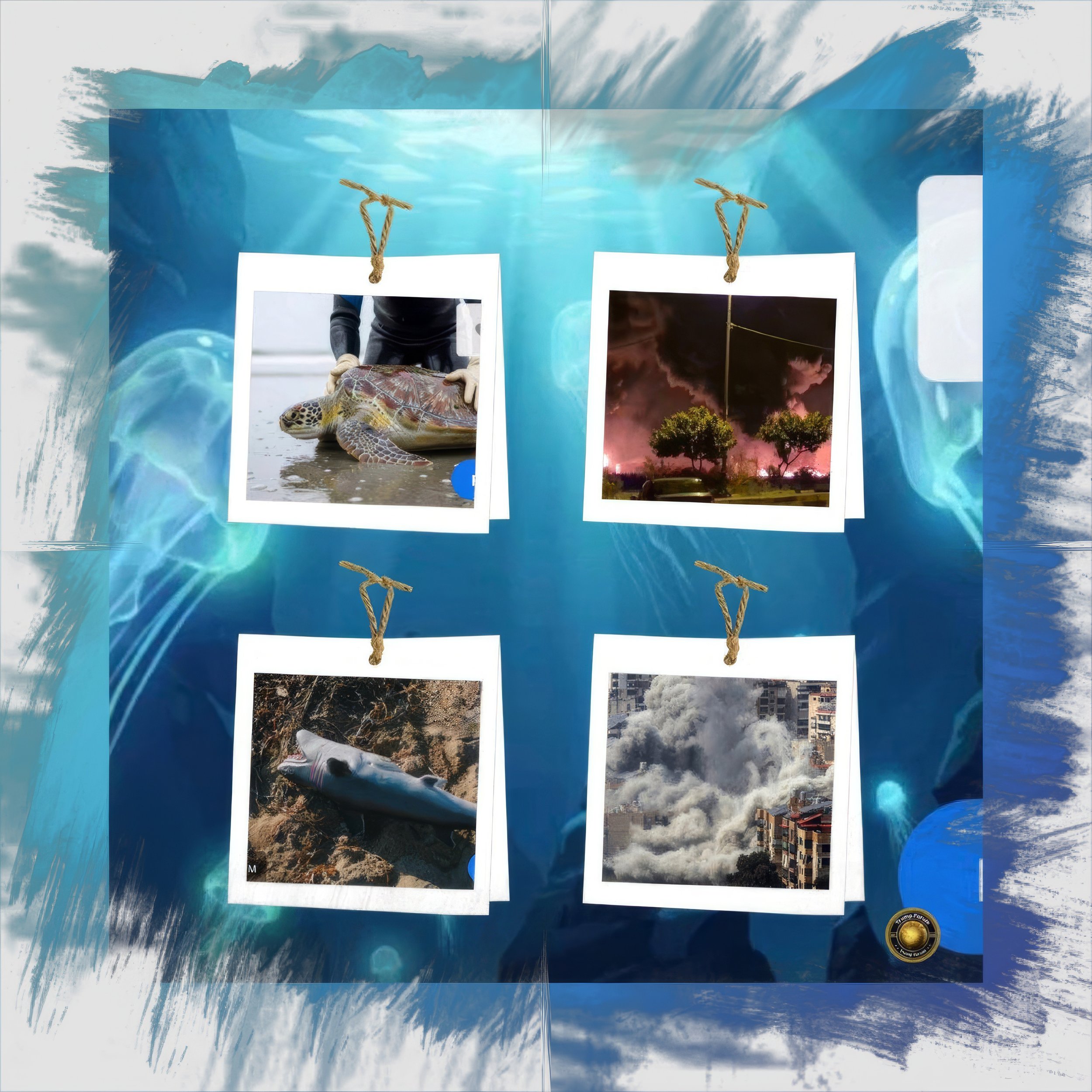
It hosts over 700 fish species — including commercially vital king mackerel, grouper, snapper, barracuda, trevally, and tuna — as well as approximately 100 coral species, extensive mangrove forests, seagrass beds, and the world's second-largest dugong population.
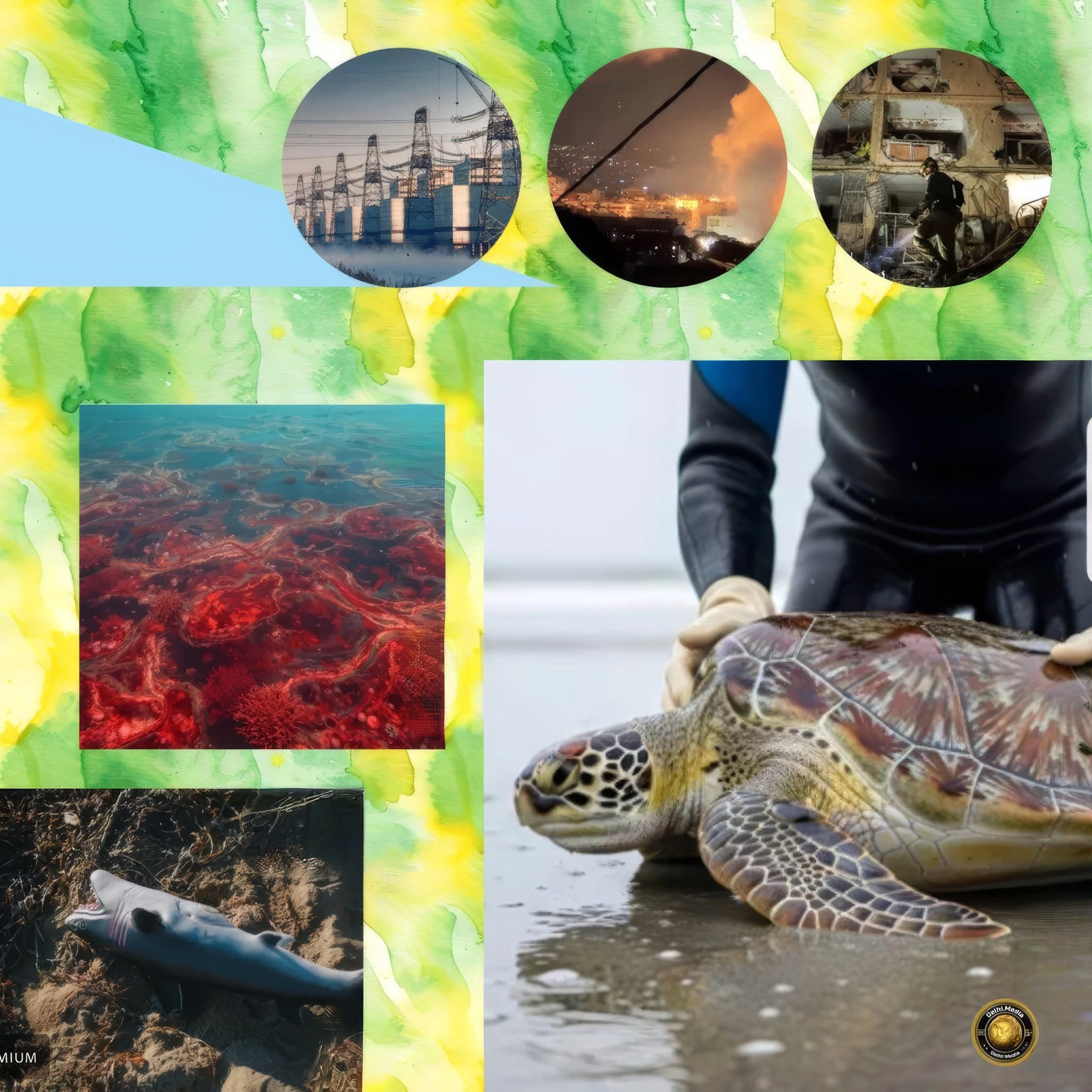
The current conflict has introduced multiple simultaneous stressors to this ecosystem. As of mid-March 2026, Greenpeace Germany warned that dozens of oil tankers carrying approximately 21 billion liters of oil were trapped in the Persian Gulf, many in or near active combat zones.
The Strait of Hormuz — through which approximately 20–25% of the world's total oil consumption passes — has been effectively transformed into an active conflict corridor, with Iranian vessels sunk, tankers damaged, and the risk of catastrophic oil spills multiplying with each exchange of fire.
Sunken Iranian ships are already discharging oil and other pollutants into Gulf waters.
Marine biologists have documented the acute effects of underwater explosions on Gulf marine life: shock waves and intense acoustic pulses from subsurface detonations disorient whales, dolphins, and turtles, causing loss of hearing, severe internal injury, and often death.
Coral structures, which grow at rates of between one and ten centimeters per year and take centuries to form, are mechanically shattered by subsurface blast waves and thermally bleached by the sudden temperature increases from burning oil.
The Gulf's coral communities are already among the most heat-stressed on Earth, operating at the very edge of their thermal tolerance; the additional stress from military operations could push entire reef systems past their tipping points.
Historical precedent provides a sobering baseline.
The oil spills of the 1991 Gulf War resulted in the near-total annihilation of the hawksbill turtle population in the Persian Gulf and devastated a major portion of its green turtle population — damage that took decades to begin reversing, and which some scientists argue has never been fully repaired.
The current conflict's oil release potential — with dozens of tankers trapped in the Gulf, Iranian coastal refineries burning, and Saudi and Qatari processing facilities struck by Iranian missiles — is assessed by Greenpeace Germany as potentially exceeding the 1991 event.
Iranian and Iraqi coastal mangrove forests serve as critical nursery habitats for commercially important fish species; when they are destroyed by oil contamination or fire, the recruitment of juvenile fish into adult populations collapses, producing fisheries decline across a much broader geographic range than the immediate spill zone.
Seagrass beds — essential foraging habitat for dugongs and green turtles — are particularly sensitive to oil contamination and light attenuation from smoke-darkened skies, both of which are direct products of the ongoing conflict.
Latest Facts and Concerns: The Evidentiary Landscape
The 21 Billion Liter Time Bomb: Trapped Oil Tankers in Persian Gulf Could Trigger Ecological Catastrophe
The most recent developments as of late March 2026 present a rapidly deteriorating picture across all environmental dimensions.
Iran is described by Euronews environmental correspondent reporting as risking "going many years backward" in terms of its ecological and public health infrastructure.
Attacks on gas fields, nuclear sites, and desalination plants are leaching toxic pollutants into air, soil, and water at rates that experts project could impact human health and ecosystem function for decades.
Specifically: Iran's Deputy Health Minister confirmed to Al Jazeera that acid rain produced by the Tehran fuel depot fires is already contaminating soil and water supplies across the capital region.
The WHO issued public health guidance recommending that vulnerable populations in Tehran and surrounding areas remain indoors due to life-threatening air quality.
The IAEA confirmed a projectile impact on the Bushehr Nuclear Power Plant's outer perimeter on March 17th, 2026 — the first such incident since the conflict began — while Kuwait issued formal radiation alerts and precautionary measures.
Russia's Foreign Ministry formally condemned the strike as "irresponsible and completely unacceptable," warning of the potential for a man-made environmental disaster.
Militaries globally account for approximately 5.5% of all greenhouse gas emissions, a figure that rises substantially during active large-scale conflict when industrial infrastructure burns and fuel is consumed at wartime rates.
The estimated 1.88 million tCO2e released by the destruction of Iranian oil reserves alone in the current conflict is roughly equivalent to the annual carbon footprint of a mid-sized European country.
Global military spending reached a record $2.7 trillion in 2024, the highest in recorded history, providing the financial and material capacity for precisely the kind of large-scale environmental destruction now being documented.
The question of international monitoring is itself a casualty of the conflict.
Dr. Karami, an Iranian environmental scientist, noted to The National News that environmental institutions and monitoring bodies have been unable to adequately assess conditions on the ground in Iran because of wartime access restrictions and communication blackouts.
This evidentiary blackout means that the full scale of environmental damage remains unknown, and that the data being used to model consequences is almost certainly an underestimate.
Cause-and-Effect Analysis: From Munitions to Ecosystems
From Haifa to Hormuz: How Iranian Missile Strikes on LPG Plants Released Toxic Clouds Over Millions
The causal pathways connecting military action to environmental and public health harm in this conflict are both direct and systemic.
Directly, a missile strike on an oil refinery converts stored petroleum into combustion products: soot, sulfur dioxide, nitrogen oxides, carbon monoxide, benzene, toluene, PAHs, and heavy metal particulates.
These products enter the atmosphere, where they are transported by wind systems, interact with water vapor to form acid rain, and deposit on soil and water surfaces across hundreds of miles.
Humans exposed to these airborne compounds through inhalation face acute respiratory damage, cardiovascular stress, and long-term carcinogenic risk; those exposed through contaminated water and food face neurological, hepatic, and renal damage from heavy metal bioaccumulation.
Systemically, the destruction of water treatment plants, sewage systems, agricultural land, and healthcare infrastructure removes the institutional buffers that normally protect populations from environmental health crises.
When sewage systems are destroyed by bombs, pathogens enter waterways; when hospitals are damaged, the populations most vulnerable to pollution-related illness cannot access treatment.
This multiplier effect means that the public health impact of environmental damage in a conflict zone is typically 3–5 times greater than comparable environmental damage in a peacetime industrial setting, according to environmental conflict researchers.
The marine cause-and-effect chain is equally damaging.
Oil released into the Persian Gulf coats the gills of fish, preventing gas exchange and killing them asphyxiation; it smothers coral polyps, cutting off their access to sunlight and triggering bleaching and death; it coats the fur and feathers of marine mammals and seabirds, destroying their thermal insulation and causing hypothermia; it bioaccumulates in the tissues of filter feeders like mollusks, moving up the food chain to concentrate in the tissues of predatory fish, marine mammals, and ultimately humans who depend on Gulf fisheries for food security.
The semi-enclosed nature of the Gulf means that once large-scale contamination occurs, natural flushing — which occurs primarily through exchange at the Strait of Hormuz — takes years to decades to restore baseline water quality.
The nuclear causal pathway is the most catastrophic but least immediately evident.
A full breach of the Bushehr reactor's containment would release cesium-137, strontium-90, iodine-131, and other radioisotopes into the atmosphere.
These would be carried by prevailing winds across the Gulf states within 24–48 hours, contaminating rainwater, soil, and desalination plant inputs across the UAE, Oman, Qatar, Bahrain, and Saudi Arabia.
Cesium-137 has a half-life of approximately 30 years; strontium-90 approximately 29 years — meaning that contamination of agricultural land would render it unproductive for human food use for a generation.
Iodine-131, while shorter-lived at 8 days, poses acute thyroid cancer risk, particularly in children, if ingested through contaminated milk or water in the immediate aftermath of a release.
Future Steps: What Science, Law, and Diplomacy Must Demand
Fentanyl Grenades and Phantom Factories: The Covert Chemical Weapons Program Iran Desperately Wants to Hide
The environmental and public health dimensions of this conflict demand urgent action across three parallel tracks: scientific monitoring, legal accountability, and diplomatic de-escalation.
On the scientific monitoring track, CEOBS, the IAEA, UNEP, and WHO must be granted immediate, unconditional access to affected sites in Iran, Lebanon, and the Gulf states to conduct baseline environmental assessments.
The current evidentiary blackout prevents accurate damage modeling, delays remediation planning, and allows all stakeholders to continue escalating without full awareness of the ecosystem thresholds being crossed.
Satellite-based monitoring of atmospheric dispersion, ocean surface oil concentration, and nuclear radiation levels should be intensified and results made publicly available in real time.
On the legal accountability track, Israel's use of white phosphorus in civilian areas of southern Lebanon should be referred to the International Criminal Court under the Rome Statute's provisions on the use of inherently indiscriminate weapons in populated areas.
Iran's alleged covert chemical weapons program — if confirmed by independent OPCW inspection — must trigger the full spectrum of CWC enforcement mechanisms including mandatory facility inspection, export controls on precursor chemicals, and international sanctions.
All stakeholders in the conflict are bound by customary international humanitarian law obligations to distinguish between military and civilian objects, a principle systematically violated by attacks on nuclear facilities, civilian water treatment plants, and energy infrastructure serving civilian populations.
On the diplomatic track, the immediate protection of the Bushehr Nuclear Power Plant from further strikes must be treated as an international security imperative comparable to the protection of nuclear power plants in Ukraine.
The IAEA's Board of Governors should convene an emergency session to authorize a continuous inspection presence at Bushehr and establish a 12.4 miles exclusion zone around the facility enforceable under Chapter VII of the UN Charter.
Similarly, the Strait of Hormuz must be protected as a global commons: a sustained oil spill in the Gulf is not merely a regional environmental catastrophe but a global economic and food security emergency, given the region's role in global energy markets and the fisheries dependency of hundreds of millions of people in South Asia, East Africa, and the Middle East.
Conclusion: The Long War on the Living World
War's Long Afterlife: How Acid Rain, Radioactive Plumes, and Poisoned Oceans Outlast Every Ceasefire
The US-Israel conflict with Iran, and its collateral militarization of Lebanon and the broader Gulf landscape, represents a war not only against military installations and political adversaries but against the living systems — atmospheric, terrestrial, and marine — upon which human civilization depends in this region and beyond.
The toxic legacy of Tehran's black rain, southern Lebanon's phosphorus-poisoned soils, the Persian Gulf's dying coral reefs, and the slow radioactive creep toward the Bushehr reactor's containment wall will not be measured in the headlines of ceasefire negotiations.
They will be measured in the lung cancer rates of Tehran's children, the collapsed fish stocks of Gulf fishermen, the birth defect statistics of southern Lebanese farming communities, and the multi-generational radioactive contamination of Gulf desalination watersheds.
What distinguishes this conflict from its historical predecessors is the unprecedented concentration of environmentally catastrophic targets — nuclear facilities, gas processing infrastructure, petrochemical complexes, and oil storage sites — within a geographically confined and ecologically fragile environment.
The Persian Gulf cannot absorb another 1991-scale oil catastrophe; its reefs and dugongs are already at the edge of survival.
Iran's urban populations cannot absorb another cycle of acid rain over cities where air pollution already kills tens of thousands annually. And the international community cannot continue to treat environmental destruction as the acceptable externality of geopolitical competition.
The ecological cost of this war, like its human cost, will be paid not by those who ordered the strikes, but by the generations who inherit the contaminated soil, the poisoned water, and the silent seas.