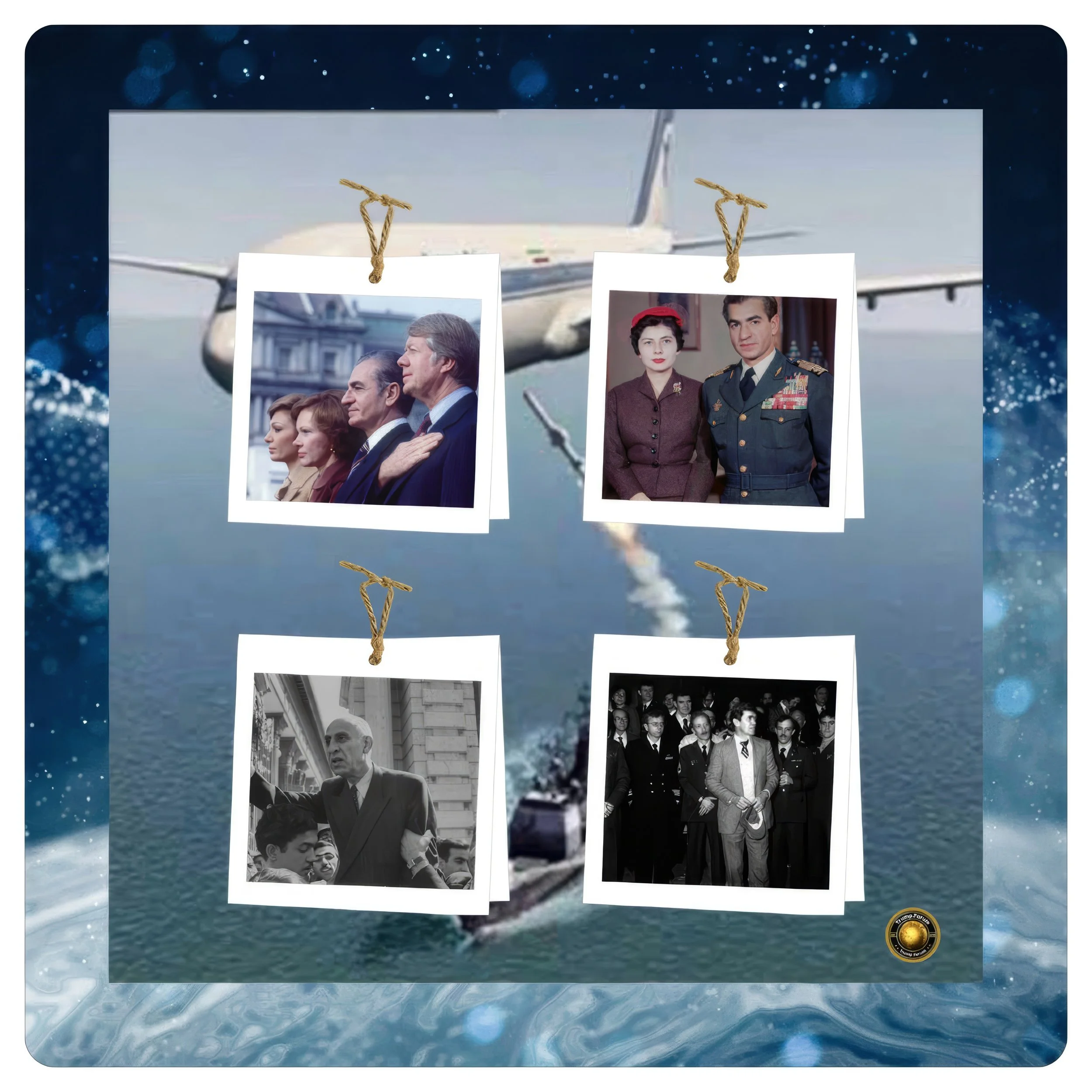
Beginner's 101 Guide: How America Kept Repeating the Same Mistake With Iran — and Led to War in 2026
Summary
Imagine you had a neighbor who, 70 years ago, broke into your house, stole your valuables, and helped a bully move in.
Over the decades that followed, that bully hurt your family, your friends, and your community.
Then one day, that same neighbor — the one who originally broke in — came knocking and said, "Let's be friends now."
You probably would not open the door. And if he broke it down anyway, you would fight back with everything you had.
That, in very rough terms, is the story of the United States and Iran.
It did not start in 2026. It started in 1953.
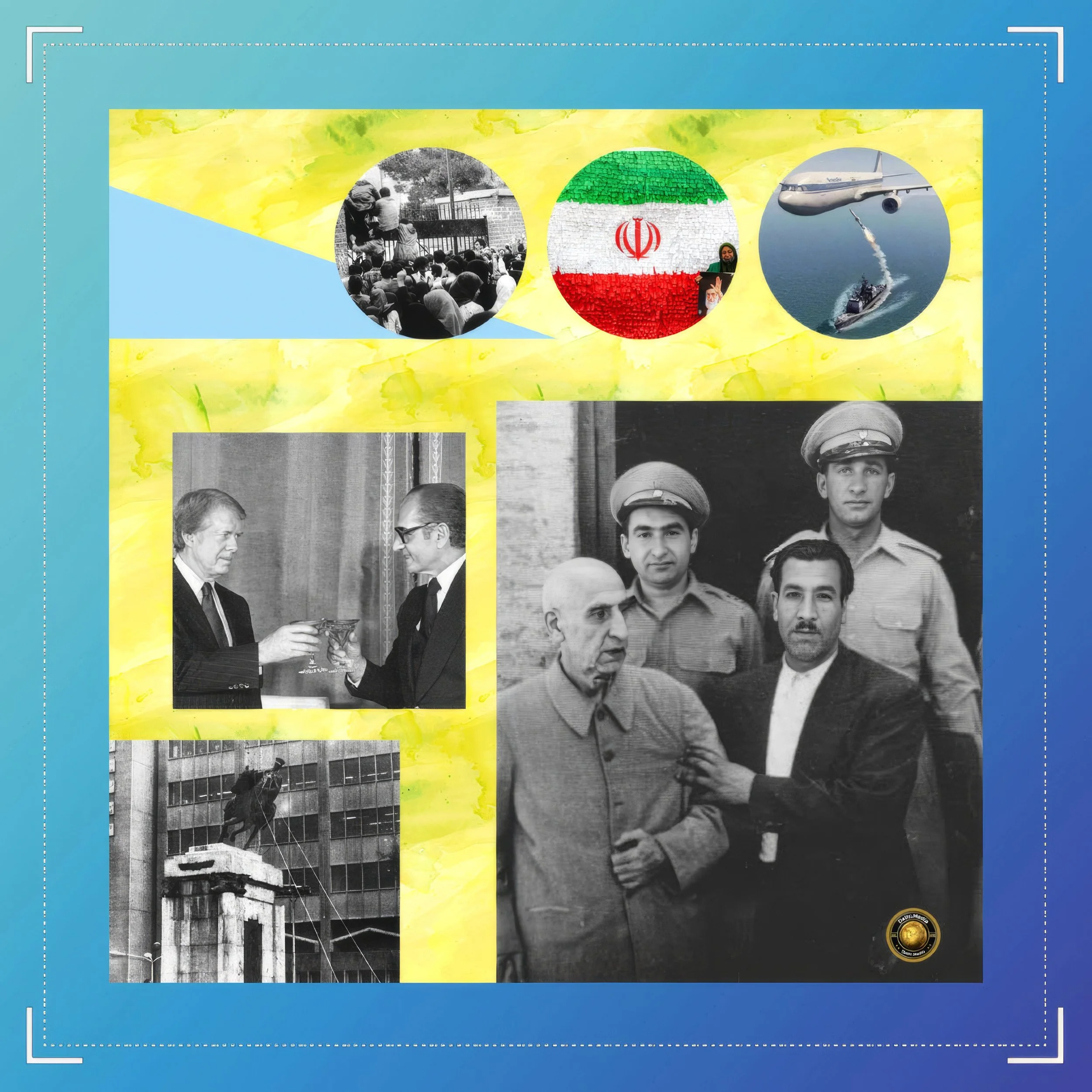
In August of that year, the CIA — America's spy agency — joined with British intelligence to secretly overthrow Iran's elected leader, Prime Minister Mohammad Mosaddegh.
Why? Because Mosaddegh had decided that Iran's oil should belong to Iran, not to British companies.
So America and Britain paid people inside Iran to cause chaos, spread false stories about Mosaddegh in the newspapers, bribe army officers, and eventually force him out of power. They then put the Shah — a king who did whatever America wanted — back in charge.
The Shah signed over 40% of Iran's oil fields to American companies shortly after.
For Iranians, this was not just politics. It was a betrayal. Their country had a working democracy, and America smashed it — because of oil.
This memory did not fade. It became a story that Iranian parents told their children, that religious leaders repeated in their sermons, and that revolutionary politicians used to build anger against America for the next 26 years.
It was the match that would eventually start a very large fire.
That fire arrived in 1979.
The Shah ruled Iran for 26 years after 1953, but his rule was harsh.
He had a secret police force called SAVAK — trained partly by America and Israel — that arrested, tortured, and killed people who disagreed with him.
Eventually, the Iranian people rose up.
In 1979, the Islamic Revolution swept the Shah away and brought a religious leader, Ayatollah Khomeini, to power.
Now, imagine how nervous Iranians felt when, just months later, U.S. President Jimmy Carter allowed the Shah into America for medical treatment.
The memory of 1953 was alive and burning.
In 1953, America had helped bring the Shah back to power after he was briefly removed.
Would it happen again? A group of Iranian students decided they were not going to wait to find out.
On November 4th, 1979, they stormed the American Embassy in Tehran and took 66 American diplomats hostage.
52 of those Americans were held for 444 days — more than a year.
Carter tried everything: diplomatic pressure, economic sanctions, freezing Iranian bank accounts.
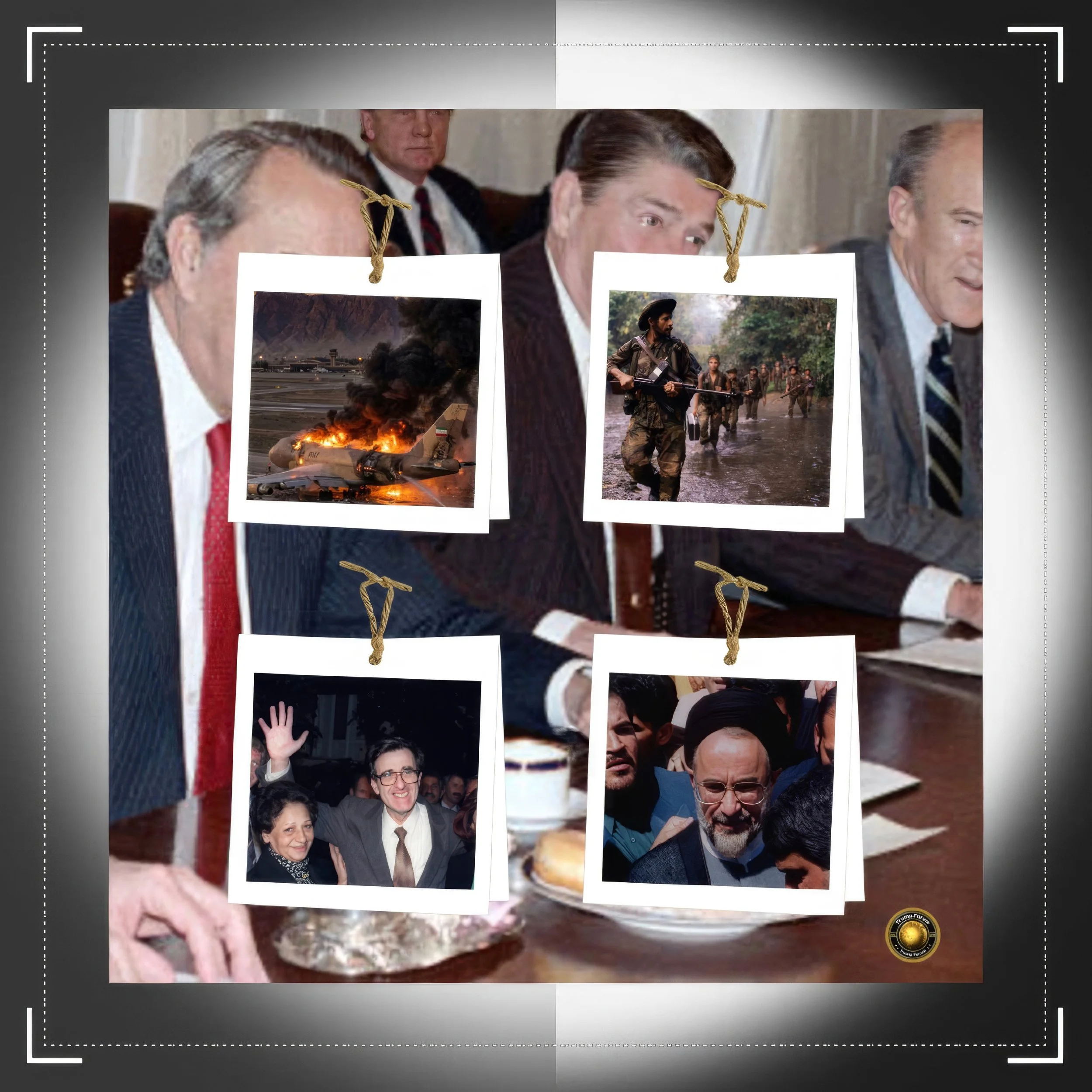
He even sent a military mission to rescue the hostages, but it failed disastrously when helicopters crashed in the Iranian desert, killing eight American soldiers.
The hostages were finally released on January 20, 1981, the exact day Ronald Reagan became president — a timing so perfect that many people have questioned whether a secret deal was made.
The hostage crisis broke something important: the basic communication between the two countries.
America and Iran have had no formal diplomatic relationship — no ambassadors, no embassies, no direct government-to-government conversations — since 1980.
Think about how difficult it is to resolve a dispute with a neighbor when you are not even allowed to talk to each other directly.
Every future crisis between Iran and America would have to be managed through middlemen, secret back-channels, and international mediators. That made everything harder and every misunderstanding more dangerous.
One of those dangerous misunderstandings came on July 3rd, 1988. An American warship called the USS Vincennes was operating in the Persian Gulf during the Iran-Iraq War.
The ship's crew saw an aircraft on their radar. They thought it was an Iranian fighter jet coming to attack them.
They fired two missiles at it. It was not a fighter jet. It was Iran Air Flight 655, a commercial passenger plane on a regular scheduled flight from Iran to Dubai.
All 290 people on board were killed, including 66 children.
America never formally apologized. The government said it was an accident, a tragic mistake. It eventually paid $61.8 million to the families of the victims, but refused to admit it did anything wrong.
Even more shockingly, the U.S. Navy gave awards to some of the officers involved.
For Iranians, this was not an accident — it was proof of something they had always believed: that American forces treated Iranian lives as worthless.
That belief would shape Iranian behavior and strategic thinking for the next 38 years.
Think of each of these events — 1953, 1979, 1988 — as a layer of scar tissue on the Iran-America relationship.
Each new scar made the wound deeper and harder to heal.
Each new American policy decision had to contend not just with the present situation, but with everything that came before it.
The nuclear argument is a good example. From the 1990s onward, the United States imposed heavy economic sanctions on Iran, trying to stop it from building nuclear weapons. Iran said it was not building weapons — just developing nuclear energy and medicine.
The sanctions hurt Iranian ordinary people enormously: medicine became scarce, the economy shrank, and inflation skyrocketed.
But the sanctions did not stop the nuclear program. In fact, Iran expanded it. More sanctions, more enrichment.
By 2015, Iran had enough nuclear material to cause real alarm.
A deal was finally struck in 2015 — the JCPOA. Iran agreed to limit its nuclear activities strictly. America and Europe agreed to lift most sanctions. It was not perfect, but it was working.
Then in 2018, Trump tore it up. He called it "the worst deal ever" and imposed even heavier sanctions.
Iran responded by going further with its nuclear program than ever before.
By 2025, Iran had enriched uranium to levels dangerously close to what would be needed for a weapon. The diplomatic exit had been deliberately closed.
This is the world that existed when President Trump, on February 27th, 2026, gave the order for Operation Epic Fury.
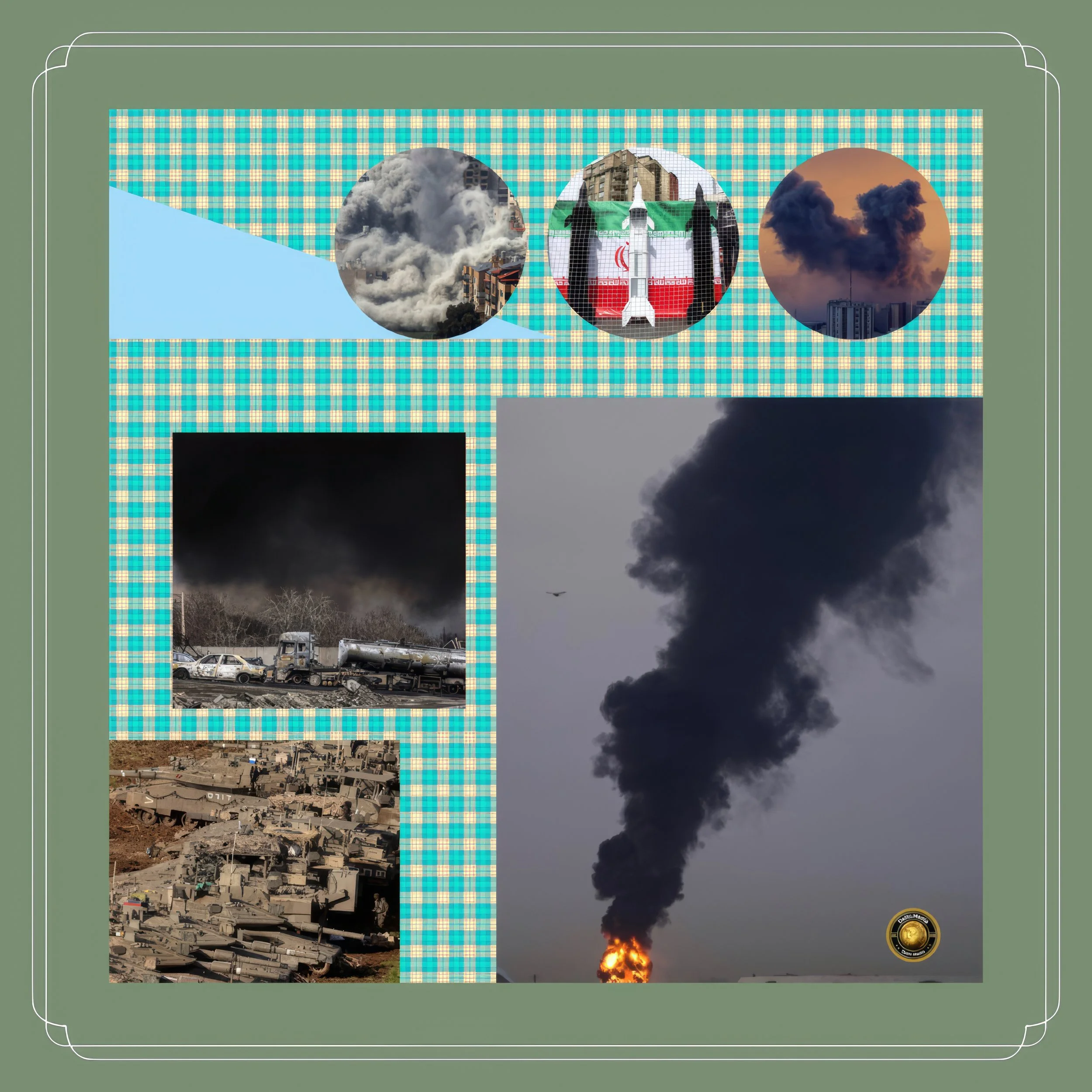
On February 28th, American missiles and Israeli jets began hitting targets in Iran.
The supreme leader was killed in the first hour.
The strikes began during Ramadan — the Muslim holy month — and during active negotiations over Iran's nuclear program.
America's own intelligence services had said Iran was not a direct threat to the U.S. mainland for at least 10 years. The war happened anyway.
Why? The Washington Post reported that Israel and Saudi Arabia had lobbied Trump heavily to act.
Both countries have real fears about Iran, but their interests are not always the same as America's. And the decision was made despite warnings from within Trump's own government.
Iran's response to being attacked was not collapse — it was retaliation. Iran closed the Strait of Hormuz, a narrow sea lane through which 20% of the world's oil travels.
Think of it as blocking the world's most important oil pipeline. Within days, oil prices shot from about $71 per barrel to over $120. American petrol prices jumped to over $4 per gallon.
Energy bills rose around the world. Food prices followed, because food requires fuel to grow and transport.
Inside Iran, by early April 2026, more than 1,900 people had been killed and 20,000 wounded.
Over 3.2 million Iranians had been forced to leave their homes. Hospitals, schools, and homes were damaged or destroyed.
The International Energy Agency called it the biggest energy security crisis in history.
By April 2026, Trump announced a 2-week pause in bombing, after Pakistan helped broker indirect talks between Washington and Tehran. But no lasting deal had been reached.
What are the lessons here? They are simple. When you ignore history, you repeat its mistakes — but usually at greater cost.
America had 70 years of evidence that Iran would not be pushed around, that military force alone would not achieve political results, and that cutting off diplomacy makes every crisis worse.
Iran had 70 years of evidence that it needed to protect itself, because America had shown it could not be trusted.
Both sides walked into 2026 carrying all of that history, and neither side, in that critical moment, chose the harder path of genuine dialogue.
The cost is being counted now — in oil barrels, in casualties, in displaced families, and in a world that is less stable, less predictable, and less safe than it was on February 27, 2026.