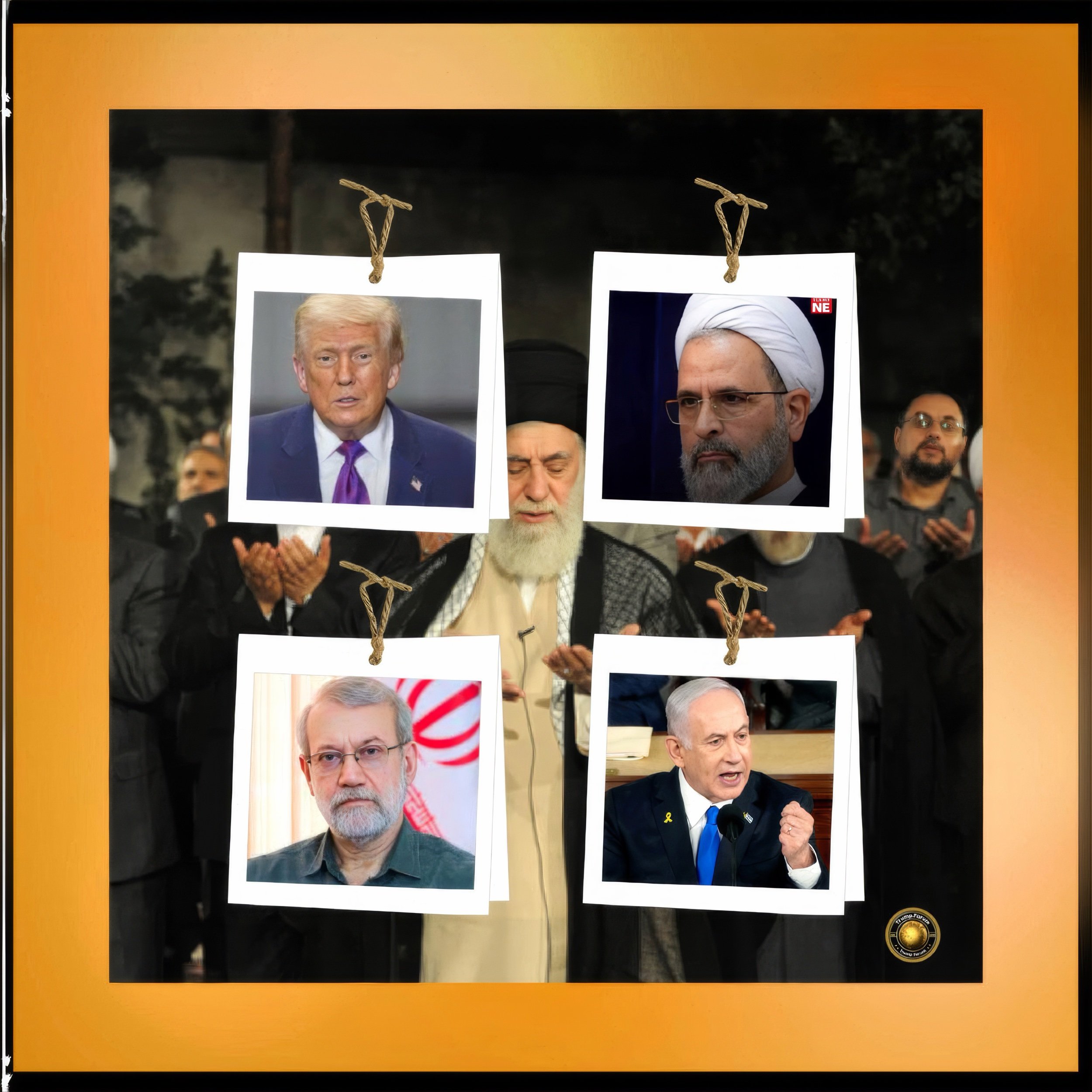
Donald Trump's Big Risk In Iran: What Happened And Why It Matters - 101 Guide for Beginners on Iran War-US War
Executive Summary
On February 28, 2026, Donald Trump ordered the US military to work with Israel and launch many missiles and bombs against Iran.
The attack hit important military and government places, including the home and office of Iran's top leader, Ali Khamenei, who was killed, and it damaged Iran's missile, nuclear, and naval forces.
Trump said the goal was to protect Americans and allies, stop Iran from getting nuclear weapons, and give the Iranian people a chance to change their government.
But Iran fired back with missiles and drones at Israel and US bases in many countries, closed the Strait of Hormuz to ships, and the risk of a much wider and longer war is now very high.
Introduction
Why This Decision Is A Gamble
This decision is a gamble because Trump chose a very risky path with no clear outcome. The best result for him would be a weaker Iran, maybe with new leaders, that stops its nuclear work and accepts limits on its missiles and its support for armed groups.
The worst result would be a long war, more dead civilians, attacks across the Middle East, higher energy prices, and no real change in Iran's behavior.
Think of it like someone kicking a wasp nest to get rid of it fast, instead of slowly dealing with it. The person hopes the wasps will be killed or will fly away, but they might instead swarm and sting everyone nearby.
Trump knows the wasp nest is dangerous, but how the wasps will react is not fully in his control.
History And Current Situation
How We Reached Open War
For many years, Iran and the US have been enemies. In 1979, Iran had a revolution and took US diplomats hostage. Since then, they have not had normal relations.
The US has often tried to block Iran's power using sanctions and alliances, while Iran has built up missiles and supported armed groups in places like Lebanon, Syria, Iraq, and Yemen.
In 2015, there was a nuclear deal that limited Iran's nuclear work in exchange for lifting some sanctions. In 2018, Trump pulled the US out of that deal, saying it was too weak, and Iran then slowly moved closer to being able to build nuclear weapons.
By May 2025, Iran had over 408 kilograms of uranium enriched to 60% purity, just below weapons-grade, enough for multiple nuclear weapons if further enriched.
Iran also carried out or backed attacks at sea and against oil sites and sometimes against US troops and partners, which made many countries more worried.
By early 2026, the US and Iran had already had many clashes.
In June 2025, there was a short 12-Day War where the US and Israel bombed Iran's nuclear and missile sites. US officials tried again to talk to Iran in Geneva to limit its nuclear and missile programs, but the talks did not succeed.
Iran did not want to destroy its nuclear facilities, send its enriched uranium to the United States, or accept permanent limits.
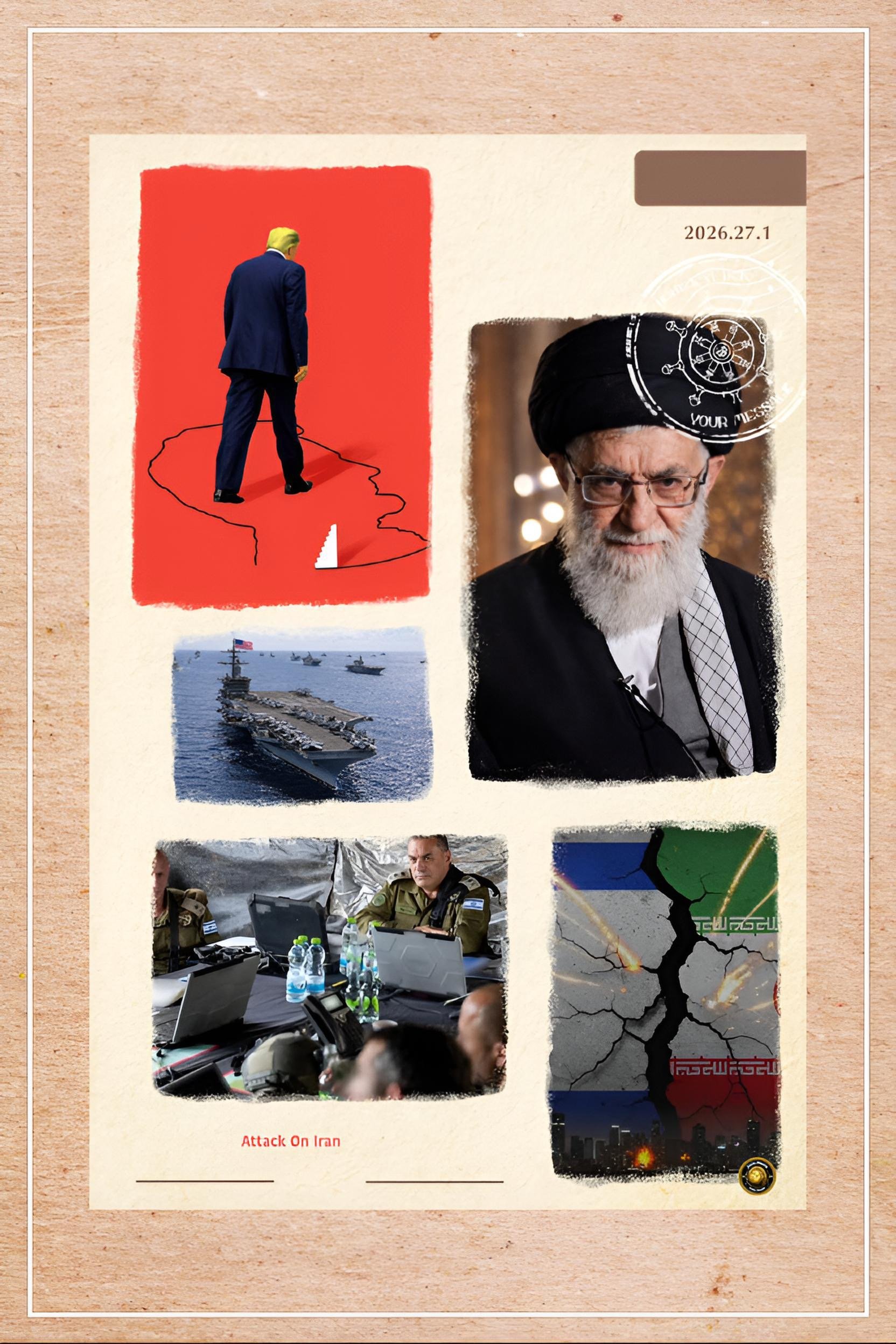
At the same time, the US moved two aircraft carrier groups, many jets, and extra defenses into the region, so the military was ready if Trump chose to attack.
On February 28th, Trump said the time for talks was over and ordered a large attack with Israel. The strikes hit leadership buildings, missile sites, navy bases, and important parts of Iran's nuclear program. Khamenei, Iran's top leader, was killed, which is something that had never happened before in this way.
By March 1st, Trump said at least forty-eight Iranian officials had been killed. Iran answered with big missile and drone strikes on Israel and US bases in places like Bahrain, Jordan, Kuwait, Qatar, and other states.
This time, Iran hit harder than before. Missiles struck the UAE, including the Jebel Ali port and hotels, as well as targets in Saudi Arabia and Bahrain.
Iran or its allies also attacked airports and closed the Strait of Hormuz, which is a narrow sea route that many oil and gas tankers need to use. About 20% of the world's oil flows through this waterway.
Trump and Israeli leaders say the operation will continue for weeks and will try to remove Iran's ability to threaten them with missiles and warships.
Trump said the war could take four weeks or less.
Inside Iran, there is now a fight over who will lead next and how to react in the long term, which adds more uncertainty.
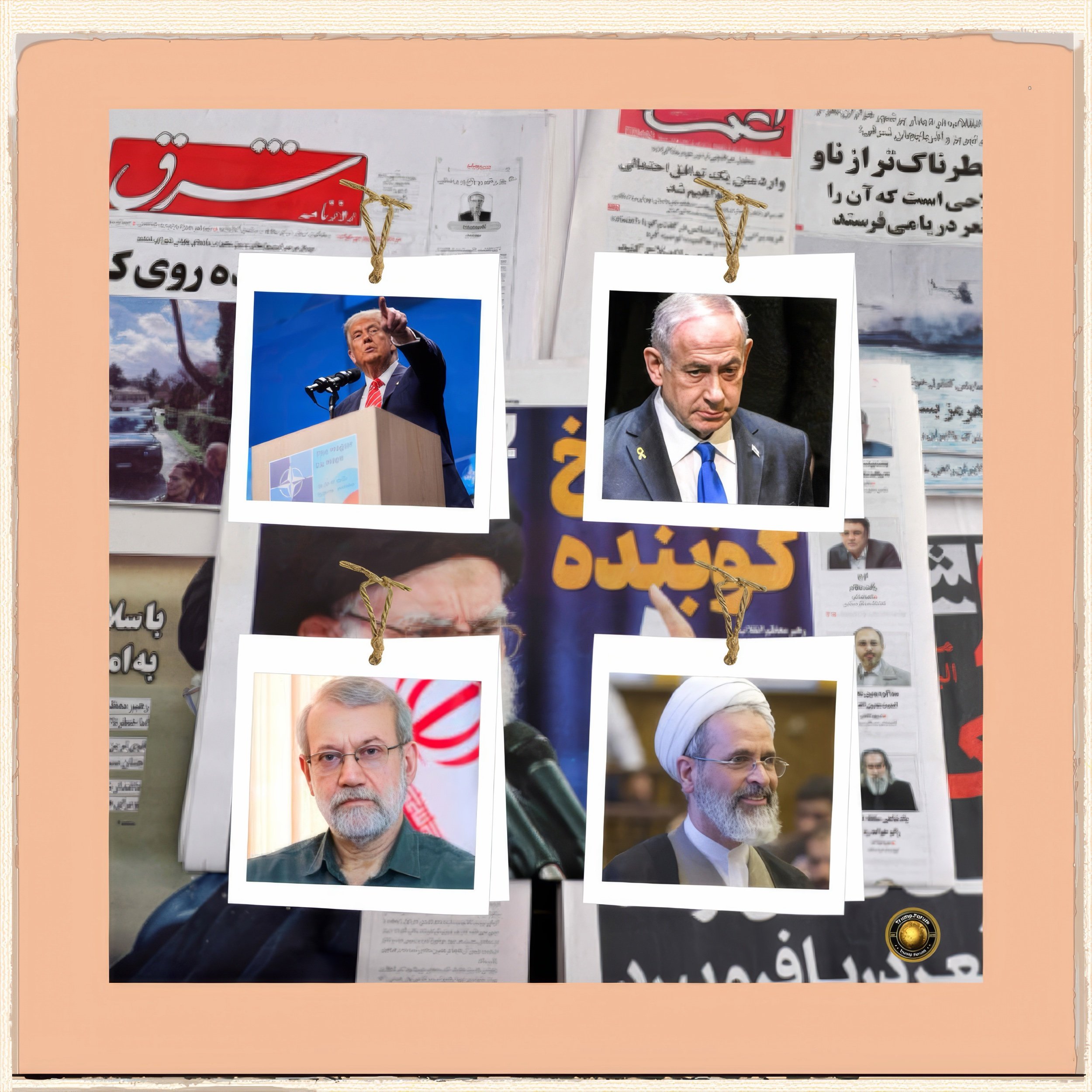
Iran activated Article 111 of its Constitution, creating an Interim Leadership Council made up of religious and government leaders, including Ayatollah Alireza Arafi, Chief Justice Gholam-Hossein Mohseni-Ejei, Speaker Mohammad Bagher Ghalibaf, and President Masoud Pezeshkian, to run the country until a permanent successor is chosen.
Key Developments And Main Concerns
What Is Happening Now And Why It Is Dangerous
One major development is that Iran's leadership has been badly shaken.
Losing the supreme leader and key security bosses is a huge shock.
Some groups inside Iran may want to fight harder to show strength, while others may prefer to avoid collapse and may secretly consider some kind of deal.
We do not yet know which side will win that argument.
Another development is the pattern of missile and drone exchanges. US and Israeli air and missile defenses have stopped many incoming Iranian weapons, but not all. Some missiles have hit Israeli cities and killed civilians.
The US military said the USS Abraham Lincoln aircraft carrier was not hit, even though Iran claimed it was.
At the same time, new US-Israeli strikes keep hitting Iranian military sites. This back-and-forth raises the chance that one side will misread the other's moves and push too far.
By March 1st, the Pentagon confirmed that three US service members had been killed and five others seriously wounded in the operation.
These were the first American deaths in the war, and they happened among US personnel based in Kuwait.
Trump had warned that American casualties were likely, saying the lives of brave heroes may be lost, but that the actions are for the future, not just the present.
The closure of the Strait of Hormuz is a huge global concern. A large share of the world's oil and gas exports move through this narrow waterway.
When Iran blocks or even threatens this route, shipping costs rise quickly and prices can jump.
Insurance companies have stopped covering ships in the area, creating a de facto closure for most of the global shipping community.
If this lasts, people could see higher fuel prices in many countries, and poorer countries could face serious economic pain.
There are also fears of a bigger regional war. Armed groups friendly to Iran in Lebanon, Iraq, Yemen, and Syria may attack Israel, US troops, or Arab governments that are seen as too close to Washington.
Israel might respond with more force in Lebanon and Syria, and US forces might be drawn into more battles on the ground. In such a chain reaction, it becomes very hard to stop the fighting.
The United Nations warned that the Iran strikes could trigger wider conflict in the Middle East.
Why Trump Took This Risk
Goals, Signals, And Side Effects
Trump says he ordered the strikes because Iran ignored all warnings, kept growing its nuclear program, and was building missiles that could reach more and more targets, including Europe and maybe the US in the future.
According to experts, about 92.5 pounds of 60%-enriched uranium is enough to build one nuclear weapon if enriched further, and Iran had well over 400 kilograms of such material by early 2025.
Iran was also making more each month. He also points to Iran's help for groups that have attacked Americans, Israelis, and others. So 1 cause is a strong belief that waiting would only make the threat worse.
Another cause is his belief in strong shows of power.
Trump often argues that enemies respect force, not words, and that if you hit hard enough once, you can avoid bigger fights later.
By killing the supreme leader and striking many key sites at once, he wants to show Iran that the old rules are gone and that the US is not afraid to cross lines that earlier presidents did not cross.
Trump and Israeli Prime Minister Benjamin Netanyahu both said they want to destroy Iran's missile industry, annihilate its navy, and ensure Iran never gets a nuclear weapon.
They also urged the Iranian people to take over their government, with Netanyahu encouraging them to cast off the yoke of tyranny.
An Israeli official told reporters the goal is to create all the conditions for the downfall of the Iranian regime.
He also wants to send a message to other rivals, like North Korea or even big powers like China and Russia: that the US is still willing to use major force overseas, even after many years of war fatigue among Americans. In his view, if he backs down now, these rivals might think the US is weak and test it in other places.
But there are side effects. Inside Iran, many people who hate corruption and repression still do not want a foreign power to bomb their country and kill their leaders.
They may feel forced to support the government, at least for a time, out of national pride. This can make it harder, not easier, to have real change from within.
Other governments in the region may fear that they could be the next target 1 day, which makes them nervous about being too close to Washington.
On the economic side, even if the war is short, high energy prices and market fear can hurt families and businesses far away from the battlefield.
If the war drags on, these effects grow and can feed political anger in many countries. Leaders there might then blame the US for their problems, even if they also worry about Iran.
Possible Paths Ahead
Best Case, Middle Path, And Worst Case
In the best case for Trump, the strikes keep weakening Iran's forces, and the shock of losing Khamenei leads to splits at the top. Some leaders in Tehran might then decide they cannot win and may accept a strict new deal that sharply limits nuclear work and missiles and reduces support for armed groups.
Oman's foreign minister said Iran had agreed during talks never to stockpile enriched uranium, which suggests some Iranians may want a way out.
Over time, the economy could recover and some reforms could follow. This would let Trump say the gamble worked.
A middle path is that the war settles into a long, low-level fight. The US and Israel keep hitting Iranian targets from the air. Iran fires back now and then with missiles and uses its allies to keep pressure on them.
The Strait of Hormuz opens and closes, prices stay higher than before, and both sides live with constant tension but avoid total collapse or surrender.
Nuclear talks that were happening before the war have stopped, and it is hard to see how diplomacy can restart while bombs are falling. In this outcome, no one fully wins, and the region stays nervous and unstable.
The worst case is a chain of events that leads to a region-wide disaster. For example, a missile could hit a crowded city and kill many people, pushing Israel or the US to strike even harder.
Hezbollah in Lebanon could join in with heavy rocket fire, causing a huge war on Israel's northern border. Iraq and Jordan could face unrest and attacks.
The Strait of Hormuz could stay closed for a long time, causing a world-wide economic crisis.
Experts warn that the conflict could escalate into a regional conflagration engulfing the oil-rich Middle East. In this kind of situation, it would be very hard for any leader to control events.
Conclusion
Power, Uncertainty, And Long-Term Impact
Trump's strikes on Iran are meant to send a powerful message: that the US is still willing to use large-scale force to protect its interests and those of its allies, and that enemies who test its limits can pay a very high price.
By hitting Iran's top leader and its core military systems, he wants to change not just Iran's behavior but the way all opponents think about the cost of challenging the US. He has seized what he sees as a legacy-defining moment to demonstrate his readiness to exercise raw US military power.
However, the message comes with great uncertainty. People are dying, cities are under threat, and the world economy is at risk. By March 1, 3 American service members had been killed and 5 seriously wounded. Iranian officials claim many civilians have died, including schoolgirls. Israeli cities have been hit by missiles.
No one can say for sure whether the end result will be a safer region with a weaker Iran or a more unstable region with deeper hatred and more reasons for future wars. History shows that previous US efforts to transform Middle East regimes, like in Iraq and Libya, produced unintended consequences that lasted for many years.
The gamble is that the fear caused now will create peace later.
Trump believes that air strikes can cause a popular uprising to oust Iran's rulers, but experts are skeptical because external air power has historically failed to achieve regime change without ground forces. Only time, and the choices of many different leaders and societies, will show whether that bet pays off.
Trump's Iran gamble may reshape the Middle East, but it may also remind Americans why earlier leaders approached the region with both ambition and caution.