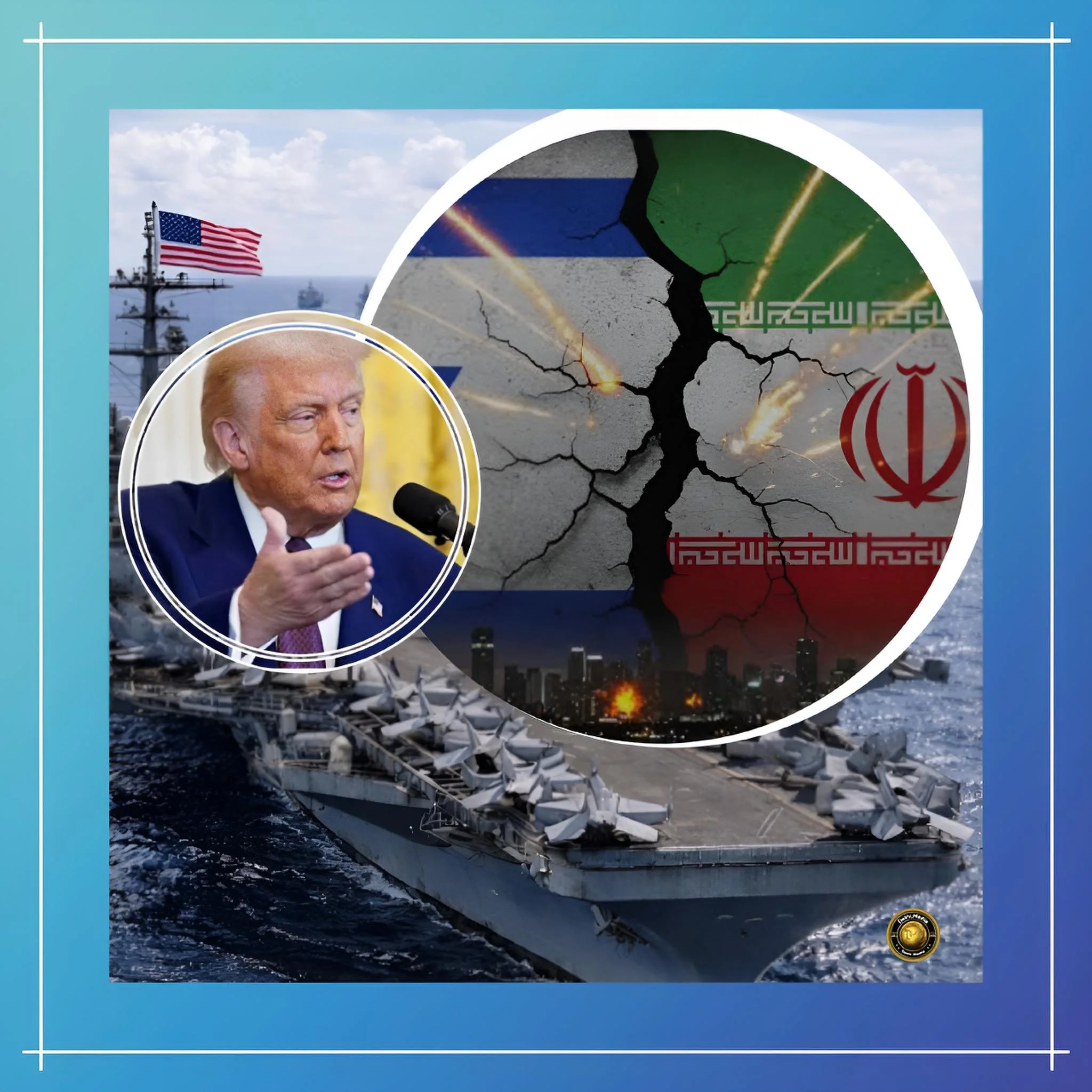
Why the Israel-Iran Peace Will Not Last: A Simple Explanation
Summary
The Recent Peace is Not Really Peace
Israel and Iran fought a twelve-day war in June 2025. After the fighting stopped, people hoped for peace. But the real problems that caused the war are still there. This peace is just a short break. The fighting will start again, and when it does, it could be much worse than before.
What Happened in June 2025
Israel and Iran attacked each other directly for the first time in their history. Before this, they fought through smaller groups in other countries like Lebanon, Iraq, and Yemen. But in June 2025, everything changed.
Israel bombed Iran's nuclear facilities. Iran fired hundreds of missiles and drones at Israel. The United States joined Israel and bombed more Iranian targets. After twelve days of fighting, they agreed to stop. But stopping the fighting does not mean the problems are solved.
Why Israel and Iran Hate Each Other
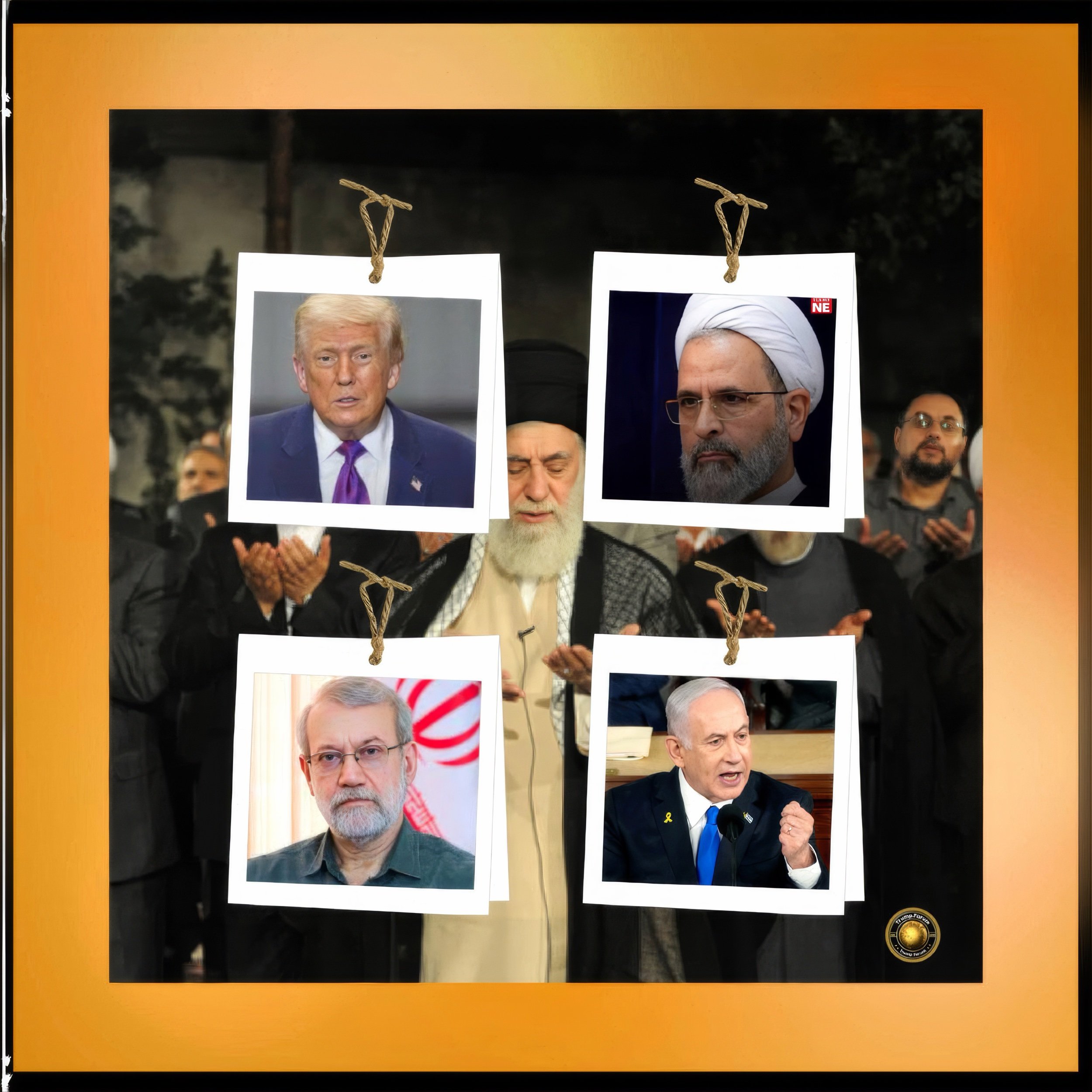
The fight between Israel and Iran goes back decades. Israeli leaders like Prime Minister Benjamin Netanyahu have warned for a long time that Iran wants to destroy Israel. In Tehran, Iran's capital, there is even a clock counting down to Israel's destruction. Iranian leaders often say death to Israel. For Israel, a country created after millions of Jews were killed in the Holocaust, these threats are terrifying.
Iran wants to be the most powerful country in the Middle East. It believes having nuclear weapons is the only way to protect itself from American and Israeli attacks. Iran also uses smaller groups like Hezbollah in Lebanon, militias in Iraq, and Hamas in Gaza to fight Israel. Iran gives these groups money, weapons, and training.
On October 7, 2023, Hamas killed more than 1,200 Israelis in a surprise attack. Iran supported this attack. After this, Israel decided it could not just defend itself anymore. It needed to attack Iran directly to stop the threat.
The Problems Under the Peace
The peace after the June war is like putting a bandage on a deep wound. It covers the problem but does not fix it. Several things show why this peace is weak.
First, Iran's economy is collapsing. The Iranian money, called the rial, has lost most of its value. Prices are rising more than 40 percent every year. Regular Iranians cannot afford basic foods like bread, rice, and cooking oil. Since December 2025, protests have broken out in Tehran, Isfahan, Shiraz, and other cities. People are angry about prices and angry at the government.
The Iranian government is fighting the protests with extreme violence. Security forces have killed over 2,000 protesters. Witnesses say police fire gas canisters into crowds and then shoot people when they cannot run away. The government admits over 3,100 people have died. This shows how weak and afraid the government is.
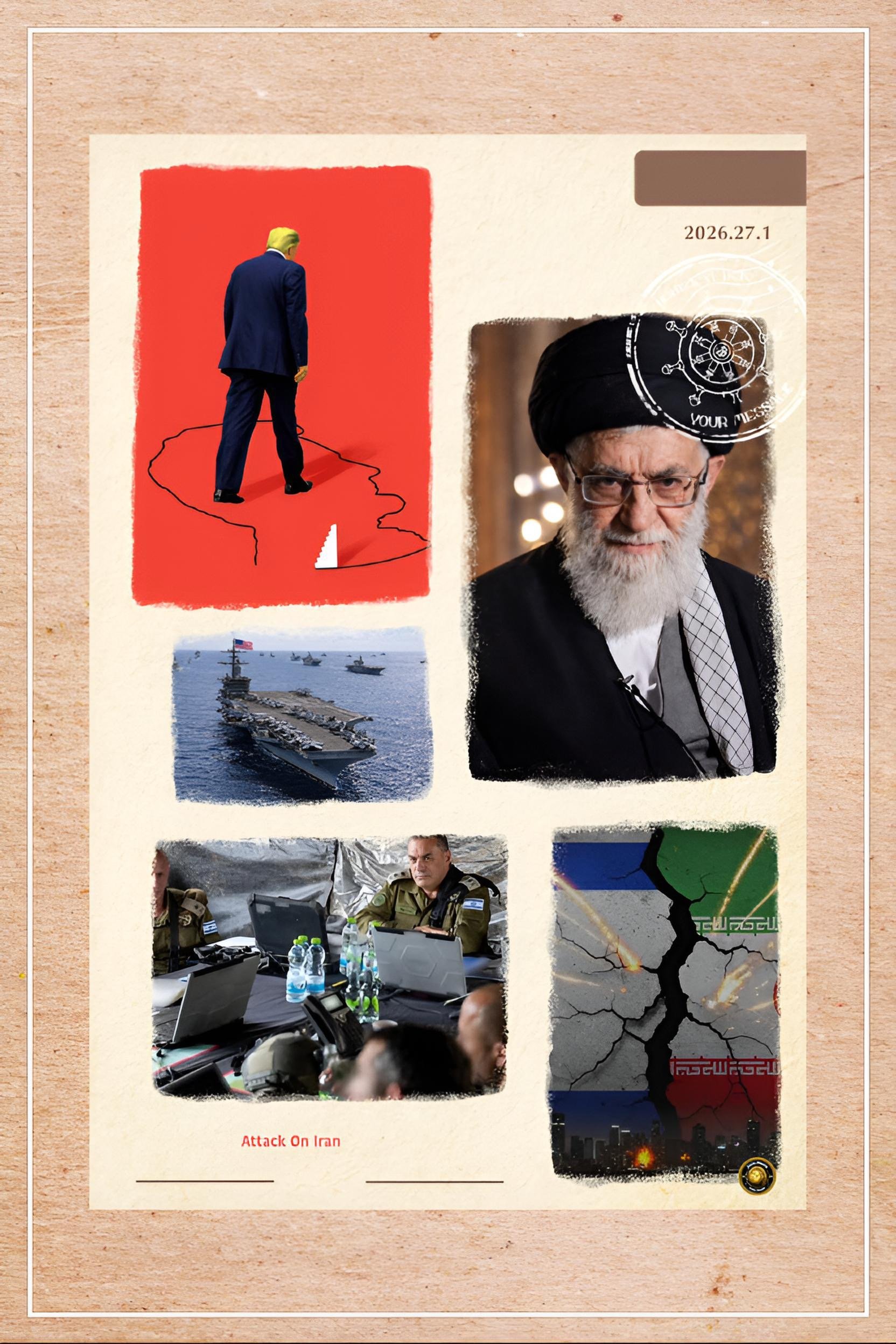
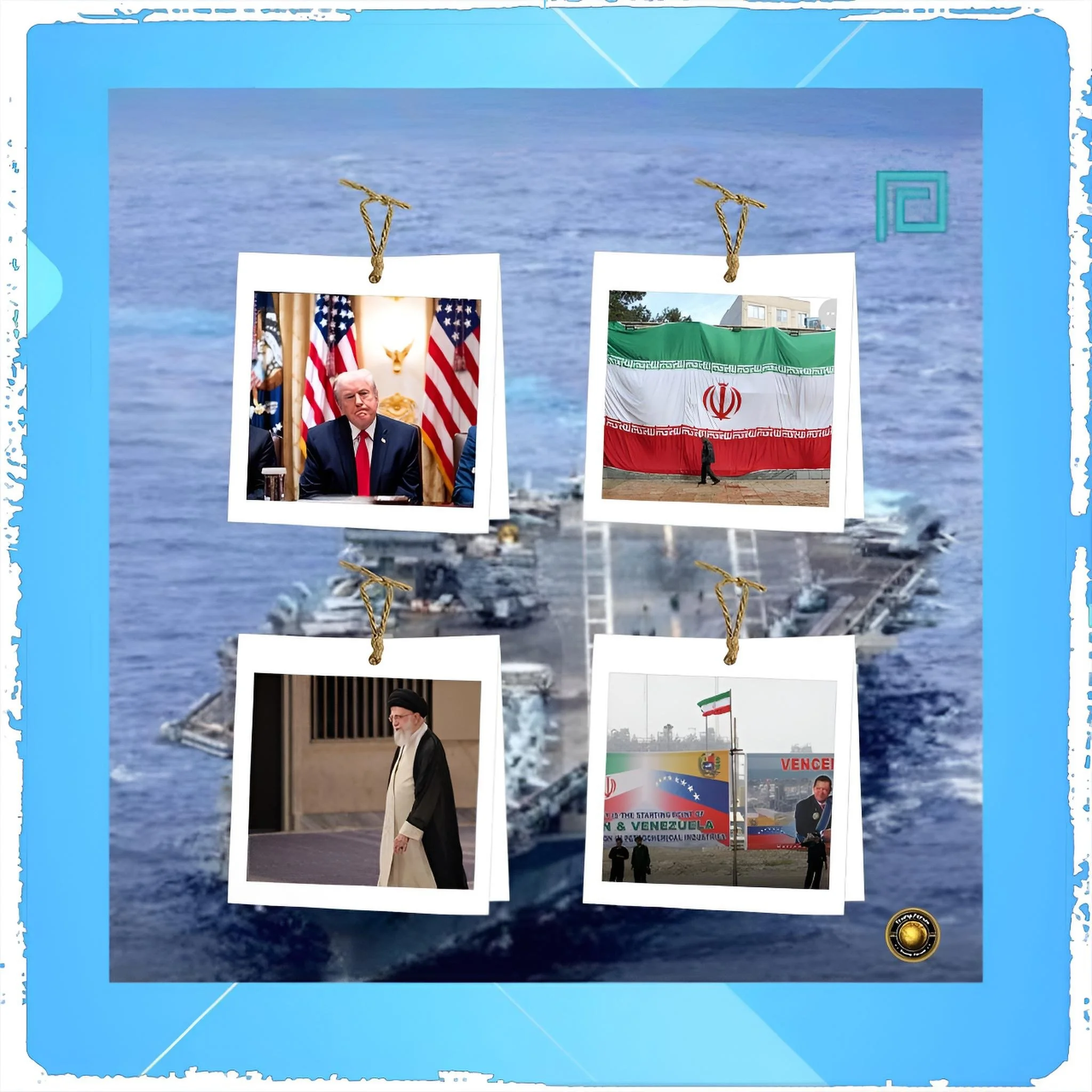
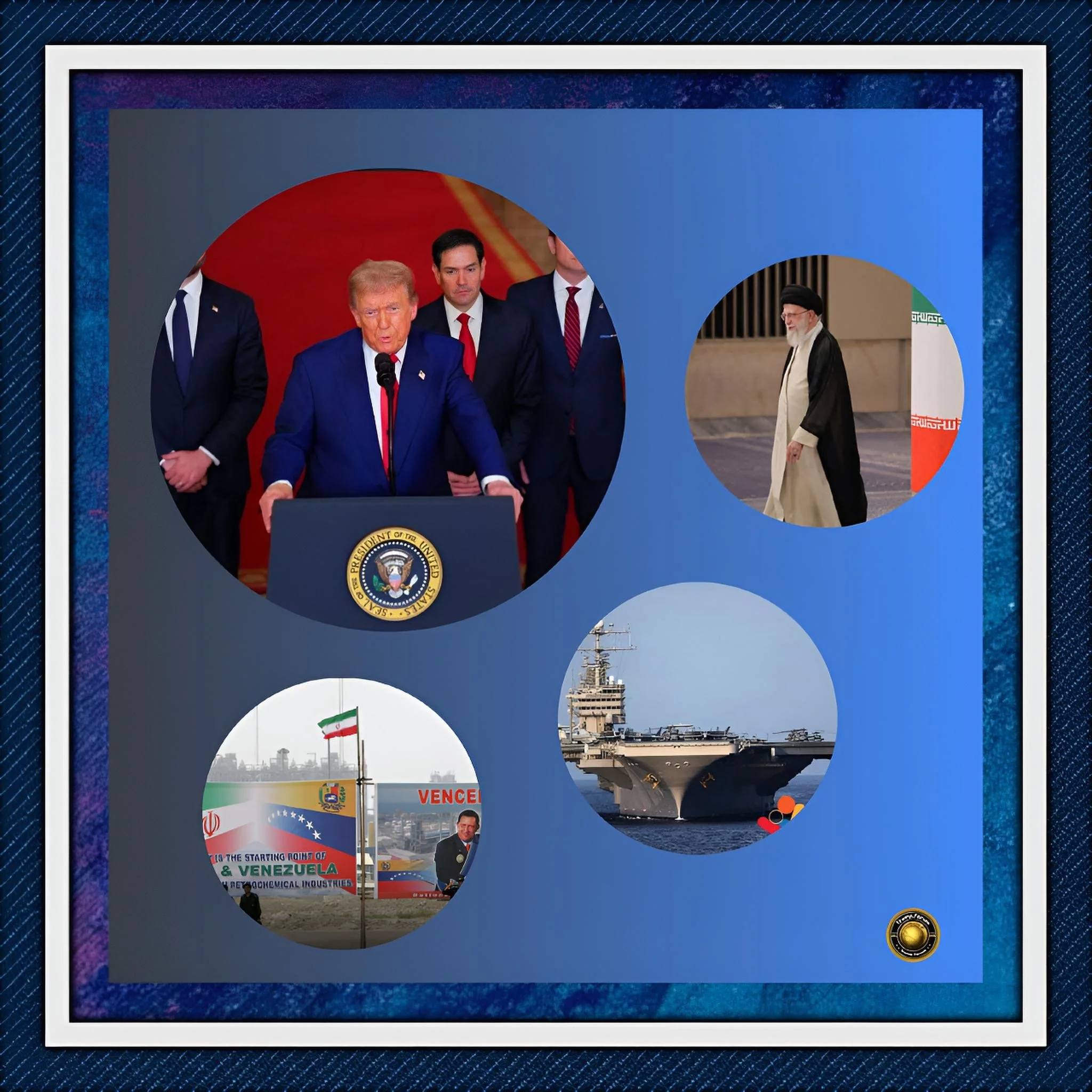
Second, the United States is sending more ships to the region. President Donald Trump sent the USS Abraham Lincoln aircraft carrier with many supporting ships toward the Persian Gulf. Trump says this is to warn Iran not to restart its nuclear program. He has threatened to knock the hell out of Iran if it restarts nuclear work or kills more protesters.
Third, Iran's top leader, Ayatollah Ali Khamenei, has gone into hiding. He is living in an underground bunker with tunnels in Tehran. This is very unusual and shows that Iran's leaders truly believe they might be attacked by America or Israel. While Khamenei hides, his third son Masoud is running his office and talking to government leaders every day. This suggests the regime is planning for the supreme leader to be killed or removed.
Fourth, Middle Eastern countries are refusing to help America attack Iran. The United Arab Emirates has publicly said it will not allow America to use its land, airspace, or water for attacks on Iran. This is important because America has military bases in the UAE. Without permission to use these bases, America would have to attack from ships or from very far away, which is much harder.
Fifth, Israel is already planning to attack again. Prime Minister Netanyahu says Israel crushed Iran's nuclear threat. But he also says Israel will attack with the same force if Iran tries to rebuild its nuclear program. Israeli military leaders say Iran is still Israel's biggest threat.
Why the Fighting Will Start Again
The peace is temporary because the main problems have not been solved. Let us look at why each side is unhappy.
Israel believes its very existence is at stake. Israelis remember the Holocaust when millions of Jews were killed because they had no country to protect them. When Iranian leaders say they want to destroy Israel, Israelis believe them. Israel thinks Iran is lying about its nuclear program and will secretly rebuild it. When Israel thinks Iran is close to having nuclear weapons again, Israel will attack. It would rather attack now than wait for Iran to have atomic bombs.
Iran believes it has the right to be a powerful country in the Middle East. It sees America and Israel as bullies trying to control the region. Iran's leaders think having nuclear weapons is the only way to protect themselves from attack. They also use their support for Hezbollah and Hamas to show they are leaders of the Muslim world against Israel and America. Even though Iran's economy is weak, giving up the nuclear program would mean admitting defeat. This would make the government look weak to its own people.
America is caught in the middle. Trump wants to look strong and protect American interests. He wants to help Israel, which is America's close friend. But America is tired of Middle Eastern wars. Sending ships to the region shows Iran that America is serious, but Trump is also trying to negotiate. The problem is that neither Israel nor Iran trusts the other enough to make real peace.
Countries like Saudi Arabia and the UAE are also in a difficult position. They do not want Iran to have nuclear weapons. But they also know that a big war would hurt their economies, damage their cities, and create millions of refugees. They want America to protect them but do not want war in their own backyard. This is why they refuse to let America use their military bases to attack Iran.
What Could Happen Next
There are three main ways the peace could end.
Scenario One: Israel Attacks First
This is the most likely scenario. Israeli spies watch Iran's nuclear facilities very carefully. If they see signs that Iran is rebuilding its nuclear program, Israel will launch surprise attacks. These attacks will be bigger than the June 2025 war. Israel might target not just nuclear sites but also missile factories, drone bases, and military command centers in Iran.
America would probably help Israel by sharing information and maybe attacking Iran's air defenses. Iran would fight back by firing missiles at Israeli cities like Tel Aviv and Jerusalem. Iran would also tell Hezbollah to attack Israel from Lebanon, Iraqi militias to attack American bases, and Houthi rebels in Yemen to threaten ships in the Red Sea and maybe attack Israel from far away.
Oil prices would go up very high because people would be afraid. This would hurt economies around the world. The war could spread across the entire Middle East. Many countries could get involved. Millions of people could become refugees. The damage would be enormous.
Scenario Two: Iran's Government Falls
The protests in Iran might grow so large that the government collapses. If the economy gets worse and more people join the protests, the army might split or refuse to shoot protesters. This could lead to revolution or civil war. A collapsed Iran would be very dangerous. No one would control the nuclear materials. Different groups would fight for power. Millions of refugees might flee to Turkey and neighboring countries. Outside powers like Turkey, Saudi Arabia, or America might intervene to control what happens next. This scenario is possible but unpredictable.
Scenario Three: Diplomacy Works
Saudi Arabia, Qatar, Oman, and Turkey are talking to both Israel and Iran, trying to prevent war. They want Iran to limit its nuclear program in exchange for relief from economic sanctions and promises that it will not be attacked. This would be similar to the 2015 nuclear deal that Trump canceled in 2018. For this to work, Israel would need to trust that Iran is not cheating, and Iran would need to trust that America and Israel will not attack anyway.
Given the deep hatred and mistrust between these countries, this scenario seems unlikely. But diplomacy is still being tried. If it succeeds, it could extend the peace. If it fails, the first scenario is very likely.
Why the Next War Will Be Worse
If fighting starts again, it will probably be worse than the June 2025 war for several reasons.
First, both sides have learned from the last war. Israel knows it needs to strike harder and more completely. Iran knows it needs to fire more missiles and use its proxy groups more effectively. Both sides are preparing for a bigger fight.
Second, there is no element of surprise anymore. In June 2025, Israel's attack was a surprise and caught Iran unprepared. Next time, Iran will be ready. It has probably moved equipment to underground bunkers where it is harder to bomb.
Third, more countries could get involved. The last war was mostly between Israel and Iran. Next time, Hezbollah in Lebanon could join immediately. Iraqi militias could attack American bases in Iraq. The Houthis in Yemen could try to close the Red Sea to all shipping. This would make it a regional war, not just a fight between two countries.
Fourth, the world economy is fragile. Oil from the Persian Gulf is very important to the entire world. A war that threatens Gulf oil supplies could trigger a worldwide economic crisis. Unemployment could rise. Stock markets could crash. People would suffer around the world.
The Never-Ending Story
The Israel-Iran conflict is like a story that never ends because the main characters cannot change what they believe most deeply. Israel believes it must prevent Iran from getting nuclear weapons no matter what the cost. Iran believes it must become a nuclear power to protect itself and its influence in the Middle East. America wants to support its friend Israel but also does not want another Middle Eastern war. Regional countries want security without war destroying their countries.
These beliefs cannot all be true at the same time. Someone has to give up something they think is very important. But no one is willing to do that. This is why the current peace is just a pause. The causes of the war are still there. The weapons are still there. The hatred and fear are still there.
The peace will last only until one side decides the other is getting too close to breaking its most important rules. For Israel, that rule is Iran getting nuclear weapons. For Iran, that rule is being attacked by America or Israel. For America, that rule is Iran killing many protesters or restarting nuclear work. For regional countries, that rule is avoiding war in their own neighborhoods.
These red lines are getting closer every day. The ships being sent, the underground bunkers being built, the refusal to allow military bases, and all the threats are not signs of peace. They are signs that everyone is preparing for war.
The question is not if the fighting will start again, but when, where, and how bad it will be. Based on what we see now, the next war will be bigger than the last one. It will involve more countries, more weapons, and more destruction. The twelve-day war of June 2025 was just a preview of what could come.
The world hopes for peace. But in Jerusalem, Tehran, Washington, and Abu Dhabi, leaders are not planning for peace. They are planning for the next round. And right now, this next round seems almost certain to happen. The Israel-Iran conflict is not really over. It is just taking a short break before it starts again, probably worse than before.