Global Choke Points and the Fragility of Maritime Trade in a Fractured World Order
Executive Summary
The new great game at sea controlling chokepoints in the twenty first century global order
Global trade at risk as maritime chokepoints become strategic battlegrounds in new geopolitical era
The architecture of globalization rests not on abstraction but on geography.
Despite decades of technological advancement and economic integration, the physical movement of goods remains concentrated in a limited number of maritime corridors.
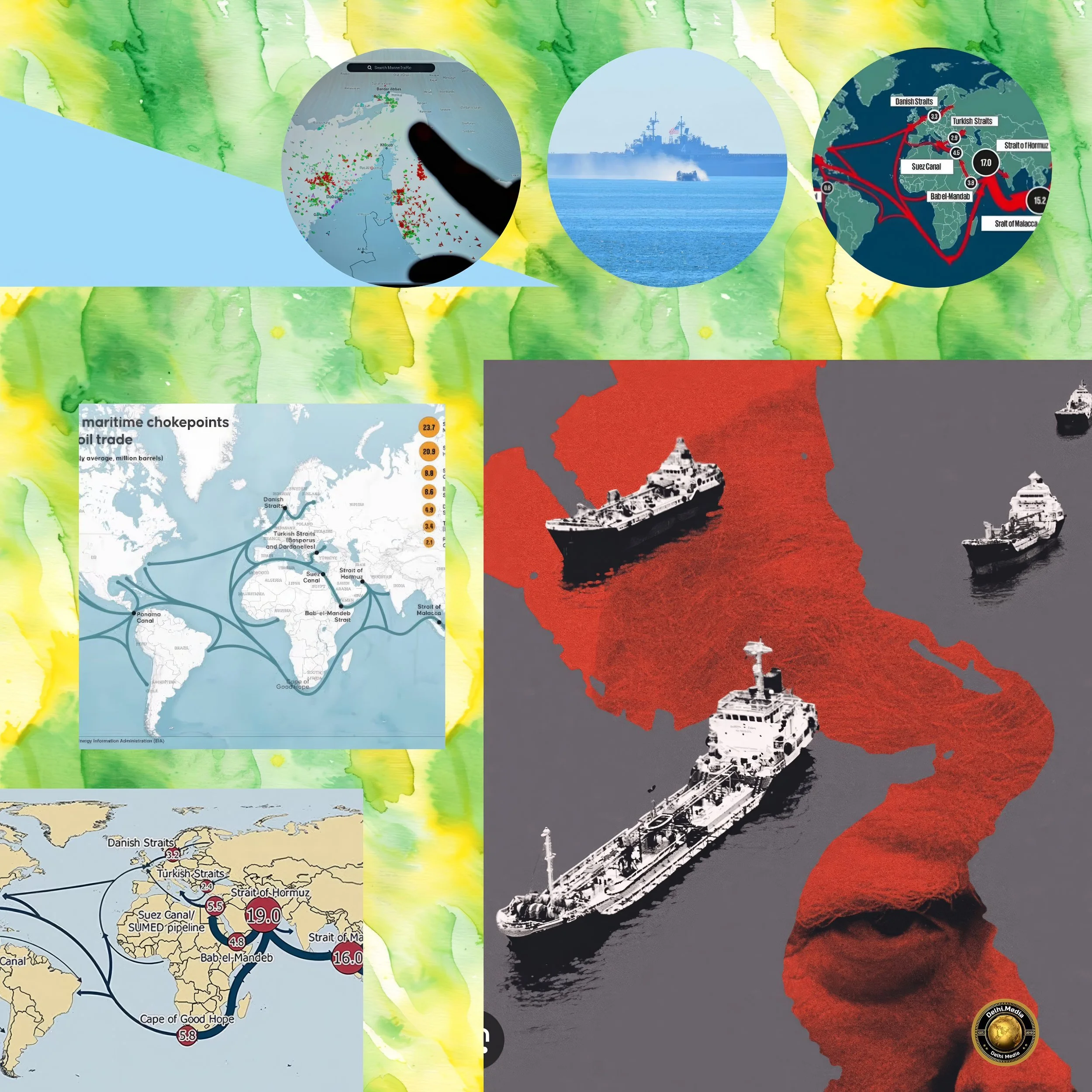
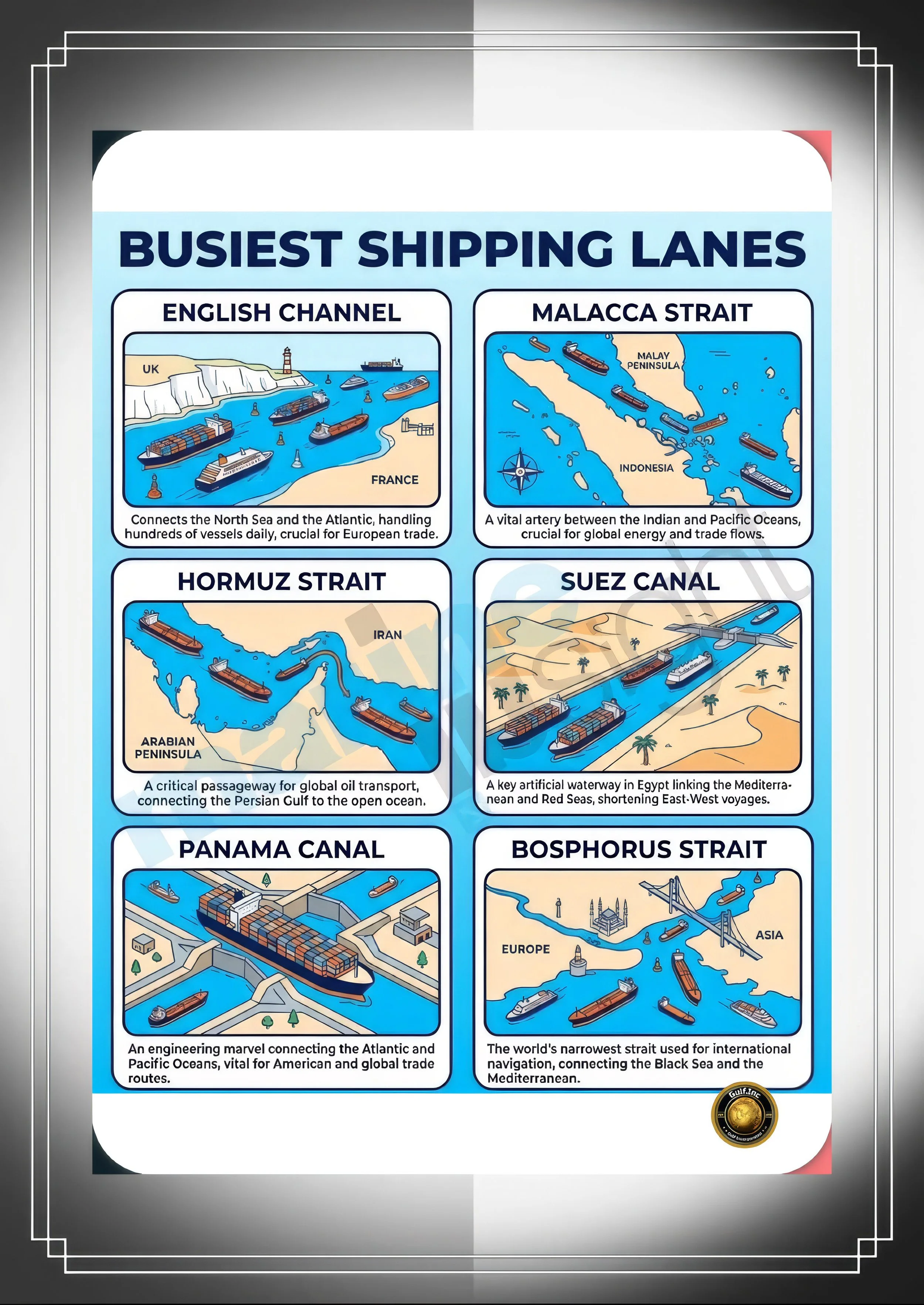
These chokepoints—among them the Strait of Hormuz, the Strait of Malacca, the Suez Canal, and the Panama Canal—are not merely logistical conveniences.
They are strategic fulcrums upon which the stability of the global economy depends.
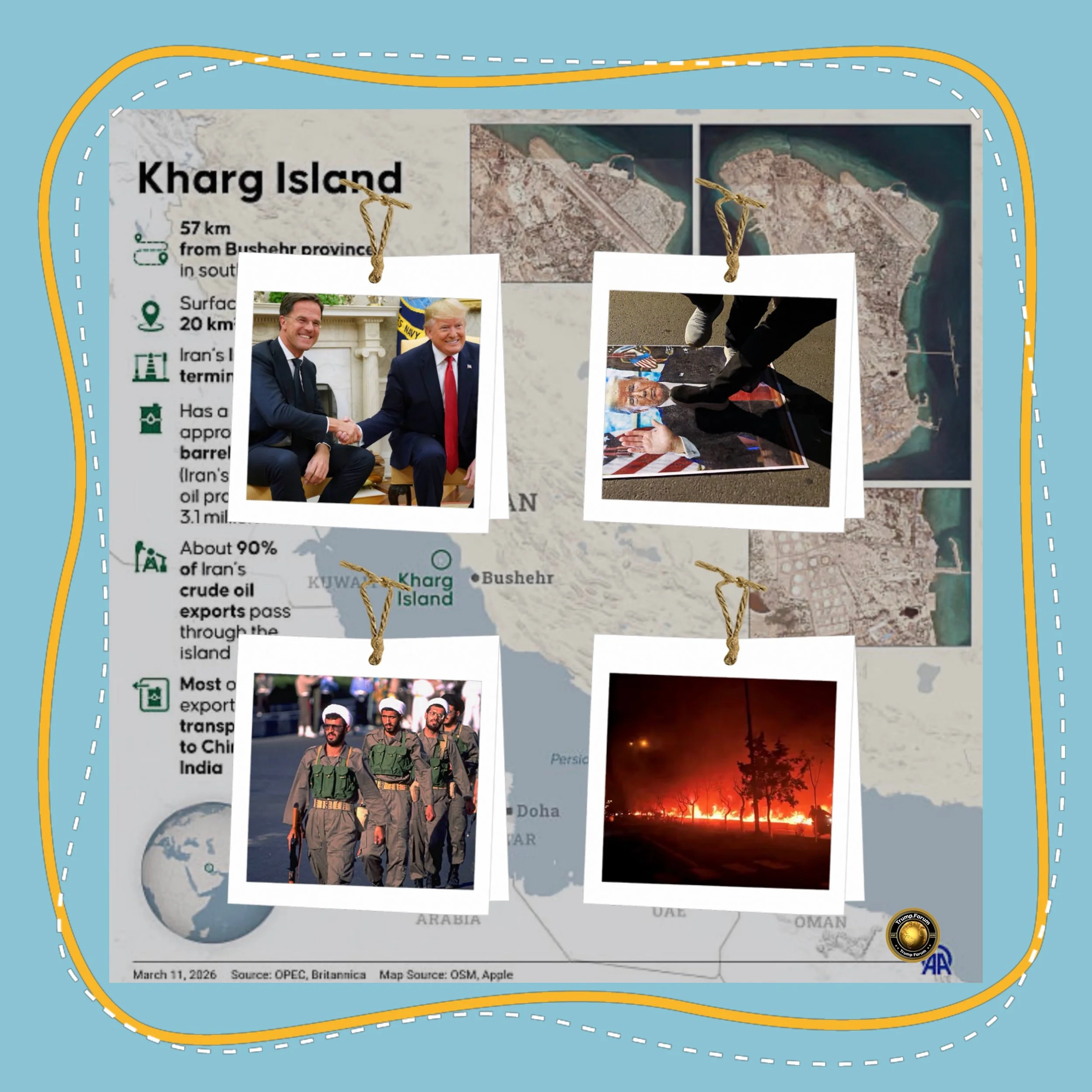
The recent focus on Hormuz, driven by tensions involving Iran, has highlighted the vulnerability of these corridors. Yet the deeper reality is systemic rather than episodic.
Each chokepoint represents a concentration of risk. Disruption at any one node can propagate through global supply chains, amplify economic volatility, and reshape geopolitical calculations.
The transformation underway is not simply about increased risk but about the changing nature of power.
Where once control over chokepoints was the preserve of dominant naval powers, today a broader range of stakeholders—including smaller states and non-state actors—possess the means to threaten them.
Technological diffusion has lowered the cost of disruption while increasing the complexity of defense.
FAF article argues that maritime chokepoints are re-emerging as central arenas of global competition.
Their significance is being amplified by three converging forces: geopolitical fragmentation, environmental stress, and the structural concentration of trade.
The result is a global system that is simultaneously efficient and fragile, integrated and exposed.
Introduction
From Malacca to Panama why the world economy depends on vulnerable maritime corridors
For much of the post-Cold War period, globalization fostered an assumption of continuity.
Supply chains were optimized for efficiency, shipping routes operated with predictable regularity, and disruptions were treated as exceptions rather than systemic features.
The sea lanes that carried the bulk of global trade were largely invisible to public discourse, functioning as the silent infrastructure of economic integration.
That assumption is now eroding.
The renewed attention to the Strait of Hormuz has revealed how quickly the stability of maritime trade can be called into question.
Yet focusing solely on Hormuz risks obscuring the broader pattern.
The global trading system is not a network of interchangeable routes but a hierarchy of constrained pathways.
These pathways are defined by geography, and their narrowness concentrates both opportunity and vulnerability.
The Strait of Malacca, linking the Indian and Pacific Oceans, is among the busiest shipping lanes in the world.
The Panama Canal, connecting the Atlantic and Pacific, remains indispensable despite its capacity limitations.
The Suez Canal continues to serve as a critical artery between Europe and Asia.
Each of these corridors handles a disproportionate share of global trade relative to its size.
What has changed is the context in which these chokepoints operate.
The strategic landscape has become more fragmented, with multiple stakeholders pursuing overlapping and often competing objectives.
At the same time, technological advances have expanded the range of tools available for both disruption and defense.
Environmental pressures, particularly those associated with climate change, have introduced additional uncertainties.
The result is a system in which chokepoints are no longer passive conduits but active sites of risk and competition.
Their vulnerability is not an anomaly but a structural feature of globalization.
Understanding this reality requires a shift in perspective—from viewing maritime trade as a stable backdrop to recognizing it as a dynamic and contested landscape.
History and Current Status
The return of sea power how chokepoints are reshaping global commerce and conflict
The strategic importance of maritime chokepoints has been a constant in the history of global trade.
From the age of empires to the present day, control over narrow sea routes has conferred disproportionate influence.
The British Empire’s maritime dominance, for example, was anchored in its ability to secure key passages such as Gibraltar and the Suez Canal, enabling it to sustain a global network of commerce and power.
The construction of artificial chokepoints further reinforced this dynamic.
The Suez Canal and the Panama Canal were not merely engineering achievements; they were strategic transformations that reshaped the geography of trade.
By shortening distances and concentrating traffic, they increased both efficiency and vulnerability.
In the contemporary era, these chokepoints remain central to global trade.
The Strait of Hormuz handles a substantial share of the world’s oil and liquefied natural gas exports.
The Strait of Malacca serves as a critical route for energy shipments to East Asia.
The Suez Canal facilitates a significant portion of trade between Europe and Asia, while the Panama Canal remains vital for transcontinental shipping.
However, the nature of their vulnerability has evolved. During the Cold War, chokepoint security was largely a matter of naval presence and deterrence.
Today, the landscape is more complex.
The diffusion of technology has enabled a wider range of stakeholders to threaten these corridors.
Missiles, drones, and cyber capabilities have lowered the barriers to entry, allowing relatively weaker actors to impose significant costs.
Environmental factors have added a new dimension to this vulnerability.
The Panama Canal’s recent capacity constraints, driven by drought conditions, illustrate how climate change can directly impact global trade. Similarly, extreme weather events are increasing the unpredictability of shipping routes.
The current status of maritime chokepoints can thus be characterized by a paradox.
They are more essential than ever, yet also more exposed.
The very efficiency that has made them indispensable has also made them points of systemic fragility.
Key Developments
Beyond Hormuz mapping the hidden weak links of global shipping and energy flows
Recent developments have underscored the extent to which maritime chokepoints have become central to global risk.
The blockage of the Suez Canal by the Ever Given demonstrated how a single incident could disrupt global trade on a massive scale.
Within days, supply chains across multiple industries were affected, highlighting the system’s lack of redundancy.
In the Panama Canal, environmental constraints have introduced a different form of disruption.
Reduced water levels have limited transit capacity, forcing shipping companies to adapt through delays or rerouting.
This has introduced structural inefficiencies into global trade, increasing costs and reducing reliability.
The security landscape has also shifted.
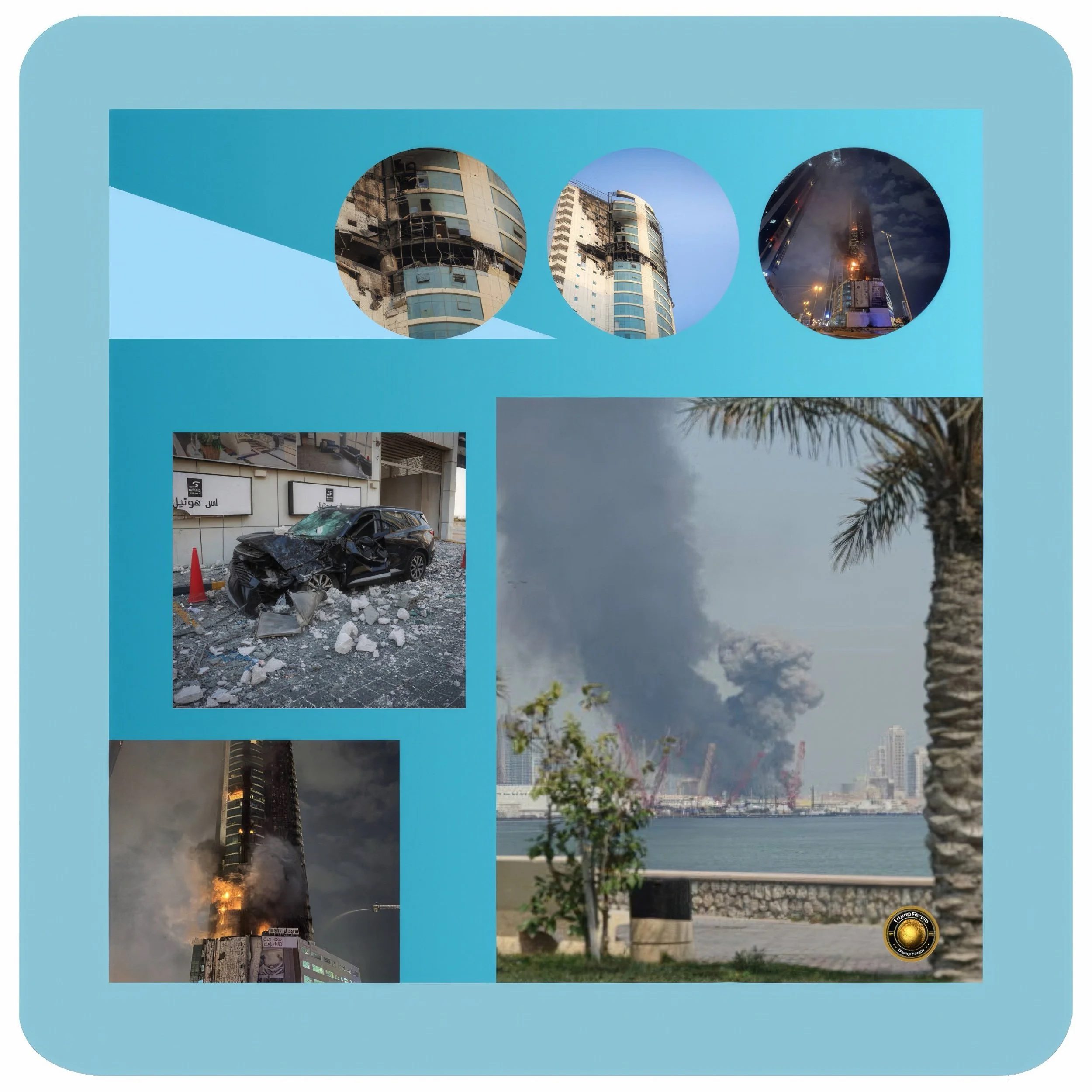
The Red Sea has emerged as a zone of heightened risk, with attacks on commercial vessels illustrating the growing capabilities of non-state actors.
These developments reflect a broader trend in which the tools of disruption are becoming more accessible.
In the Strait of Hormuz, tensions involving Iran have reinforced the strategic significance of chokepoints.
The ability to threaten shipping, even without sustained disruption, provides leverage that can influence global markets.
This dynamic is not confined to Hormuz but is indicative of a broader pattern.
Latest Facts and Concerns
Why modern economies hinge on ancient sea routes facing new geopolitical pressures
The current landscape of maritime trade is defined by a convergence of pressures.
Energy flows remain highly concentrated, with significant volumes passing through a small number of chokepoints.
This concentration amplifies the impact of any disruption.
Shipping costs have become increasingly volatile, reflecting both operational constraints and security risks. Insurance premiums for vessels transiting high-risk areas have risen, contributing to higher overall costs.
These costs are ultimately passed on to consumers, affecting prices across a range of goods.
Environmental challenges continue to intensify. Climate change is altering the conditions under which maritime infrastructure operates, introducing new uncertainties.
The Panama Canal’s drought is one example, but similar challenges are emerging elsewhere.
Cybersecurity has emerged as an additional concern.
As maritime infrastructure becomes more digitized, it becomes more vulnerable to cyber disruption.
This adds another layer of complexity to an already fragile system.
Cause and Effect Analysis
The strategic geography of trade chokepoints in an age of escalating great power rivalry
Disruptions at maritime chokepoints produce cascading effects that extend far beyond the immediate area.
When a chokepoint is compromised, shipping routes must be adjusted, leading to longer transit times and higher costs.
These costs propagate through supply chains, affecting production, distribution, and consumption.
Energy markets are particularly sensitive to such disruptions.
The concentration of oil and gas flows through chokepoints means that even minor disruptions can have significant effects on prices.
This creates a feedback loop in which geopolitical tension translates directly into economic volatility.
The strategic use of chokepoints as leverage further complicates this dynamic.
Stakeholders can exploit these vulnerabilities to exert pressure without engaging in direct conflict. This blurs the line between economic competition and geopolitical confrontation.
Future Steps
How fragile maritime corridors threaten globalization and reshape economic security worldwide
Efforts to address chokepoint vulnerability are focused on diversification, technology, and cooperation.
Alternative routes, including overland corridors, are being developed to reduce dependence on maritime chokepoints. Technological innovations are improving efficiency and resilience.
However, these measures cannot fully eliminate vulnerability.
Geography imposes constraints that cannot be easily overcome. The challenge is therefore to manage risk rather than eliminate it.
Conclusion
The fragility of maritime chokepoints is a defining feature of the contemporary global order.
As the world becomes more interconnected, it also becomes more vulnerable to localized disruptions.
Managing this vulnerability will be one of the central challenges of the coming decades.