Escalation in the Gulf: How Leadership Targeting Raises Risks of Regional War - Part VI
Executive Summary
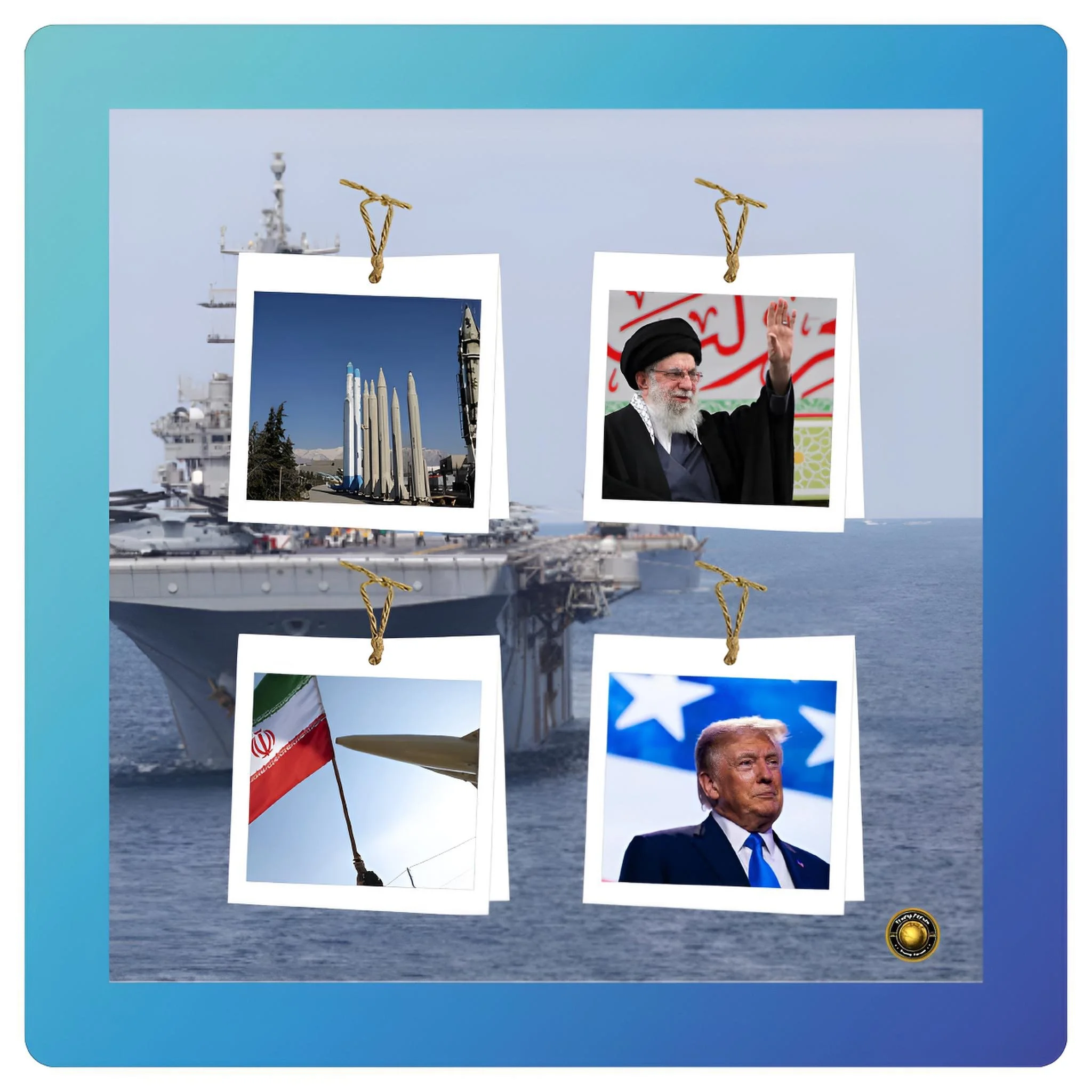
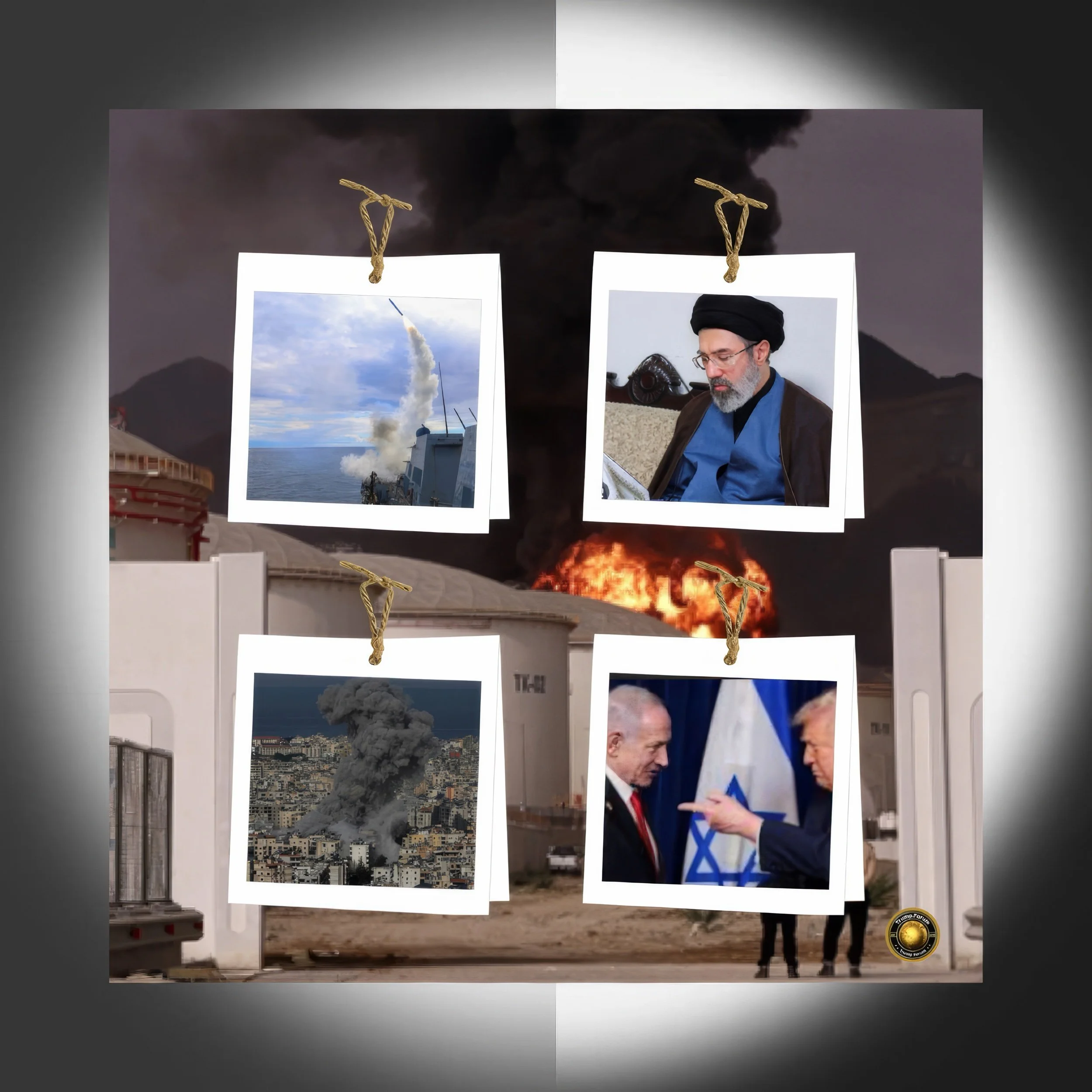
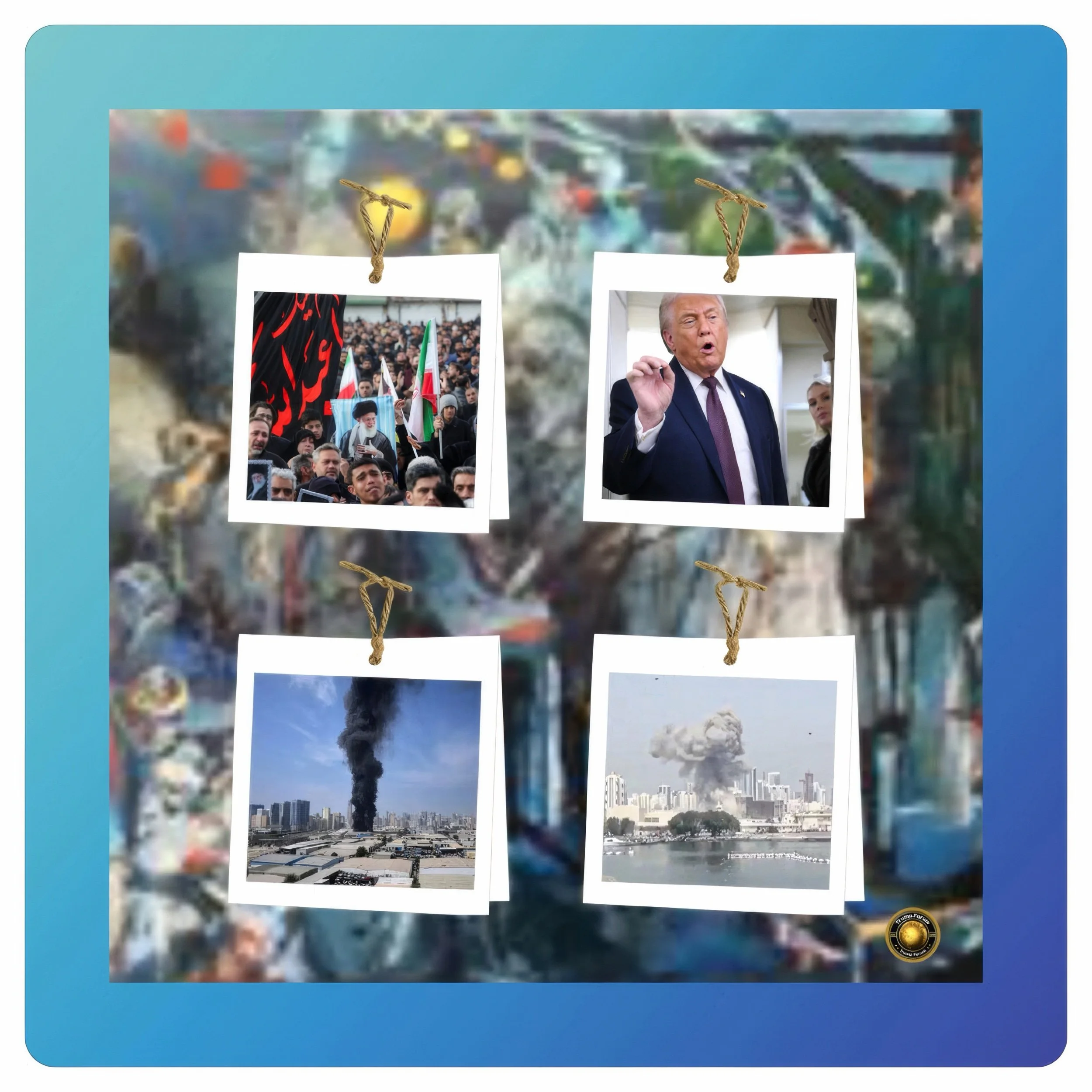
The latest joint military strikes conducted by the United States and Israel inside Iran mark a decisive turning point in Gulf geopolitics.
Unlike the earlier campaign that focused narrowly on nuclear infrastructure, the new operation expanded its scope to include elements of Iranian political and military leadership.
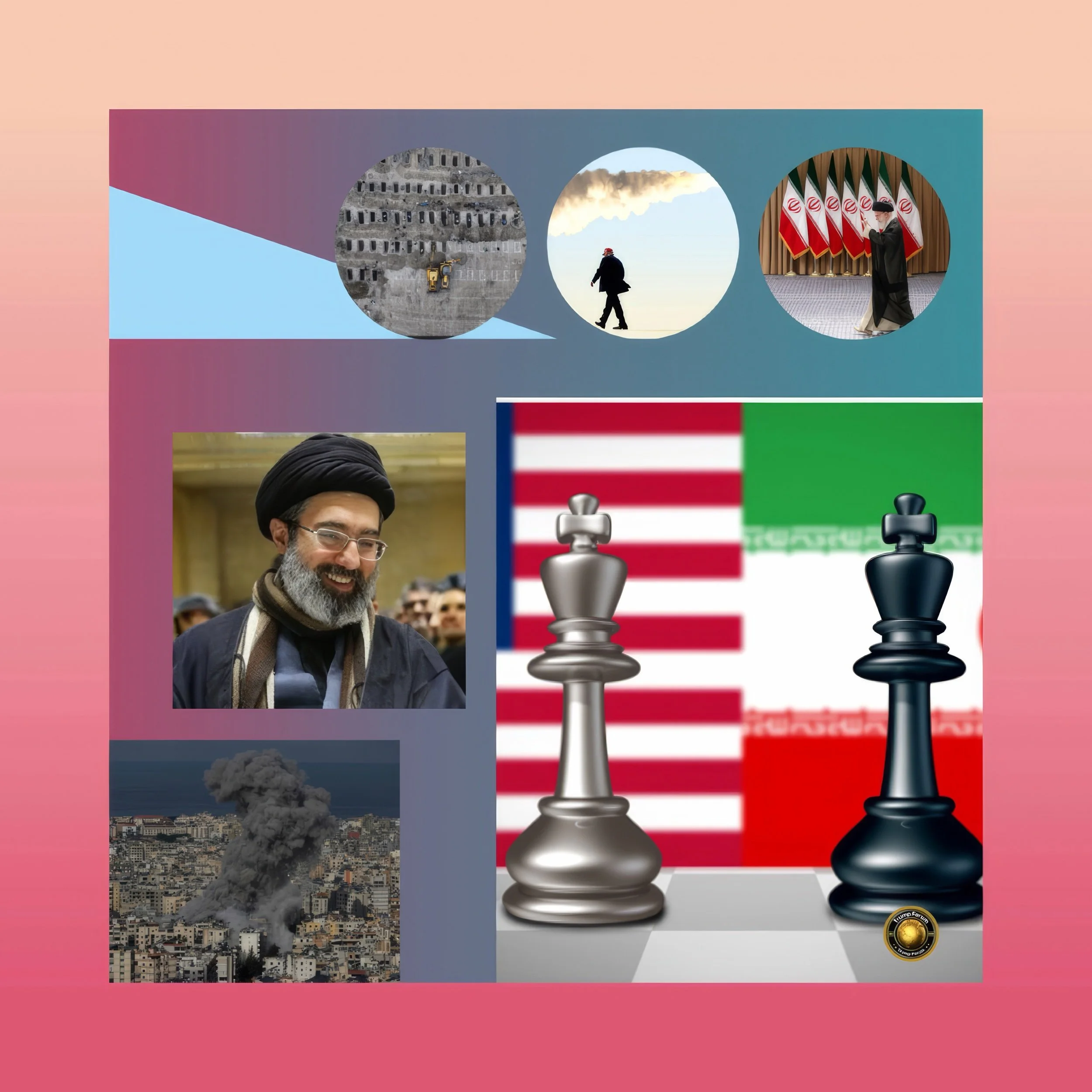
President Donald Trump’s explicit invocation of regime change has elevated the confrontation from calibrated deterrence to systemic challenge.
This escalation represents more than a tactical adjustment. It reflects a doctrinal shift toward coercive disruption without occupation, strategic decapitation without long-term stabilization, and deterrence through uncertainty rather than overwhelming force.
The gamble rests on a belief that targeted pressure can fracture Iran’s governing structure while avoiding regional war. Yet history suggests that external pressure often consolidates rather than weakens authoritarian systems.
The stakes extend far beyond bilateral hostility. The Gulf remains the central artery of global energy markets.
The Strait of Hormuz carries a substantial share of global oil shipments.
Escalation risks maritime disruption, energy shocks, inflationary pressures, and deeper polarization in the international system.
Moreover, Iran’s asymmetric network of regional partners provides multiple avenues for retaliation that bypass conventional battlefields.
FAF article examines the structural roots of U.S.–Iranian hostility, the doctrinal evolution behind the strikes, the regional and global reverberations, and the strategic risks embedded within the present trajectory.
It argues that the current campaign risks opening a chain reaction whose consequences may exceed its intended objectives.
Introduction
Strategic confrontations rarely remain static. They evolve through cycles of escalation, adaptation, and recalibration.
The confrontation between Washington and Tehran has entered such a phase.
The latest strikes inside Iran signal a transition from infrastructure-focused containment to leadership-focused coercion.
This shift is not merely operational; it is conceptual.
For decades, U.S. policy toward Iran oscillated between engagement and pressure.
The nuclear question provided a focal point for diplomacy and sanctions alike. Yet the broader rivalry encompassed regional influence, missile development, maritime security, and ideological competition.
The new campaign reframes the conflict as a contest over governance and legitimacy.
President Trump’s rhetoric underscores this transformation.
By invoking regime change, he has articulated a goal that transcends deterrence.
Whether this declaration reflects a deliberate strategy or a maximalist negotiating posture remains uncertain.
What is clear is that it alters perceptions across the region.
The Gulf’s geography magnifies risk. Narrow waterways, dense military deployments, and overlapping alliances compress decision timelines.
Miscalculation can escalate rapidly. In such an environment, even limited strikes can trigger disproportionate consequences.
Historical Foundations of the Rivalry
Revolution and Estrangement
The rupture between the United States and Iran began with the revolution that established the Islamic Republic.
The new leadership framed its legitimacy around resistance to foreign domination.
The hostage crisis entrenched hostility and shaped U.S. perceptions for decades.
Throughout the 1980s and 1990s, confrontation unfolded indirectly.
Sanctions, covert operations, and proxy alignments defined the relationship. Direct war was avoided, but mistrust deepened.
The Nuclear Era
The emergence of Iran’s nuclear program as a central issue transformed the rivalry into a global concern. Negotiations culminated in a multilateral agreement that constrained enrichment in exchange for sanctions relief.
The withdrawal of the United States from that arrangement reintroduced pressure and uncertainty.
The maximum pressure campaign sought to force renegotiation through economic strangulation.
Iran responded by incrementally expanding nuclear activities and demonstrating regional leverage through its partners.
Shadow Warfare
Over the past decade, Israel conducted numerous covert and overt operations against Iranian assets in Syria and beyond.
Cyber operations, targeted assassinations, and sabotage formed part of a shadow war. The United States participated selectively, particularly following the killing of a senior Iranian commander in 2020.
These episodes established a pattern of limited escalation.
Each side sought to signal resolve without triggering full-scale war.
The recent strikes depart from this calibrated ambiguity.
The Doctrinal Shift Behind the Latest Strikes
From Deterrence to Disruption
Earlier strikes targeted facilities linked to nuclear enrichment.
The objective was to degrade capability and reinforce red lines.
The latest operation expanded targeting parameters to include leadership nodes and broader strategic infrastructure.
This evolution reflects a belief in disruption over degradation. Rather than simply slowing nuclear progress, the aim appears to be systemic dislocation.
Leadership targeting seeks to interrupt command continuity and induce uncertainty within governing structures.
Decapitation Without Occupation
The doctrine mirrors a broader trend in U.S. strategy: decisive force without occupation.
After costly interventions in Iraq and Afghanistan, American policymakers have shown reluctance to commit ground forces. Precision strikes offer an alternative that promises impact without prolonged entanglement.
Yet decapitation strategies carry inherent uncertainty.
Authoritarian systems often possess succession mechanisms that preserve continuity. Removing individuals does not necessarily dissolve institutions.
Strategic Signaling
The explicit language of regime change serves both external and internal audiences. Internationally, it signals determination.
Domestically, it projects strength. However, rhetoric can constrain flexibility. Once regime change becomes a declared objective, de-escalation may appear as retreat.
Iran’s Asymmetric Architecture
Proxy Networks
Iran’s regional influence rests on relationships with non-state armed groups.
These networks provide strategic depth. They allow Tehran to impose costs indirectly. Mobilization of such partners expands the battlefield geographically.
Hezbollah in Lebanon, militias in Iraq, and armed groups in Yemen represent instruments of calibrated retaliation.
Their activation could draw Israel and Gulf states into broader confrontation.
Missile and Drone Capabilities
Iran has invested heavily in missile and drone technology. These systems provide deterrence by threatening regional bases and infrastructure. Precision-guided munitions reduce the need for conventional superiority.
Cyber Capabilities
Iran’s cyber units possess the capacity to disrupt infrastructure. Attacks on energy facilities, financial networks, or maritime logistics could impose economic costs without overt military engagement.
Maritime Leverage
The Strait of Hormuz remains a strategic chokepoint. Even temporary disruption can generate global price spikes. Iran’s ability to harass shipping provides leverage disproportionate to its conventional power.
Regional Repercussions
Gulf Monarchies
Gulf states face a dilemma. They share concerns about Iran’s ambitions yet fear becoming targets of retaliation. Their infrastructure is vulnerable. Energy facilities, desalination plants, and ports lie within missile range.
Israel’s Security Calculus
Israel perceives Iran’s regional entrenchment and nuclear potential as existential threats. The joint strikes reflect alignment between Washington and Jerusalem. Yet Israeli territory may face retaliation through northern fronts.
Iraq and Lebanon
Fragile political systems in Iraq and Lebanon risk destabilization if proxy conflict intensifies. Escalation could undermine governance and economic recovery.
Yemen and the Red Sea
Shipping lanes in the Red Sea have already faced disruption. Renewed conflict could expand maritime insecurity.
Global Energy and Economic Implications
Oil Market Volatility
The Gulf supplies a significant share of global oil. Even perceived risk can elevate prices. Sustained disruption would intensify inflationary pressures globally.
Shipping and Insurance Costs
Maritime insecurity raises insurance premiums and shipping costs. Supply chains remain sensitive following previous global disruptions.
Financial Markets
Geopolitical uncertainty increases volatility. Investors respond to perceived instability with risk aversion.
Great Power Competition
Russia’s Position
Russia maintains strategic ties with Tehran. Escalation may deepen cooperation in defense and energy sectors. Moscow benefits from higher oil prices but risks regional instability.
China’s Interests
China depends heavily on Gulf energy imports. It seeks stability and may advocate de-escalation while preserving ties with Iran.
European Concerns
European states prioritize nuclear nonproliferation and regional stability. They face economic exposure to energy volatility.
Legal and Normative Dimensions
Sovereignty and Preemption
Leadership targeting challenges established norms. Preemptive strikes justified by anticipatory self-defense remain controversial.
Precedent Setting
Normalization of decapitation strategies may influence future conflicts elsewhere.
Domestic Political Dynamics
Internal Iranian Politics
Economic hardship and political repression have generated dissent. Yet external attack often fosters nationalist solidarity.
American Political Context
Escalation intersects with domestic narratives. Foreign policy decisions may carry electoral implications.
Cause and Effect Analysis
External Pressure and Regime Cohesion
Historical experience suggests external attack can consolidate ruling elites. Rather than fracturing governance, it may strengthen security institutions.
Escalatory Spirals
Retaliation invites counter-retaliation. Each cycle narrows diplomatic space.
Energy Shock Transmission
Higher oil prices affect transportation, manufacturing, and food costs globally.
Bloc Formation
Escalation may reinforce alignment among states critical of U.S. policy, deepening systemic fragmentation.
Strategic Scenarios
Limited Containment
Strikes degrade capabilities; retaliation remains contained; diplomatic channels reopen.
Regional Escalation
Proxy conflict expands; maritime disruption intensifies; global markets react sharply.
Prolonged Standoff
Low-level confrontation persists without resolution.
Internal Transformation
Domestic shifts in Iran alter governance trajectory, though such outcomes remain uncertain.
Future Pathways
Diplomatic Engagement
Backchannel communication can prevent miscalculation.
Regional Security Dialogue
Inclusive frameworks may reduce long-term risk.
Deterrence Clarity
Clear articulation of red lines reduces ambiguity.
Energy Stabilization
Coordination among producers can cushion shocks.
Conclusion
Trump’s Iran gamble embodies the paradox of modern coercion. It seeks decisive outcomes without prolonged occupation.
It aims to transform behavior without triggering uncontrollable escalation. Yet the Gulf’s structural volatility resists neat solutions.
The decision to broaden targeting parameters has altered the strategic equation. Whether the outcome reinforces deterrence or unleashes destabilization depends on responses across multiple domains.
The Pandora’s box metaphor captures the uncertainty. Once escalation begins, containment becomes increasingly difficult.
The Gulf stands at a hinge moment. Strategic prudence, calibrated signaling, and sustained diplomacy will determine whether the region descends into protracted conflict or returns to fragile equilibrium.