Executive Summary
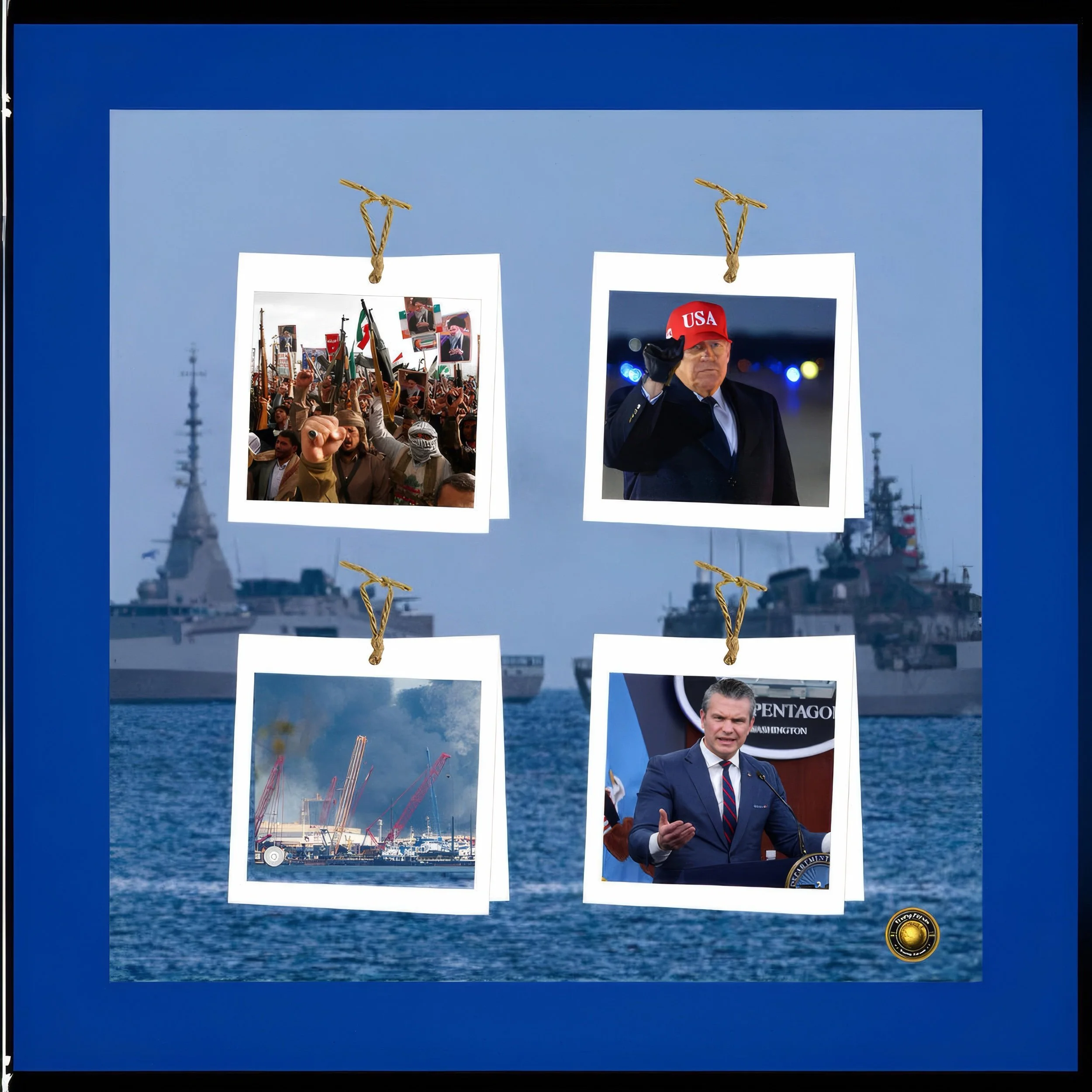
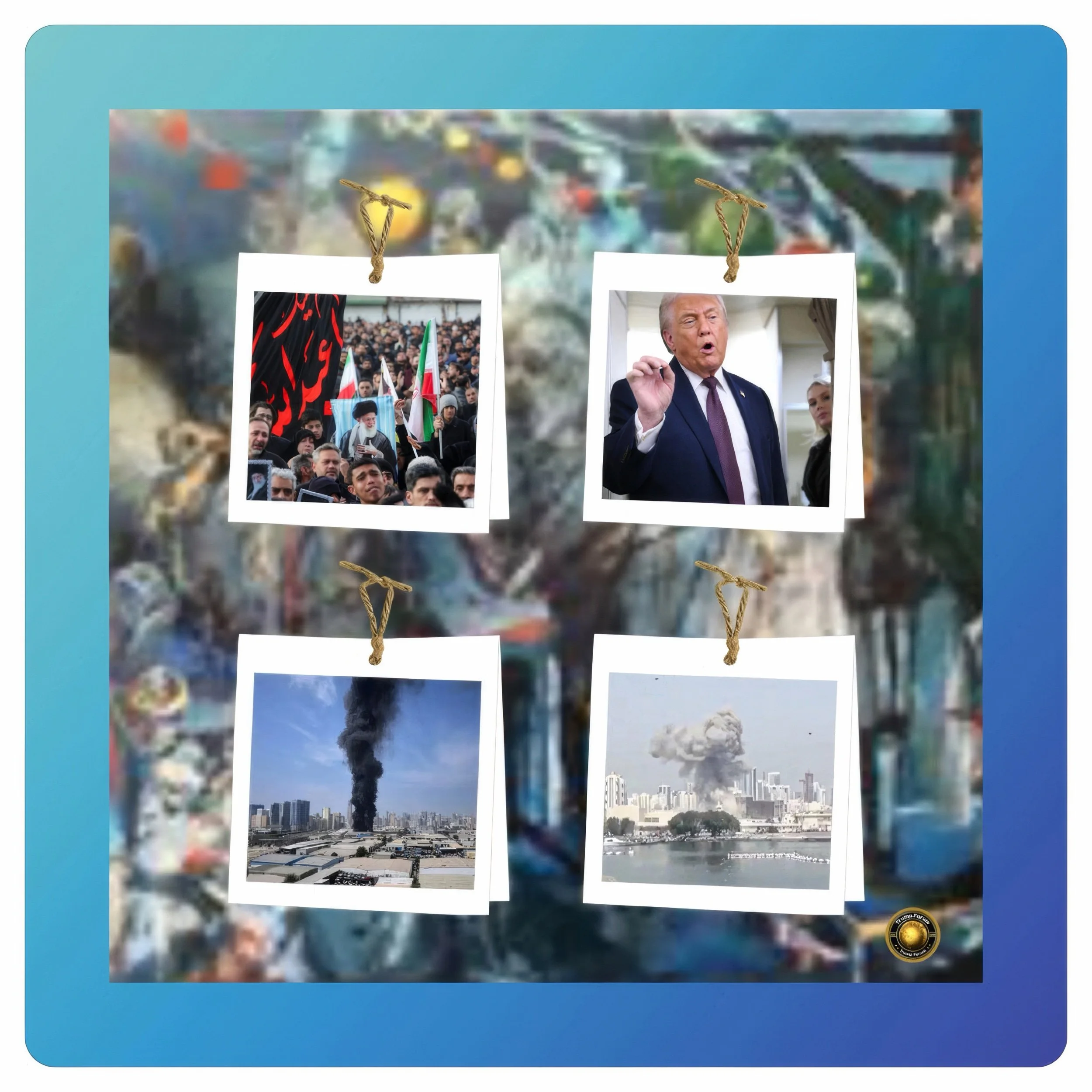
The United States and Israel have carried out new military strikes inside Iran. These attacks are bigger and broader than those that happened eight months ago.
This time, the focus was not only on nuclear sites but also on military leaders and other important targets.
President Donald Trump has even spoken about regime change. That means he wants a different government in Iran.
This situation is dangerous. Iran may respond through its allies in places like Lebanon, Iraq, and Yemen.
Oil prices may rise. Shipping in the Gulf could be attacked. Big countries like Russia and China may support Iran more openly.
This article explains what happened, why it matters, and what could happen next.
Introduction
The conflict between the United States and Iran has lasted for decades. Sometimes it becomes quiet. Sometimes it becomes very tense. The latest strikes have increased the tension again.
When countries attack each other’s leaders or major military centers, the risk becomes higher.
It is no longer just about sending a warning. It can become about survival and pride.
The Gulf region is very important to the world.
A large share of the world’s oil passes through the Strait of Hormuz. If fighting grows, everyone may feel the impact.
History and Current Situation
The United States and Iran have been hostile since 1979. That year, Iran had a revolution. Since then, both sides have mistrusted each other.
In 2015, there was a nuclear deal. Iran agreed to limit its nuclear work. In return, sanctions were reduced. Later, the United States left the deal. Tensions grew again.
Eight months ago, the United States hit three nuclear facilities. Israel attacked missile sites and military leaders. Iran responded, but carefully. It did not start a full war.
Now, the new strikes are wider. They include leadership targets. That makes the situation more serious.
Key Developments
The attacks were not only about nuclear weapons. They were also about weakening Iran’s military power.
Iran has allies in other countries.
For example, Hezbollah in Lebanon can fire rockets at Israel.
Militias in Iraq can attack U.S. bases. Groups in Yemen can threaten ships in the Red Sea.
Iran can also use cyberattacks. For example, it could try to shut down oil facilities or financial systems.
Inside Iran, there are protests because of economic problems. But when a country is attacked from outside, people sometimes unite behind their government.
Latest Facts and Concerns
Oil prices have already shown signs of instability. If ships cannot pass safely through the Strait of Hormuz, prices could rise quickly.
There is also the danger of miscalculation. A small attack could be misunderstood as a large one. That could lead to rapid escalation.
Another concern is international law. Attacking leaders can create new precedents. Other countries may copy this behavior in future conflicts.
Cause and Effect
If the United States increases pressure, Iran may increase resistance. That can lead to a cycle.
For example, if Iran’s allies attack a U.S. base, the United States may respond again. Each step increases risk.
Higher oil prices can lead to inflation in many countries. That affects ordinary people through higher fuel and food costs.
If Russia and China support Iran more strongly, the world may become more divided into blocs.
Future Steps
There are still ways to reduce tension. Countries can use mediators. Quiet talks often happen even when public speeches are strong.
Clear communication is important. If each side knows the other’s limits, accidents are less likely.
Regional cooperation is also important. Gulf countries do not want war. They may push for calm.
Conclusion
Trump’s Iran gamble is risky. It may succeed in weakening Iran’s military power. But it may also open a wider conflict.
The Gulf is too important for mistakes. Oil, trade, and security all depend on stability there.
The coming months will show whether this crisis grows into war or returns to uneasy peace.