Executive summary
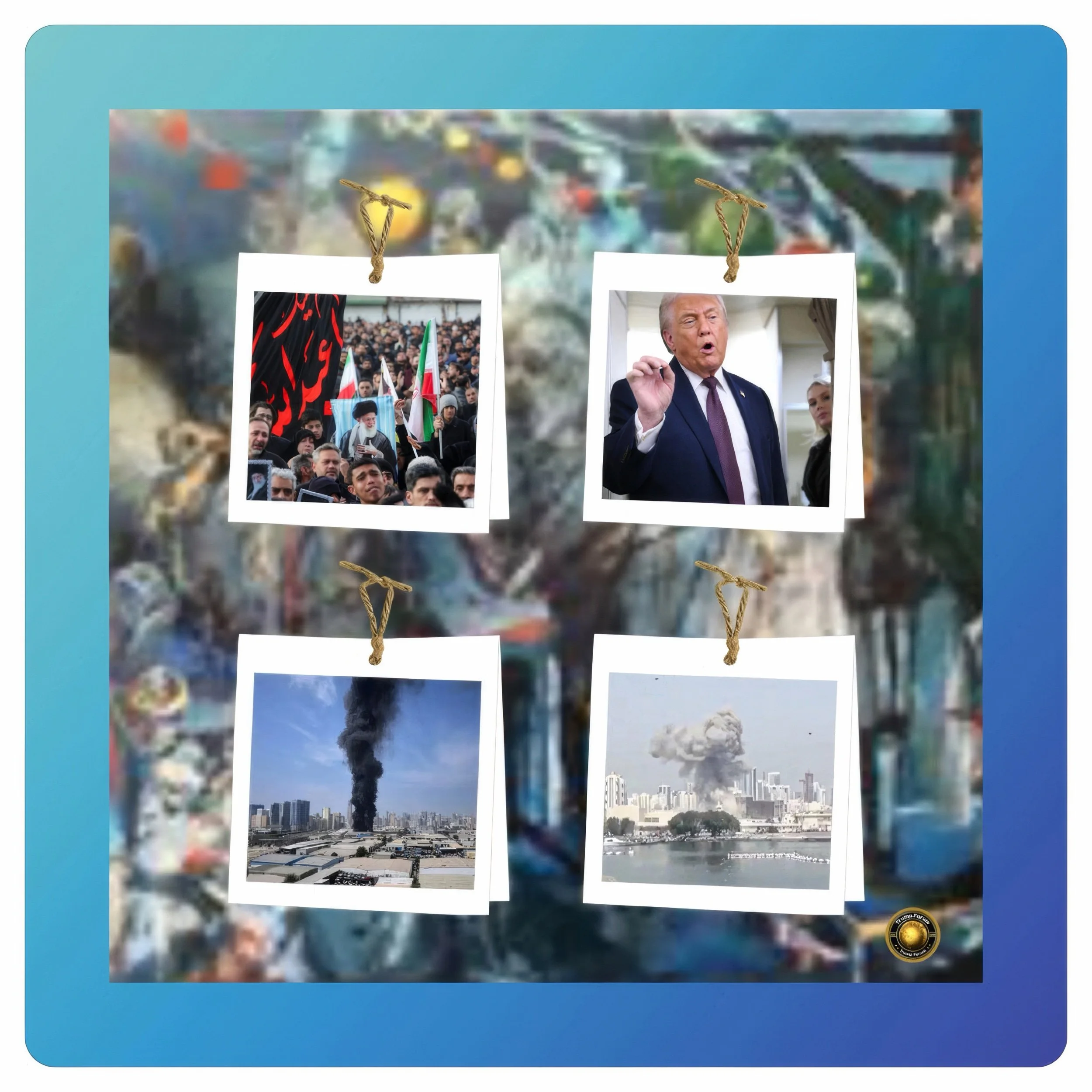
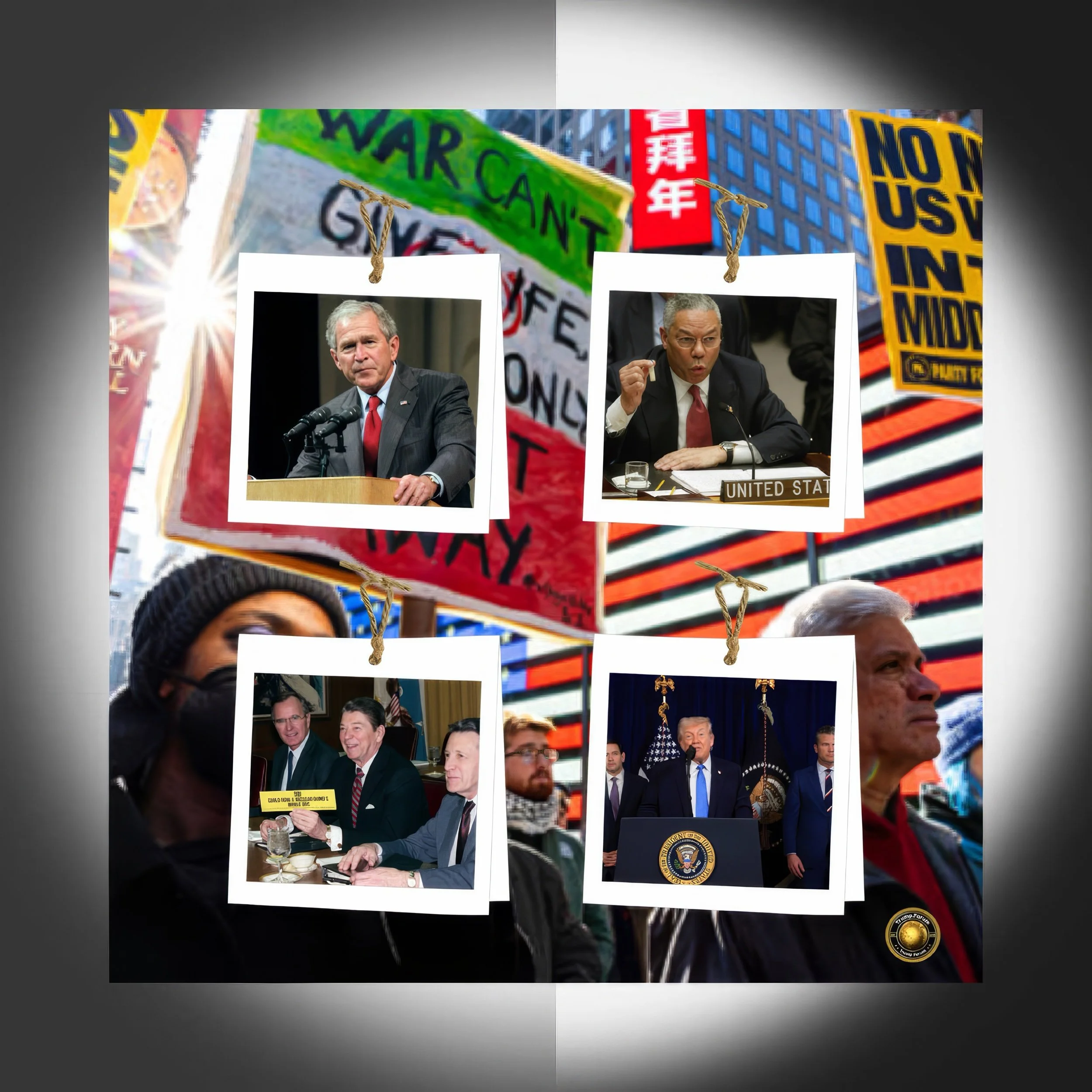
The recent U.S. strikes on Iran show a new way of using military power. In the past, leaders followed the Powell Doctrine.
That approach said war should be used only as a last choice, with clear goals and strong public support. Now, the strategy looks different. The government prefers limited actions, quick decisions, and flexible plans.
This article explains how the new approach works, why it developed, and what it could mean for the future. It uses simple examples to show how this style of war differs from older models.
Introduction
Imagine a firefighter deciding how to stop a fire. The old method was to bring every truck, every hose, and put out the fire completely.
The new method is more like using small, targeted sprays to control parts of the fire without flooding the whole building.
That is the difference between the Powell Doctrine and today’s approach.
The older idea focused on overwhelming force. The newer one focuses on limited and flexible action.
History and current situation
After the Vietnam War, American leaders believed they had made mistakes. They entered slowly, without clear goals, and stayed for years.
To avoid this again, the Powell Doctrine was created. It required clear objectives, public debate, and a strong military push.
In 1991 , during the Gulf War, the United States pushed Iraqi forces out of Kuwait quickly.
The goal was clear. The war ended fast. That seemed successful.
Later wars in Afghanistan and Iraq began with strong force but became long and complicated.
Rebuilding governments proved harder than removing them. Many Americans became tired of long wars that cost trillions of dollars and many lives.
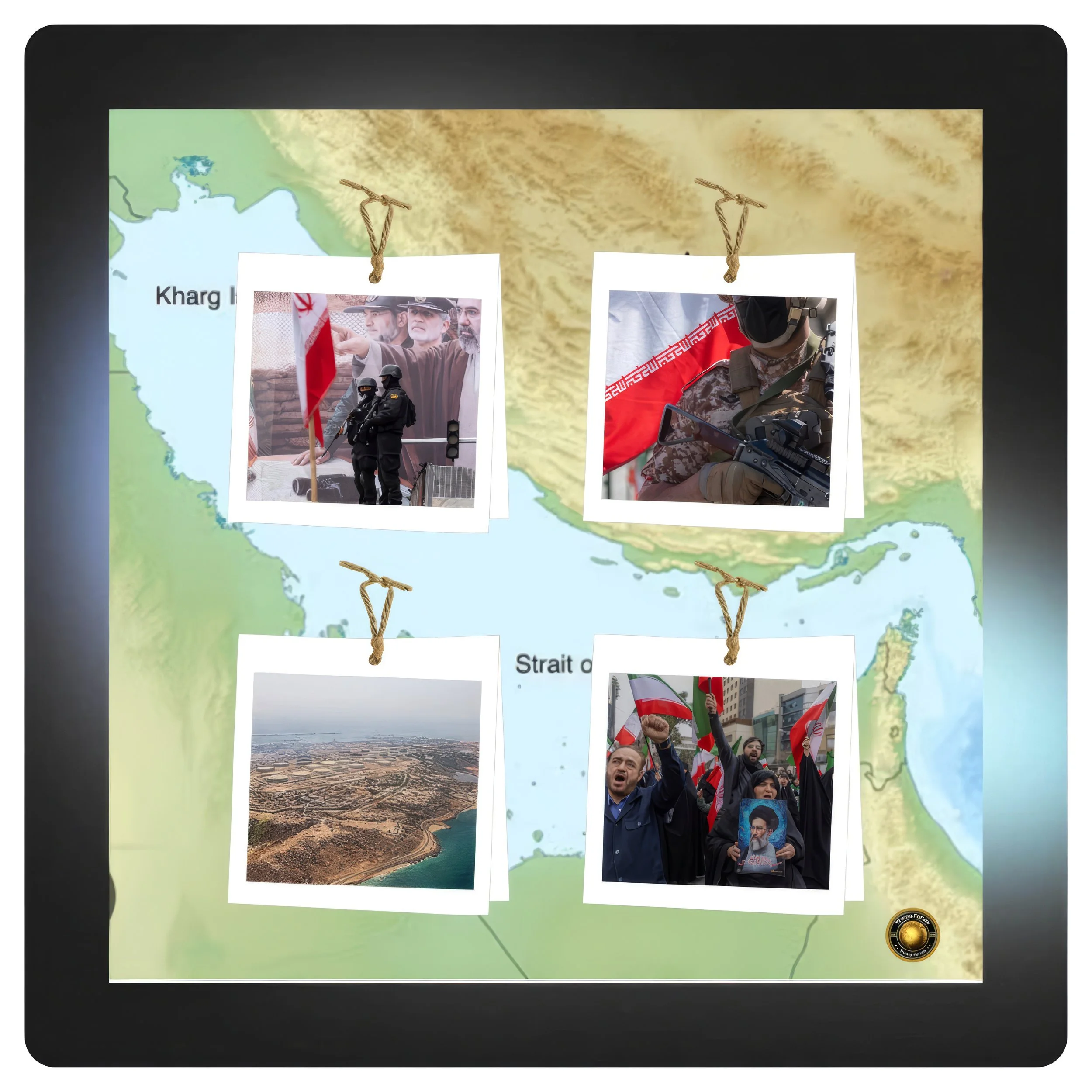
Today, leaders prefer smaller operations. For example, instead of sending one hundred thousand troops, they may launch airstrikes or cyberattacks. The recent strikes on Iran followed this pattern.
Key developments
Technology changed warfare. Drones and precision missiles allow attacks without large armies. Leaders can act quickly. This makes it easier to use force without full war declarations.
Politics also changed. Voters are divided. Long debates are difficult. Acting quickly may avoid weeks of political conflict.
In Venezuela, the United States used sanctions and diplomatic pressure instead of invasion. In the Red Sea, naval ships were deployed to protect shipping without declaring war.
These examples show limited action instead of full-scale war.
Latest concerns
The main worry is escalation. If one side strikes, the other may respond. Small actions can grow into larger conflicts.
Another concern is clarity. If goals are not clearly stated, how will leaders know when the conflict is over? Without a clear end, small operations can continue for years.
There is also debate about Congress. Some believe lawmakers should vote before military action. Others argue that quick decisions are necessary in emergencies.
Cause and effect
The cause of this new strategy is war fatigue and new technology. People do not want large invasions. Leaders do not want high costs. Precision weapons allow smaller actions.
The effect is more frequent but smaller uses of force. Instead of one big war, there may be many limited operations. This lowers immediate cost but increases long-term uncertainty.
For example, if strikes weaken Iran but do not change its behavior, tensions may remain high. The conflict may never fully end.
Future steps
In the future, the United States may continue using limited strikes and economic pressure. Congress may try to clarify its role in approving force.
Other countries may copy this strategy. This could lead to a world where nations use small military actions regularly instead of declaring formal wars.
Conclusion
The change from the Powell Doctrine to a flexible strategy marks a major shift.
The old way sought clear victory. The new way seeks ongoing leverage.
This approach may reduce large wars, but it may also create continuous tension.
Whether it brings stability or instability will depend on how carefully leaders manage escalation and how clearly they define their goals.