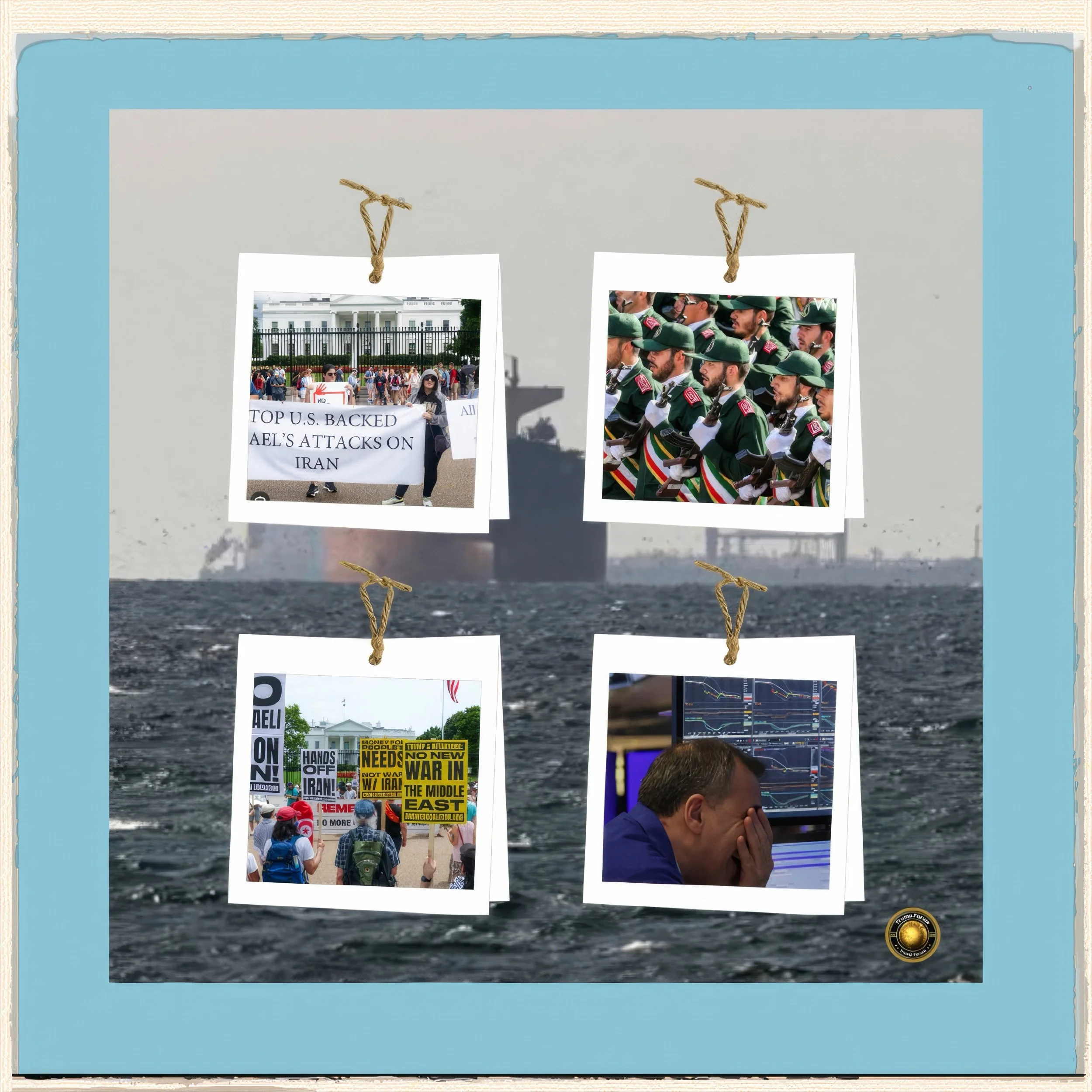
Iran’s Escalation Strategy and the Limits of Controlled Conflict in a Transforming Strategic Landscape
Executive Summary
Iran’s long-standing strategy of calibrated escalation has entered a phase of structural crisis.
For decades, Tehran relied on a hybrid model of indirect warfare, proxy networks, and strategic ambiguity to expand influence while avoiding direct retaliation from stronger adversaries.
This model rested on a core assumption: that escalation could be carefully managed, shaped, and reversed before it reached catastrophic levels.
Historically, this assumption proved largely valid. However, the present conflict environment marks a decisive break from that pattern.
The shift from indirect confrontation to increasingly direct engagement has exposed the fragility of Iran’s escalation doctrine.
The degradation of proxy capabilities, the disruption of command structures, and the intensification of preemptive strategies by adversaries have collectively undermined Tehran’s ability to control the pace and scope of conflict.
At the same time, the United States faces its own constraints. Despite overwhelming military capabilities, it is limited by economic vulnerability, political fragmentation, and the systemic risks associated with prolonged war.
This evolving dynamic has produced a paradoxical outcome.
Iran may not decisively lose, because its asymmetric resilience allows it to absorb and adapt to pressure. Yet the United States may not decisively win, because the costs of sustained confrontation—economic, political, and strategic—are prohibitive.
The result is a conflict increasingly defined not by victory, but by mutual attrition and strategic stalemate.
In this emerging landscape, escalation is no longer a tool of controlled advantage but a process that risks exceeding the capacity of both sides to manage its consequences.
Introduction
The concept of controlled escalation has long occupied a central place in strategic thought.
It assumes that rational stakeholders can incrementally increase pressure while maintaining the ability to halt or reverse the process before it spirals into uncontrollable conflict.
For Iran, this concept has not merely been theoretical but operational.
It has shaped the Islamic Republic’s approach to conflict since its earliest years, informing its reliance on indirect methods, deniable operations, and distributed networks of influence.
Yet the current confrontation reveals the limits of this paradigm. The transition from indirect confrontation to more direct forms of engagement has fundamentally altered the strategic environment.
Escalation is no longer proceeding along predictable pathways. Instead, it is shaped by rapid feedback loops, technological acceleration, and a diminished capacity for restraint.
This transformation raises a critical question: can escalation still be controlled in a landscape where the mechanisms of control themselves are eroding? Iran’s current strategy suggests that it continues to operate within the logic of its past successes.
However, the conditions that once enabled those successes have changed.
At the same time, the United States confronts its own strategic dilemmas, as its efforts to impose decisive outcomes are constrained by the very systems it seeks to protect.
The result is a conflict in which both sides are trapped within their own strategic assumptions, even as those assumptions become increasingly untenable.
History and Current Status
Iran’s approach to escalation emerged from a position of structural weakness. The Iran-Iraq War demonstrated the limitations of conventional military power and underscored the need for alternative strategies.
In response, Tehran developed a model that combined ideological mobilization with asymmetric tactics.
This model emphasized endurance over dominance, dispersion over concentration, and ambiguity over transparency.
Over time, Iran constructed a network of aligned stakeholders across multiple landscapes.
These stakeholders functioned as both instruments of influence and buffers against direct confrontation.
By operating through intermediaries, Iran could exert pressure while maintaining plausible deniability. This allowed it to escalate horizontally, spreading conflict across different arenas rather than intensifying it in a single domain.
This system proved remarkably effective. It enabled Iran to shape regional dynamics, deter adversaries, and absorb shocks without triggering overwhelming retaliation.
Crucially, it created a form of strategic depth that compensated for Iran’s conventional limitations.
However, the current status reveals a system under strain.
The erosion of key stakeholders, the disruption of logistical networks, and the increasing willingness of adversaries to engage directly have reduced Iran’s strategic flexibility.
The very features that once provided resilience—decentralization, ambiguity, and indirect engagement—now complicate coordination and response.
At the same time, the United States has shifted its approach. Where it once exercised caution to avoid escalation, it now appears more willing to accept the risks associated with direct confrontation.
This shift reflects broader changes in strategic thinking, where deterrence is increasingly linked to proactive measures rather than reactive restraint.
Key Developments
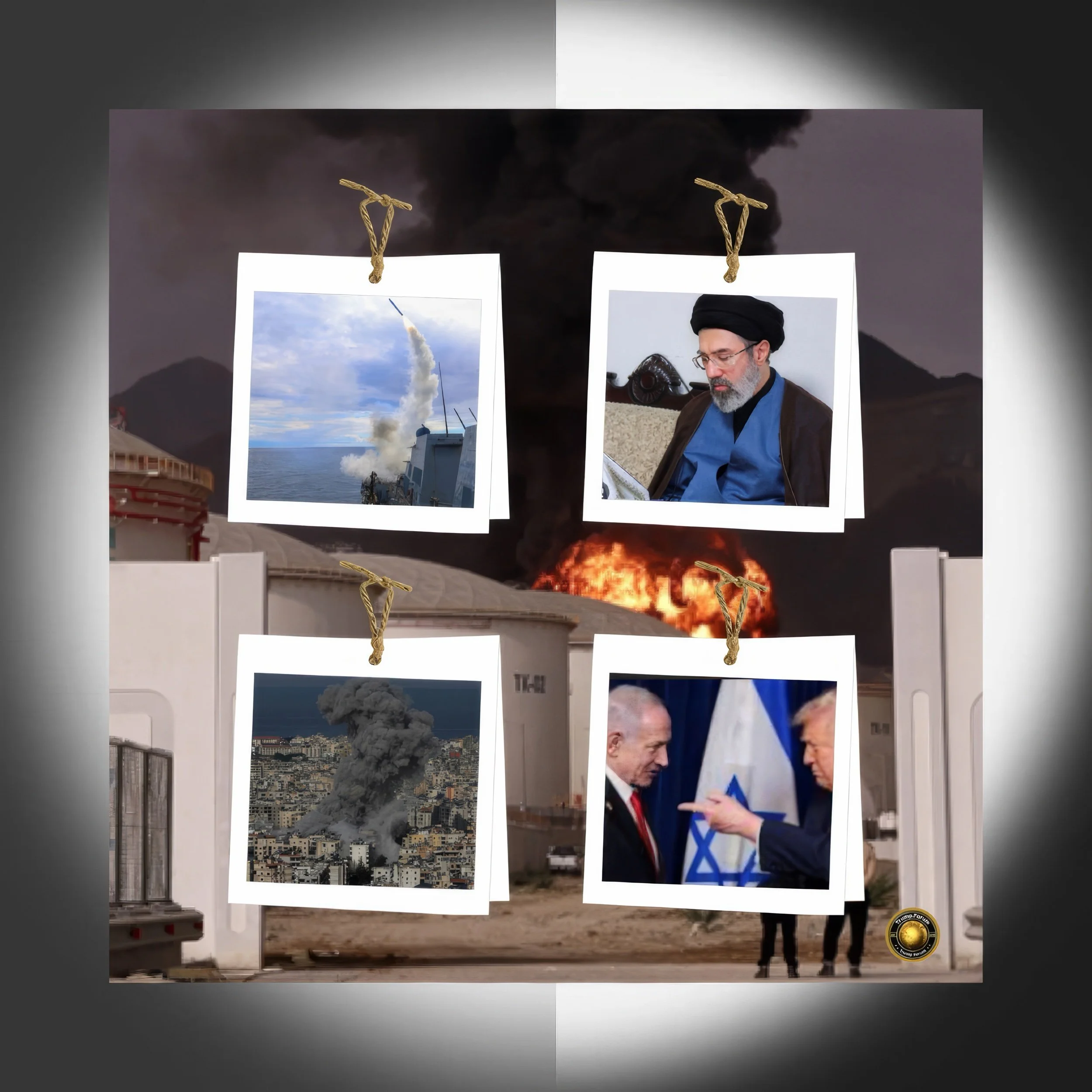
Several developments have accelerated the transformation of the conflict landscape. One of the most significant is the targeting of leadership structures.
The removal of key figures has disrupted decision-making processes and reduced the coherence of strategic planning. In a system that relies heavily on informal networks and personal relationships, such disruptions have disproportionate effects.
Another critical development is the degradation of logistical capabilities.
The ability to sustain operations across multiple landscapes depends on secure supply lines and communication channels. The targeting of these systems has limited Iran’s capacity to project power and maintain coordination among its stakeholders.
Simultaneously, technological change has altered the dynamics of escalation.
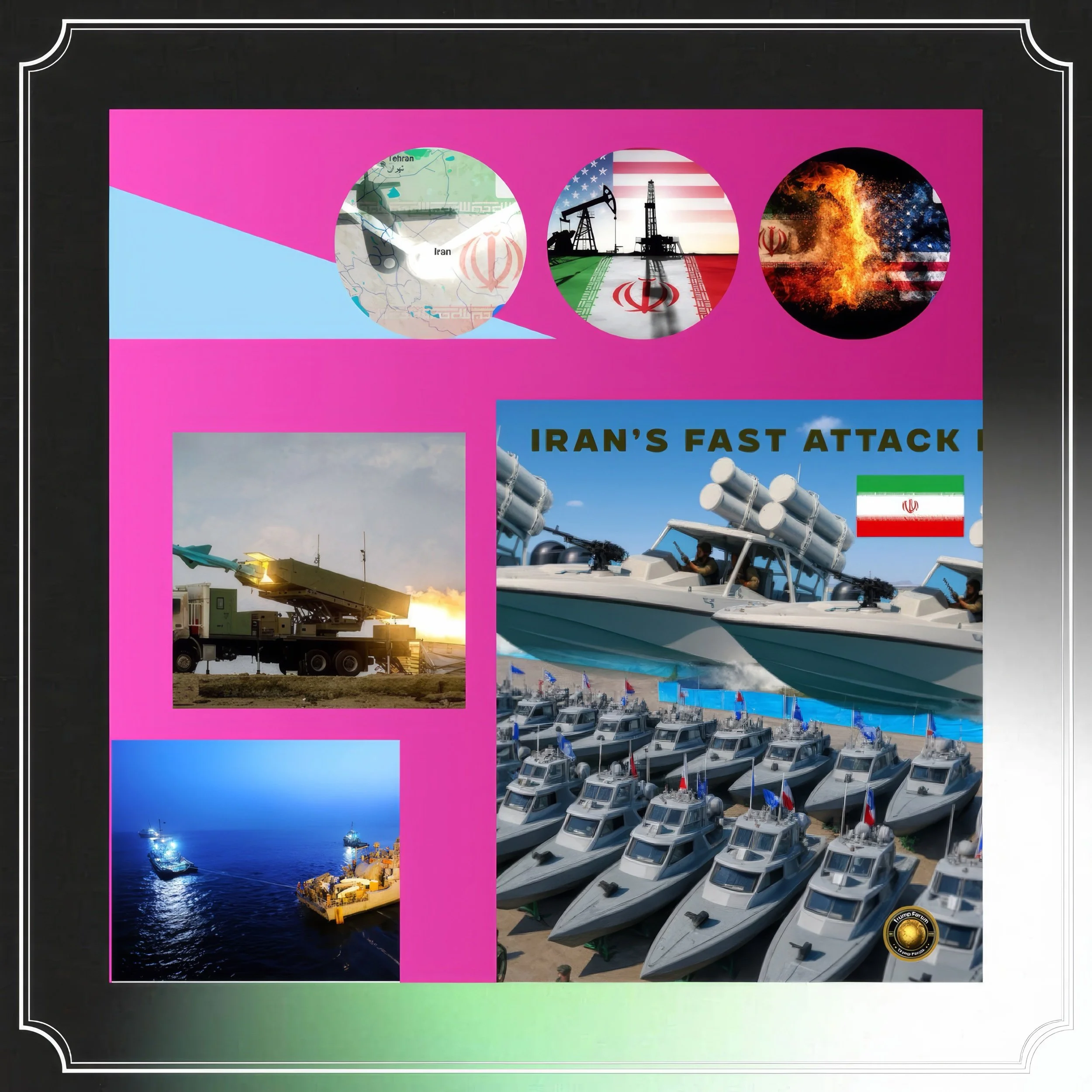
The proliferation of precision weapons, surveillance systems, and cyber capabilities has reduced the threshold for effective action. This increases the speed of escalation and reduces the time available for deliberation.
The regional landscape has also become more fluid. Traditional alignments are shifting, and new configurations are emerging.
This fluidity introduces uncertainty into strategic calculations, making it more difficult for any stakeholder to predict the consequences of its actions.
Latest Facts and Concerns
The current phase of the conflict is characterized by a convergence of military and economic pressures.
Iran faces internal challenges related to economic disruption, including inflation, currency instability, and reduced access to external markets. These pressures constrain its ability to sustain prolonged conflict.
The United States, while less directly affected, faces its own economic concerns.
The costs associated with sustained military engagement, combined with the impact of global market disruptions, create a complex set of trade-offs.
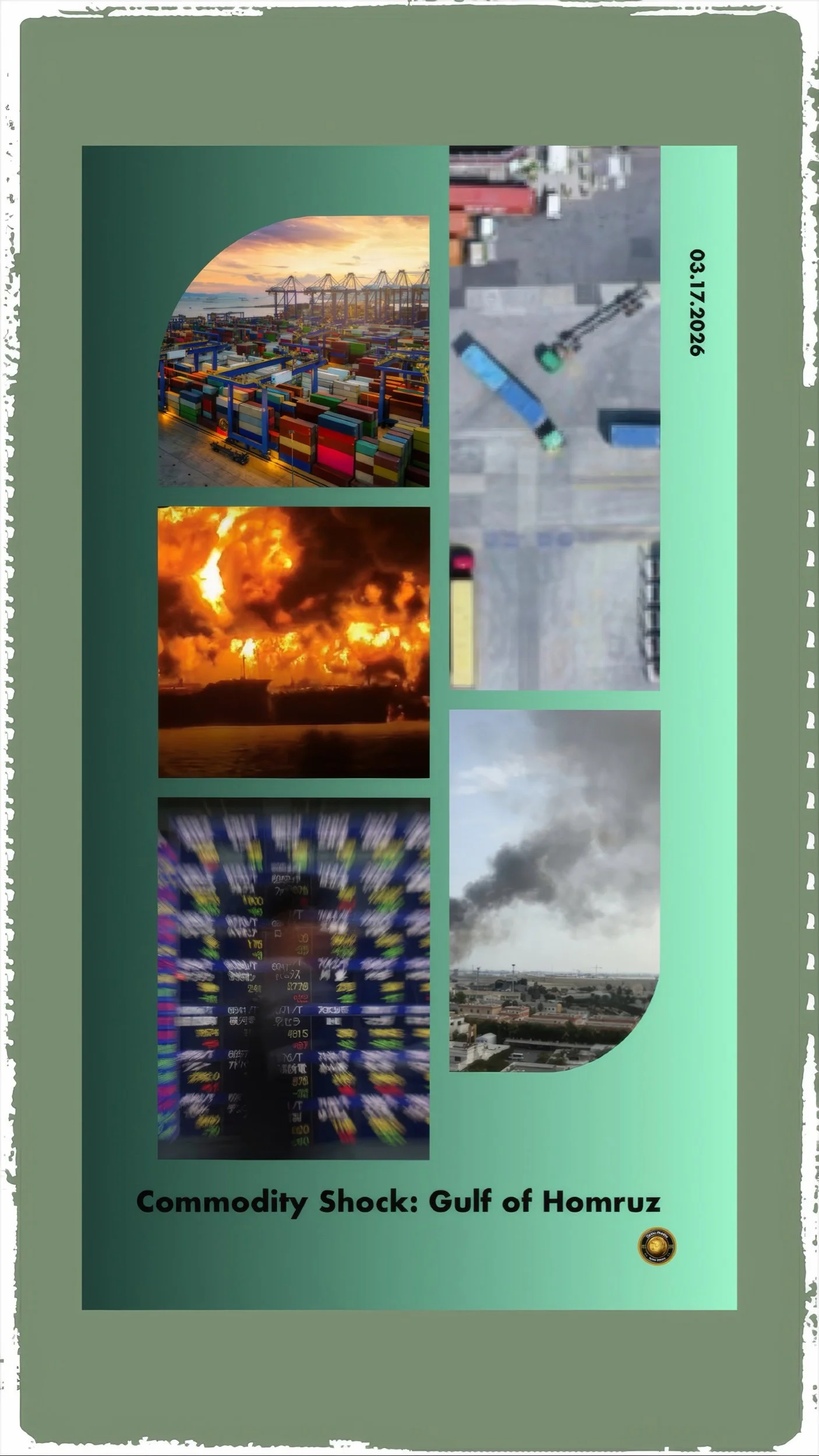
Energy markets are particularly sensitive to instability in the region, and disruptions can have cascading effects on the global economy.
A central concern is the risk of miscalculation.
As escalation accelerates, the distinction between signaling and provocation becomes blurred. Actions intended to deter may be interpreted as threats, prompting responses that further escalate the situation.
This dynamic creates a cycle of action and reaction that is difficult to control.
Another concern is the erosion of traditional mechanisms for conflict management.
Diplomatic channels, backdoor communications, and informal understandings have historically played a role in preventing escalation.
The weakening of these mechanisms increases the likelihood of unintended outcomes.
Cause and Effect Analysis
Iran’s escalation strategy has been shaped by a belief in the rationality of its adversaries. It assumes that opponents will avoid actions that carry unacceptable costs.
This assumption has allowed Iran to operate within a space of calculated risk, where it can push boundaries without triggering catastrophic responses.
However, the current conflict suggests that this assumption is no longer fully valid.
The willingness of adversaries to accept higher levels of risk has altered the calculus of escalation. Actions that were once considered safe now carry greater potential for unintended consequences.
The targeting of leadership structures has had a cascading effect on Iran’s ability to manage escalation.
Without centralized coordination, the risk of fragmented decision-making increases. This fragmentation can lead to inconsistent responses, which in turn complicate efforts to control the pace of conflict.
On the other side, the United States faces a different set of cause-and-effect dynamics.
Its efforts to impose decisive outcomes are constrained by the systemic risks associated with prolonged conflict.
Economic pressures, domestic political considerations, and alliance dynamics all influence decision-making.
The interaction of these factors creates a feedback loop. Iran escalates to compensate for strategic vulnerabilities, while the United States escalates to maintain credibility and deterrence.
Each action reinforces the other, creating a cycle that is difficult to break.
Structural Limits of Escalation Control
The concept of escalation control rests on the assumption that stakeholders can manage the intensity and scope of conflict through deliberate actions.
However, this assumption becomes increasingly tenuous in a complex and interconnected environment.
One structural limit is the speed of modern conflict.
Technological advancements have reduced the time between action and response, leaving little room for deliberation.
This increases the likelihood of rapid escalation.
Another limit is the diffusion of capabilities. As advanced technologies become more widely available, the number of actors capable of influencing the conflict increases.
This complicates efforts to maintain control.
A third limit is the interdependence of global systems.
Economic, political, and military domains are increasingly interconnected, meaning that actions in one domain can have unintended consequences in others.
This amplifies the risks associated with escalation.
Future Trajectories
The future of the conflict will likely be shaped by a combination of strategic adaptation and structural constraints.
One possible trajectory is gradual de-escalation, driven by mutual recognition of the costs involved.
In this scenario, both sides seek to stabilize the situation without achieving decisive outcomes.
Another trajectory is prolonged low-intensity conflict. This would involve continued engagement at a level below full-scale war, characterized by periodic escalation and localized confrontations.
A more dangerous trajectory involves uncontrolled escalation leading to a broader regional conflict.
This scenario would have significant implications for global stability, potentially involving additional stakeholders and disrupting critical systems.
Conclusion
Iran’s escalation strategy is at a turning point.
The conditions that once enabled its success have changed, exposing the limits of its underlying assumptions.
At the same time, the United States faces its own constraints, which limit its ability to achieve decisive outcomes.
The result is a conflict defined not by clear victories or defeats, but by mutual vulnerability.
Both sides are capable of imposing costs, but neither can do so without incurring significant risks.
In this environment, escalation becomes less a tool of strategy and more a process that shapes and constrains the options available to all stakeholders.
The emerging reality is one of strategic stalemate, where the absence of decisive outcomes does not equate to stability.
Instead, it reflects a fragile equilibrium, sustained by the recognition that the costs of further escalation may exceed the benefits. In such a landscape, the challenge is not to win, but to avoid losing in ways that cannot be reversed.