Executive Summary
Iran has used a strategy for many years where it slowly increases pressure but avoids full war. This worked in the past.
But today, the situation is different. Iran is under more direct attack, and its allies are weaker.
At the same time, the United States is strong militarily but faces economic and political problems. This means neither side may win clearly.
Introduction
For many years, Iran believed it could control conflict. It supported groups in different countries and avoided direct war with stronger powers.
This helped Iran grow influence without facing major consequences.
Now, things have changed.
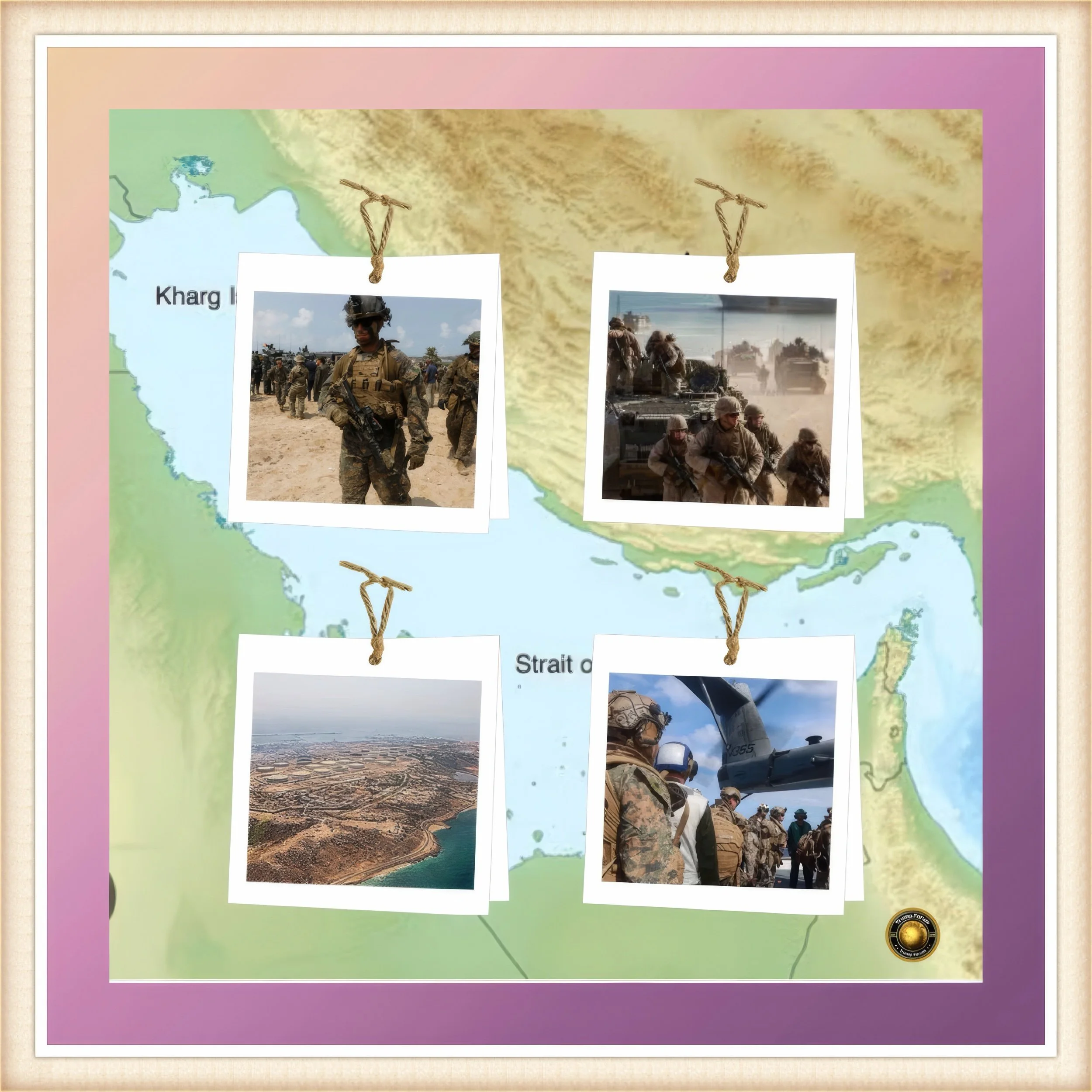
The conflict is more direct. Both Iran and the United States are taking bigger risks.
The question is simple: can Iran still control escalation, and can the United States actually win?
History and Current Status
Iran’s strategy started after its war with Iraq. It learned that it could not win big wars directly. So it used a different method.
It supported groups in places like Lebanon, Iraq, and Yemen.
For example, instead of attacking directly, Iran would support a group that could pressure its enemies. This gave Iran influence without taking full responsibility.
Today, this system is weaker. Many of these groups have been attacked.
Some leaders are gone. Supply lines are damaged. Iran is now more exposed than before.
Key Developments
Recent events have made the situation worse for Iran. Important leaders have been killed. This makes coordination harder.
At the same time, the United States and its partners are acting more aggressively.
They are no longer just reacting. They are trying to stop Iran before it acts.
Also, the region is changing. Countries are shifting alliances. This makes it harder for Iran to predict what will happen next.
Latest Facts and Concerns
There are two major concerns today.
First is the risk of mistakes. When both sides act quickly, misunderstandings can happen. A small action can lead to a big response.
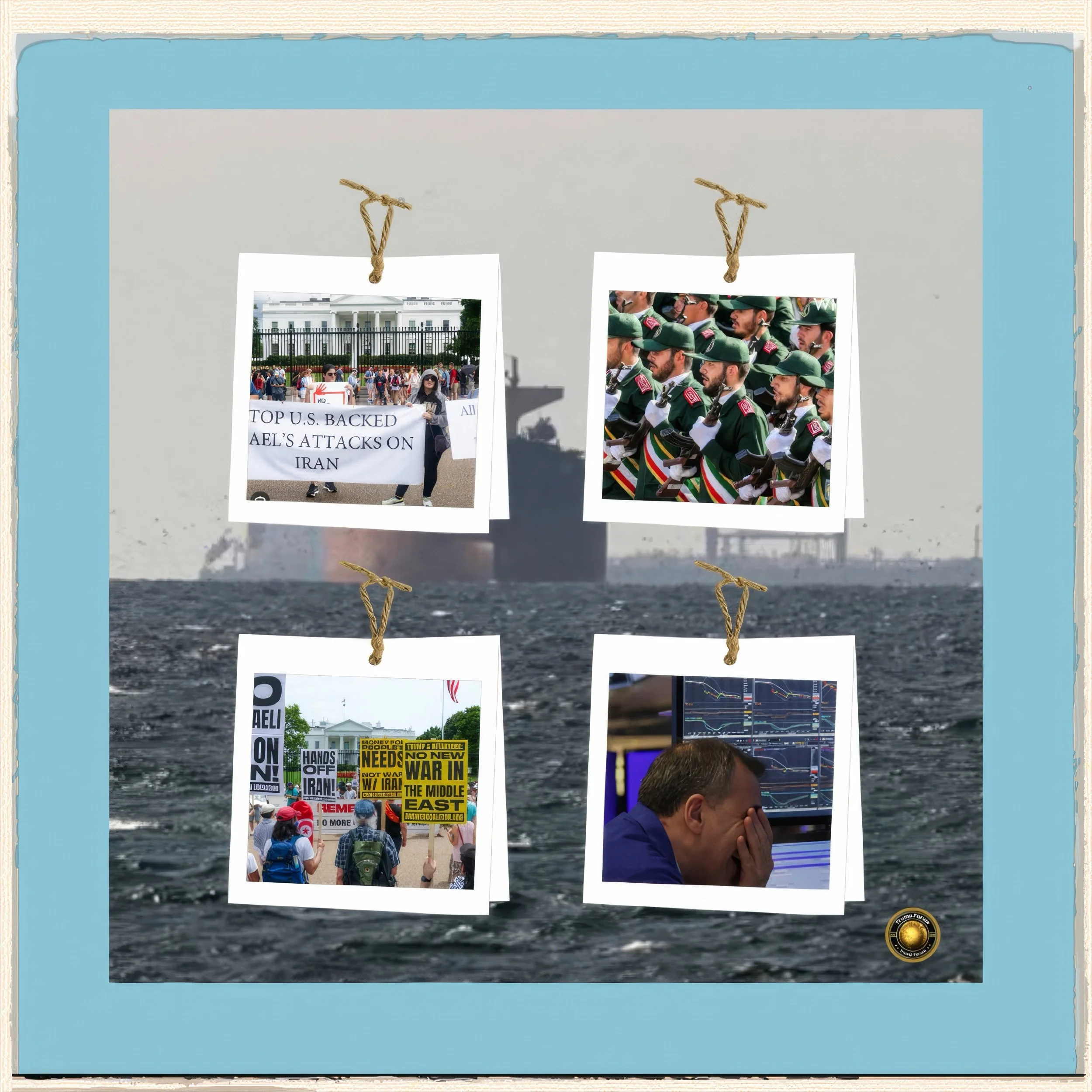
Second is the economic impact. War affects oil, trade, and prices.
For example, if oil supply is disrupted, prices go up globally. This hurts both developed and developing countries.
Iran’s economy is already under pressure. The United States also faces rising costs from war.
Cause and Effect Analysis
Iran believed that the United States would avoid large war because it is expensive and risky. This belief allowed Iran to act more boldly.
But now, the United States has shown it is willing to take bigger risks. This changes everything.
For example, when leaders are targeted, it weakens Iran’s ability to control its actions. This can lead to unplanned escalation.
On the other side, the United States faces its own problems. War is expensive. It can increase inflation and slow economic growth.
So both sides are stuck. Iran cannot easily step back, and the United States cannot easily win without high costs.
Future Steps
There are three possible futures.
One is de-escalation. Both sides slowly reduce tensions because the cost is too high.
Another is a long, slow conflict. Small attacks continue, but no full war happens.
The third is the most dangerous. A mistake leads to a big war. This could involve more countries and cause major economic damage.
Conclusion
Iran’s strategy worked in the past because it avoided direct conflict. But now, the situation is different. Iran is more exposed, and its system is weaker.
At the same time, the United States is strong but faces economic and political limits.
This means something important: Iran may not lose completely, but the United States may not win either.
Instead of victory, both sides may face a long and costly struggle. This is what makes the current situation so dangerous.