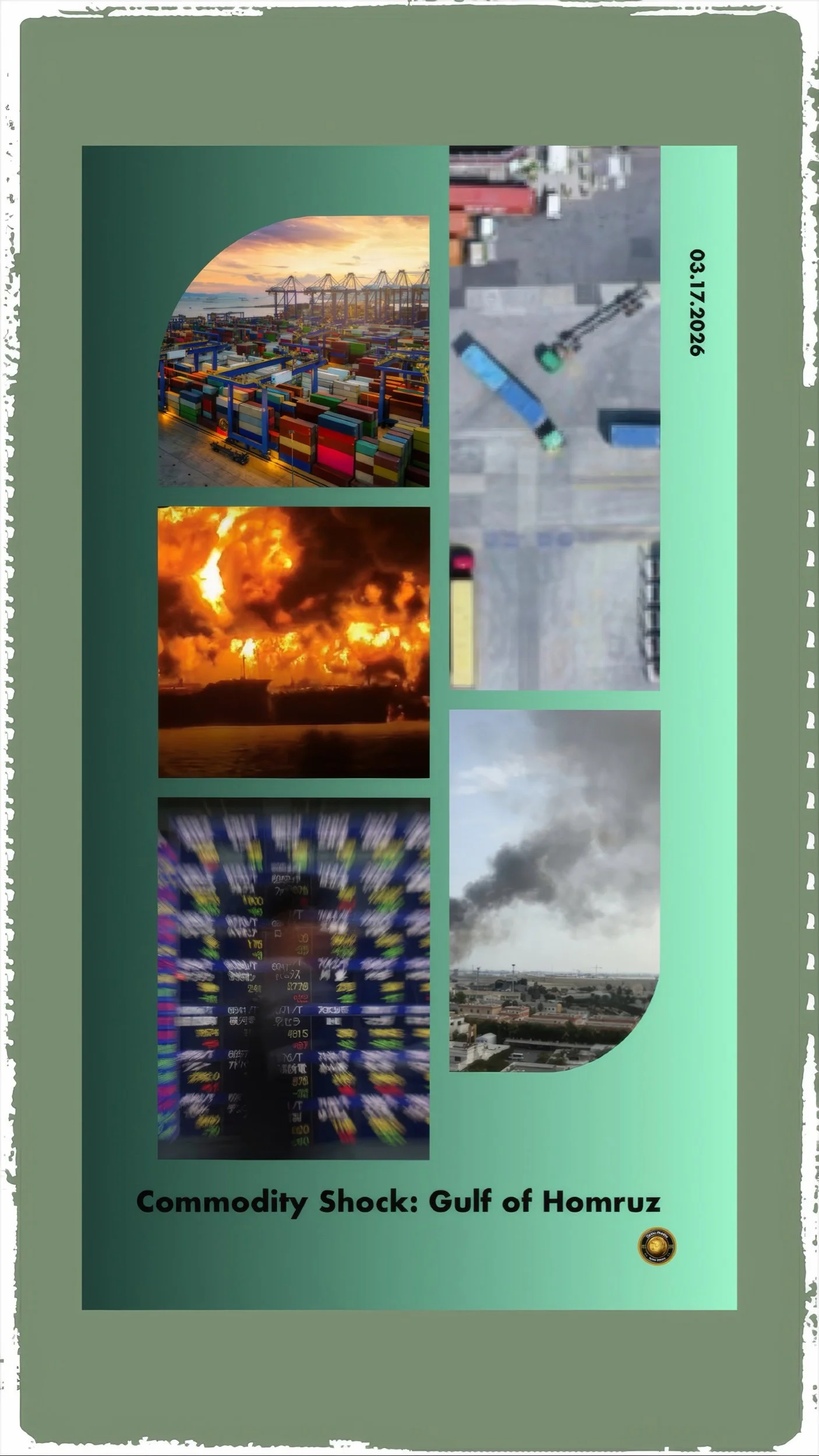
The Iran War's Hidden Damage: Why the World Is Running Short of More Than Just Oil - Beginners 101 Guide to Strait of Homruz Politics Affecting Commodities beyond Oil
Executive Summary
Most people know that a war in the Middle East means higher oil prices. But the war that started in the Persian Gulf in late February 2026 is doing something bigger and stranger: it is creating shortages of dozens of other products the world needs every day, from the fertilizer that grows our food to the gas that powers hospital scanners.
FAF article explains what is happening, why it matters, and what might come next — in plain, simple terms.
Introduction: More Than Oil
Imagine a river that carries not just water, but food, medicine, and metal. Now imagine someone blocks that river. Not only do people go thirsty, but they also go hungry, and hospitals run short of supplies.
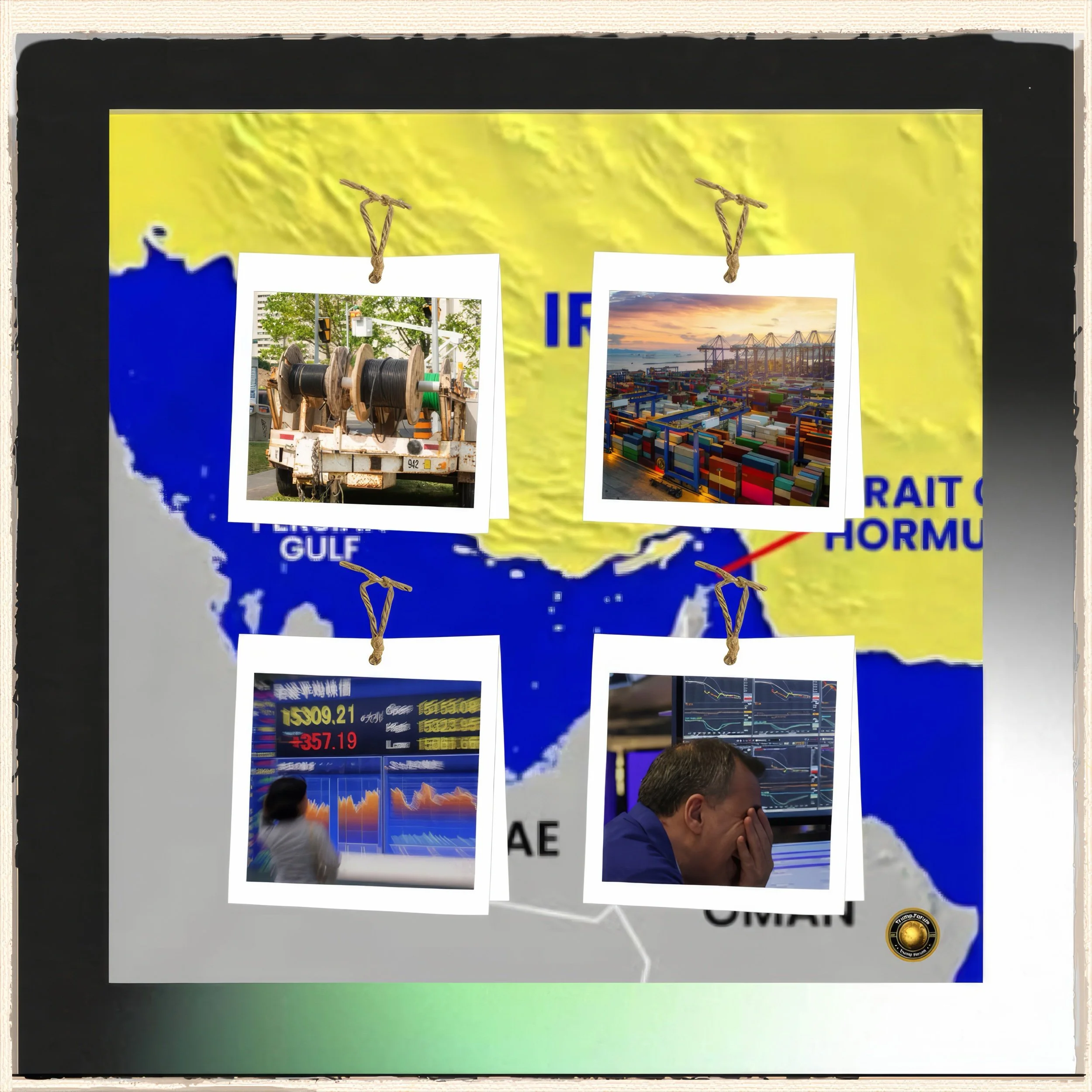
That is roughly what is happening right now in the Strait of Hormuz, a narrow waterway between Iran and Oman that connects the Persian Gulf to the rest of the world's oceans.
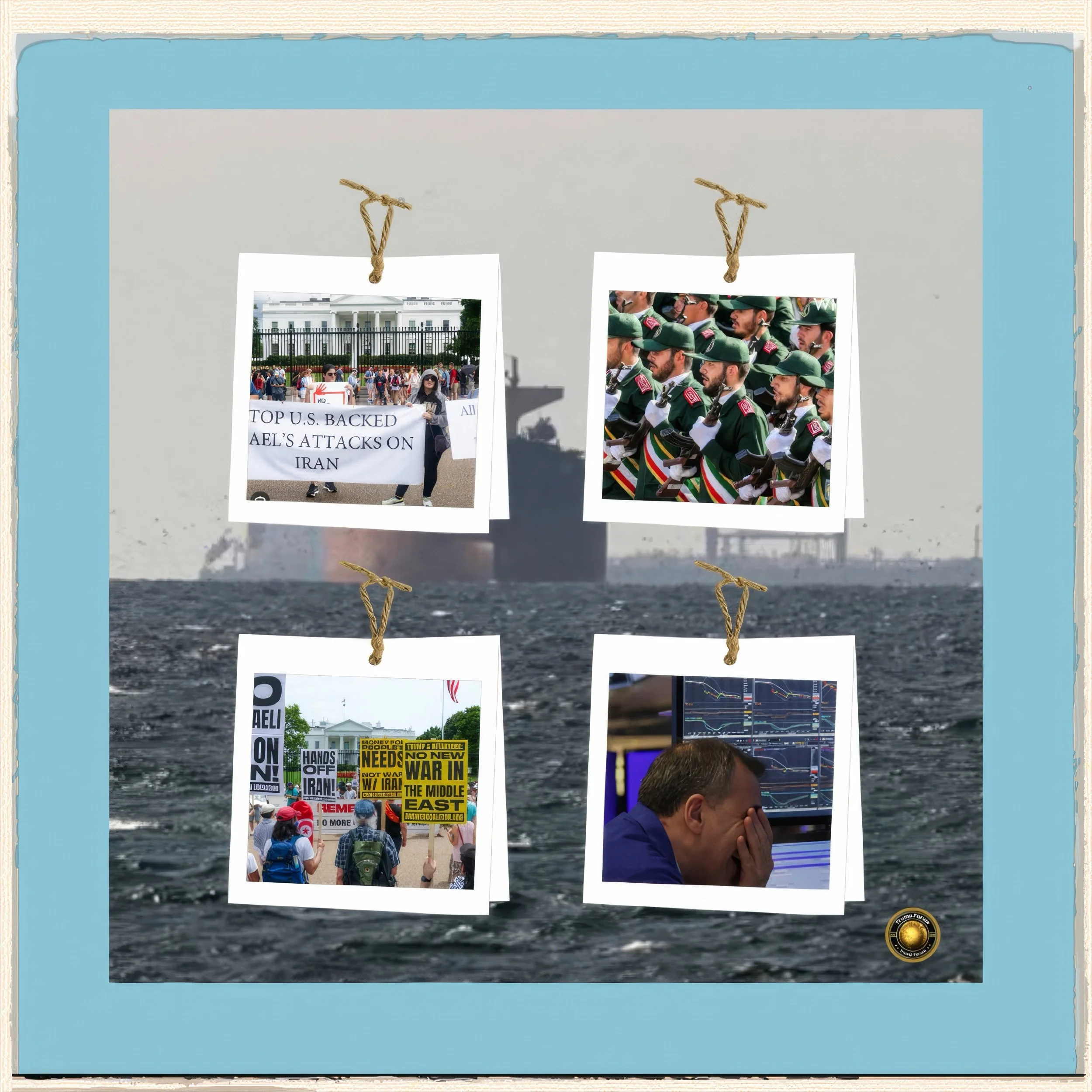
On February 28, 2026, the United States and Israel launched military strikes on Iran. Iran hit back by attacking cargo ships in the Gulf and declaring the strait closed.
Within days, hundreds of ships stopped sailing through it. Oil prices shot up — Brent crude hit $126 per barrel at its peak. But oil is just the beginning of the problem.
History and Current Status: Why the Gulf Makes So Much More Than Oil
Here is something most people do not know: the countries around the Persian Gulf — Saudi Arabia, Qatar, the UAE, and their neighbours — are not just oil producers.
Over the past 50 years, they have built giant factories that use oil and gas to make other important products.
Think of it this way. Natural gas is like a raw ingredient in a kitchen.
You caYou can use it to make cooking gas, but you can also use it to make fertilizer, plastics, and industrial chemicals.
The Gulf countries figured this out and built massive facilities to do exactly that.
The result is that the Gulf now supplies 22% of the world's traded urea (the world's most common fertilizer), 24% of its aluminium (used in cars, planes, and food cans), a third of its helium (used in hospital scanners and computer chips), and 45% of its sulphur (used in more fertilizer and industrial processes).
All of this normally travels through the Strait of Hormuz by ship.
When Iran shut down the Strait on March 2nd, 2026, all of those shipments stopped.
Qatar's giant gas and chemical company, QatarEnergy, was hit by military strikes and had to stop production entirely — not just gas, but also helium, urea, aluminium, and plastics.
Key Developments: Three Industries Already Hurting
Farming and Food
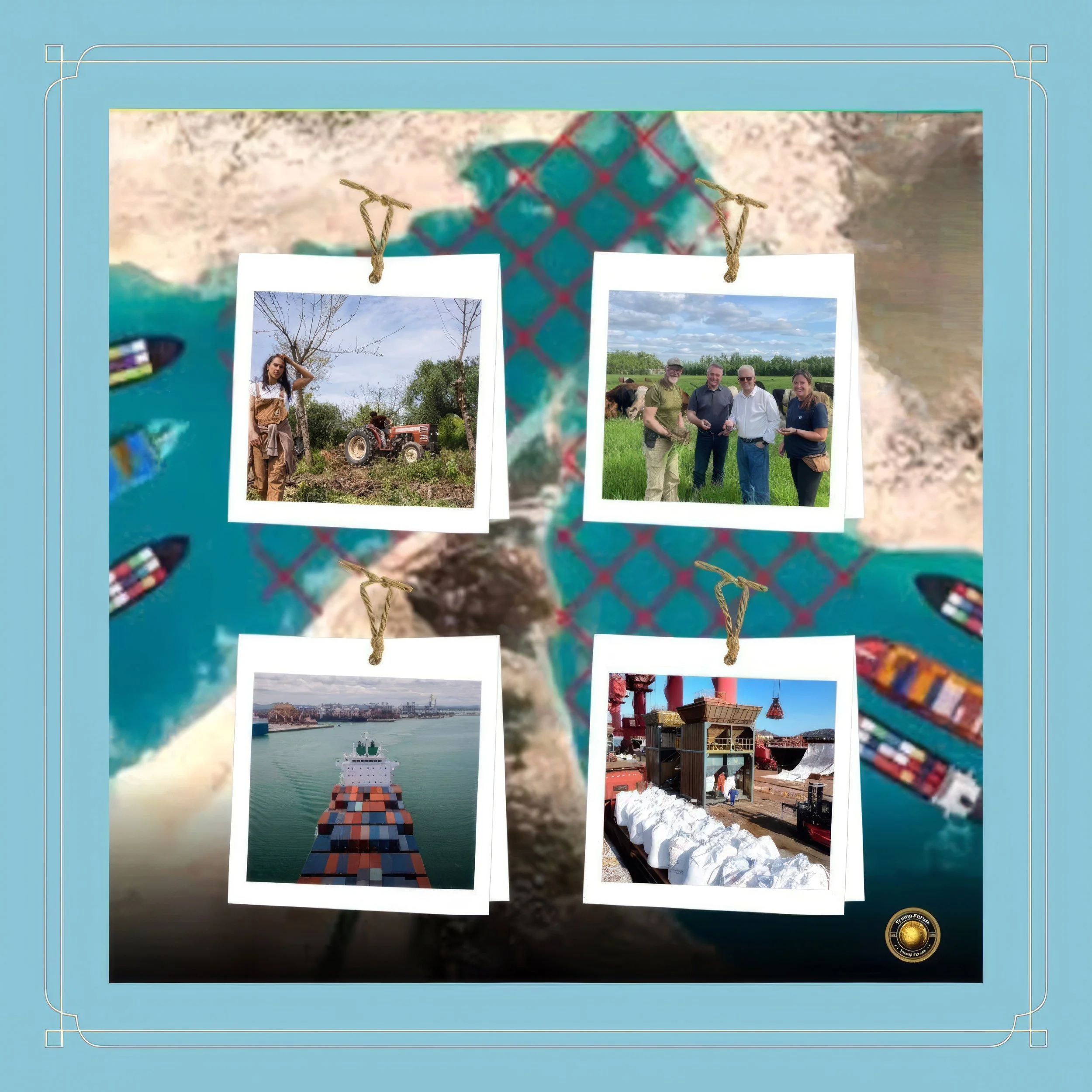
Fertilizer is to farming what petrol is to a car — without it, crops do not grow properly. Urea is the most widely used nitrogen fertilizer worldwide, and about a third of all urea sold globally comes from the Gulf region.
Since the Hormuz blockade began, urea prices have jumped 35%.
To understand why this is a big problem, think about a corn farmer in Iowa or a rice farmer in India.
They need to buy fertilizer in the spring before the planting season begins.
If fertilizer costs 35% more, they either spend much more money, plant less, or use less fertilizer, and end up with lower yields.
A rice farmer in India who used to spend $1,000 on fertilizer per season now faces a bill of $1,350 or more.
Multiply that across millions of farms, and food prices go up everywhere.
The United Nations expects world food prices to rise by about 2% in 2026 due to the crisis, and that figure could get worse.
Sulphur — a byproduct of oil refining that is also used in fertilizer — is another commodity in trouble.
Nearly half of the world's sulphur supply is currently stuck inside the Gulf, unable to get out.
Countries like Morocco and China, which use sulphur to make phosphate fertilizer, are already scrambling to find alternatives.
Technology and Manufacturing
Helium sounds like something only used for birthday balloons. In fact, it is a critical industrial material. Hospitals use liquid helium to cool the magnets inside MRI scanners.
Computer chip factories use it to maintain the ultra-clean environments needed to make semiconductors.
And unlike most gases, helium cannot be made in a laboratory — it has to be extracted from specific natural gas fields.
Qatar produces approximately a third of the world's helium as a byproduct of its natural gas processing.
When QatarEnergy stopped production after drone strikes hit its Ras Laffan complex, 30% of the world's helium supply disappeared almost overnight.
Helium prices have surged sharply. If the shortage lasts long enough, chip factories may have to slow down production, which means fewer smartphones, computers, and electric vehicles reaching global markets.
Aluminium has also been affected. Gulf smelters produce nearly a quarter of the aluminium traded globally.
Strikes on Gulf industrial facilities and the inability to receive bauxite shipments have pushed aluminium to a 4-year price high.
This affects the price of cars, aircraft, packaging, and construction materials worldwide.
Shipping and Transport
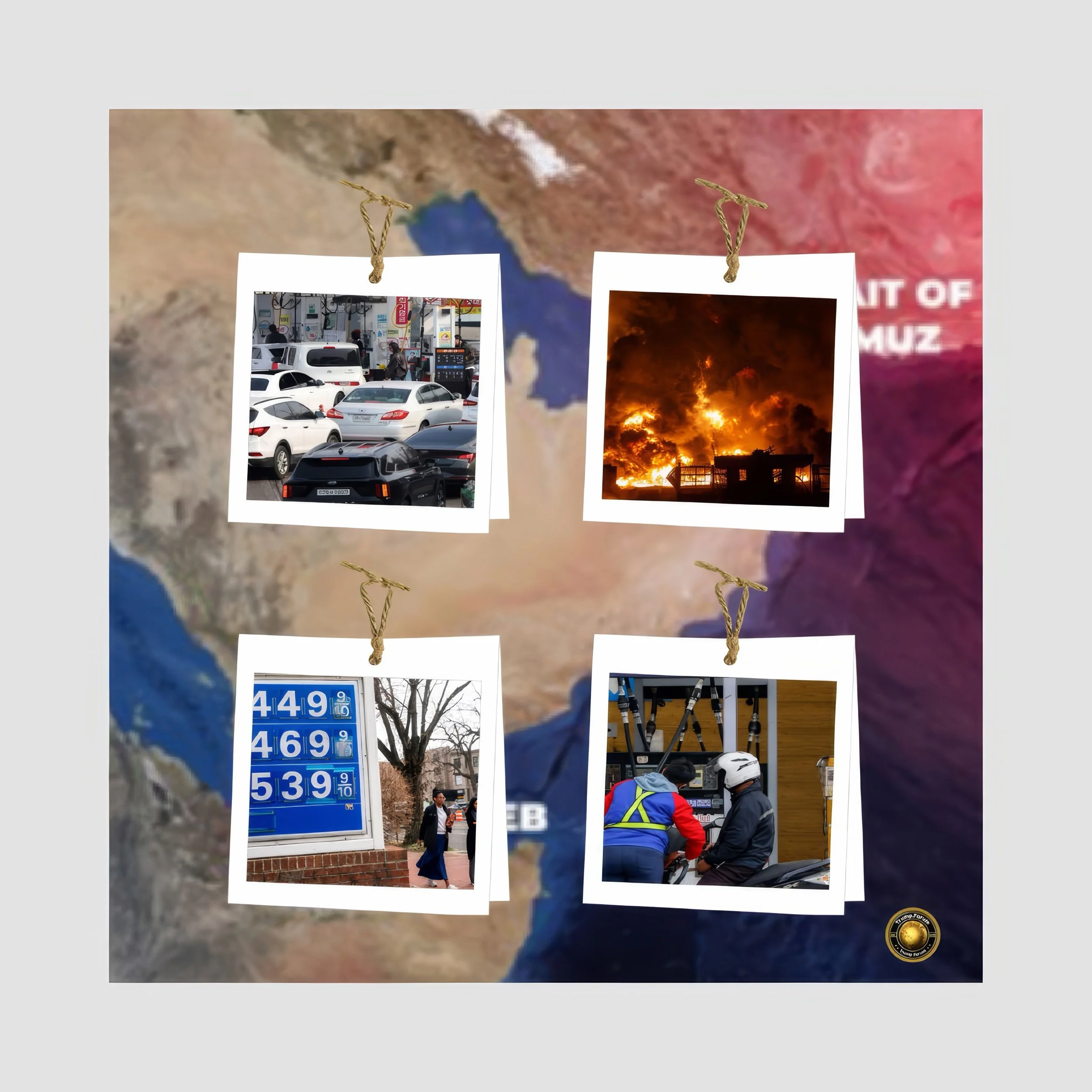
Even if a country does not directly import any products from the Gulf, the war still affects it through higher shipping and fuel costs.
Global container shipping rates have risen 12% since the war started.
Airlines face higher jet fuel costs. Trucking companies face higher diesel prices.
These extra costs are passed on to consumers in the form of slightly higher prices for almost everything transported, which is to say, almost everything.
The Middle East is also a major hub for air cargo. Dubai and Doha airports handle enormous amounts of freight flying between Asia and Europe.
With war in the region, many flights have been rerouted, meaning delays and higher costs for time-sensitive goods, including medicines, electronics, and fresh food.
Cause-and-Effect Analysis: How One Strait Affects Everything
Here is the chain reaction, step by step. The United States and Israel strike Iran. Iran closes the Strait of Hormuz.
Ships cannot enter or exit the Persian Gulf. Oil tankers are stuck, so oil prices rise.
But ships carrying fertilizer, aluminium, helium, and chemicals are also stuck. Factories that make fertilizer in the Gulf cannot get their products to farmers.
Farmers face higher costs and plant less, or use less fertilizer. Food harvests may be lower.
Food prices rise. At the same time, chip factories face a helium shortage. Phones and computers become more expensive or harder to find.
Car and aircraft manufacturers face aluminium shortages and price increases. Every transported good becomes more expensive because of higher fuel costs.
Each link in this chain makes the next link worse. It is what economists call a cascade — a single shock that multiplies through interconnected systems.
Future Steps: What Happens Next
In the short term — the next few weeks — the most important question is whether a ceasefire or a negotiated shipping corridor can be arranged to allow at least some commercial vessels to pass safely.
Even a partial reopening of the strait would reduce pressure on commodity markets and give some relief to farmers heading into planting season.
In the medium term — over the next year or two — governments and companies will likely try to reduce their dependence on Gulf supply chains. Countries may build or expand fertilizer plants closer to home.
Chip makers may invest in technologies for helium recycling and conservation.
Governments may start building strategic reserves of non-energy commodities, just as many already hold oil reserves for emergencies.
But these changes take time and money.
For now, the world has to manage a crisis it did not fully anticipate — because for decades, everyone assumed that the Strait of Hormuz would always be open, and that global supply chains built around that assumption were safe.
Conclusion: The Lesson of the Narrow Strait
A strait that is only 21 miles wide at its narrowest point has turned out to be one of the most important places on Earth — not just for oil, but for fertilizer, aluminium, helium, chemicals, and dozens of other things that modern life depends on.
The war in Iran has shown the world how fragile its supply chains really are.
The cost of that lesson is being paid right now by farmers who cannot afford fertilizer, hospitals that rely on helium, factories waiting for aluminium, and ordinary families facing higher prices at the grocery store.
Understanding why this happened — and making sure it is less damaging next time — is one of the most important challenges the world now faces.