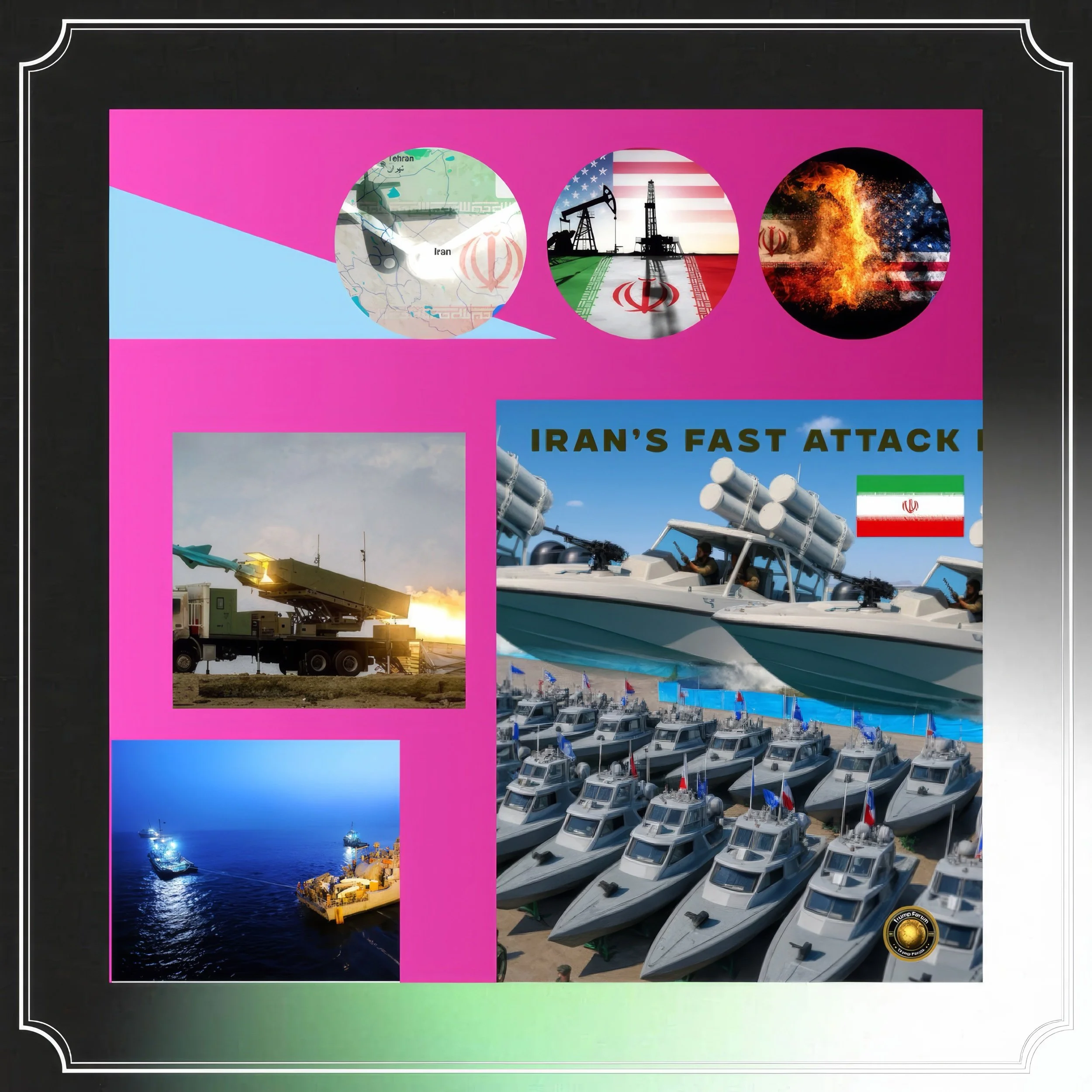
Iran’s asymmetric maritime strategy in the Strait of Hormuz and Kharg Island
Executive summary
Iran’s maritime strategy in the Strait of Hormuz and around Kharg Island represents one of the most sophisticated contemporary applications of asymmetric warfare in a constrained maritime landscape.
Faced with overwhelming conventional naval superiority from adversaries, particularly the United States and its partners, Iran has deliberately avoided direct force parity and instead developed a layered Anti-Access/Area-Denial architecture designed to exploit geography, impose costs, and shape strategic outcomes without requiring outright victory.
The Strait of Hormuz, a narrow maritime corridor through which approximately 20 % of global oil flows, provides a uniquely advantageous environment for such a strategy. Kharg Island, serving as Iran’s primary oil export terminal, functions simultaneously as a strategic asset, logistical hub, and vulnerability within this contested system.
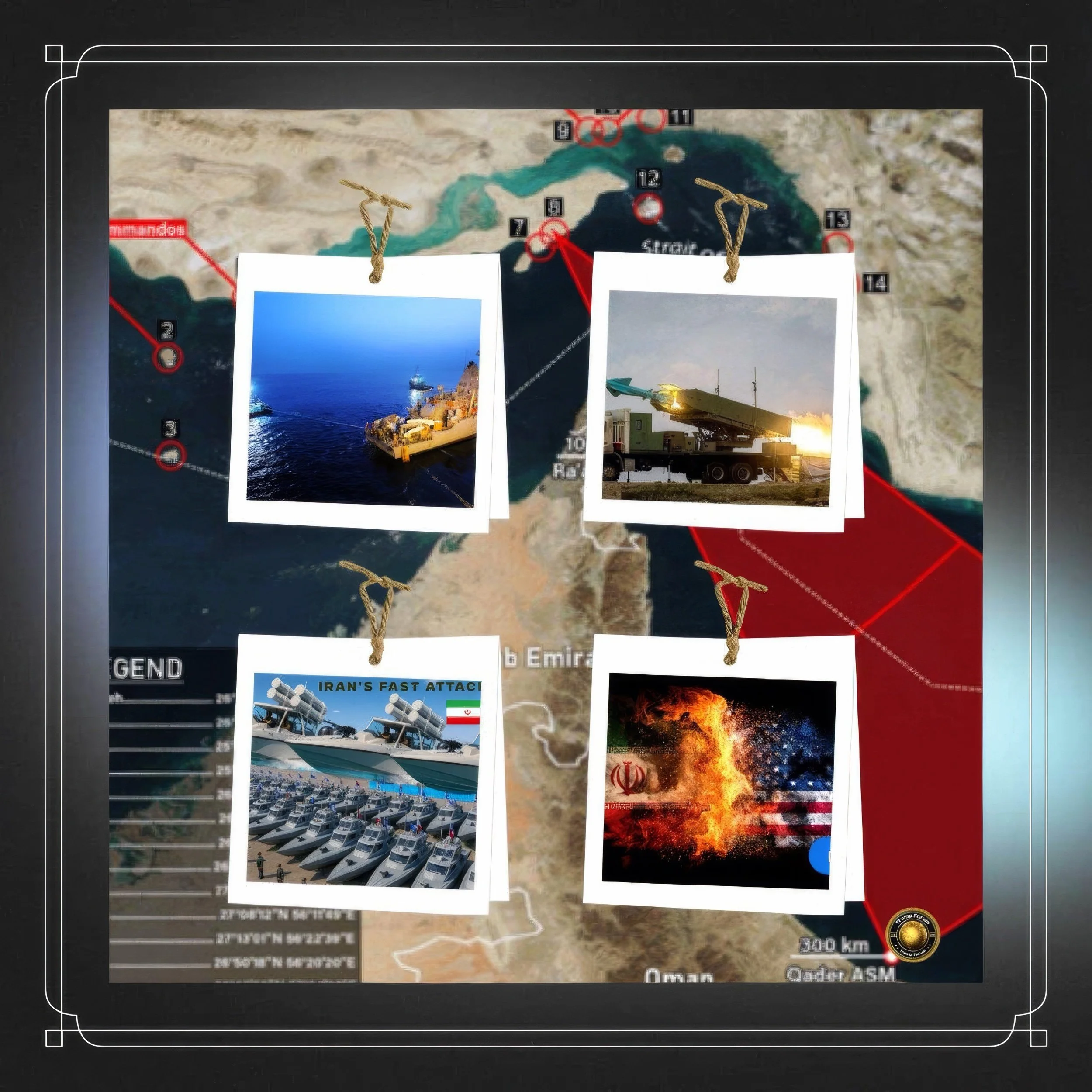
Iran’s approach is rooted in integrating three primary tools: long- and short-range anti-ship missiles, extensive naval mine warfare capabilities, and highly mobile swarm tactics using fast attack craft.
These capabilities are reinforced by emerging technologies such as unmanned aerial systems and distributed command networks, creating a layered denial environment that complicates adversary planning at every stage of engagement.
The objective is not decisive naval dominance but deterrence through disruption, uncertainty, and escalation risk.
The FAF article argues that Iran’s strategy transforms the maritime landscape into a cost-imposing arena where even a superior force must weigh the political, economic, and military consequences of intervention.
By leveraging geography, redundancy, and psychological effects, Iran has constructed a deterrent system that is both resilient and adaptable.
While conventional forces can ultimately overcome such a system, the costs involved may exceed acceptable thresholds, thereby shaping strategic decision-making at the highest levels.
Introduction
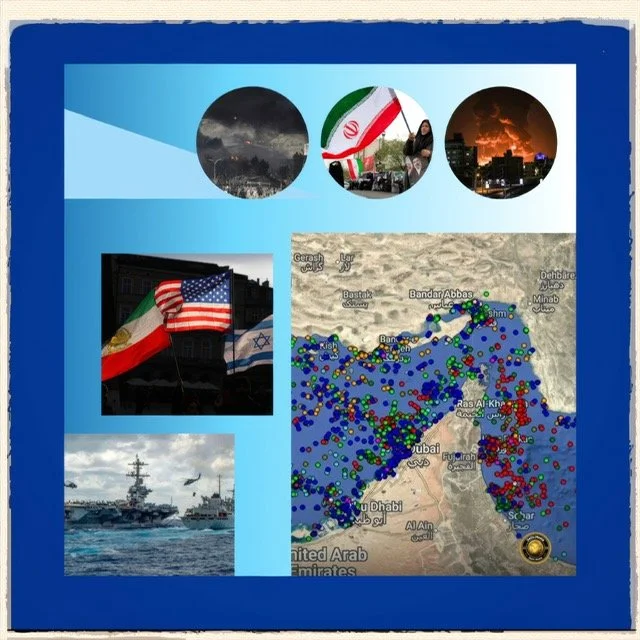
The Strait of Hormuz occupies a central position in the global energy system and the geopolitical order that underpins it.
Narrow, heavily trafficked, and strategically indispensable, it represents both a conduit of global commerce and a potential point of systemic disruption.
Iran’s geographic position along its northern coastline provides it with a unique opportunity to influence this critical maritime passage.
Unlike major naval powers that project force across oceans, Iran operates within a confined but strategically decisive environment.
In this context, Iran has developed a doctrine that reflects its structural realities. Rather than attempting to replicate the capabilities of larger naval powers, it has embraced asymmetry as a strategic advantage.
The concept of Anti-Access/Area Denial provides a useful framework for understanding this approach.
Anti-access seeks to prevent adversaries from entering a contested space, while area-denial aims to restrict their operations once inside. Together, these concepts form the basis of a strategy that prioritizes disruption over control.
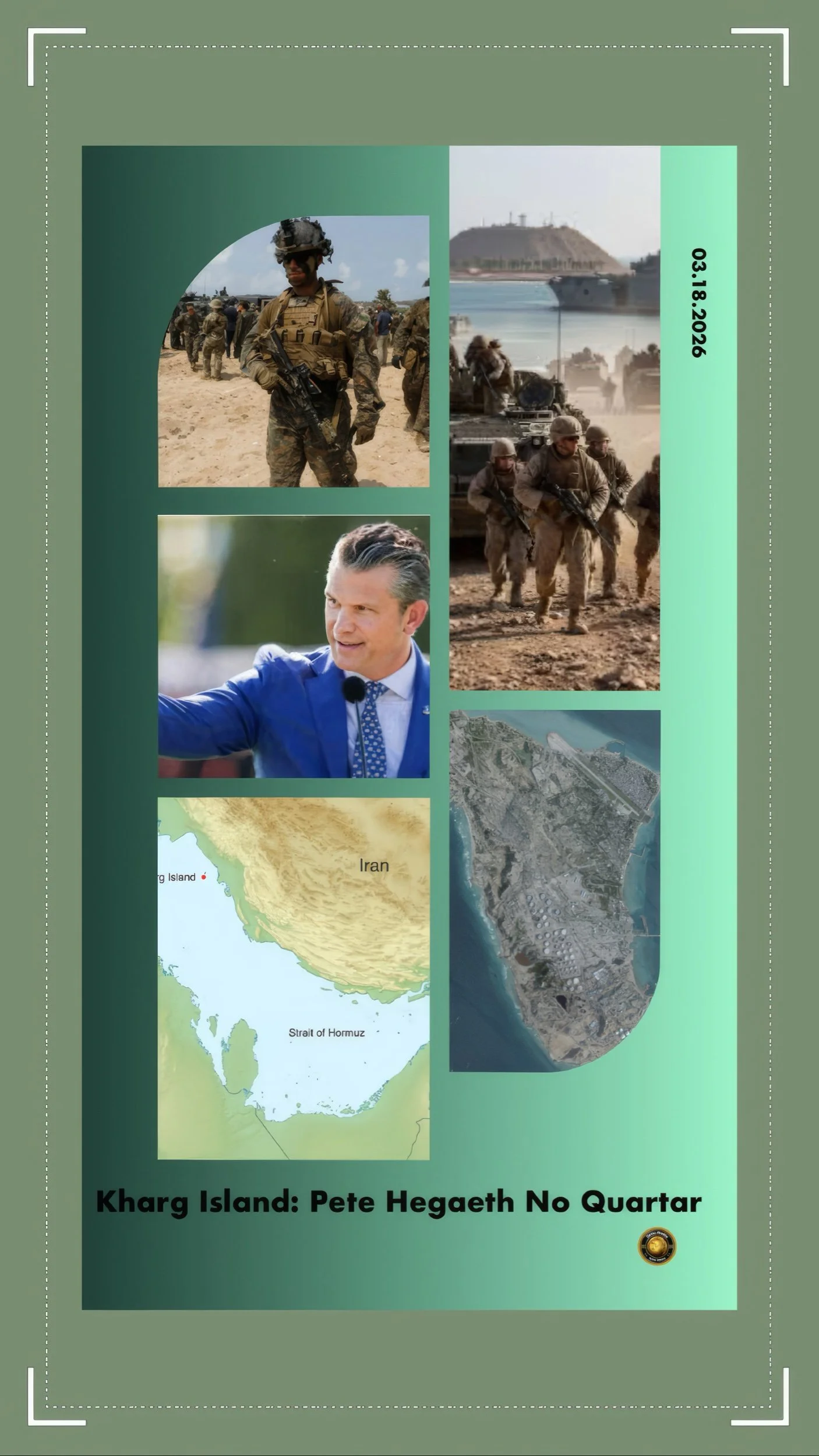
Kharg Island adds a layer of complexity.
Located within operational reach of both Iranian defenses and adversary strike capabilities, it represents a focal point where economic necessity and military vulnerability intersect.
Any conflict in the region would inevitably involve considerations related to its protection or neutralization, further intensifying the strategic stakes.
History and current status
Iran’s maritime strategy has been shaped by a series of historical experiences that underscored the limitations of conventional power and the potential of asymmetric methods.
The Iran-Iraq War, particularly during the tanker war phase, demonstrated that even limited maritime disruption could have significant global consequences.
Iran’s use of mines and small-scale attacks against shipping highlighted the vulnerability of maritime trade and the effectiveness of low-cost tools.
In the decades that followed, Iran institutionalized these lessons. It developed a dual naval structure that allowed for specialization in both conventional and unconventional operations.
The regular navy maintained traditional capabilities, while the Islamic Revolutionary Guard Corps Navy focused on asymmetric tactics. This division enabled a flexible approach that could adapt to different operational scenarios.
Over time, Iran expanded its arsenal and refined its doctrine. Investments in missile technology extended the range and precision of its anti-ship capabilities.
The development of ballistic anti-ship missiles represented a significant advancement, introducing a new dimension of threat that complicates defensive systems.
At the same time, Iran accumulated a substantial inventory of naval mines and developed methods for their rapid deployment.
Today, Iran’s maritime strategy reflects a high degree of integration and readiness. Exercises conducted in the Persian Gulf often simulate coordinated attacks involving multiple layers of capability.
These exercises indicate a mature operational concept that emphasizes coordination, redundancy, and adaptability.
Key developments
One of the most significant developments in Iran’s strategy is the evolution of its missile capabilities.
Anti-ship cruise missiles provide a low-altitude threat that is difficult to detect and intercept, while ballistic systems introduce a high-speed, high-angle attack profile.
This combination creates a multi-dimensional threat environment that challenges even advanced naval defenses.
Mobility has become a defining feature of Iran’s missile deployment strategy.
Launch platforms are often mounted on mobile units, allowing them to relocate quickly and avoid detection. This mobility enhances survivability and ensures that Iran can maintain a persistent threat even under sustained pressure.
Swarm tactics represent another critical development. By deploying large numbers of small, fast attack craft, Iran can overwhelm the defensive systems of larger vessels.
These boats are capable of operating in coordinated formations, attacking from multiple directions and exploiting gaps in defensive coverage. The psychological impact of such attacks further amplifies their effectiveness.
Naval mines remain a cornerstone of Iran’s area-denial capabilities. Their low cost and high impact make them an ideal tool for disrupting maritime traffic.
The process of detecting and clearing mines is both time-consuming and dangerous, making even a limited deployment have significant operational consequences.
Latest facts and concerns
Recent developments in the region have highlighted the continued relevance of Iran’s strategy.
Increased naval activity, reports of mine deployments, and heightened tensions have raised concerns about the potential for disruption in the Strait of Hormuz.
The vulnerability of commercial shipping remains a key issue, as even minor incidents can have outsized economic effects.
Kharg Island continues to play a central role in this dynamic.
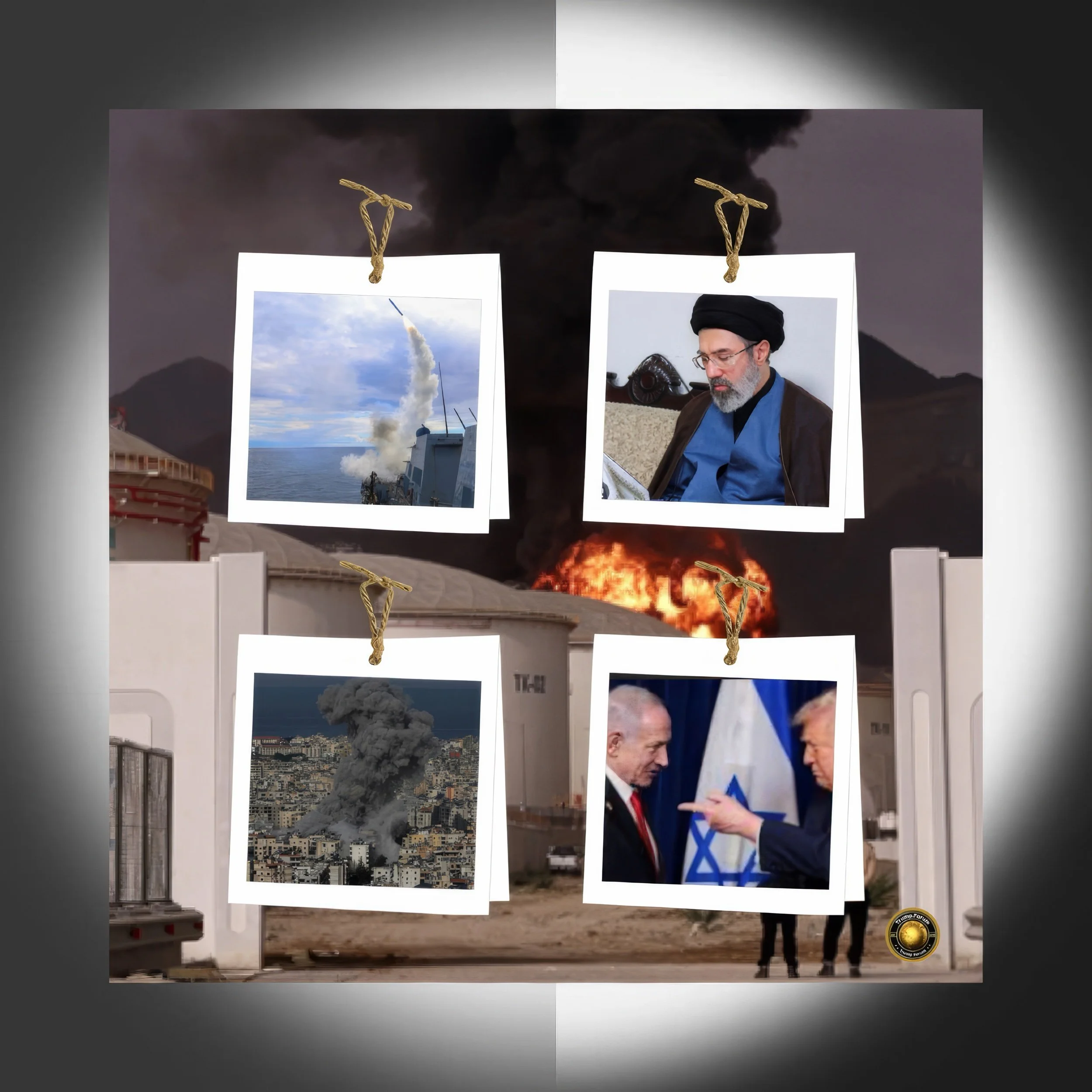
As the primary export terminal for Iranian oil, it is both a critical asset and a potential target. Any attempt to disrupt its operations would likely provoke a strong response, increasing the risk of escalation.
The integration of unmanned systems into Iran’s strategy represents an emerging concern.
Drones, both aerial and maritime, provide additional layers of capability that enhance reconnaissance, targeting, and attack options. Their relatively low cost and expendability align with the broader principles of asymmetric warfare.
Cause and effect analysis
The effectiveness of Iran’s strategy can be understood through a chain of cause-and-effect relationships that link tactical actions to strategic outcomes.
The deployment of mines or the launch of missiles creates immediate operational challenges for adversaries.
These challenges increase the risk in commercial shipping, leading to higher insurance costs and potential supply disruptions.
These economic effects, in turn, influence political decision-making.
Governments must weigh the costs of intervention against the potential benefits, taking into account the broader implications for global markets and domestic stability.
The result is a strategic environment in which even limited actions can have far-reaching consequences.
For adversaries, the challenge lies in balancing the need to maintain freedom of navigation with the risks associated with escalation.
Efforts to neutralize Iran’s capabilities may achieve tactical success but could also trigger a broader conflict. This creates a dilemma that complicates strategic planning and decision-making.
Future steps
Looking forward, Iran is likely to continue refining its maritime strategy.
Advances in technology will enhance its capabilities, particularly in missiles and unmanned systems.
Greater integration among different components will further strengthen its ability to create a layered denial environment.
Other stakeholders will seek to develop countermeasures that address these challenges.
Improvements in missile defense, mine countermeasures, and anti-swarm tactics will be critical.
However, these measures are often costly and may not fully eliminate the risks posed by Iran’s approach.
The future of the region will depend on the balance between deterrence and escalation.
While Iran’s strategy is designed to deter intervention, it also increases the risk of miscalculation.
Managing this balance will be a key challenge for all stakeholders involved.
Conclusion
Iran’s maritime strategy in the Strait of Hormuz and around Kharg Island represents a sophisticated response to structural constraints and strategic realities.
By leveraging asymmetry, geography, and cost-effective capabilities, Iran has created a system that challenges conventional naval power and shapes the behavior of more powerful adversaries.
A decisive victory, but rather for deterrence through disruption and uncertainty.
In doing so, it transforms the maritime landscape into a contested environment where the costs of conflict are high and the outcomes uncertain.
As such, it remains a central factor in the strategic dynamics of the Persian Gulf and the broader global system.