Executive Summary
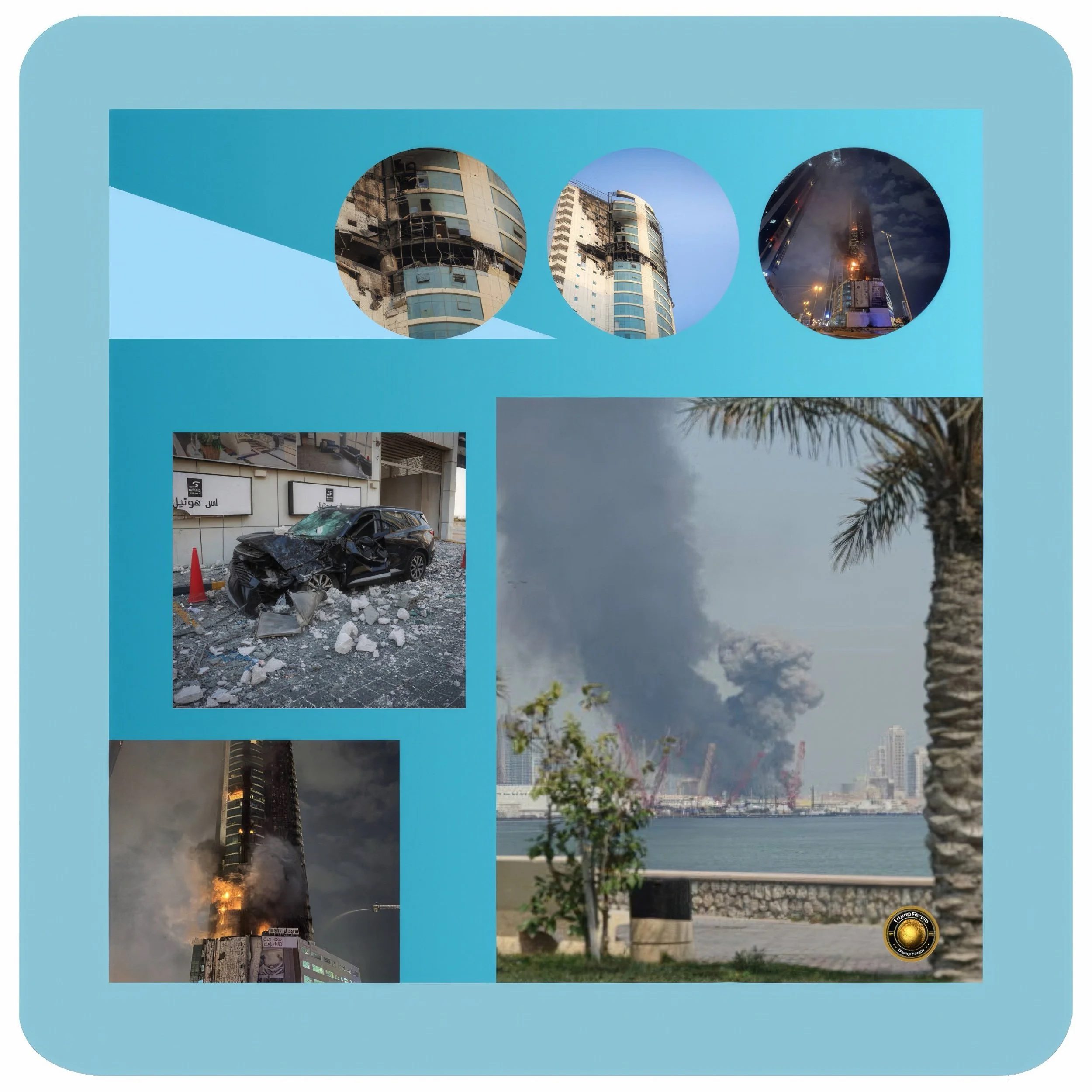
The war between Iran, the United States, and Israel is now entering its third week.
At first, people talked about many different goals in the war. Some said the goal was to weaken Iran’s nuclear program.
Others said the goal was to force political change inside Iran. But now it looks like one issue may be more important than all the others: control of the Strait of Hormuz.
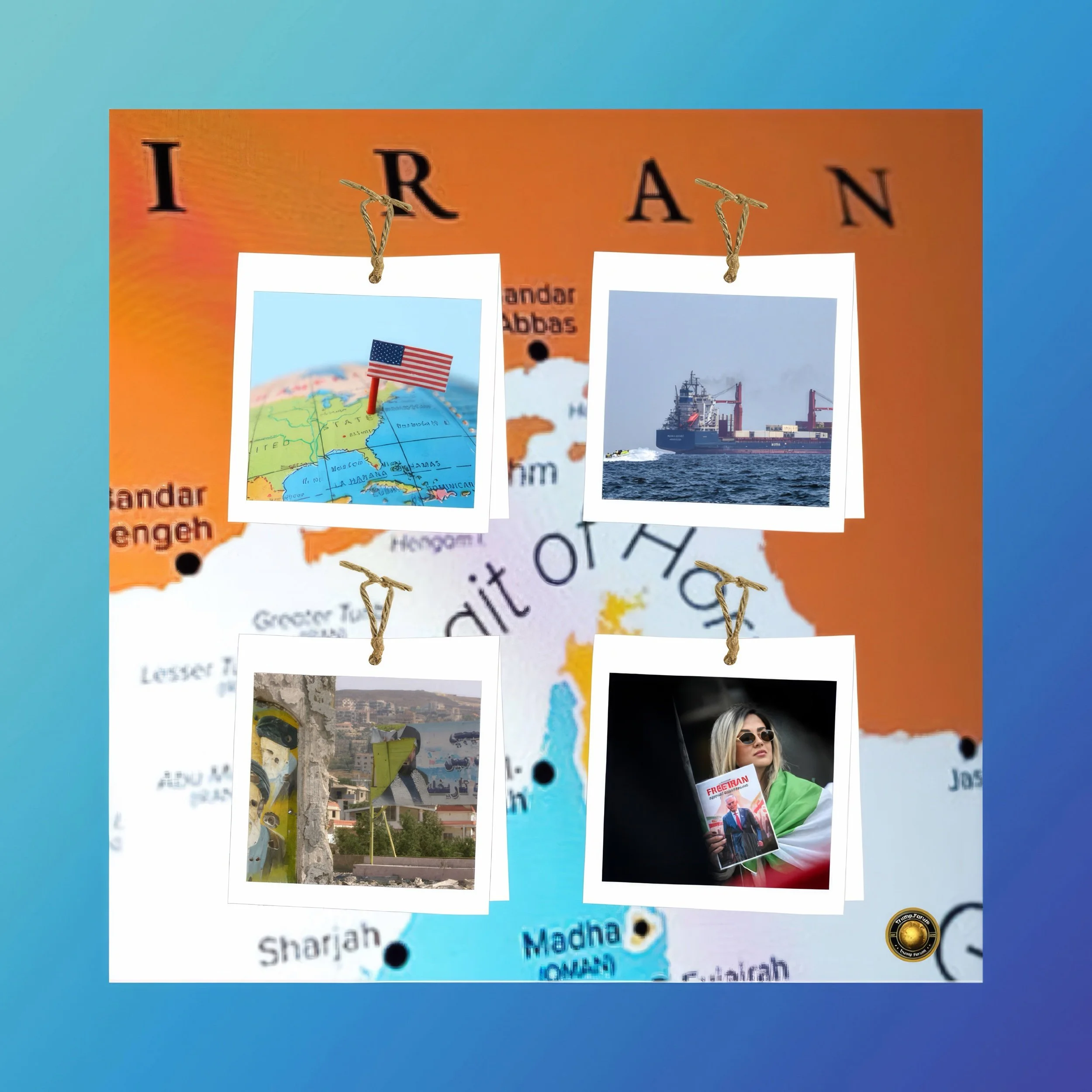
The Strait of Hormuz is a narrow sea route between Iran and the Arabian Peninsula.
It is one of the most important shipping routes in the world because a large share of global oil exports passes through it. If the strait becomes unsafe or blocked, oil prices could rise quickly and many economies could suffer.
Because of this, many governments are worried that the war could expand into the Gulf region.
Countries such as Saudi Arabia, the United Arab Emirates, Qatar, Kuwait, and Bahrain depend heavily on oil exports that travel through the strait. If shipping stops, their economies could face serious problems.
This article explains why the Strait of Hormuz is so important, why the current war is focusing on it, and why Gulf states may soon become involved.
Introduction
Many wars are fought over land, borders, or political power.
But sometimes wars also focus on geography. Certain locations in the world are extremely important because they control trade routes or energy supplies. The Strait of Hormuz is one of those places.
This narrow waterway connects the Persian Gulf with the rest of the world’s oceans.
Oil tankers carrying energy from Gulf countries must travel through this route to reach Asia, Europe, and other markets.
Because the strait is so important, any war near it becomes a global concern.
Even if the fighting happens between only a few countries, the effects can spread much further.
The current Iran war is a good example.
At first the conflict looked like a limited confrontation. But now many observers believe the battle over the Strait of Hormuz could make the war much bigger.
History and Current Status
The Strait of Hormuz has been important for many decades.
As oil production in the Persian Gulf increased during the twentieth century, more and more tankers began using this route.
Today millions of barrels of oil pass through the strait every day.
Countries such as Saudi Arabia, Iraq, Kuwait, Qatar, and the United Arab Emirates depend on it to export energy.
Iran also borders the strait. Because of this geography, Iran has always had influence over the area. Iranian military forces are located along the northern coast and on several nearby islands.
Over the years Iran has sometimes threatened to close the strait during political crises. For example, during periods of sanctions or military tension, Iranian leaders warned that they could block oil shipments.
So far this has never happened fully. But even the threat of disruption can worry global markets.
Today the situation is becoming tense again because of the war.
Key Developments
In the current conflict, several new developments are increasing tension around the Strait of Hormuz.
The United States has sent additional naval forces to the Gulf. Aircraft carriers, destroyers, and surveillance aircraft are now operating near the strait. Their mission is to protect shipping routes.
Iran has also increased its military activity. Iranian naval forces are conducting patrols and military exercises near the coastline.
Meanwhile Gulf countries are watching the situation carefully. Their governments understand that any disruption to the strait could damage their economies.
Insurance costs for oil tankers have already increased. Some shipping companies are taking extra precautions or delaying shipments.
Latest Facts and Concerns
Many experts are worried about three main risks.
First, there is the danger of accidents. When many warships and aircraft operate in a small area, misunderstandings can happen quickly.
Second, energy infrastructure is vulnerable. Oil terminals, pipelines, and offshore platforms could become targets during the conflict.
Third, the war could expand to include more countries. If Gulf states feel that their energy exports are threatened, they may decide to become directly involved.
Cause and Effect Analysis
The situation around the Strait of Hormuz shows how geography can influence war.
Because the strait is so important to global energy supplies, controlling it gives strategic power.
For the United States and its partners, protecting shipping through the strait is essential for global economic stability.
For Iran, the ability to threaten the strait provides leverage. It allows Tehran to signal that pressure against Iran could create global economic consequences.
These competing interests make the area extremely sensitive.
Future steps
Several outcomes are possible.
One possibility is diplomacy. International negotiations might reduce tensions and prevent direct fighting near the strait.
Another possibility is a long military standoff. Naval forces could remain in the Gulf for months without major battles.
The most dangerous scenario would involve attempts to block shipping through the strait. That could trigger a much wider regional war.
Conclusion
The Strait of Hormuz is one of the most important places in the world for energy trade.
Because so much oil passes through this narrow waterway, any conflict near it becomes a global concern.
As the Iran war continues, the struggle over the strait may become the most important issue in the conflict. If tensions keep rising, Gulf states could be drawn into the war.
What happens next will affect not only the Middle East but also the global economy.
The future of the Strait of Hormuz may therefore determine whether this war remains limited or grows into a much larger regional crisis.