Executive Summary
From Hegemony to Multipolarity How Power Competition Is Rewriting International Relations in the Twenty First Century
The international system that emerged after World War II and matured following the Cold War is undergoing a profound transformation.
For several decades, the United States exercised extraordinary influence across diplomatic, military, economic, and technological domains.
This influence was sustained through alliances, global institutions, military presence across continents, and a financial system centered around the dollar.
However, the early decades of the 21st century have revealed growing structural pressures on this system.
Rising powers such as China, regional middle powers, technological disruption, geopolitical conflicts, and economic competition are reshaping the global landscape.
The emerging environment is not simply one of American decline but of redistribution of influence among multiple stakeholders.
FAF article examines the historical foundations of the postwar order, the structural forces driving its transformation, the consequences of strategic competition among major powers, and the implications for global stability.
It argues that the world is moving toward a more fragmented multipolar structure in which power is distributed among several influential stakeholders rather than concentrated in a single dominant state.
The shift creates both risks and opportunities. Strategic rivalry increases the probability of miscalculation, while economic interdependence continues to bind states together.
The challenge for the international community is to manage this transition without descending into major conflict.
Introduction
The End of Unquestioned Dominance How Strategic Miscalculations Accelerate the Transformation of Global Power Structures
The global order established after World War II represented one of the most ambitious political projects in modern history.
Designed to prevent another catastrophic conflict, the system relied heavily on American leadership, economic strength, and military capability.
Through institutions, alliances, and economic integration, the United States helped create a system that promoted stability and economic growth across much of the world.
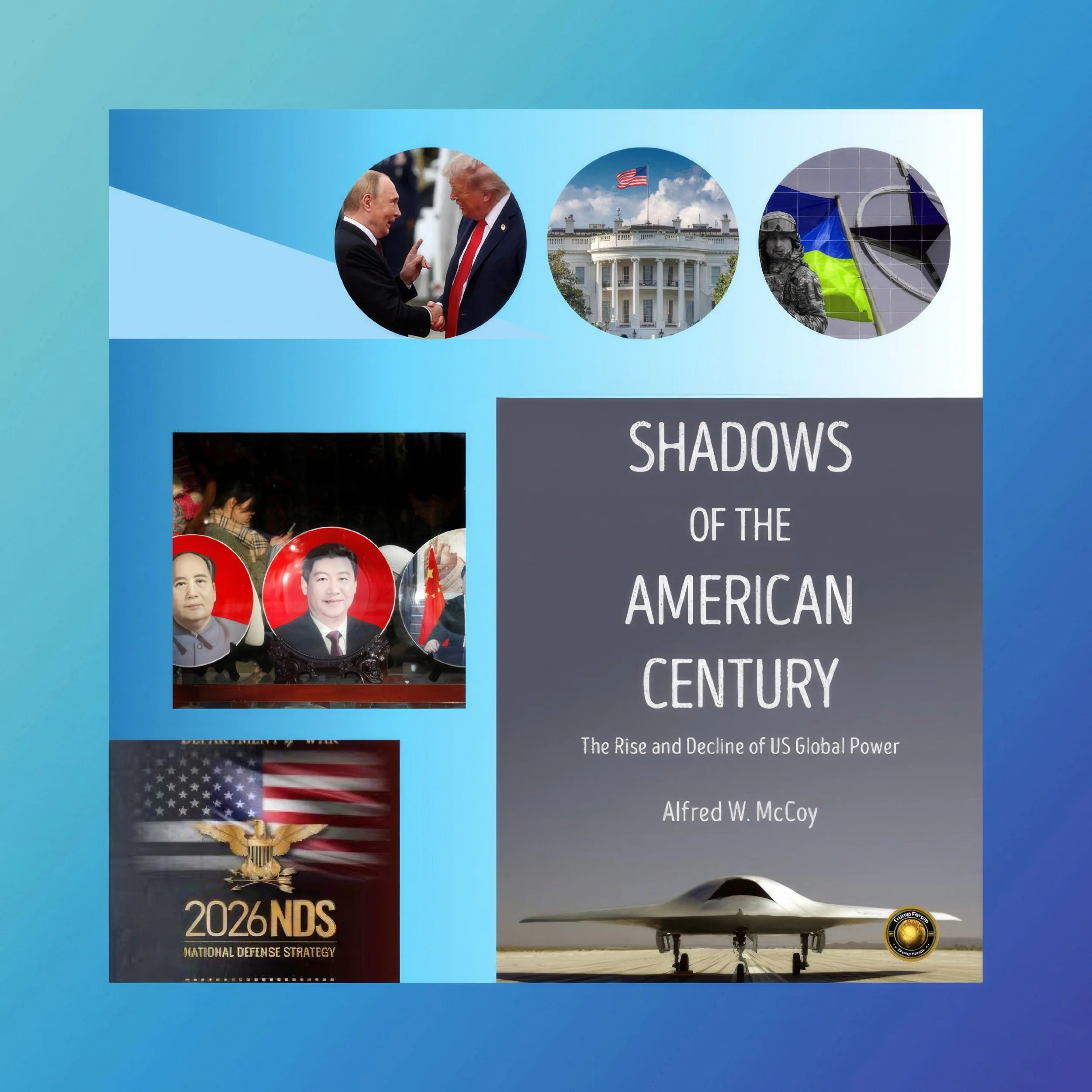
The collapse of the Soviet Union in nineteen ninety one further consolidated American primacy, producing what many analysts described as a unipolar moment.
Yet history rarely allows power structures to remain static.
Over time, new economic centers emerged, technological diffusion accelerated, and regional powers developed independent strategic ambitions.
These developments gradually eroded the concentration of influence that once defined the international system.
Today the global landscape reflects a complex mix of cooperation and competition.
Major stakeholders pursue their own security interests while simultaneously remaining connected through trade, finance, and technological networks.
The result is a system that appears increasingly fluid and uncertain.
History and Current Status
How Strategic Overreach, Economic Rivalry, and Regional Conflicts Are Reshaping the Post War Global System
The origins of the contemporary international order lie in the aftermath of World War II.
The devastation of Europe and Asia created conditions in which American economic and military power became central to global reconstruction.
Institutions such as the United Nations, international financial organizations, and various alliance structures were established to create stability and prevent the recurrence of large scale wars.
The dollar became the primary reserve currency, facilitating international trade and investment.
During the Cold War, the global system was largely divided between two competing ideological blocs.
The United States and the Soviet Union represented opposing visions of political and economic organization.
Despite intense rivalry, the existence of two superpowers created a form of strategic balance that prevented direct large scale confrontation.
Following the collapse of the Soviet Union, the international system entered a period often described as unipolar.
American military capability, economic power, and technological leadership appeared unmatched.
Western institutions expanded eastward, and many states integrated into a globalized economic system.
However, the early 21st century gradually revealed limitations to this structure.
Military interventions, financial crises, and the rapid rise of new economic powers began to challenge assumptions about the durability of American dominance.
Today the global system reflects a more complex distribution of power. China has emerged as a major economic and technological competitor.
Regional powers such as India, Turkey, and Brazil pursue increasingly independent foreign policies. Meanwhile, technological innovation and economic globalization continue to reshape the strategic landscape.
Key Developments
Several developments have accelerated the transformation of global power structures.
The first involves economic shifts. Over the past three decades, global manufacturing and industrial capacity have increasingly moved toward Asia.
China has become the world’s second largest economy, and other Asian economies have expanded rapidly.
The second development concerns technological competition.
Artificial intelligence, cyber capabilities, and space technology are emerging as critical arenas of strategic rivalry.
Control over digital infrastructure and advanced semiconductor production increasingly influences national power.
The third development involves regional conflicts and security dilemmas.
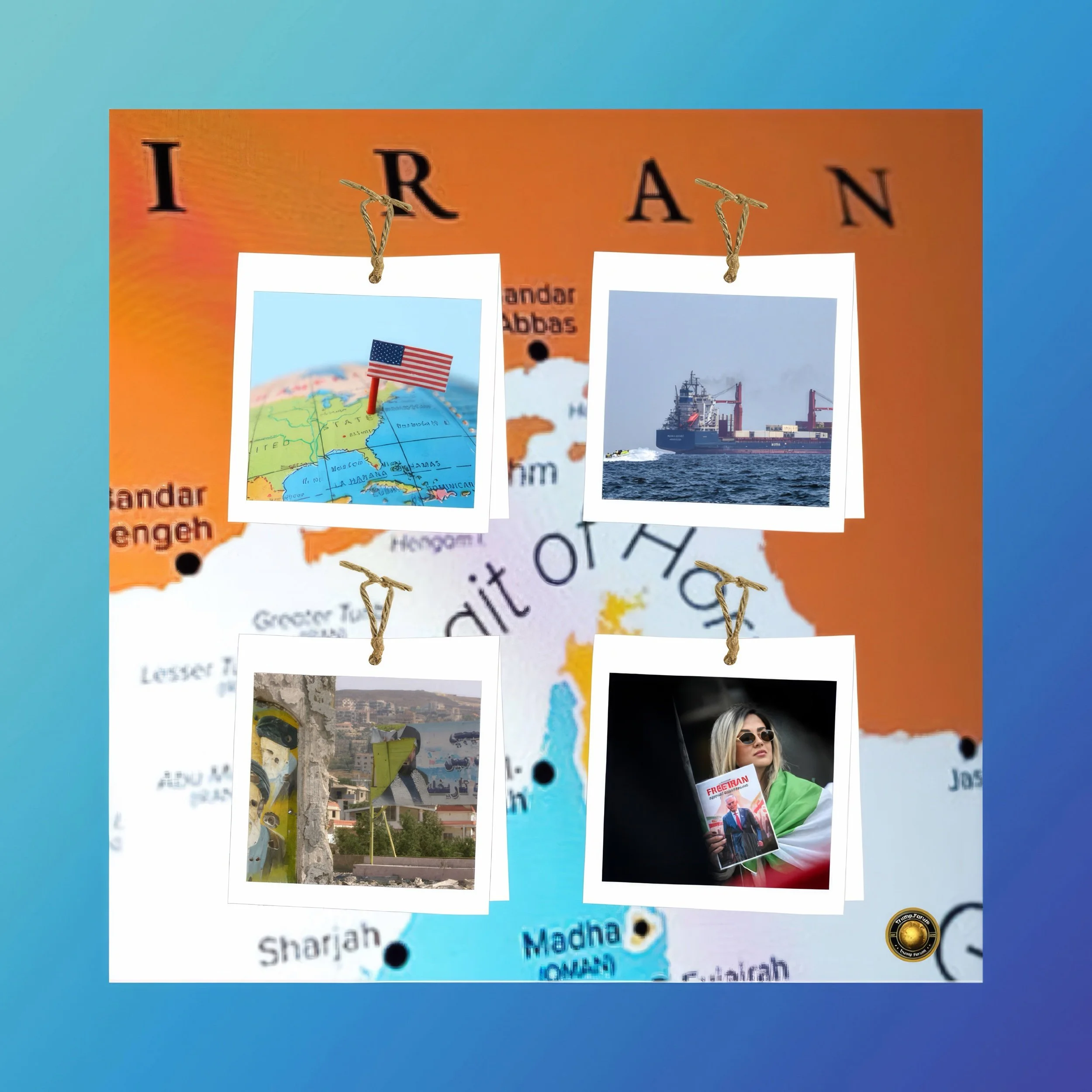
Tensions in Eastern Europe, the Middle East, and the Indo Pacific illustrate how strategic competition among major stakeholders increasingly manifests through regional crises.
The fourth development relates to economic fragmentation.
Trade disputes, sanctions regimes, and technological restrictions have begun to reshape global supply chains.
Governments increasingly prioritize national security considerations over purely economic efficiency.
Finally, alliances themselves are evolving. Some traditional partnerships face internal disagreements over trade, security commitments, and strategic priorities.
At the same time, new partnerships and coalitions are emerging among states seeking greater autonomy within the global system.
Latest Facts and Concerns
Current geopolitical developments reveal several areas of concern for international stability.
Military tensions among major powers have intensified in several regions.
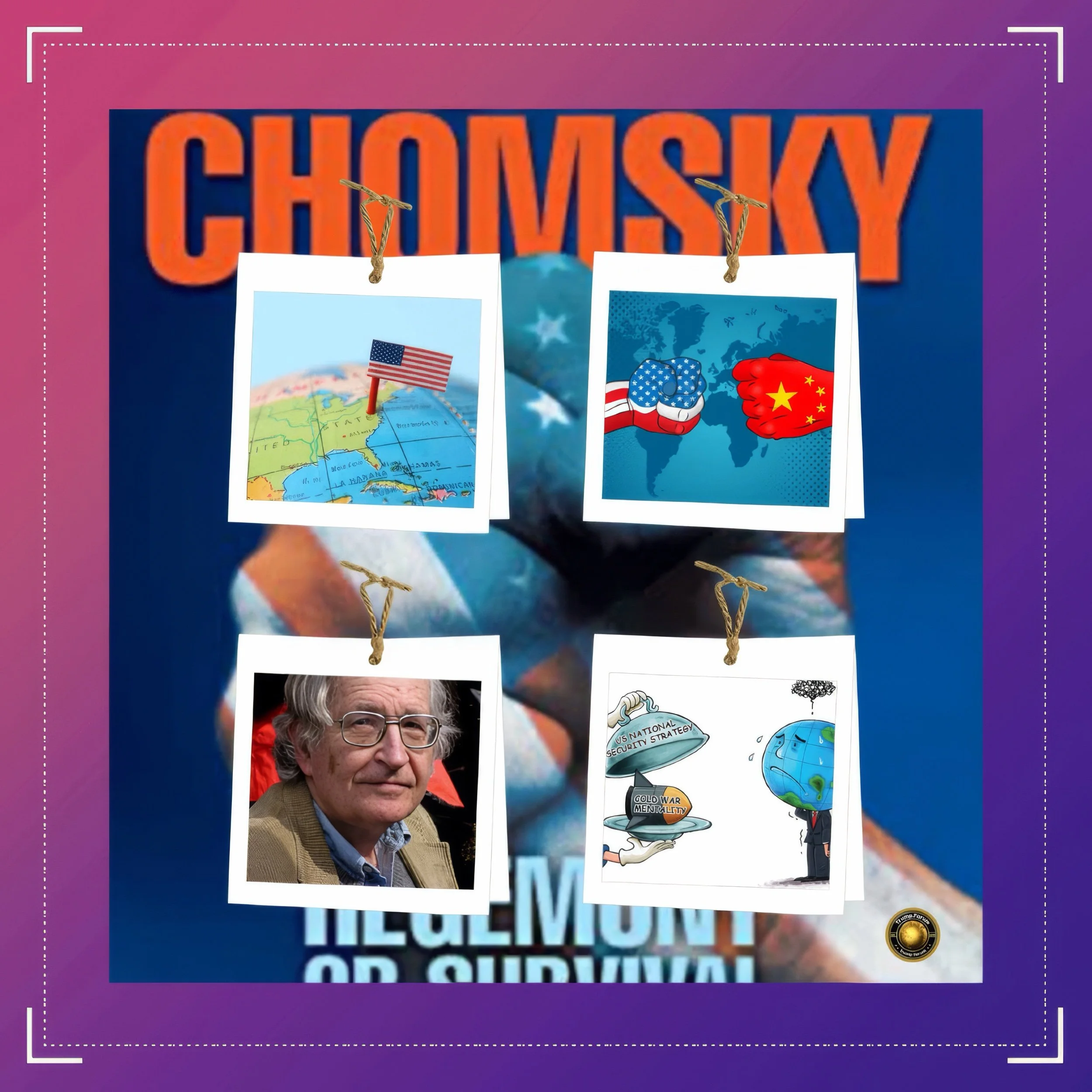
Strategic competition between the United States and China has expanded from trade disputes to technological rivalry and military positioning in the Indo Pacific.
Maritime disputes and military exercises have heightened the risk of accidental escalation.
Meanwhile, conflicts in other regions demonstrate how local disputes can intersect with broader geopolitical competition.
Regional crises often attract involvement from multiple stakeholders, increasing the complexity of diplomatic resolution.
Economic competition also continues to reshape global relationships.
Governments increasingly adopt industrial policies designed to protect strategic sectors such as semiconductors, renewable energy technologies, and artificial intelligence systems.
Financial systems face pressures as well.
While the dollar remains the dominant reserve currency, discussions about alternative payment systems and currency diversification have intensified in several regions.
Technological fragmentation presents another concern.
The emergence of competing digital ecosystems may lead to a world in which technological standards diverge, reducing interoperability and increasing geopolitical divisions.
Cause and Effect Analysis
The transformation of the global order results from several interconnected causes.
One primary cause involves the diffusion of economic power.
As emerging economies expanded their industrial capacity and technological capabilities, the concentration of wealth and production shifted away from traditional Western centers.
A second cause involves strategic overextension.
Maintaining a global network of military commitments requires substantial financial resources and political consensus.
Domestic debates about defense spending and foreign interventions have influenced strategic decision making.
A third cause involves technological disruption.
Rapid innovation has reduced barriers to entry in certain military and economic domains.
Smaller states and non state stakeholders can now access capabilities that were once limited to major powers.
These causes generate several effects.
Strategic competition among major powers increases uncertainty within the international system.
Economic fragmentation may slow global growth, while technological rivalry could reshape global supply chains.
At the same time, the redistribution of influence may create opportunities for greater regional autonomy.
States that were once peripheral participants in global governance may now exercise greater influence over international institutions and negotiations.
Future Steps
The Transformation of Global Power in the Twenty First Century
Managing the transition toward a multipolar system requires careful diplomacy and institutional adaptation.
Major stakeholders must recognize that global stability increasingly depends on cooperative mechanisms that extend beyond traditional alliance structures.
Dialogue among rival powers remains essential to preventing miscalculation during periods of heightened tension.
Economic cooperation also remains vital. Despite geopolitical rivalry, global prosperity still depends on interconnected trade and financial systems.
Policies that completely sever economic relationships could generate widespread instability.
Technological governance represents another important area for international cooperation.
Establishing common standards for artificial intelligence, cybersecurity, and digital infrastructure may reduce the risk of technological fragmentation.
Finally, global institutions must adapt to reflect new realities.
Expanding representation and decision-making authority within international organizations could help accommodate the growing influence of emerging powers.
Conclusion
The Slow Transformation of Global Leadership as Emerging Powers Challenge Long Standing Western Strategic Dominance
The global order is entering a period of transformation that may define international relations for decades to come.
The concentration of influence that characterized the early post Cold War period is gradually giving way to a more complex distribution of power.
This transition does not necessarily imply inevitable conflict. History demonstrates that shifts in global power can occur peacefully when managed through diplomacy and institutional reform.
However, the risks associated with strategic competition remain significant. Miscalculation, economic fragmentation, and technological rivalry could destabilize the international system if not carefully managed.
Ultimately the future of global politics will depend on the ability of major stakeholders to balance competition with cooperation.
The challenge is not merely to preserve existing institutions but to adapt them to a world in which power is more widely distributed than at any time since the early twentieth century.