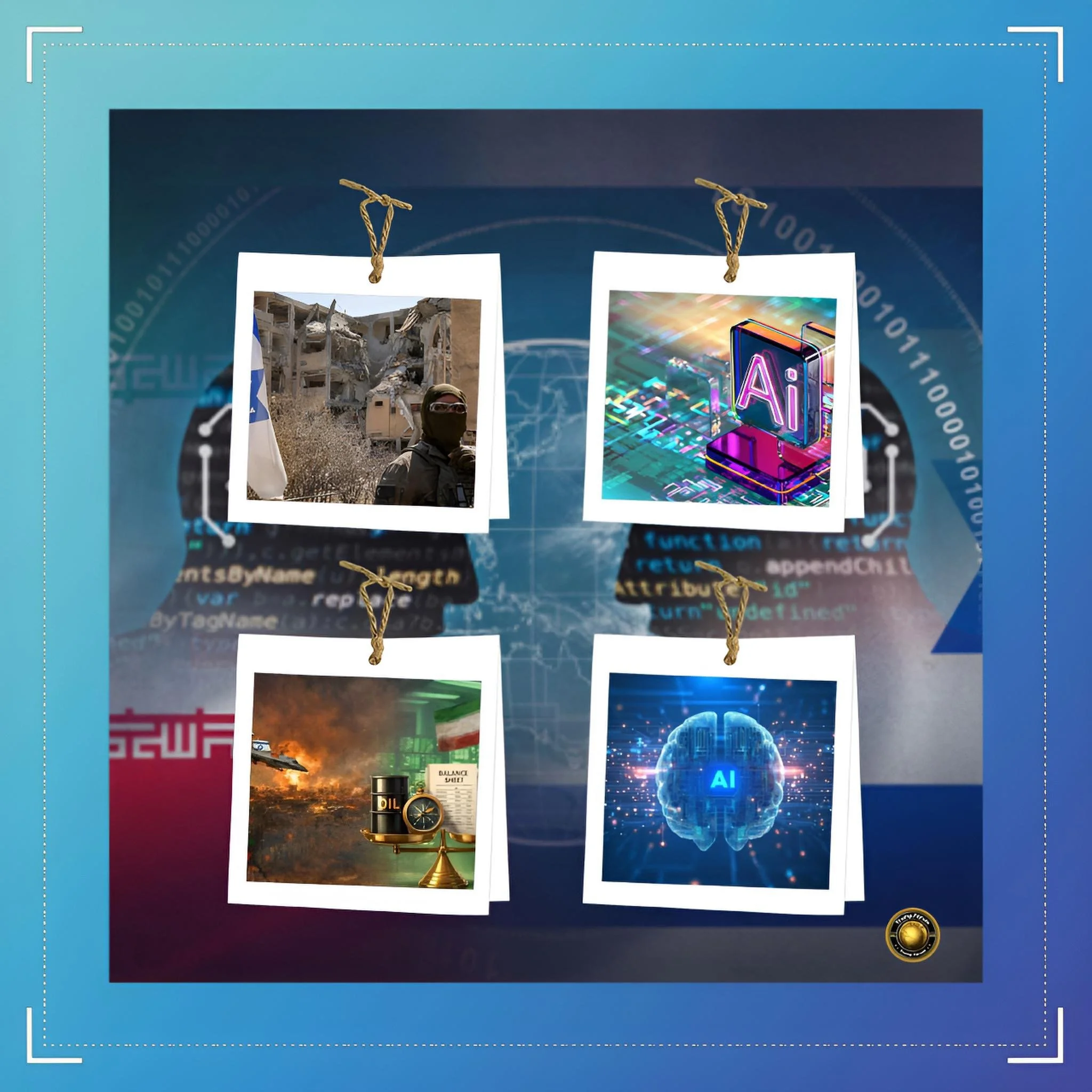
Executive Summary
For many years after World War II, the United States was the most powerful country in the world.
Its military, economy, and political influence shaped global politics.
Many countries depended on American security partnerships and economic systems connected to the dollar.
Today the world is changing.
Other countries are becoming stronger economically and technologically.
China has grown into a major economic power. Countries like India and Brazil are gaining more influence.
At the same time, conflicts and economic competition are creating tensions between major stakeholders.
This article explains why global power is changing and what it may mean for the future.
Introduction
Global politics often changes slowly, but sometimes history moves quickly. The international system that dominated the late twentieth century is now facing many pressures.
In the past, one country had far greater influence than others.
Today many countries are becoming stronger. Because of this, the world is moving toward a system where several powerful stakeholders shape global decisions.
Understanding this change helps explain many of the conflicts and political debates happening today.
History and Current Status
After World War II, much of Europe and Asia was destroyed.
The United States had the strongest economy and military.
It helped rebuild many countries and supported international institutions designed to prevent future wars.
During the Cold War, the United States and the Soviet Union competed for influence. Each side supported allies and tried to spread its political ideas.
When the Soviet Union collapsed in 1991, the United States became the only global superpower.
Many people believed this system would continue for a long time.
But economic growth in Asia gradually changed the balance.
China’s economy expanded rapidly, and other countries also became more important in global trade.
Today the world no longer has a single dominant power.
Key Developments
Several major developments are changing the international system.
First, economic growth in Asia has shifted global production and trade. Many products used around the world are now manufactured in Asian economies.
Second, technology has become extremely important in global competition.
Artificial intelligence, computer chips, and digital infrastructure are now central to economic power.
Third, regional conflicts have increased tensions among major stakeholders.
Disputes in Europe, the Middle East, and the Indo Pacific show how local conflicts can affect global stability.
Fourth, governments are becoming more protective of their industries.
Instead of relying entirely on global supply chains, many countries want to build important technologies at home.
Latest Facts and Concerns
Several trends are creating concern among policymakers.
Competition between the United States and China has expanded beyond trade.
It now includes technology, military capabilities, and global influence.
Economic tensions have also increased. Some governments are restricting exports of advanced technology.
Others are building alternative financial systems to reduce reliance on the dollar.
At the same time, global problems such as climate change and pandemics require cooperation between countries that are also strategic competitors.
This creates a complicated situation where countries must compete and cooperate at the same time.
Cause and Effect Analysis
Global power is changing for several reasons.
One reason is economic growth in emerging economies. As countries become richer, they gain more influence in international politics.
Another reason is technology. Advanced technology allows countries to improve their economies and military capabilities.
Domestic politics also plays a role. Governments sometimes face pressure from citizens to protect local industries or reduce international commitments.
These causes create several effects. The world becomes more competitive because multiple powerful stakeholders are trying to shape global rules.
At the same time, cooperation remains necessary. Countries still depend on each other for trade, technology, and financial stability.
Future Steps
Managing global change requires careful diplomacy.
Countries must continue talking to each other even during disagreements. Communication helps prevent misunderstandings that could lead to conflict.
Economic cooperation also remains important. Completely separating global economies would damage growth and innovation.
International institutions may need to adapt as new powers gain influence. Expanding representation can make these organizations more effective.
Finally, governments must balance competition with cooperation. Rivalry between powerful states does not always lead to conflict if leaders manage tensions carefully.
Conclusion
The global system is changing as new powers rise and old structures adapt.
The United States remains very influential, but other countries now play larger roles in shaping international politics.
This shift does not automatically lead to war. However, it does create uncertainty and competition.
The future of global stability will depend on how major stakeholders manage these changes.
If cooperation continues alongside competition, the world may successfully navigate this historic transformation.