Executive Summary
Since the end of World War II, the United States has been the most powerful country in the world. It has influenced global politics through its military strength, economic power, technology, and international alliances.
But many experts disagree about how this power works and what it means for the future of the world.
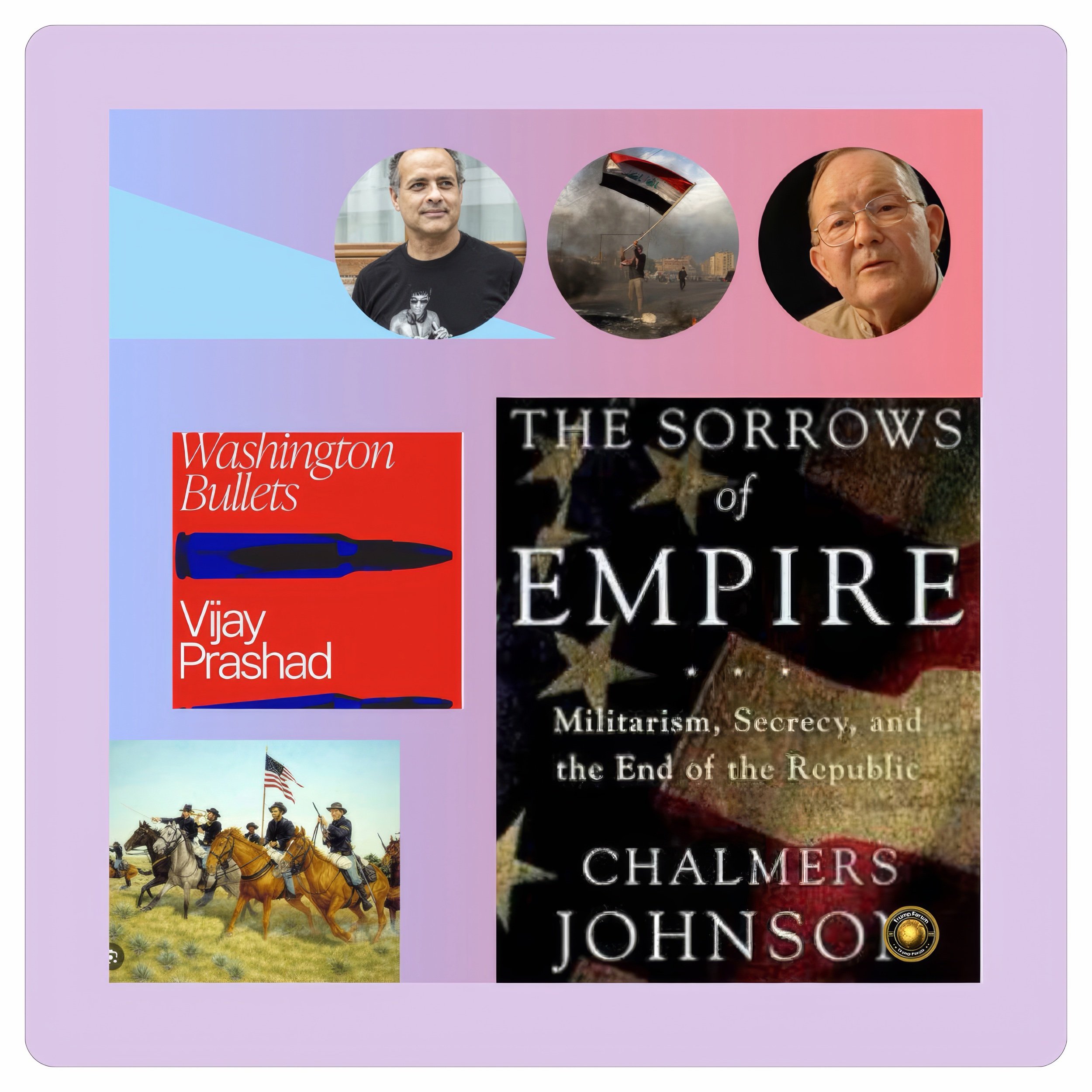
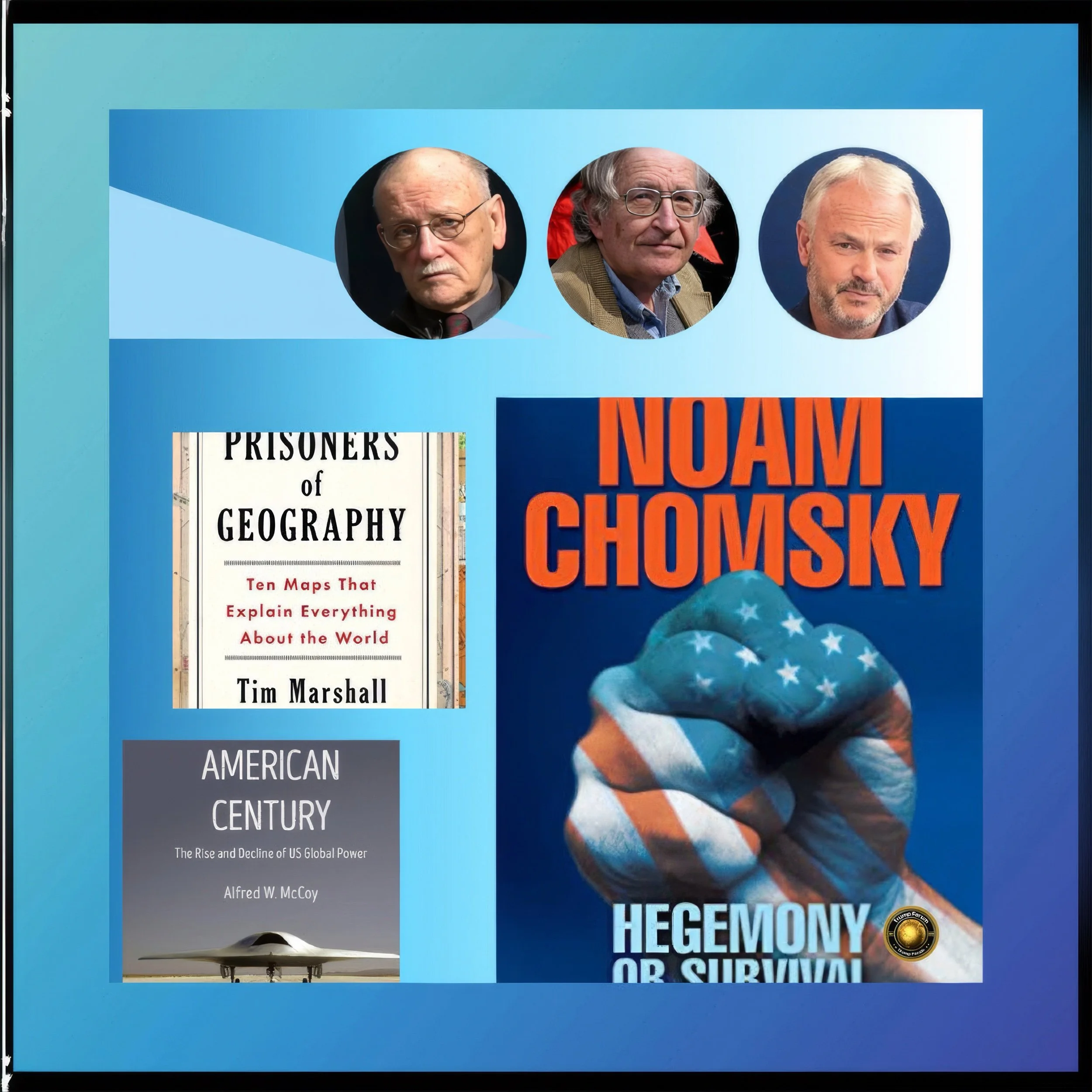
Three well-known thinkers offer different explanations.
Noam Chomsky argues that the United States has tried to keep global dominance since 1945 and often uses military force or political pressure to stop rivals from becoming stronger.
Alfred McCoy explains that the United States built a modern empire through systems such as surveillance networks, intelligence agencies, military bases, and advanced technology.
Tim Marshall focuses on geography and believes that physical factors like oceans, mountains, and natural resources shape global politics more than political decisions alone.
These ideas help explain many events happening today. For example, tensions between the United States and China show how powerful countries compete for influence.
Conflicts in the Middle East demonstrate how wars and alliances can create instability for many years. Trade disputes and tariffs during Donald Trump’s presidency also showed how alliances can become strained.
Understanding these three viewpoints helps people better understand global politics. Each thinker explains a different part of the story of American power and how the international system is changing.
Introduction
Why American Power Matters
After World War Two ended in 1945, the world changed dramatically. Europe and Asia were damaged by war. Many countries lost their economic strength and political stability.
The United States was in a very different position. Its cities and industries were not destroyed. Its economy was strong, and it had the most powerful military in the world.
Because of this, the United States became the central power in global politics. It helped rebuild Europe, created alliances, and built international institutions that still exist today.
But people disagree about what this power means. Some believe American leadership helped create peace and economic growth.
Others argue that the United States has tried to dominate the world and prevent other countries from becoming strong.
Three thinkers—Noam Chomsky, Alfred McCoy, and Tim Marshall—help explain these debates.
History and Current Status
How the United States Became the Leading Power
At the end of World War Two, many countries were struggling to rebuild their economies. Factories were destroyed, and millions of people were displaced.
The United States helped Europe recover through the Marshall Plan. This program provided billions of $ in economic support so European countries could rebuild their industries and infrastructure.
The United States also created alliances. NATO was formed to protect Western Europe from Soviet influence during the Cold War. Similar alliances were created in Asia with countries like Japan and South Korea.
Another important development was the creation of global financial institutions.
Organizations such as the International Monetary Fund and the World Bank helped stabilize the global economy.
During the Cold War, the United States and the Soviet Union competed for influence around the world. The United States built military bases in many countries to protect its allies and respond quickly to conflicts.
When the Soviet Union collapsed in 1991, the United States became the only global superpower. Many people believed this period would lead to long-term global stability.
However, the world today looks very different. New powers such as China have become stronger, and conflicts continue in several regions.
Key Developments
Three Different Explanations of American Power
Noam Chomsky believes the United States has always tried to maintain global dominance. According to him, American leaders worry that another country could challenge their power.
For example, during the Cold War the United States tried to stop the Soviet Union from expanding its influence. Today, many analysts see a similar competition between the United States and China.
Chomsky argues that sometimes this competition leads to military interventions or political pressure.
Alfred McCoy explains American power in a different way. He says the United States built a modern empire through systems instead of colonies.
For example, the United States created a large network of military bases around the world. These bases allow American forces to respond quickly to crises in different regions.
McCoy also explains that surveillance and intelligence systems are important. Satellites, digital networks, and intelligence agencies help American leaders monitor global events.
Tim Marshall focuses on geography. He believes physical features of the earth strongly influence global politics.
For example, the United States is protected by two large oceans.
This makes it harder for enemies to attack directly. China, on the other hand, is located in a crowded region surrounded by many neighbors and territorial disputes.
Marshall argues that geography often explains why countries behave the way they do.
Latest Facts and Concerns
Global Tensions Today
Several events today show how global power competition is changing.
One example is the rivalry between the United States and China. These two countries compete in trade, technology, and military development.
For example, both countries are investing heavily in artificial intelligence and advanced technology.
Another example is the Middle East. Conflicts involving Israel, Iran, and Palestinian territories continue to create instability in the region.
There are also fears that tensions between Israel and Iran could lead to a larger war. If that happened, it could affect energy markets and international security.
Trade disputes have also affected alliances. During Donald Trump’s presidency, tariffs are used as a tool to pressure trading partners.
Some of these tariffs targeted countries that were traditional allies, including Canada and European nations.
These disputes showed how economic policies can affect political relationships.
Cause and Effect Analysis
Why Global Power Creates Conflict
When one country becomes very powerful, other countries often worry about their own security.
For example, if a country builds a strong military alliance, rival countries may build their own alliances to balance that power.
This creates competition.
Economic competition works in a similar way. If one country dominates technology or trade, other countries try to develop their own industries.
For example, China has invested heavily in new technology to reduce dependence on foreign companies.
Military interventions can also have unexpected effects. A war intended to create stability may instead create long-term instability.
The Middle East provides several examples where conflicts have lasted for many years and influenced global politics.
Future Steps
How the World Could Become More Stable
Experts believe several steps could help reduce global tensions.
One important step is diplomacy. Negotiations between countries can prevent conflicts from becoming wars.
For example, ceasefire agreements in conflict zones can reduce violence and create opportunities for peace talks.
Economic cooperation can also help. Countries that trade with each other often have stronger incentives to maintain stable relationships.
Another important step is strengthening international institutions.
Organizations that encourage cooperation between countries can help manage global problems such as climate change and economic crises.
Technology will also play an important role in the future. Advances in artificial intelligence, cybersecurity, and space technology will shape global power.
Countries will need to find ways to compete while avoiding dangerous conflicts.
Conclusion
Understanding the Changing Global Order
The United States has played a major role in shaping the global system since World War Two.
But different thinkers explain this power in different ways.
Noam Chomsky believes the United States tries to maintain global dominance and prevent rivals from becoming stronger.
Alfred McCoy focuses on the systems that support American influence, such as military bases, surveillance networks, and technology.
Tim Marshall explains how geography shapes global politics and influences how countries behave.
Together, these ideas help explain why global politics is complex and why conflicts sometimes occur.
Today the world is entering a new period where power is more widely distributed among several countries.
Understanding these changes can help leaders and citizens make better decisions about diplomacy, security, and cooperation.
The future of global stability will depend on whether countries can manage competition without allowing it to turn into destructive conflict.