Executive summary
Two books help explain how the United States built global power and why that power now faces challenges.
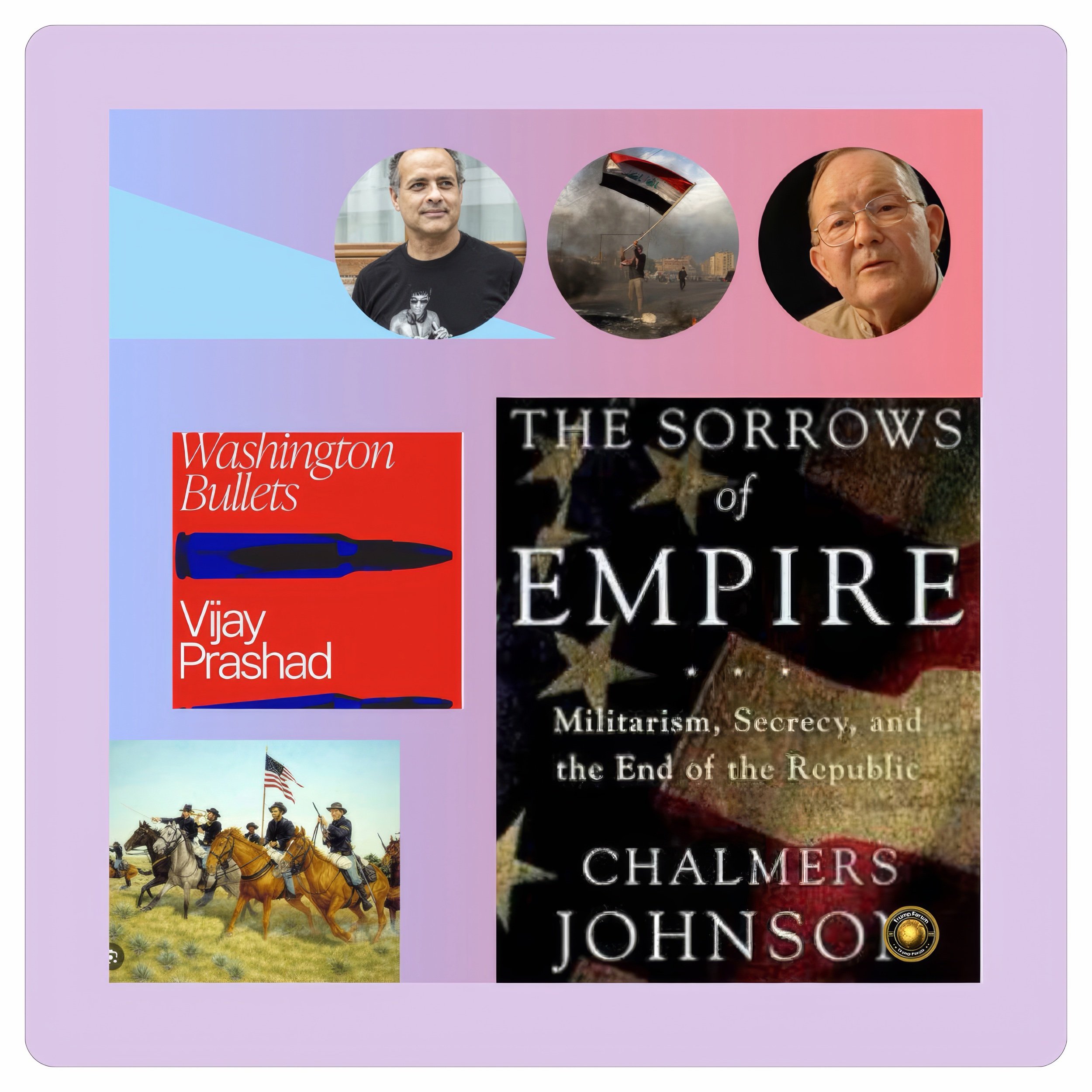
The Sorrows of Empire by Chalmers Johnson and Washington Bullets by Vijay Prashad examine the tools the United States used to maintain influence after the Second World War.
Johnson argues that the United States created a global system of military bases and security alliances. He believes this system acts like an empire, even though the United States does not call itself one.
According to Johnson, maintaining hundreds of bases and a massive military budget weakens democracy at home and creates anger abroad.
Prashad focuses on a different tool: covert operations and coups. His book shows how the United States supported regime changes in many countries.
These actions often aimed to protect economic or strategic interests but sometimes produced long-term instability.
Both authors believe that these policies created resistance in many parts of the world. Today, rising powers such as China and new alliances like BRICS show that global power is becoming more balanced.
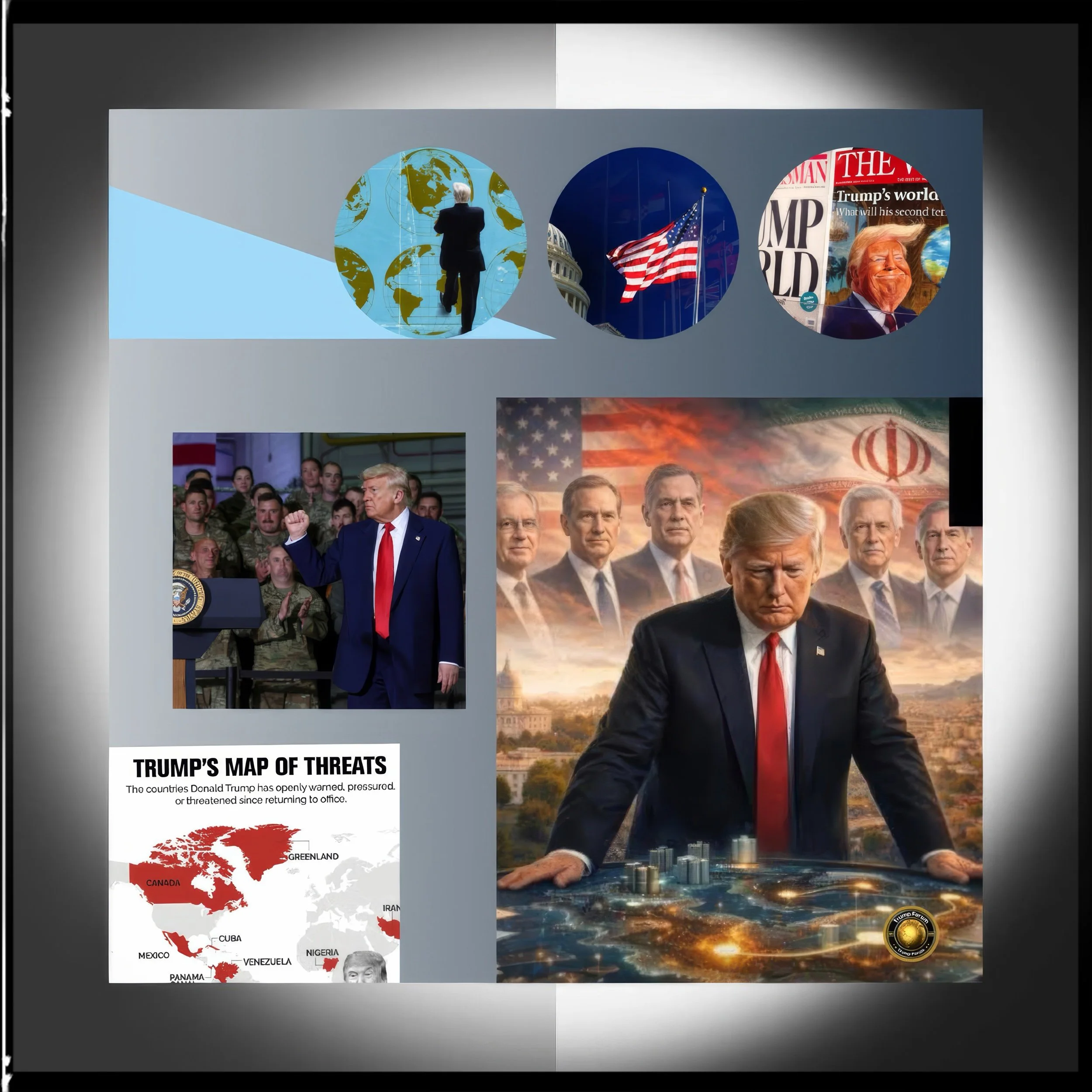
The debate has become more intense during Donald Trump’s second presidential term. His administration has emphasized tariffs, military pressure, and unilateral action.
Conflicts in the Middle East and tensions with major powers have revived questions about whether American power is reaching its limits.
The books do not claim the United States will collapse suddenly. Instead, they suggest that the world is entering a new phase where power is shared among several major stakeholders.
Introduction
Understanding modern geopolitics requires understanding how the United States became so powerful.
After the Second World War, the United States built alliances, military bases, and economic institutions across the world. These structures helped prevent new global wars and supported economic growth.
However, critics argue that this system also produced problems. Some countries saw American actions as interference in their internal affairs.
Two authors provide important perspectives on this issue. Chalmers Johnson explains how the military base network functions like an empire. Vijay Prashad explains how covert operations influenced many governments.
Together, these books help readers understand why some countries today challenge American leadership.
History and current status
During the Cold War, the United States believed it had to stop the spread of communism. To do this, it built alliances and military bases across Europe, Asia, and the Middle East.
For example, American bases in Japan and South Korea helped deter conflict in East Asia.
Bases in Europe supported NATO forces.
Installations in the Middle East protected energy routes and strategic partners.
At the same time, intelligence agencies sometimes supported coups or secret operations.
In Iran in 1953, the government was overthrown after nationalizing oil.
In Chile in 1973, a military government replaced an elected president.
These events created long memories in many countries.
Today the United States still has hundreds of overseas bases and remains the world’s largest military power. However, other countries have become stronger economically and technologically.
China is now a major global economy. India, Brazil, and other countries also have growing influence.
New international organizations are appearing alongside older Western institutions.
The global system is changing.
Key developments
Several events in recent years show how global power is shifting.
First, China has expanded trade and infrastructure projects across many continents. These projects create new economic partnerships.
Second, conflicts such as the war in Ukraine have divided the world politically. Some countries support Western policies, while others prefer neutrality.
Third, economic cooperation among emerging economies has grown. Groups such as BRICS are exploring financial systems that rely less on the dollar.
Fourth, tensions in the Middle East continue. American bases in the region sometimes become targets during conflicts.
Finally, political debates inside the United States have intensified. Some Americans believe the country spends too much on foreign wars.
Latest facts and concerns
Recent conflicts have raised questions about whether military power alone can maintain influence.
For example, attacks on bases in the Middle East show that even strong military systems face vulnerabilities. These incidents also increase the risk of wider regional conflict.
Economic competition is also becoming more intense. Trade restrictions, tariffs, and technological rivalry affect global supply chains.
At the same time, many countries want more independence in foreign policy decisions. Instead of choosing sides between major powers, they try to cooperate with several partners.
This trend suggests that the world is moving toward a multipolar system.
Cause and effect analysis
Johnson and Prashad explain today’s tensions in different ways.
Johnson believes the main problem is militarism. When a country relies heavily on military power, it may create enemies even when it wants stability.
Imagine a neighborhood where one house builds large walls, security towers, and surveillance cameras. Neighbors might feel threatened even if the homeowner claims the defenses are for safety.
Prashad focuses on interventions. If outside stakeholders influence or remove governments, local populations may feel their independence has been violated.
A simple example is a sports team where the referee secretly changes the players. Even if the intention is fairness, the teams would feel the game was manipulated.
Both authors argue that these actions can create long-term resentment.
Future steps
The future of global politics will depend on how major powers respond to these challenges.
The United States could reduce military commitments and invest more in diplomacy and economic partnerships.
Another possibility is continued strategic competition with China and Russia. In that case, alliances and military spending would remain central.
A third possibility is a shared leadership system where several major powers cooperate on global issues such as climate change, technology, and trade.
Many analysts believe the world will gradually move toward this multipolar structure.
Conclusion
The books by Chalmers Johnson and Vijay Prashad provide valuable lessons about power, intervention, and international relations.
Johnson warns that large military systems can weaken democratic institutions and create unintended consequences abroad. Prashad shows how covert operations shaped politics in many countries.
Their ideas help explain why some regions today resist American influence and why new global alliances are emerging.
The United States remains a powerful country, but the world is changing. Other stakeholders are gaining economic and political influence.
Rather than a sudden collapse, the future is more likely to involve adjustment and adaptation. The question is whether major powers can manage this transition peacefully.
Understanding the history described in these books is an important step toward that goal.