Executive Summary
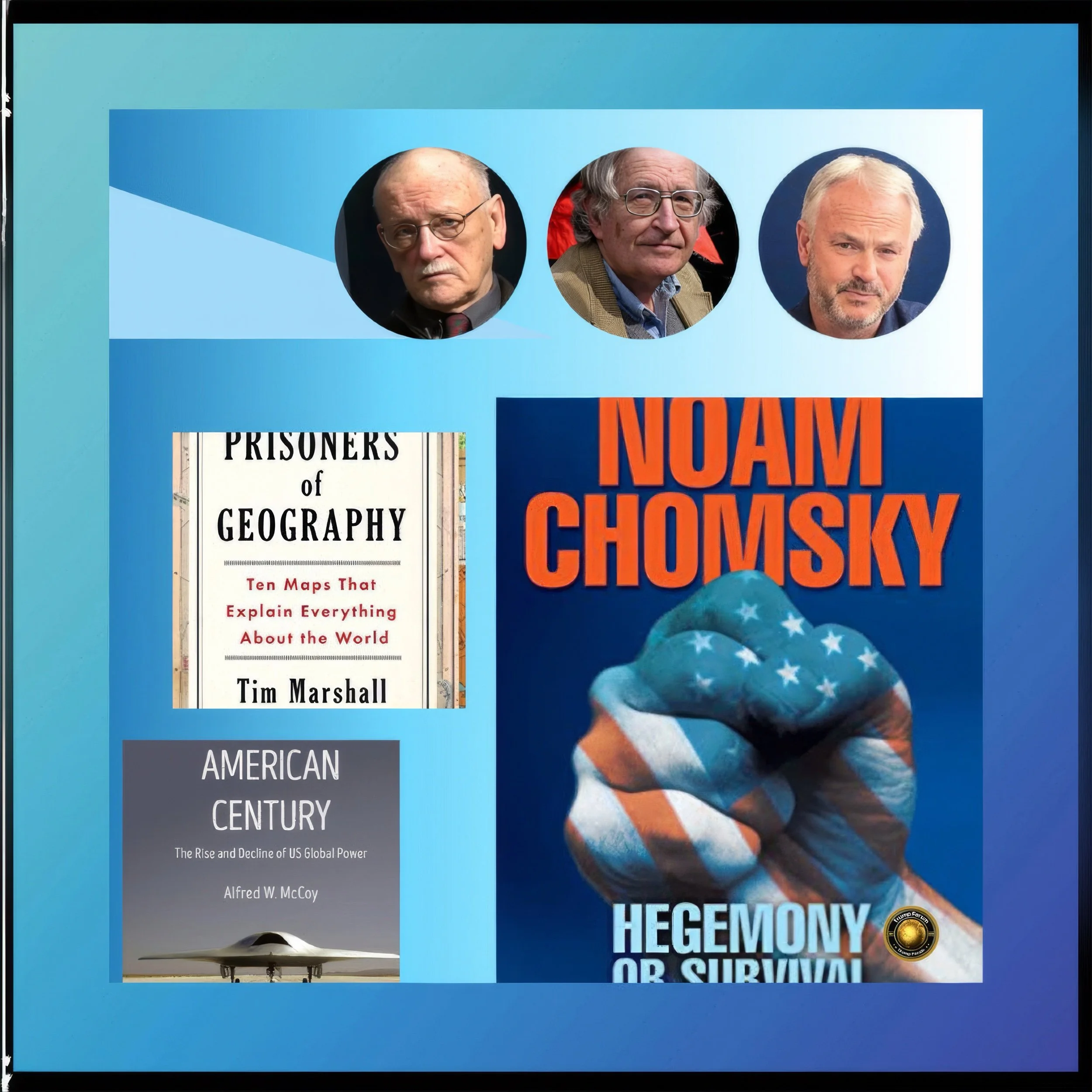
Noam Chomsky’s book Hegemony or Survival explains how the United States became the most powerful country in the world after World War II
The book argues that American leaders often tried to keep this power by preventing other countries from becoming rivals.
Chomsky believes this strategy sometimes caused conflicts and instability. He also warns that if powerful countries compete too aggressively, the world could face serious dangers.
Today we can see these debates in real events, such as tensions between the United States and China, conflicts in the Middle East, and disagreements between allies.
Introduction
What Does Hegemony Mean
Hegemony means one country having more power than others in the global system.
After World War Two the United States became the strongest country economically and militarily. Because of this strength, it had great influence over international institutions, alliances, and global trade.
Chomsky argues that American leaders often tried to maintain this dominance.
History and Current Status
How America Became So Powerful
At the end of World War Two many countries were destroyed by war. The United States was different because its economy and infrastructure remained strong.
American leaders helped rebuild Europe through economic programs. They also created alliances such as NATO.
These steps helped create a global system where the United States had a leading role.
Today the United States still has the largest military and one of the strongest economies. However other countries such as China are becoming more powerful.
Key Developments
New Tensions in World Politics
Several recent events show how global power competition is changing.
Trade disputes during Donald Trump’s presidency used tariffs even against allies such as Canada. These policies caused tensions inside the alliance system.
Another issue is debate about international institutions. Some critics say initiatives such as the Board of Peace weaken the role of the United Nations.
In the Middle East the situation is also tense. Israel and Iran remain rivals, and many analysts worry about the risk of a larger war.
At the same time diplomatic efforts continue to try to reach ceasefires in Palestine.
Latest Facts and Concerns
The Middle East and Global Competition
The Middle East remains one of the most unstable regions in the world.
Fighting in Gaza and tensions between Israel and Iran create fears of a wider conflict.
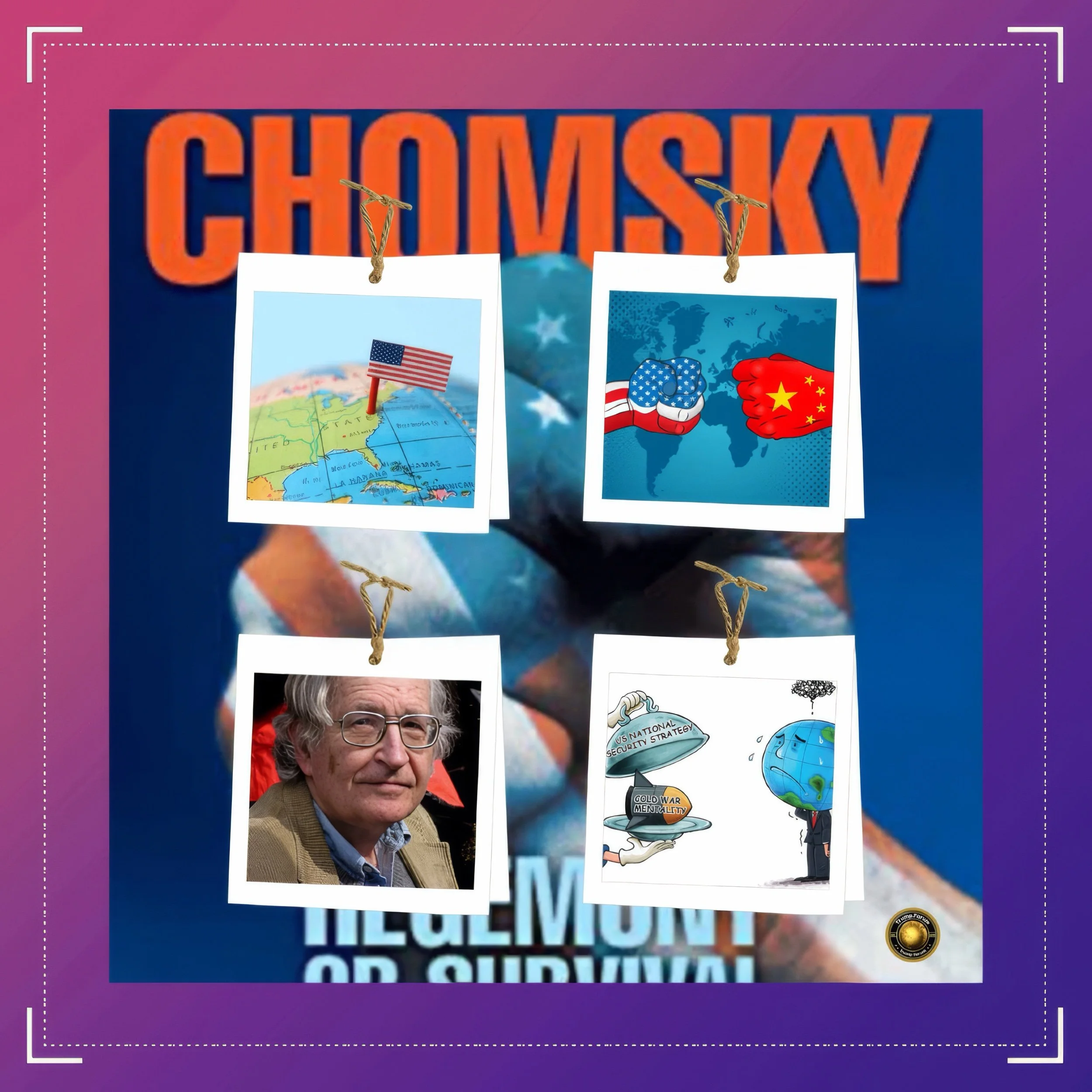
Meanwhile global competition between the United States and China continues to grow.
Technology, trade, and military power are all areas where these two countries compete.
Cause and Effect Analysis
Why Competition Creates Problems
When powerful countries try to dominate the international system, other countries often resist.
For example tariffs can push other countries to find new trading partners.
Military actions can lead to long conflicts instead of quick solutions.
This cycle can increase global instability.
Future Steps
What Could Make the World Safer
Many experts believe cooperation between major powers is important.
Diplomacy, international law, and strong institutions can help reduce conflicts.
Economic cooperation can also make countries less likely to fight each other.
Conclusion
The Debate About America’s Global Role
The United States built a powerful global system after World War Two.
Some people believe this leadership created stability and economic growth. Others, like Chomsky, argue that the search for dominance sometimes created conflicts.
Today the world is changing as new powers rise and alliances evolve.
Understanding this debate helps explain why international politics today is so complex and why cooperation may be necessary to avoid future crises.