From Pacifism To Power: Japan’s Bid To Replace China -Part III
Executive Summary
The New Asian Giant: Can Japan Eclipse China’s Dominance
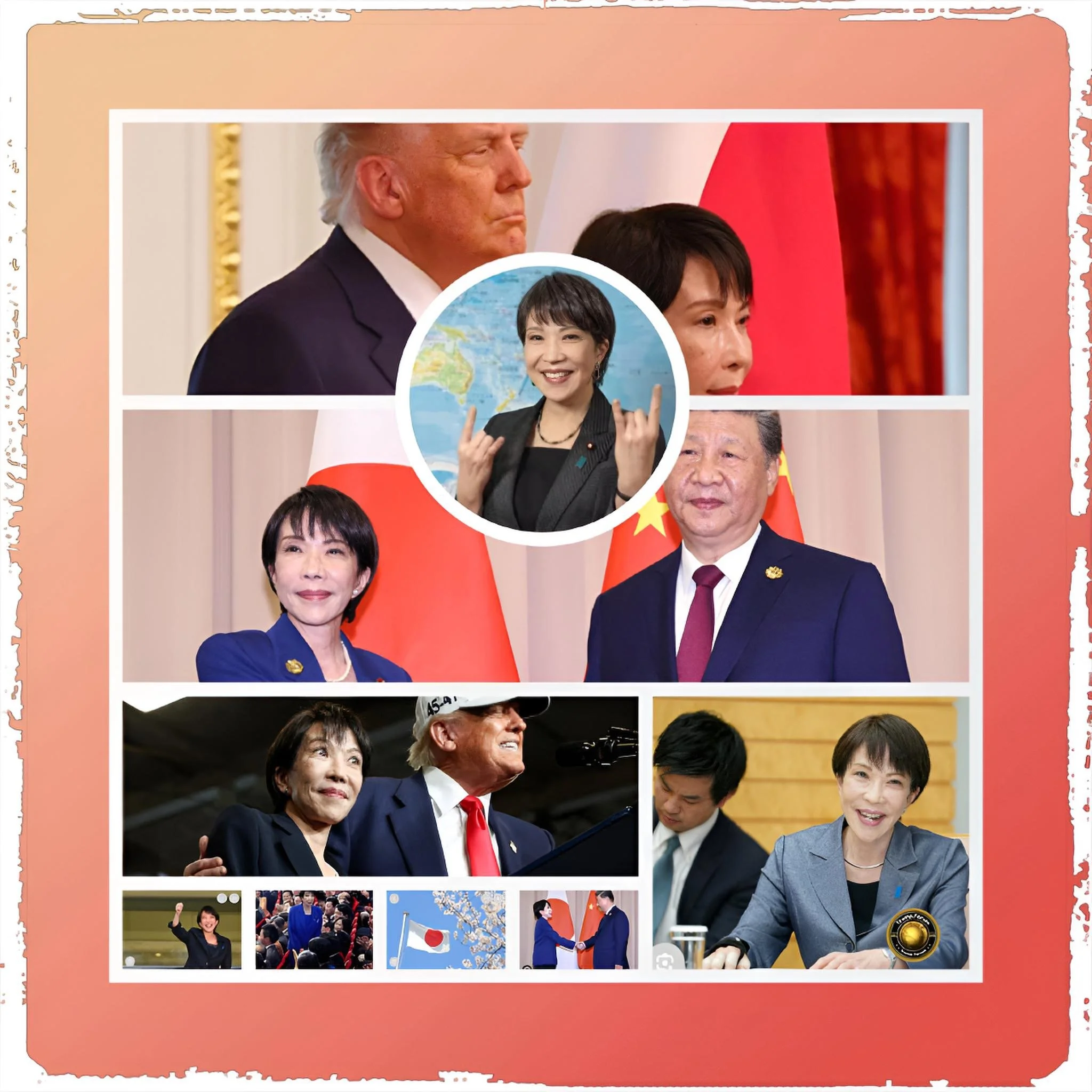
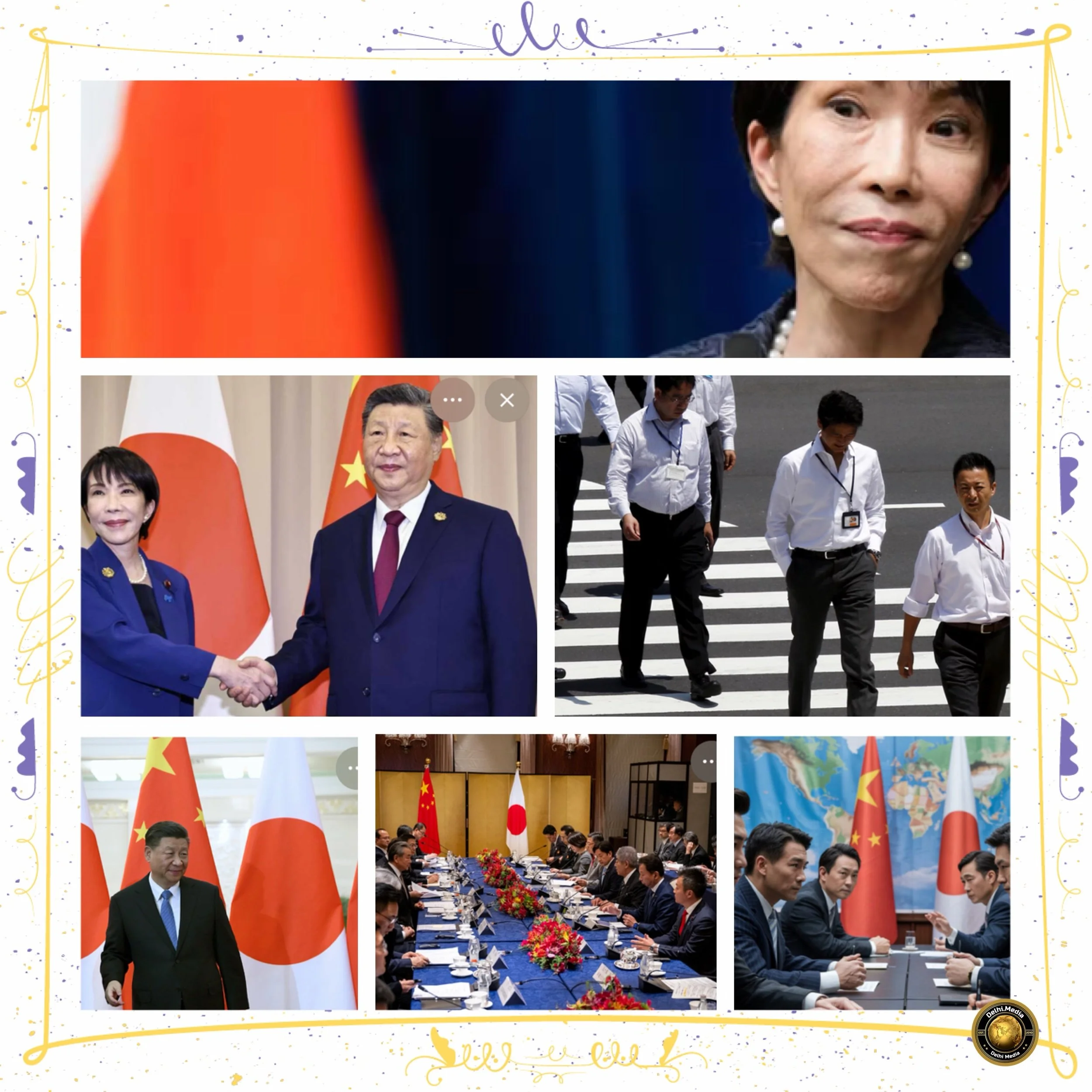
Japan stands at a pivotal juncture in contemporary global politics. Following the landslide victory of Sanae Takaichi, Japan is advancing beyond its postwar identity of economic caution and defensive restraint toward a more assertive role on the international stage.
This transformation bears consequences for the balance of power in Asia and beyond.
China’s rapid economic ascent during the early 21st century reconfigured global supply chains, foreign direct investment flows, and strategic alliances.
Today, however, China confronts structural headwinds: a sharply declining labor force, mounting debt, decelerating growth, and intensifying geopolitical friction with Western democracies.
Japan, by contrast, is leveraging technological innovation, diversified trade networks, and renewed defense commitments to construct an alternative model of influence.
FAF article evaluates whether Japan can realistically become the “New China” in economic and defense terms. It explores the historical context, the implications of recent political shifts under Takaichi, the current strategic landscape, and possible trajectories for the coming decades.
Ultimately, Japan is unlikely to replicate China’s sheer scale, but it can redefine Asian economic and defense leadership through reliability, innovation, and alliance integration.
Introduction
Japan After China: Takaichi’s Mandate And Asia’s Power Rebalancing
The political and economic landscape of the Indo-Pacific is undergoing substantial transformation.
China’s rise dominated global headlines for decades, casting it as the principal strategic competitor to the United States and an engine of global economic growth.
Japan belonged to a different narrative: the island nation that pioneered rapid industrialization in the latter half of the 20th century, became the world’s second largest economy, and then entered a prolonged era of stagnation and demographic decline.
Despite these challenges, Japan retained core strengths: a highly educated workforce, cutting-edge technology sectors, massive institutional capital reserves, and a political culture oriented around stability and incremental reform.
With Sanae Takaichi’s decisive electoral triumph, Japan appears to be shedding elements of its long postwar pacifist posture. Takaichi’s platform blended economic nationalism, technological sovereignty, and a readiness to expand defense capabilities in response to regional insecurities.
Her leadership has reinvigorated discussions about Japan’s role not only as an economic partner but also as a strategic pillar in a region marked by rising tensions.
This article investigates whether this shift could culminate in Japan becoming a new fulcrum of economic and defense power — effectively assuming the role many anticipated China would occupy indefinitely.
What preconditions must be met? What structural hurdles will Japan face? And in what timeframe might this transformation occur?
History and Current Status
Will Japan Become the New China in Economic and Defense Leadership in Asia
Japan’s modern economic history is a study in rapid transformation. The devastation of World War Two left the nation economically and physically shattered.
The subsequent decades witnessed an extraordinary recovery.
By harnessing state-industry cooperation, prioritizing education, and specializing in export-oriented manufactured goods, Japan became the world’s second largest economy by the late 1980s.
Consumer electronics, automobiles, and precision machinery became global mainstays. This growth was achieved in part through relatively high savings rates that fueled capital accumulation and domestic technological innovation.
The burst of the asset price bubble in the early 1990s marked the onset of the “Lost Decades,” during which Japan struggled with deflation, low growth, and a banking sector weighed down by nonperforming loans.
Government debt soared beyond 200% of GDP, a figure that remains among the highest in the world.
Despite aggressive monetary easing and fiscal stimulus, the economy never returned to its former pace of expansion.
Meanwhile, China emerged as the beneficiary of global capital flows seeking higher returns and access to a vast labor pool.
Beijing’s accession to the World Trade Organization in 2001 catalyzed an influx of foreign investment and integration into global supply chains.
China became the world’s factory, producing goods at scale for international markets and attracting infrastructure investment across emerging economies.
Its growth rates frequently surpassed 10% annually, an extraordinary pace relative to Japan’s sub-2% growth. The repercussions of this shift were felt across Asia, with Japan both competing and cooperating with Chinese producers.
In the defense arena, Japan was constrained by its postwar pacifist constitution, particularly Article IX, which renounced war as a sovereign right.
This legal framework, reinforced by societal aversion to military force, limited Japan’s capacity to cultivate a robust security posture. Instead, Japan relied heavily on the United States-Japan Security Treaty, which positioned Japan as a host for US forces and a beneficiary of extended deterrence rather than an independent military power.
China’s economic and defense growth, however, introduced new pressures.
A more assertive People’s Liberation Army expanded its footprint in the East and South China Seas, while Beijing’s Belt and Road Initiative sought to extend political and economic influence globally.
Japan faced a strategic dilemma: remain tethered to a pacifist identity or adapt to an environment in which regional power dynamics were no longer stable.
Under Takaichi’s leadership, Japan has signaled a willingness to embrace that adaptation.
Key Developments Under Takaichi
Takaichi assumed leadership with a platform that emphasized technological sovereignty, economic resilience, and defense normalization. Her rhetoric advanced a departure from decades of incrementalism toward strategic prioritization.
On economic policy, the administration has championed semiconductor independence, expansion of next-generation manufacturing sectors, and recalibration of supply chains previously concentrated in China.
Japan aims to leverage its strengths in semiconductor equipment, specialty materials, and robotics to secure leadership in the industries most critical to future competitiveness.
A notable policy orientation has been the reevaluation of energy strategy. After the Fukushima disaster, Japan reduced its reliance on nuclear power, increasing dependence on imported fossil fuels.
Under Takaichi, there has been renewed interest in nuclear restarts and next-generation nuclear technologies, both to reduce energy vulnerability and to support high-energy manufacturing ecosystems.
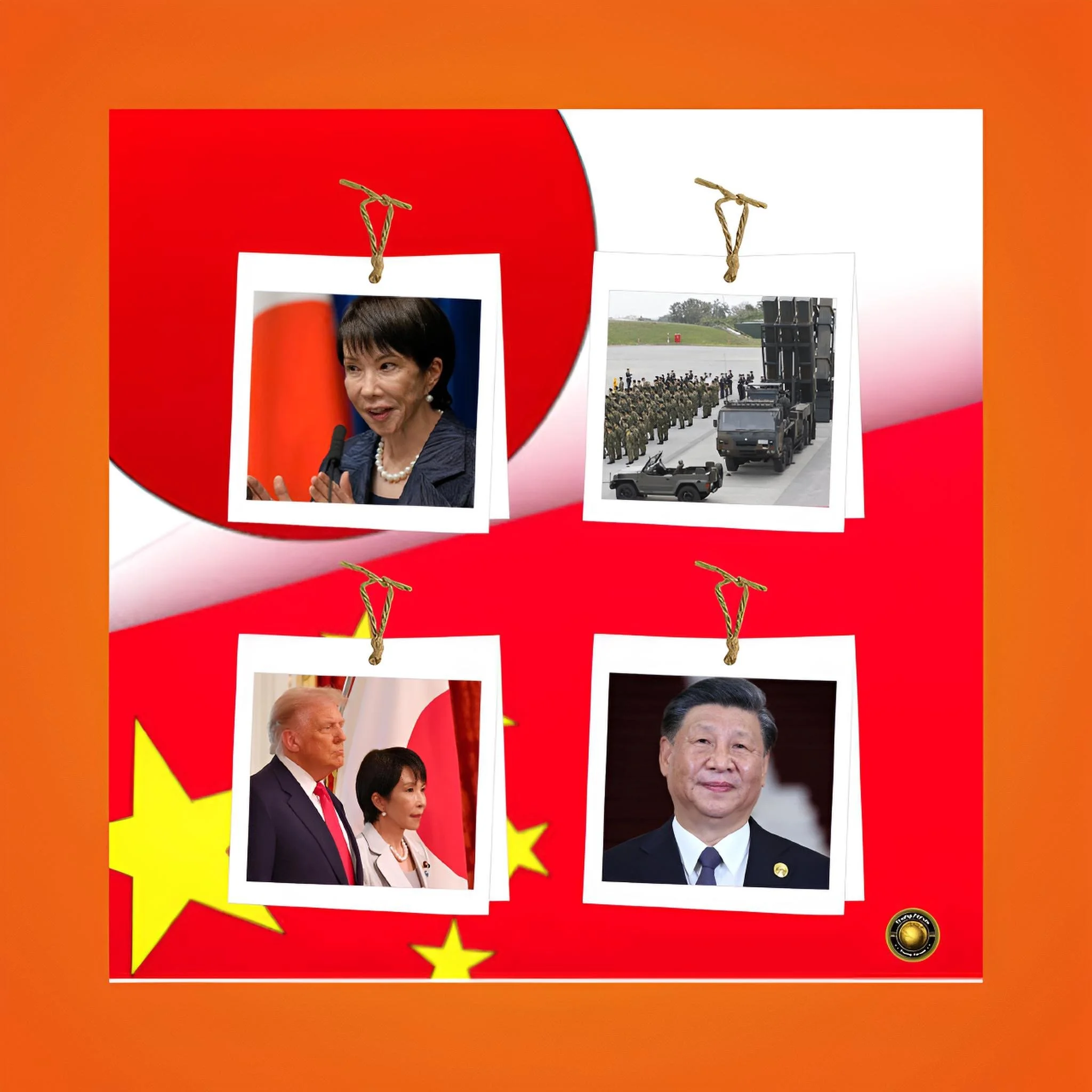
In defense, Japan’s spending has exceeded the 2% of GDP benchmark commonly associated with NATO commitments. While this figure still trails China’s defense budget in absolute terms, the symbolic breakthrough reflects a profound shift in domestic consensus.
Japan has increased investment in indigenous weapons systems, including advanced fighter aircraft, missile defense, electronic warfare capabilities, and cyber security.
These investments, combined with deeper security cooperation with the United States, Australia, India, and European partners, signal a transition from a self-defense posture to proactive deterrence.
Japan’s alignment with like-minded states has also manifested in coalition building around common norms, particularly regarding freedom of navigation, protection of critical infrastructure, and rules governing emerging technologies like artificial intelligence and 5G communications.
Latest Facts and Concerns
Despite these developments, structural constraints persist.
Japan’s economic growth rates remain modest relative to historical peaks. Productivity improvements, while significant in certain sectors, have yet to catalyze broad-based acceleration across the service economy. Demographics remain Japan’s most daunting challenge.
The nation’s population continues to age rapidly, with a shrinking labor force and rising dependency ratios that strain social welfare systems.
Immigration policy, while gradually evolving to permit more foreign workers, remains cautious. Unlike Western counterparts that have leveraged immigration to bolster labor supply, Japan’s approach remains selective and tightly regulated. This limits the pool of available talent for emerging sectors and compounds the demographic drag on economic expansion.
China’s comparative position is itself under stress. Years of double-digit expansion have given way to slower growth as investment saturates, debt burdens rise, and export markets cool.
Beijing is attempting to transition toward a consumption-driven model, but progress has been uneven. Regulatory crackdowns on the private technology sector, tensions with Western markets, and geopolitical confrontations have added to economic headwinds.
Nevertheless, China’s economy remains far larger than Japan’s in absolute terms. Even with slower growth, China’s defense spending dwarfs Japan’s, and its population remains substantial.
In this context, Japan’s ambitions must be framed in terms of quality of influence rather than sheer scale.
Cause and Effect Analysis
The shifting dynamics between China and Japan can be understood through the prism of structural adaptation. China’s rise compelled neighboring states to reassess strategic priorities.
History demonstrates that proximity to a dominant power often necessitates hedging strategies. In response to China’s economic diplomacy and coercive trade practices, Japan sought deeper integration with alternative markets and regional partners.
The United States, wary of unfettered Chinese influence, welcomed deeper Japanese engagement in security initiatives, creating a feedback loop that reinforced Japan’s strategic pivot.
Japan’s defense normalization has matured not only from external pressures but also from internal recognition of regional threats.
North Korea’s missile tests and erratic behavior have underscored the need for credible defense capabilities. Russia’s full-scale invasion of Ukraine further eroded faith in passive defense strategies, demonstrating the consequences of unchallenged aggression.
Economically, Japan’s recalibration of supply chains away from China stems from both risk mitigation and opportunity identification.
The COVID-19 pandemic and geopolitical frictions highlighted the vulnerability of overconcentration. Japanese firms have relocated production to Southeast Asia, India, and North America while maintaining high-value manufacturing domestically.
How Long Until Japan Surpasses China
The notion of “surpassing” China requires careful definition. In terms of GDP growth or population size, Japan will not eclipse China. China’s economy, even with slower expansion, is several times larger than Japan’s.
Japan’s population, shrinking at pace while China has only recently experienced demographic decline, provides a quantitative advantage that cannot be overcome through policy alone.
However, in other dimensions Japan can assert comparative superiority. Per capita income in Japan exceeds China’s by a significant margin.
Japan’s technological capabilities in machine tools, precision manufacturing, and certain high-value components are world leading. In terms of defense integration with allied networks, Japan already surpasses China: U.S. forces stationed in Japan provide extended deterrence that China cannot match bilaterally with any single partner.
If China’s growth trajectory continues to slow while Japan sustains modest expansion through technological investment and productivity gains, relative convergence in strategic influence could accelerate.
Assuming China averages 3% growth and Japan 2%, the gap in output growth rates will narrow over the next decade. By the 2030s, Japan could emerge as a more stable and reliable hub for advanced manufacturing and innovation, particularly if Chinese production faces persistent geopolitical barriers.
Future Steps
For Japan to realize a role analogous to China’s former position requires addressing internal constraints and external uncertainties. Labor market reform is essential to expand participation, especially among women, older workers, and skilled foreign professionals.
Structural reforms aimed at fostering entrepreneurship and easing regulatory burdens could invigorate domestic competition and innovation.
Technological leadership will hinge on sustained investment in emerging fields such as artificial intelligence, quantum computing, biotechnology, and renewable energy technologies. Japan’s research institutions and private sector must be incentivized to convert breakthroughs into scalable commercial applications.
Defense spending must remain predictable and focused on areas of strategic impact. Cyber security, space capabilities, and autonomous systems represent frontiers where Japan can amplify deterrent effects without matching China dollar for dollar in conventional forces.
Diplomatically, Japan must balance deepening ties with the United States and other democracies while avoiding unnecessary provocation that could destabilize regional equilibrium.
Constructive engagement with ASEAN members, India, and Pacific Island states can reinforce Japan’s image as a partner committed to development, infrastructure investment, and security cooperation grounded in shared norms.
Conclusion
Japan’s Strategic Awakening In A Fragmenting Global Order
Japan will not become China in the literal sense of surpassing China in economic scale or population size.
The geopolitical and economic environment is too complex for direct substitution. Nevertheless, Japan is poised to become the “New China” in qualitative terms — a reliable engine of technological innovation, a cornerstone of regional security, and a stabilizing force within global supply chains.
The model of power that Japan represents is distinct from China’s: grounded in alliances, advanced manufacturing, rule of law, and adaptive economic strategy rather than unilateral dominance.
In a world where security concerns increasingly shape economic networks, Japan’s blend of technological depth and strategic partnerships positions it favorably against a China coping with demographic, economic, and diplomatic headwinds.
The coming decade will reveal whether Japan’s transformation under Sanae Takaichi can solidify into enduring leadership in Asia’s economic and defense architecture.
Japan’s potential to reshape the balance of influence in the Indo-Pacific is real, but it depends as much on internal resilience as on external dynamics.