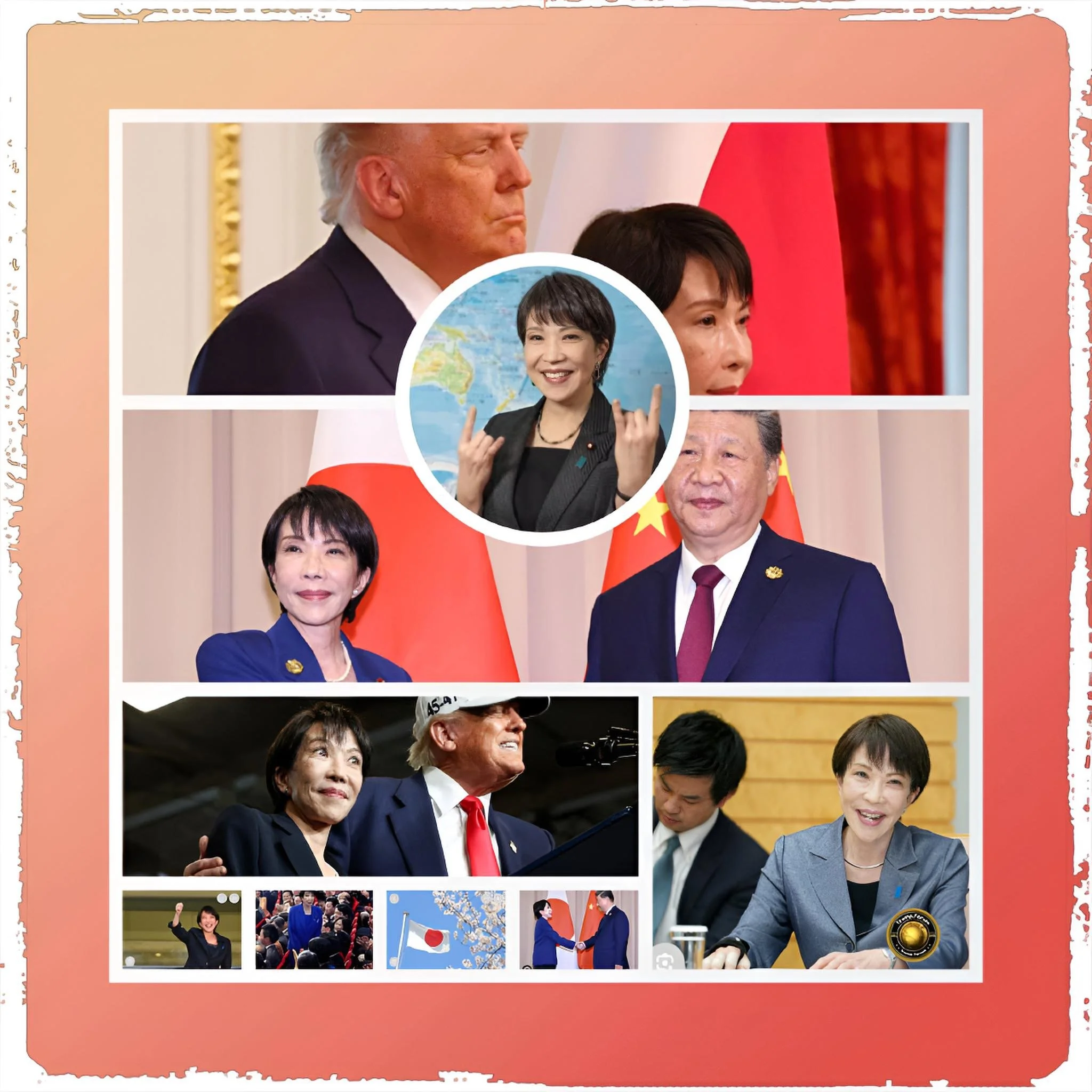
Trump’s Japan Pivot Signals Harder Line on China and Uneasy Allies - Part II
Executive Summary
Trump Embraces Japan’s New Leader as Strategic Pressure Mounts on China
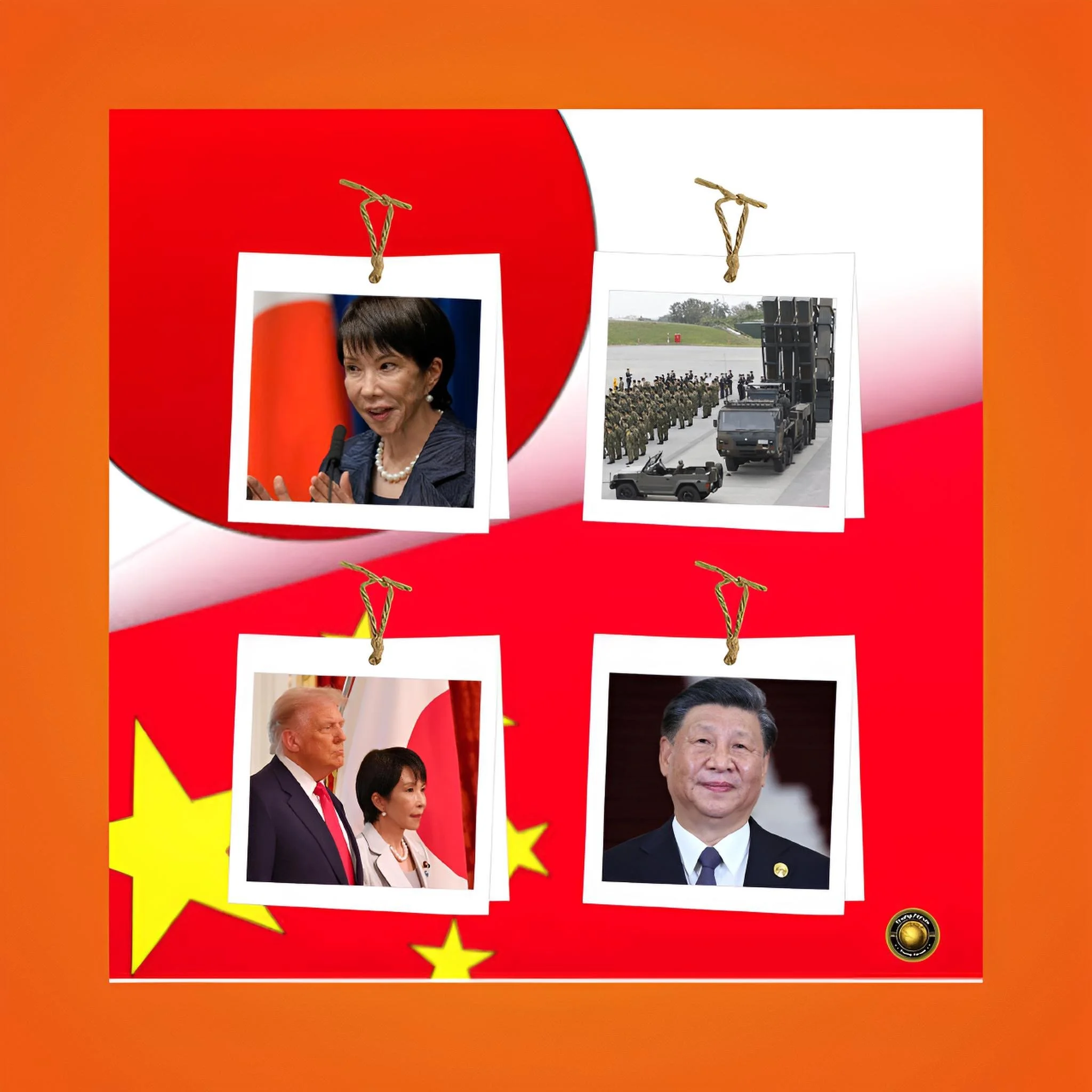
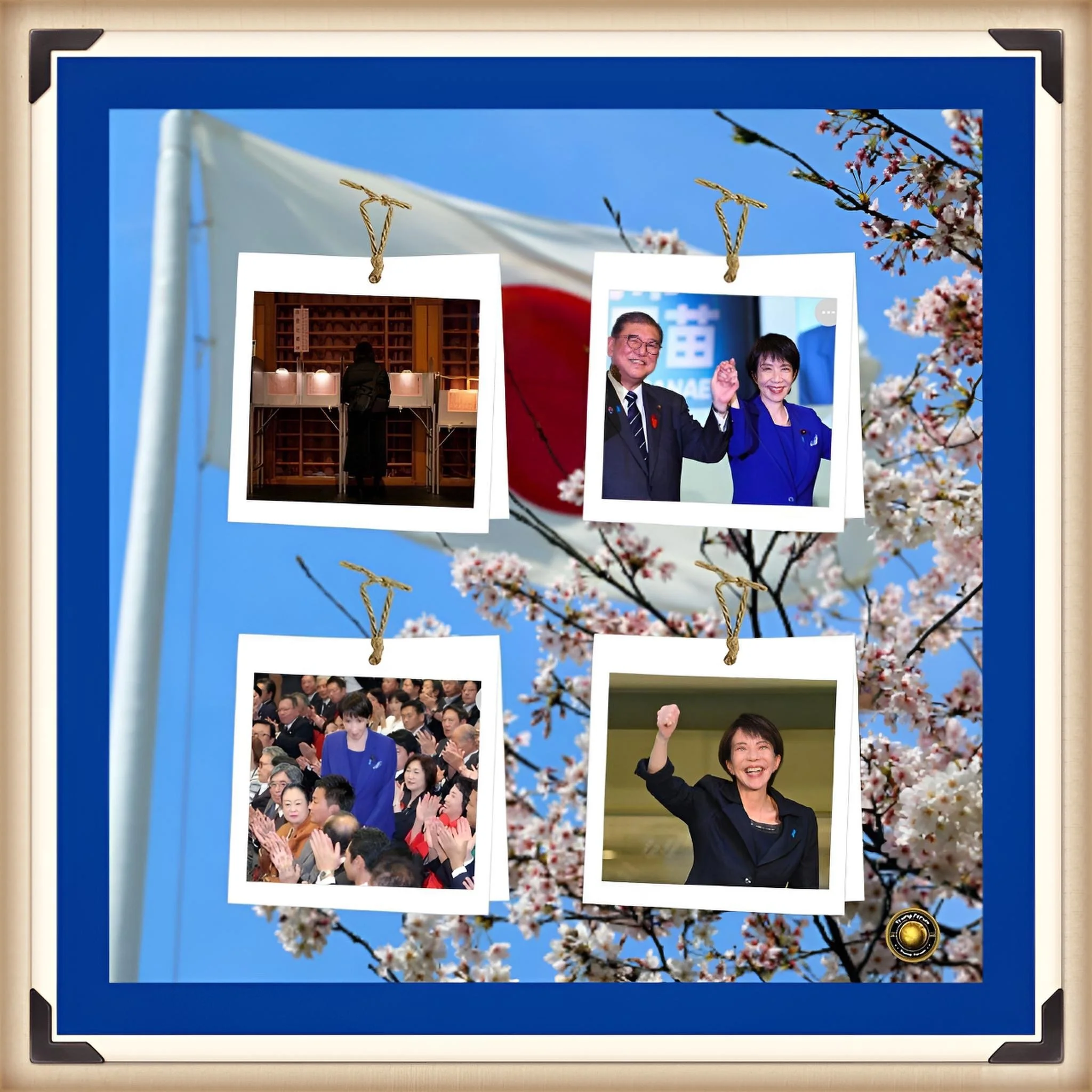
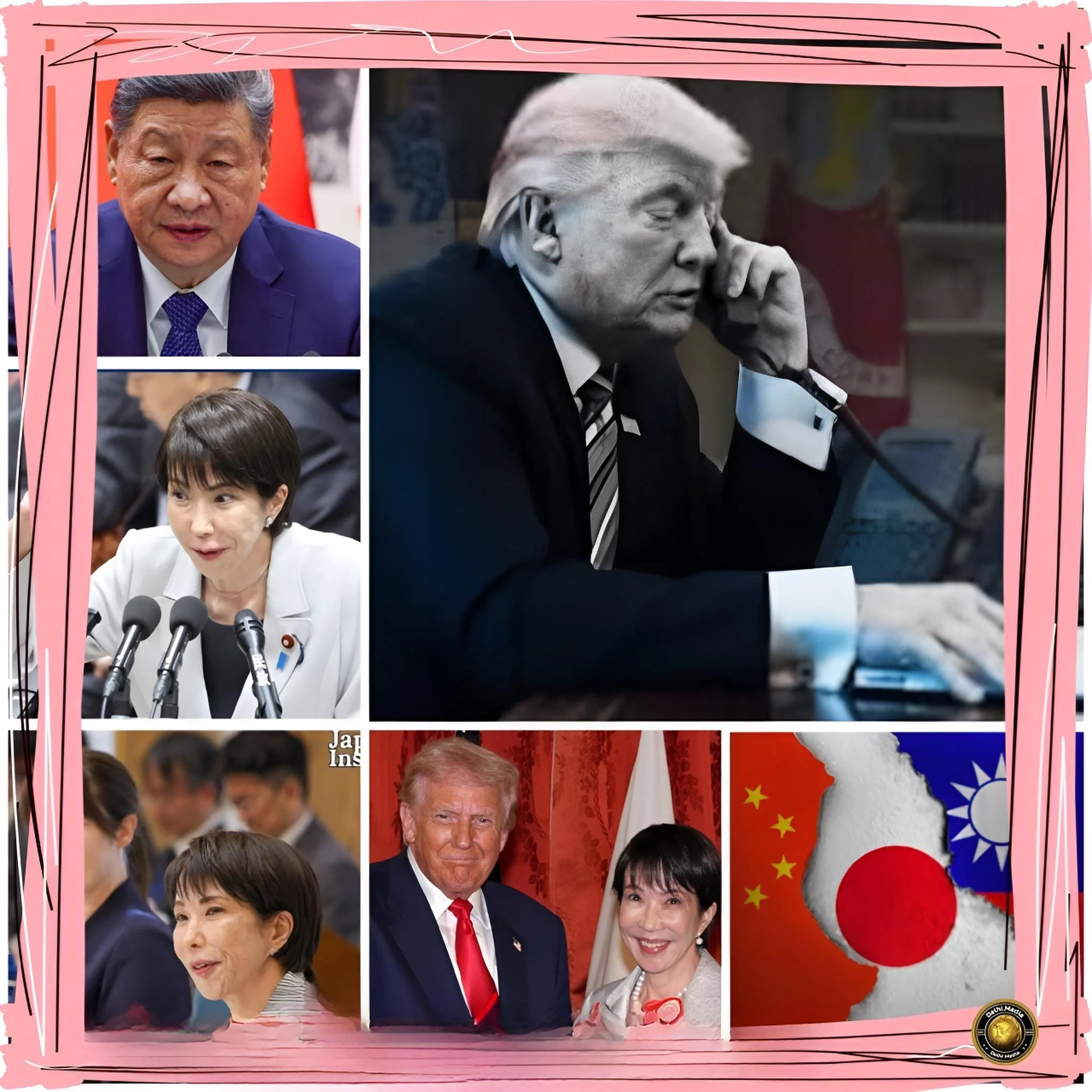
Donald Trump’s enthusiastic reaction to Sanae Takaichi’s landslide victory in Japan reflects more than personal admiration or ideological affinity.
It signals a deliberate recalibration of U.S. grand strategy centered on competitive alignment rather than universal leadership.
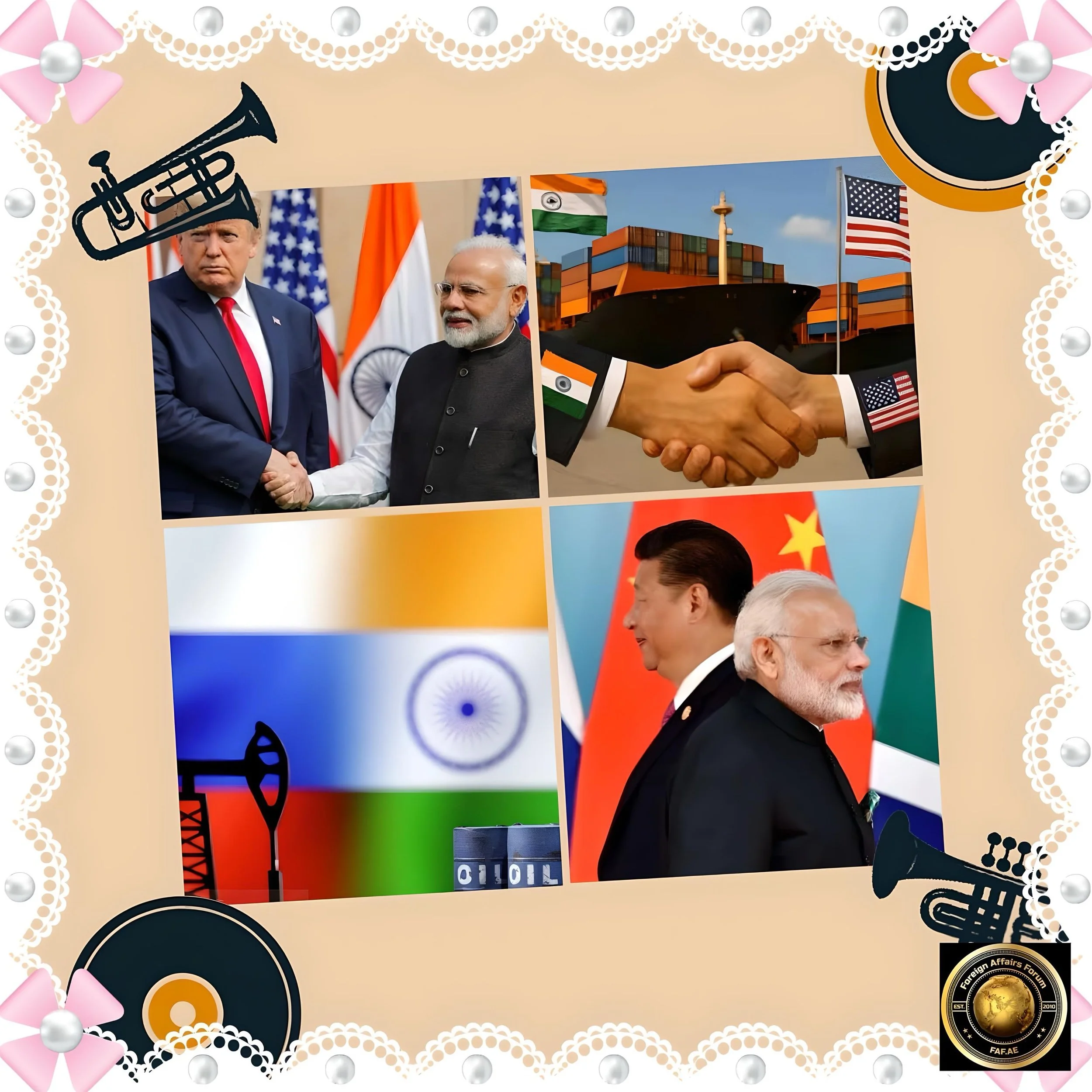
Trump’s increasingly confrontational rhetoric toward China, combined with coercive trade signaling toward allies such as Canada and the United Kingdom, suggests a worldview in which alliances are transactional tools rather than shared-value partnerships.
Japan, under a nationalist and militarily assertive leader, emerges as a pivotal counterweight to China in Trump’s evolving geopolitical map.
This strategy does not assume Chinese dependence on the U.S.; rather, it seeks to constrain China’s freedom of action by empowering regional rivals and restructuring global economic leverage.
Introduction
Japan’s Rightward Turn Fits Trump’s Strategy to Reshape Global Power
Trump’s positive reaction to Takaichi’s victory initially appears paradoxical. Japan has long been a stable ally, not a new convert to American influence.
Yet Trump’s endorsement reveals a deeper logic: strength recognizes strength.
Takaichi’s Japan, unapologetically nationalistic, skeptical of multilateral constraints, and willing to expand military power, mirrors Trump’s own political instincts. The alignment is strategic, not sentimental.
History and Current Status
Trump’s approach to China has evolved from commercial grievance to civilizational rivalry. During his earlier tenure, the focus rested on trade deficits, tariffs, and supply chains.
In the current phase, rhetoric increasingly frames China as a systemic challenger whose economic self-sufficiency reduces U.S. leverage.
Trump no longer assumes China “needs” America; instead, he treats decoupling as both inevitable and exploitable.
At the same time, Trump’s relations with traditional allies have deteriorated.
Canada, once insulated by proximity and institutional trust, is now treated as a competitor subject to punitive tariffs.
The United Kingdom, despite political alignment, faces public criticism when its policies diverge from U.S. trade or industrial priorities.
This pattern suggests not diplomatic drift, but intentional pressure designed to reorder loyalty through cost.
Key Developments
Takaichi’s victory offers Trump a rare opportunity: an ally that seeks greater autonomy without rejecting U.S. power.
Japan’s willingness to raise defense spending, revise constitutional constraints, and challenge China directly reduces America’s burden while amplifying its strategic reach.
Trump’s approval therefore serves as both encouragement and signal, rewarding behavior aligned with U.S. objectives without formal commitments.
Simultaneously, Trump’s intensified rhetoric against China coincides with a broader attempt to fragment China’s external environment. Rather than persuading Beijing, Trump appears focused on surrounding it.
Tariff threats against Canada function less as punishment and more as deterrence against independent alignment with China.
Criticism of European leaders serves to remind them that neutrality carries costs.
Latest Facts and Concerns
The immediate concern among policymakers is coherence. Trump’s strategy lacks the language of alliances but not their function.
Markets remain uneasy, allies uncertain, and adversaries alert.
Critics argue that alienating partners accelerates global multipolarity. Supporters counter that forced choice clarifies loyalties and exposes free-riding.
China’s response has been restrained but firm. Beijing increasingly acts as if U.S. hostility is structural rather than personal, deepening ties with the Global South and insulating its economy from Western pressure.
Cause-and-Effect Analysis
Trump’s endorsement of Japan strengthens Tokyo’s domestic mandate for militarization, which in turn pressures China’s eastern flank.
This provokes Chinese military and diplomatic countermeasures, reinforcing Trump’s narrative of threat.
Tariffs against allies reduce their policy autonomy, driving some closer to China while pushing others back toward Washington out of fear. The result is not alliance collapse, but alliance hardening.
The central effect is strategic polarization. Trump accepts this outcome as preferable to ambiguity. In his framework, a divided world is easier to manage than a fluid one.
What Is Trump Thinking
Trump does not believe China needs the U.S., nor that the U.S. needs China. He believes power lies in leverage, not interdependence.
By strengthening Japan, pressuring allies, and openly confronting China, Trump seeks to redraw the global board into zones of influence where loyalty is explicit and dissent costly.
This is not containment in the Cold War sense, but competitive disruption.
Future Steps
Expect deeper rhetorical and material support for Japan’s security expansion, continued tariff threats as diplomatic tools, and selective reconciliation with allies willing to align fully with U.S. economic priorities.
Engagement with China will remain confrontational but pragmatic, focused on deterrence rather than transformation.
Conclusion
Why Trump Sees Japan’s Political Shift as Leverage Against China
Trump’s reaction to Takaichi’s victory reveals a strategic worldview rooted in pressure, polarity, and power clarity.
Japan is not being used against China so much as elevated alongside the U.S. to constrain it.
Allies are not being abandoned, but tested.
Trump’s thinking is not chaotic; it is transactional, competitive, and unapologetically realist.