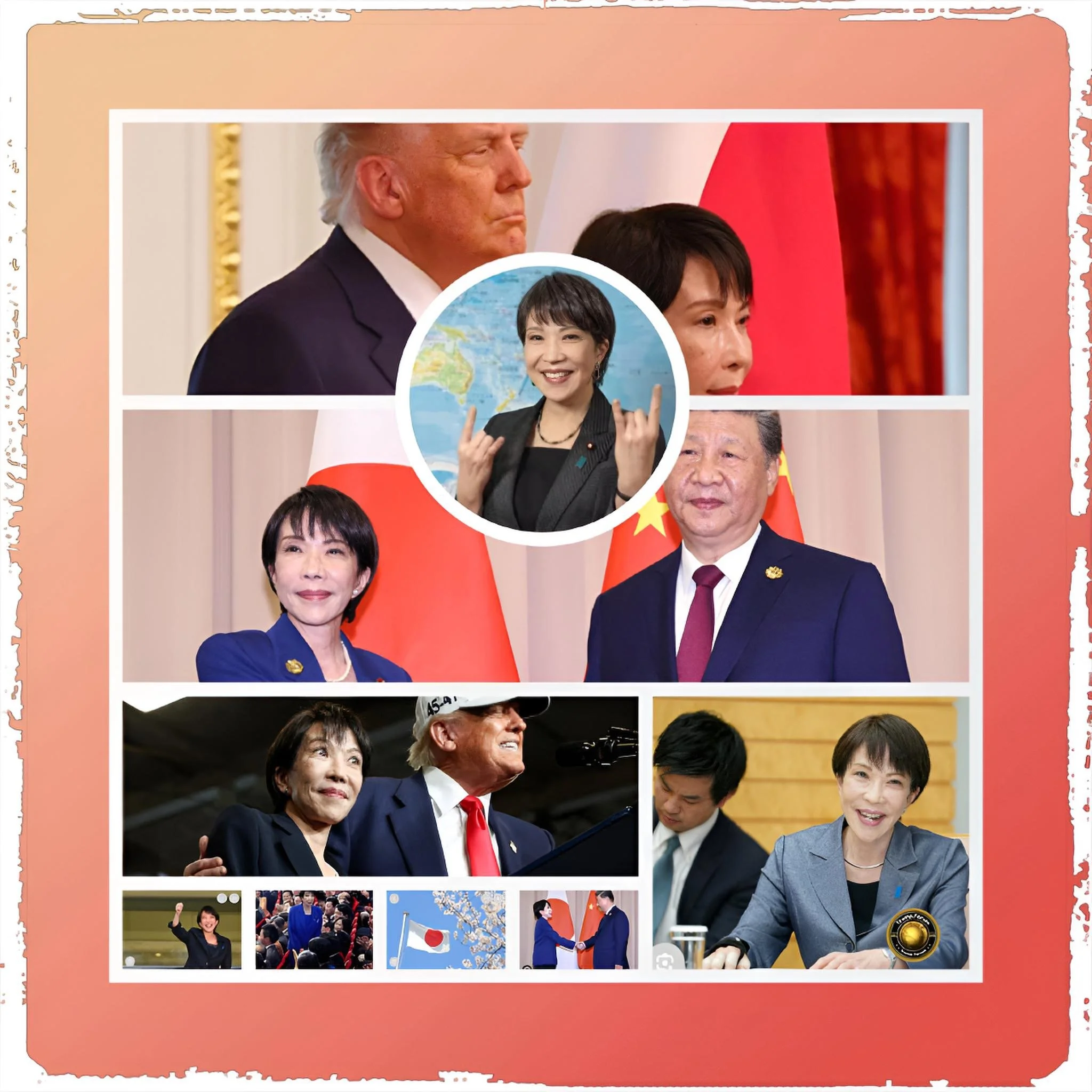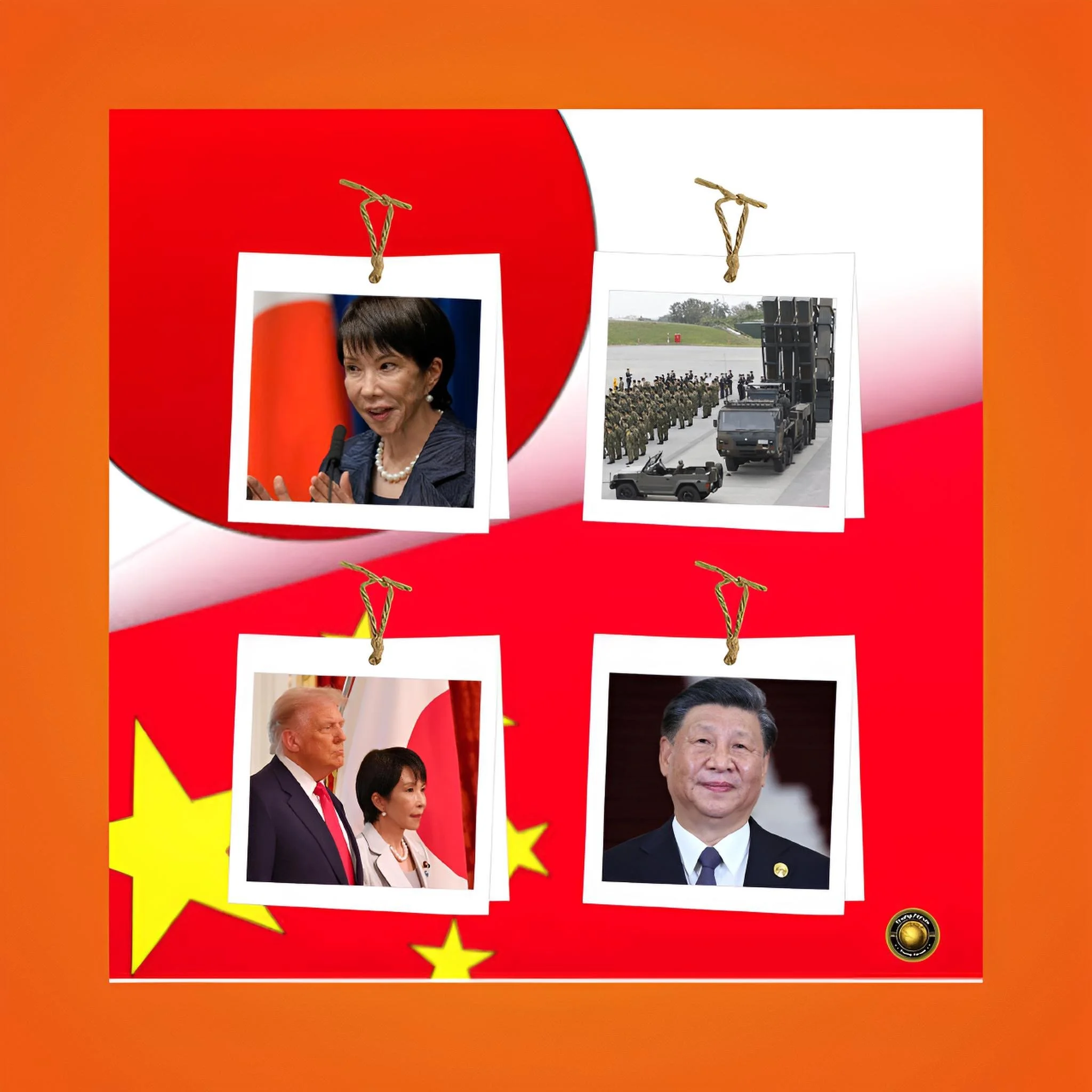
Sanae Takaichi’s Landslide and the Remaking of Japan’s Political Order - Part I
Executive Summary
Sanae Takaichi’s decisive electoral victory on February 8, 2026 marks one of the most consequential turning points in Japan’s postwar history.
With the Liberal Democratic Party securing 316 of 465 seats in the lower house, the government now commands a two-thirds supermajority, granting it rare constitutional latitude.
This mandate empowers Takaichi to accelerate conservative economic reforms, dramatically expand defense spending, and pursue long-deferred constitutional revision, particularly regarding Article 9. International reactions reveal cautious endorsement from Western allies and deep unease in Beijing.
For China, Takaichi’s ascent signals a more assertive Japan aligned closely with U.S. strategic objectives and prepared to counterbalance Chinese power in East Asia.
Introduction
Japan has long been characterized by political stability, incremental reform, and constitutional restraint.
The snap election of February 8, 2026 shattered this equilibrium. Sanae Takaichi, Japan’s 1st female prime minister and the most ideologically conservative leader since the Cold War, secured a landslide victory rarely seen in modern Japanese politics.
Her triumph is not merely electoral; it represents the culmination of ideological realignment within the Liberal Democratic Party and a decisive break from postwar pacifist consensus.
History and Current Status
Since 1945, Japan’s governance has rested on three pillars: export-led economic growth, reliance on the U.S. security umbrella, and constitutional pacifism. Attempts to revise this framework repeatedly faltered due to public skepticism and coalition politics.
Takaichi’s rise reflects growing voter anxiety over stagnating growth, regional insecurity, and perceived national decline. By 2026, inflationary pressures, demographic contraction, and intensifying Chinese military activity created fertile ground for a nationalist platform promising renewal through strength and sovereignty.
Key Developments
Takaichi’s economic agenda is rooted in conservative interventionism rather than neoliberal austerity.
Her administration advocates targeted industrial policy, prioritizing semiconductor manufacturing, defense technology, AI, and energy resilience.
Corporate tax incentives are being restructured to reward domestic reinvestment rather than overseas expansion.
Labor reform seeks to reverse wage stagnation through state-guided wage targets while limiting reliance on temporary foreign labor.
Defense policy represents the most dramatic shift. Defense spending is scheduled to exceed 2% of GDP by 2028, moving Japan firmly beyond its postwar norm.
Procurement priorities include long-range strike missiles, space-based surveillance, cyber warfare units, and expanded naval capacity. Japan’s Self-Defense Forces are being rebranded institutionally and culturally as a standing military force in all but name.
Constitutional revision is the linchpin of Takaichi’s mandate.
The government seeks formal recognition of the Self-Defense Forces within the constitution and reinterpretation of Article 9 to permit collective self-defense without ambiguity.
Unlike previous efforts, the current supermajority makes parliamentary passage highly probable, leaving a national referendum as the final hurdle.
Latest Facts and Concerns
Public approval remains above 60%, though resistance persists among urban youth and older pacifist constituencies.
Business confidence has risen sharply, with ¥ strengthening modestly amid expectations of fiscal discipline.
Critics warn of ballooning debt and social polarization, while civil society groups fear erosion of democratic norms.
Reaction of World Leaders
Washington has openly welcomed the result, framing it as a strengthening of the U.S.–Japan alliance.
European leaders have responded cautiously, endorsing economic reform while urging restraint on constitutional changes.
South Korea’s reaction is mixed, balancing shared security concerns with historical sensitivities.
Southeast Asian governments express quiet approval, viewing Japan as a stabilizing counterweight to China.
China’s response has been sharply critical. State media describes Takaichi as reviving militarism and undermining regional peace.
Diplomatic channels remain open, but military signaling around the East China Sea has intensified.
Cause-and-Effect Analysis
The landslide victory directly enables constitutional change, which in turn legitimizes expanded military capabilities.
This recalibration alters regional deterrence dynamics, emboldening Japan while provoking Chinese countermeasures.
Economically, state-guided capitalism may revitalize strategic sectors but risks inefficiency and fiscal strain.
Politically, Takaichi’s dominance weakens factionalism but concentrates power in the executive.
What the Win Means for China
For Beijing, Takaichi’s Japan represents a strategic setback.
A constitutionally unconstrained Japan aligned with U.S. Indo-Pacific strategy complicates China’s ambitions in the Taiwan Strait and East China Sea.
Japan’s increased defense spending forces China to divert resources northward, diluting focus on the South China Sea.
Symbolically, Japan’s ideological shift challenges China’s narrative of postwar Asian pacifism under Chinese leadership.
Future Steps
The government’s immediate focus is passing constitutional amendments through parliament by late 2026, followed by a national referendum in 2027.
Defense procurement acceleration and economic legislation will proceed in parallel. Diplomatically, Tokyo will deepen trilateral cooperation with Washington and Seoul while expanding outreach to India and ASEAN.
Conclusion
Sanae Takaichi’s victory is not simply a political triumph but a structural transformation of Japan’s national identity.
Economic nationalism, military normalization, and constitutional revision collectively signal the end of Japan’s postwar era. For allies, this is a welcome assumption of responsibility.
For China, it is a strategic recalibration with lasting consequences. Japan has chosen strength over restraint, and Asia’s balance of power will adjust accordingly.