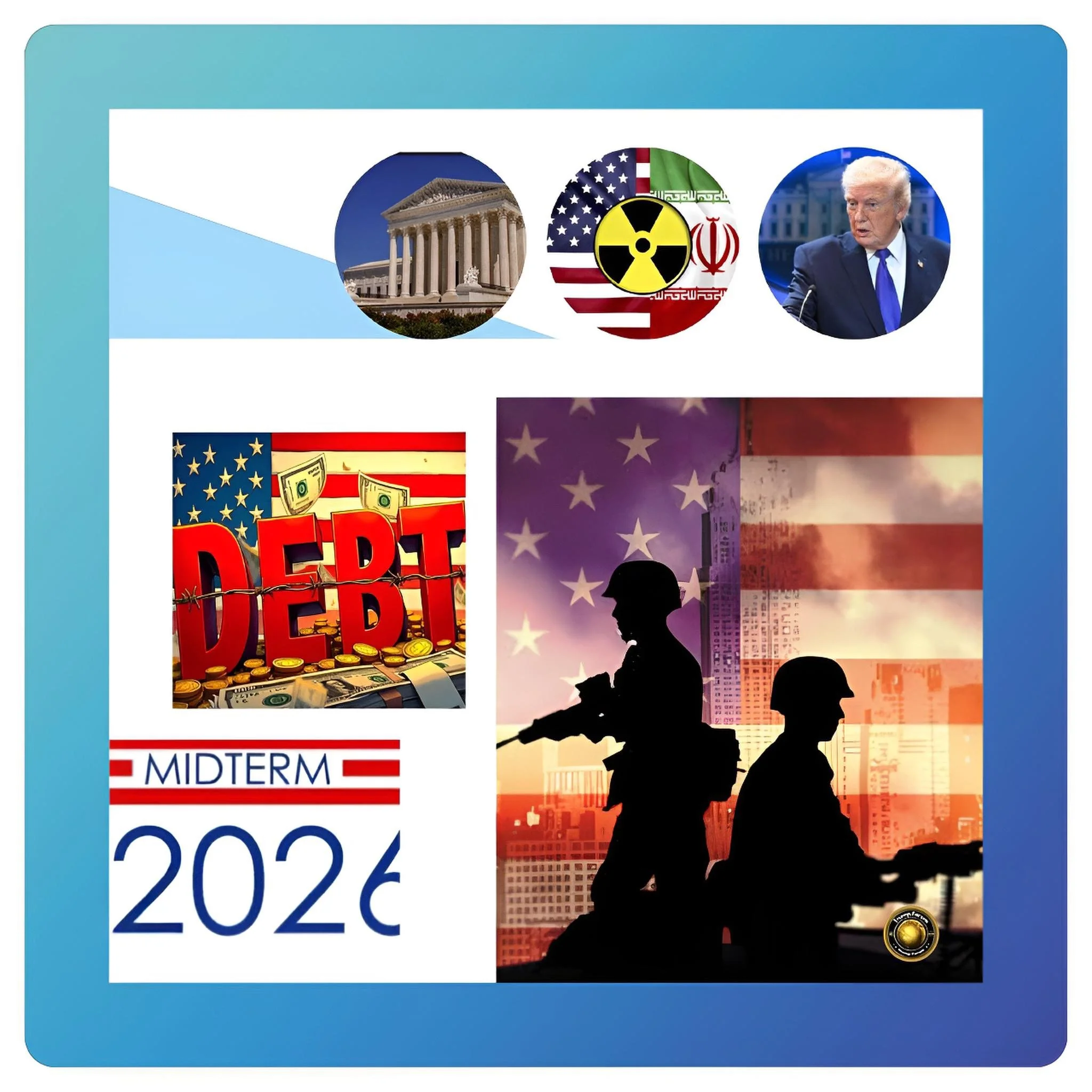
Debt, Diversion, and Deterrence: Iran, Strategic Risk, and America’s Political Calculus
Executive Summary
From Tariffs to Tensions: Is Strategic Escalation a Dangerous Distraction?
The possibility of confrontation between the United States and Iran raises profound strategic, economic, and political questions.
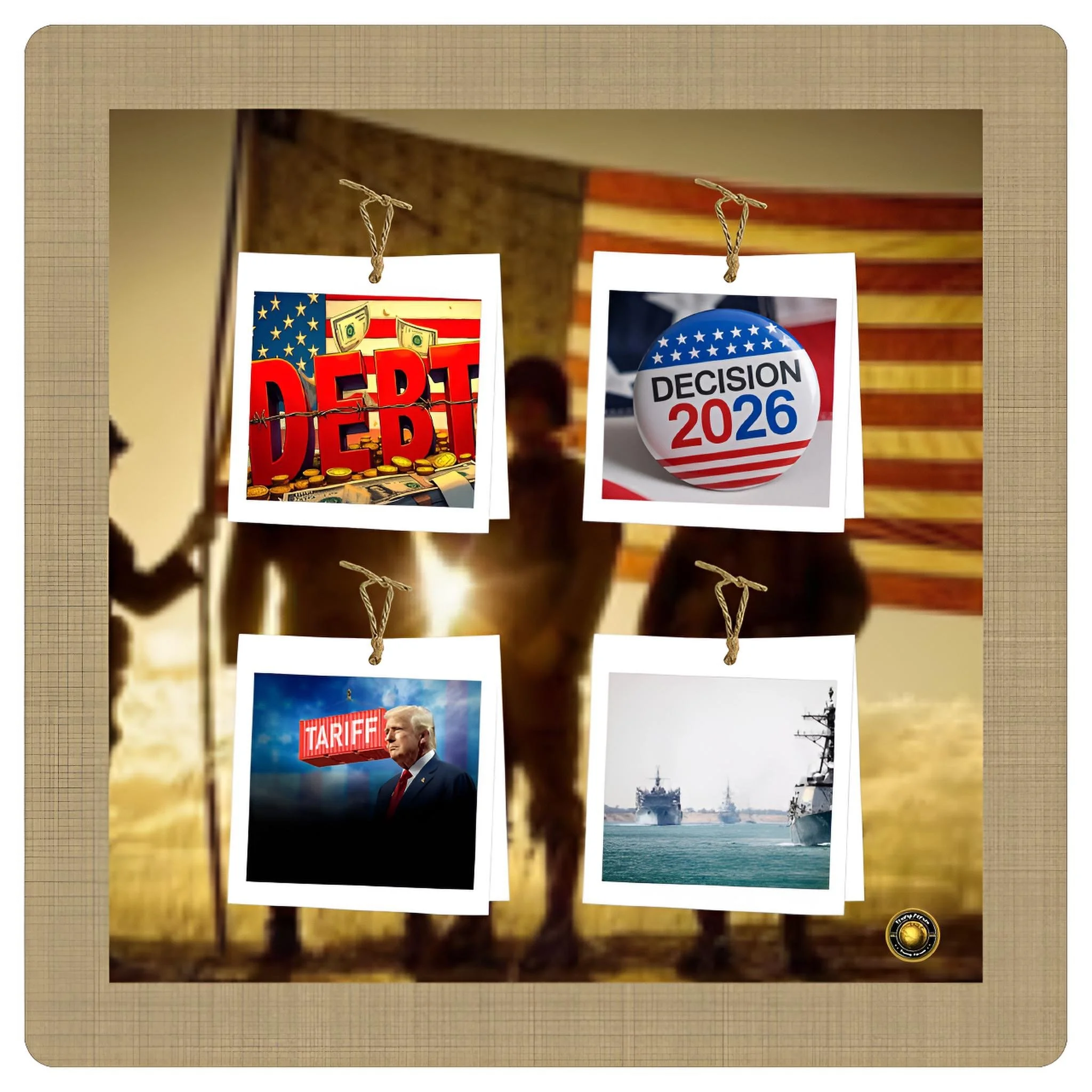
With U.S. national debt approaching $38.7 trillion and estimates suggesting more than $16 trillion linked to post-9/11 wars and associated long-term obligations, the sustainability of continued military engagement is under scrutiny.
Against this backdrop, speculation has emerged that renewed external confrontation could serve domestic political objectives, particularly ahead of midterm elections.
Simultaneously, the recent decision by the Supreme Court of the United States limiting tariff authority has altered the administration’s economic leverage.
The interaction between foreign policy risk, fiscal strain, and domestic political vulnerability under Donald Trump frames a moment of unusual volatility.
Whether strategic escalation would strengthen deterrence or trigger another costly entanglement remains uncertain.
Introduction
Debt, Deterrence, and Diversion: The Strategic Gamble of Confronting Iran
War, Debt, and Political Incentives
The United States has historically oscillated between restraint and intervention in the Middle East. Military operations in Iraq and Afghanistan reshaped regional balances but imposed extraordinary fiscal burdens.
Today, as geopolitical tensions intensify and Iran expands its regional posture through proxies, policymakers confront the possibility of renewed confrontation.
The concern is not solely military feasibility. It is fiscal capacity and political sustainability. With debt levels near historic highs relative to GDP, additional prolonged conflict would likely increase borrowing costs, strain public support, and intensify partisan polarization.
Historical Background
From Containment to Regime Pressure
U.S.–Iran relations have been adversarial since 1979. Sanctions, covert operations, nuclear negotiations, and proxy conflicts have defined the relationship.
The 2015 nuclear agreement briefly reduced tensions, but subsequent withdrawal reignited confrontation.
Escalatory cycles, including targeted strikes and maritime incidents, demonstrate how quickly limited crises can spiral.
The broader American pattern since 2001 illustrates structural difficulty in achieving decisive political outcomes through military means.
Iraq and Afghanistan both absorbed trillions in direct and indirect expenditures. Veterans’ care, interest payments, and long-term reconstruction amplified costs.
Current Status
Fiscal Strain and Strategic Ambiguity
The U.S. national debt stands at approximately $38.7 trillion. Interest payments consume a growing share of federal expenditure.
Defense spending remains above $800 billion annually.
Any sustained operation against Iran would require naval deployments, missile defense systems, and regional basing reinforcement.
Iran, meanwhile, has invested asymmetrically. It relies on missile stockpiles, drone warfare, and proxy networks in Lebanon, Syria, Iraq, and Yemen.
Direct invasion scenarios appear unlikely; limited strikes or maritime confrontation are more plausible. Yet limited actions often generate unintended escalation.
The political environment further complicates calculations.
Trump’s approval ratings fluctuate, and historical precedent shows how foreign crises sometimes temporarily rally domestic support. However, prolonged or unsuccessful wars can produce the opposite effect.
Key Developments
Tariffs, Doctrine, and Regional Signals
The Supreme Court’s restriction of tariff authority removed a major economic instrument.
Without expansive trade tools, strategic leverage shifts toward sanctions or security signaling.
Some observers suggest that intensified regional posture could serve as compensatory demonstration of strength.
The reinterpretation of hemispheric doctrine emphasizing assertive American primacy has also unsettled Latin American and Middle Eastern partners.
If extended rhetorically to broader theaters, it risks framing global politics as zero-sum confrontation.
Latest Facts and Global Reactions
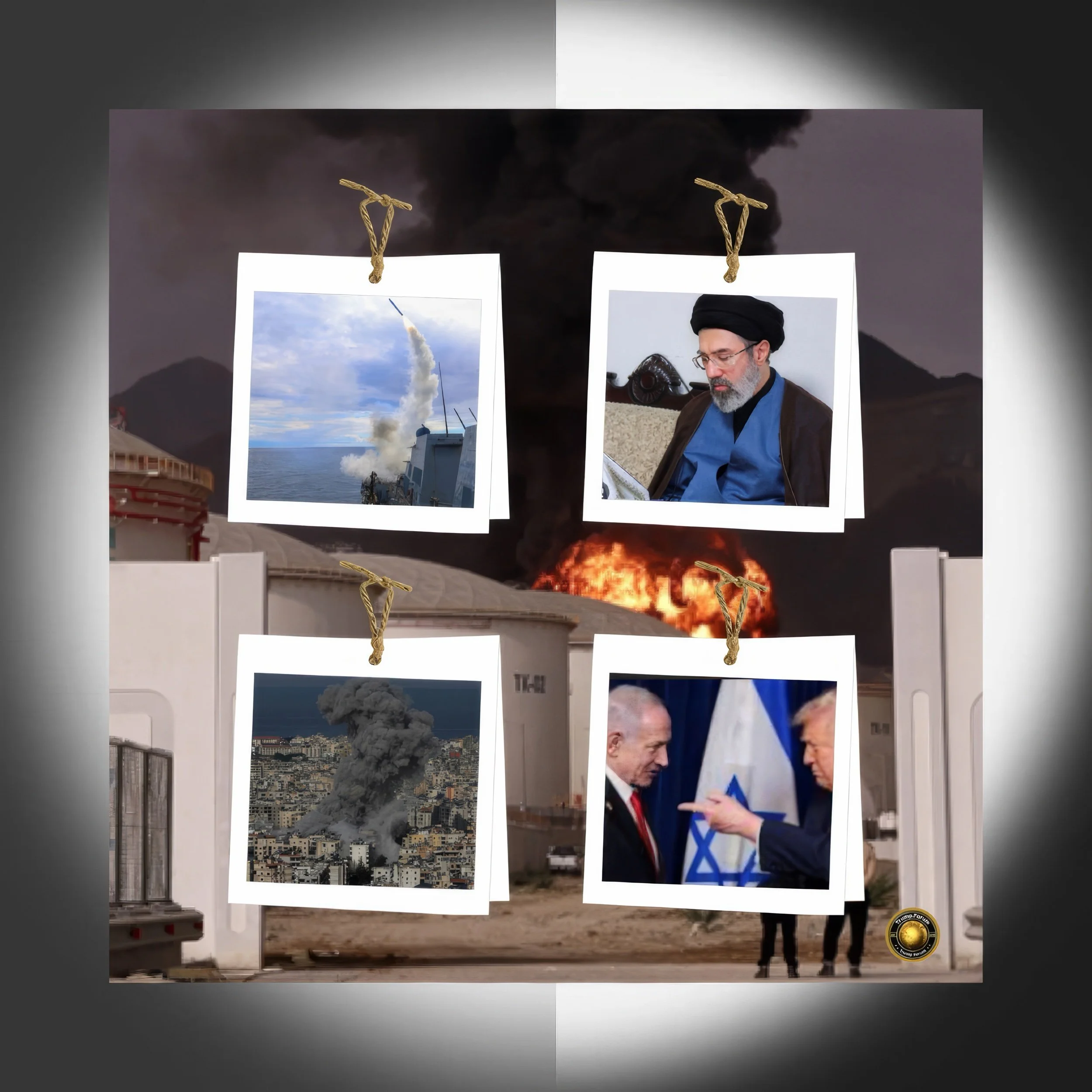
Recent exchanges in the Gulf, including drone interceptions and maritime seizures, highlight volatility. Oil markets react sharply to perceived escalation, influencing inflation and consumer costs globally.
Real-time comments from six world leaders underscore concern.
Emmanuel Macron recently stated that “further militarization would destabilize the entire region.”
Olaf Scholz emphasized the importance of diplomatic containment. Rishi Sunak warned that miscalculation could harm global growth.
Narendra Modi stressed energy security and stability. Xi Jinping called for restraint and dialogue.
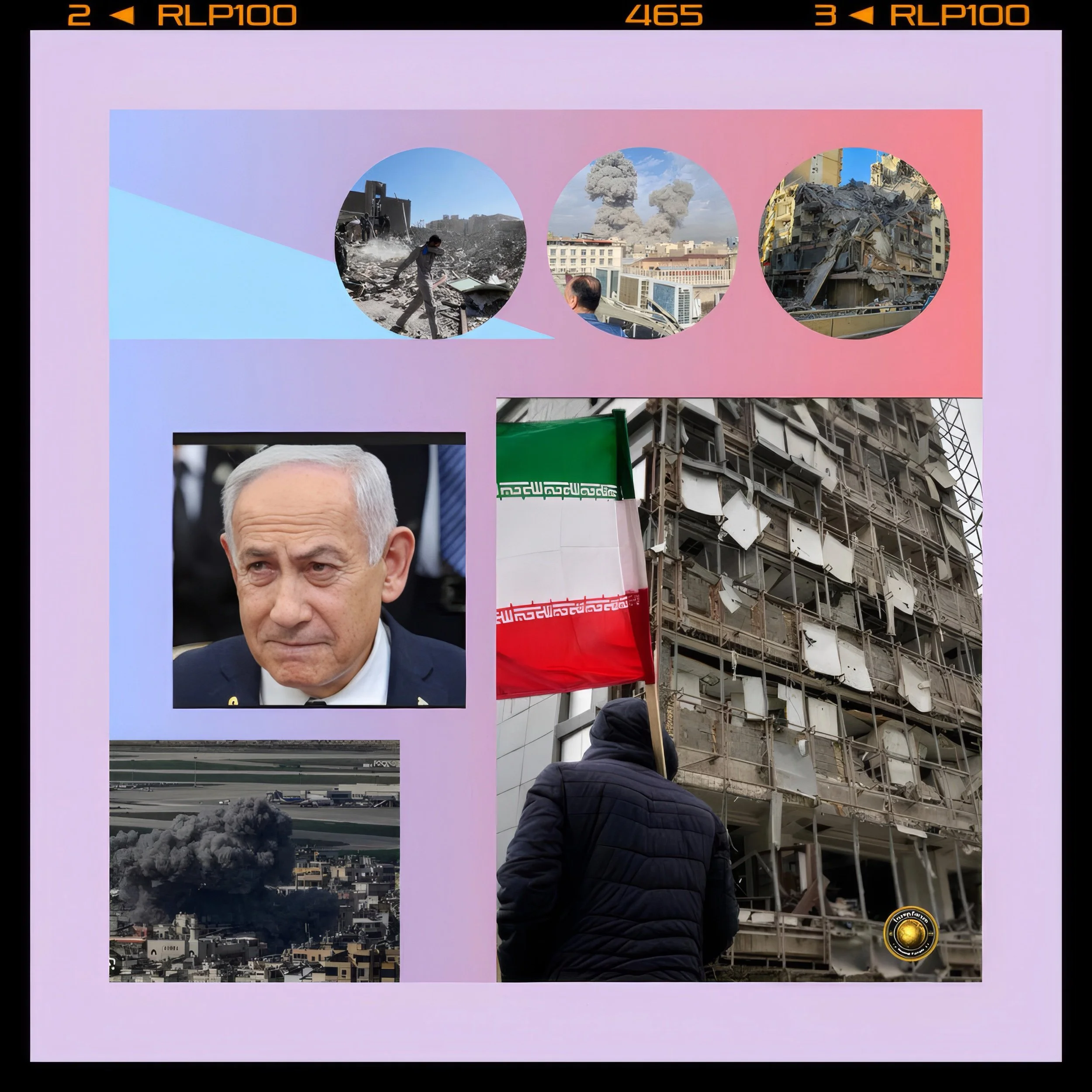
Benjamin Netanyahu reiterated Israel’s determination to prevent Iranian nuclear capability while urging U.S. coordination.
These reactions reflect varied interests: European economic caution, Asian energy dependence, Israeli security imperatives.
Cause-and-Effect Analysis
$38.7 Trillion and Rising: The Fiscal Risks of Another Middle East War
Diversion or Deterrence
The hypothesis that foreign confrontation could divert attention from domestic setbacks rests on political history.
Short-term approval spikes have followed decisive military actions. However, prolonged engagements often reverse initial gains.
The memory of Vietnam damaged presidential credibility, and the Watergate-era approval collapse of Richard Nixon to 24% illustrates how political crises compound.
If escalation with Iran were perceived as unnecessary or unsuccessful, it could deepen fiscal anxiety and erode public trust.
Financial markets might respond negatively, increasing borrowing costs and weakening the dollar.
Oil price surges could intensify inflation, harming consumers.
Conversely, a calibrated show of force that successfully deters Iranian expansion without prolonged conflict might reinforce perceptions of strength.
The margin between deterrence and entanglement, however, is narrow.
Long-Term Fallout
A full-scale conflict could destabilize Iraq, Lebanon, and the Gulf states. Refugee flows might increase.
Energy corridors could be disrupted. U.S. alliances might fracture over burden-sharing disagreements.
Recovery from such destabilization could require years, potentially setting diplomatic influence back decades.
Future Strategic Options
Alternative approaches include intensified multilateral diplomacy, regional security frameworks, cyber deterrence, and targeted sanctions.
Fiscal consolidation at home could strengthen credibility abroad. Strategic patience may preserve leverage without immediate escalation.
Conclusion
Midterms and Missiles: Could Foreign Escalation Reshape America’s Political Future?
The Cost of Miscalculation
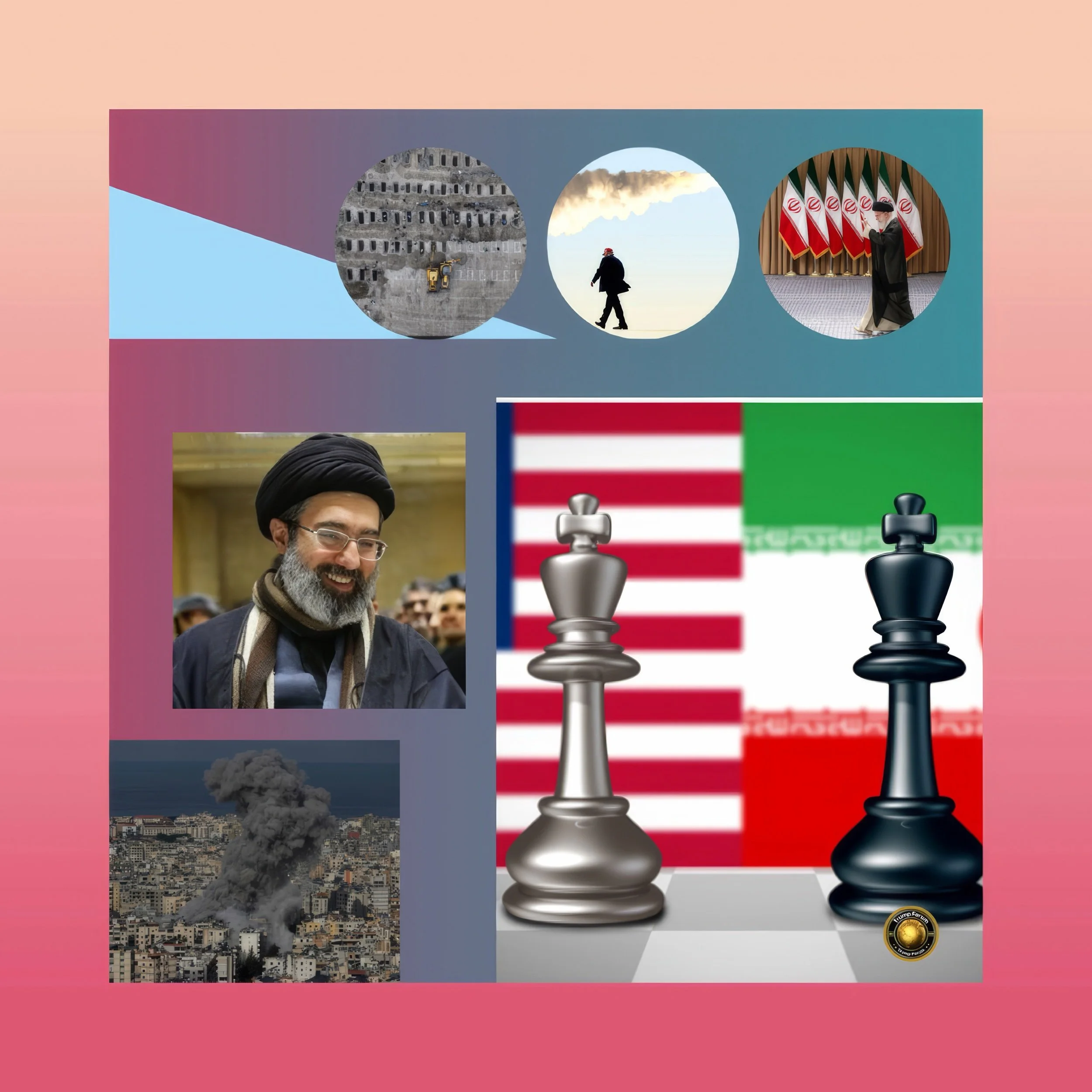
The convergence of high debt, electoral politics, and geopolitical rivalry creates a dangerous policy environment.
War with Iran is not predetermined, but neither is stability guaranteed.
If confrontation becomes a substitute for domestic strategy, consequences could be severe. If restraint prevails, diplomatic space may widen. The stakes involve not only military balance but economic resilience and democratic legitimacy.