War, Debt, and Politics: Could Conflict with Iran Backfire?
Executive Summary
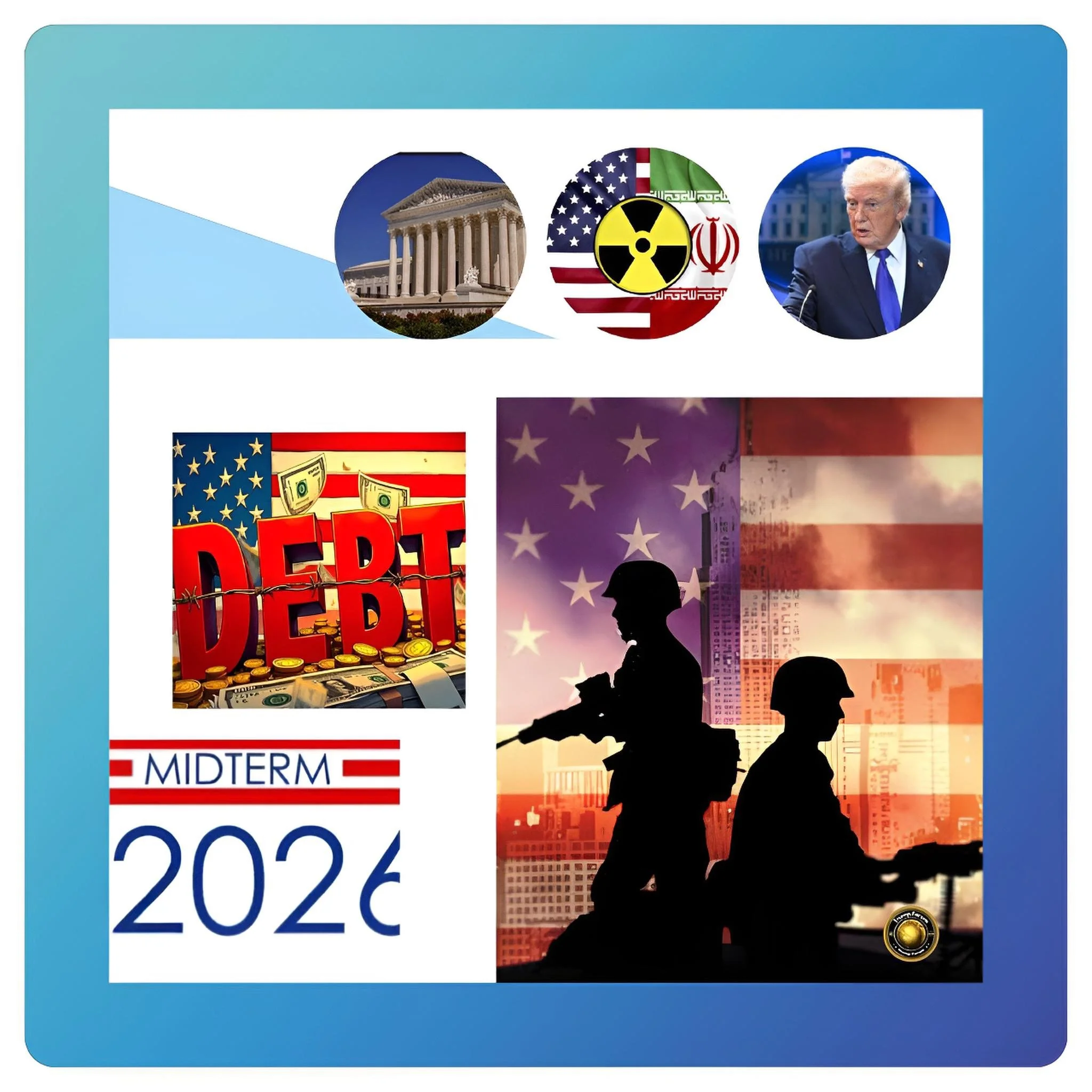
The United States faces high debt and rising tensions with Iran.
Some people worry that a new conflict could increase spending, raise oil prices, and hurt political stability.
Others believe strong action might show leadership.
FAF article explains the risks in simple terms.
Introduction
Why This Moment Matters
The U.S. owes about $38.7 trillion.
That is a very large number. Imagine a family earning $100,000 per year but owing millions. Interest payments alone become heavy.
Now imagine that same family deciding to start another expensive project.
That is how some critics see the risk of war.
Past Wars and Their Costs
Since 2001, the U.S. fought long wars in Iraq and Afghanistan.
These wars cost trillions.
Veterans need long-term care.
Equipment must be replaced.
Borrowed money creates interest payments.
Taxpayers ultimately cover these costs.
Tensions with Iran
Iran and the U.S. have disagreed for decades.
There have been sanctions, threats, and small clashes. Iran uses drones and regional allies.
The U.S. has strong naval forces in the Gulf.
A small incident, like a drone strike or ship seizure, could grow into a bigger fight.
Politics and Midterms
Some analysts ask whether foreign conflict could shift attention away from domestic issues before elections.
History shows mixed results. After short military actions, approval sometimes rises. But long wars can lower approval.
For example, President Richard Nixon’s approval once fell to 24% during crisis.
Economic Effects
If war breaks out, oil prices could rise. When oil rises, gasoline becomes expensive.
When gasoline becomes expensive, families spend less on other things. Inflation can increase.
The government might borrow even more money, adding to the debt.
Global Reactions
Leaders around the world have called for calm. France and Germany warn about instability.
India worries about energy supplies.
China calls for dialogue.
Israel stresses security concerns.
Different countries have different priorities, but most fear chaos.
Could It Backfire?
Yes, it could. If the war becomes long and costly, public support might fall. Markets might drop. Interest payments on the debt could grow.
That would make the economic problem worse.
Is There Another Way?
Diplomacy, sanctions, and regional talks are possible alternatives. Strength does not always mean fighting. Sometimes it means preventing fights.
Conclusion
War with Iran is not certain, but it carries risks. High debt makes new conflict more dangerous. Political leaders must balance security with economic reality.
The wrong move could cost not only money, but also long-term influence.