Executive Summary
Many people believe that Russia was always going to become authoritarian again after the Soviet Union collapsed.
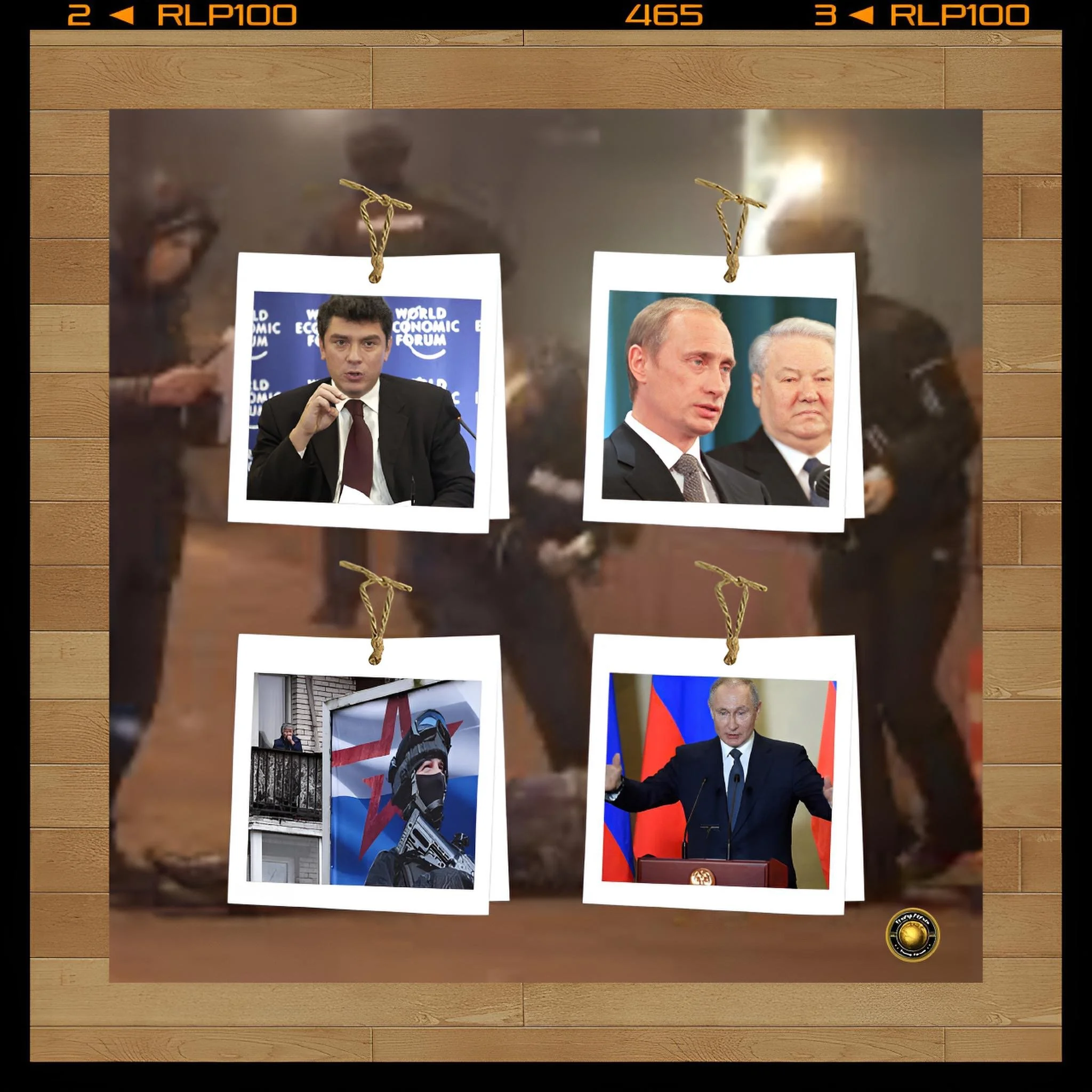
But the life of Boris Nemtsov shows that another path was possible.
He wanted a more open Russia with free elections, honest courts, and closer ties to Europe.
FAF article explains why Putin rose, why Nemtsov failed to win power, and whether events could have been different
Introduction
Two Different Futures
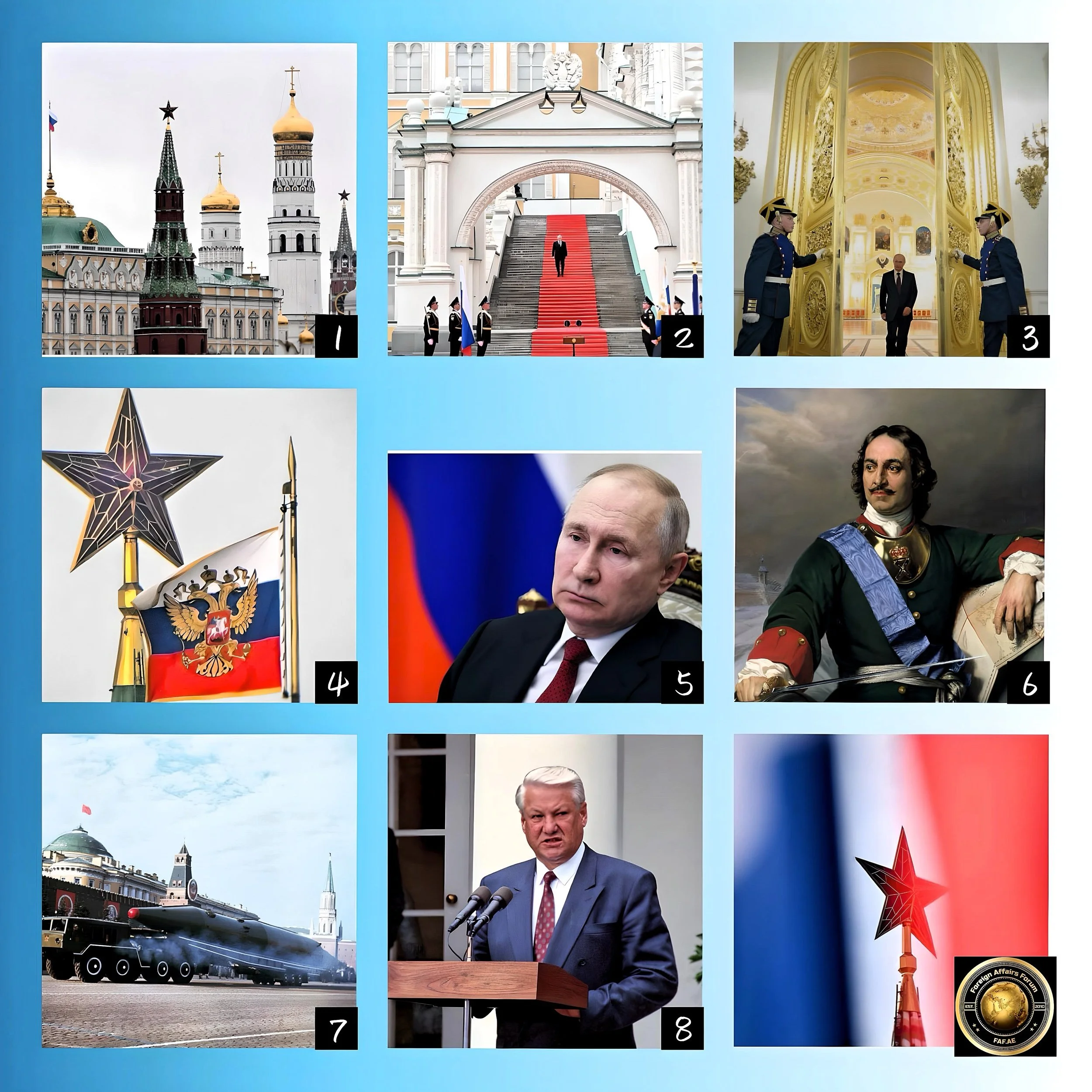
After the Soviet Union ended in 1991, Russia had to decide what kind of country it wanted to be. Boris Yeltsin became president.
Later, he chose Vladimir Putin to replace him.
But some believed Boris Nemtsov should have been the true political heir.
Putin promised order. Nemtsov promised freedom with rules.
The 1990s:
Freedom and Chaos
In the 1990s, Russia changed very fast. State companies were privatized. Prices increased quickly. Many people lost savings.
Crime increased.
For example, a factory worker who once had a stable job suddenly faced unpaid wages.
Because life became unstable, people started to prefer a strong leader who could restore order.
Putin’s Rise
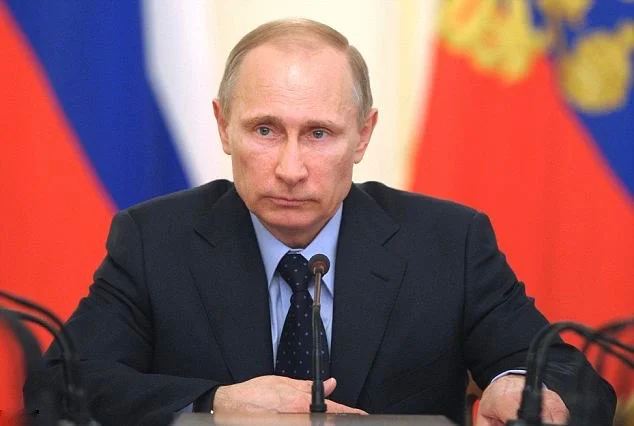
Putin came from the security services. He spoke about strength and national pride.
When fighting resumed in Chechnya, he promised to defeat terrorism.
Many citizens supported him because they were tired of weakness.
Television networks came under state control. Regional leaders lost independence. Over time, elections became less competitive.
Alternative
Nemtsov believed Russia could become like a European democracy.
As governor of Nizhny Novgorod, he reduced corruption and supported private business.
He argued that long-term prosperity depends on law and transparency.
For example, he warned that if leaders steal public money, hospitals and schools will suffer.
Why He Failed?
Nemtsov faced many obstacles. State television rarely showed his views.
Opposition rallies were restricted. Many voters associated liberal reform with the painful 1990s.
When oil prices were high, living standards improved, and people felt less need for political change.
His Death and Its Meaning?
In 2015, Nemtsov was shot near the Kremlin.
The murder shocked the world. It showed how dangerous opposition politics had become.
Many Russians felt fear.
Some stopped protesting. His death symbolized the shrinking space for dissent.
Was It Inevitable?
Some say yes because Russia has a long history of strong rulers. Others say no because leadership choices matter.
If Yeltsin had chosen differently, or if institutions had been stronger, events might have changed.
Countries are shaped by decisions, not only by history.
World Leaders React!
Leaders across the world expressed concern. Donald Trump said stability is important but political violence is troubling.
Emmanuel Macron praised Nemtsov’s courage. Olaf Scholz emphasized rule of law.
Rishi Sunak called the killing tragic.
Narendra Modi encouraged dialogue.
Xi Jinping focused on sovereignty and partnership.
The Future
Russia’s future is uncertain. Young generations use digital tools to share ideas.
Economic challenges may pressure leaders. Change could come slowly.
Or the current system may continue for many years.
Conclusion
Putin’s rule was not guaranteed from the beginning. Fear, economic crisis, and political decisions shaped the outcome.
Nemtsov’s life proves another future was possible. Whether that future can return depends on new leaders and new choices.