Power Without Occupation: The Uncertain Aftermath of Iran Regime Decapitation
Executive Summary
A potential war between the United States and Iran would likely be swift, technologically intensive, and designed to avoid occupation.
President Donald Trump has consistently rejected prolonged ground entanglements, framing the Iraq invasion as a “big fat mistake.”
If conflict erupts, Washington’s strategy would likely center on decapitation strikes against senior political and military leaders, including figures within the Islamic Revolutionary Guard Corps. The aim would be regime collapse without responsibility for reconstruction.
The FAF article explores four plausible postwar trajectories: managed military succession, revolutionary fragmentation, externally influenced transition, and state failure leading to regional spillover.
Each scenario carries profound implications for Gulf security, energy markets, Israel’s security doctrine, and global great-power competition.
Introduction
War Without Occupation
The prospect of war between Washington and Tehran has long oscillated between brinkmanship and deterrence.
Yet if hostilities begin, they would almost certainly reflect 21st-century doctrine: overwhelming air and missile strikes, cyber disruption, special operations raids, and intelligence-enabled leadership targeting.
The killing of Qassem Soleimani in 2020 established a precedent. So too did Israel’s elimination of Hassan Nasrallah, the longtime head of Hezbollah.
These operations demonstrated the strategic logic of decapitation: disrupt command cohesion, erode morale, and force recalculation without invading.
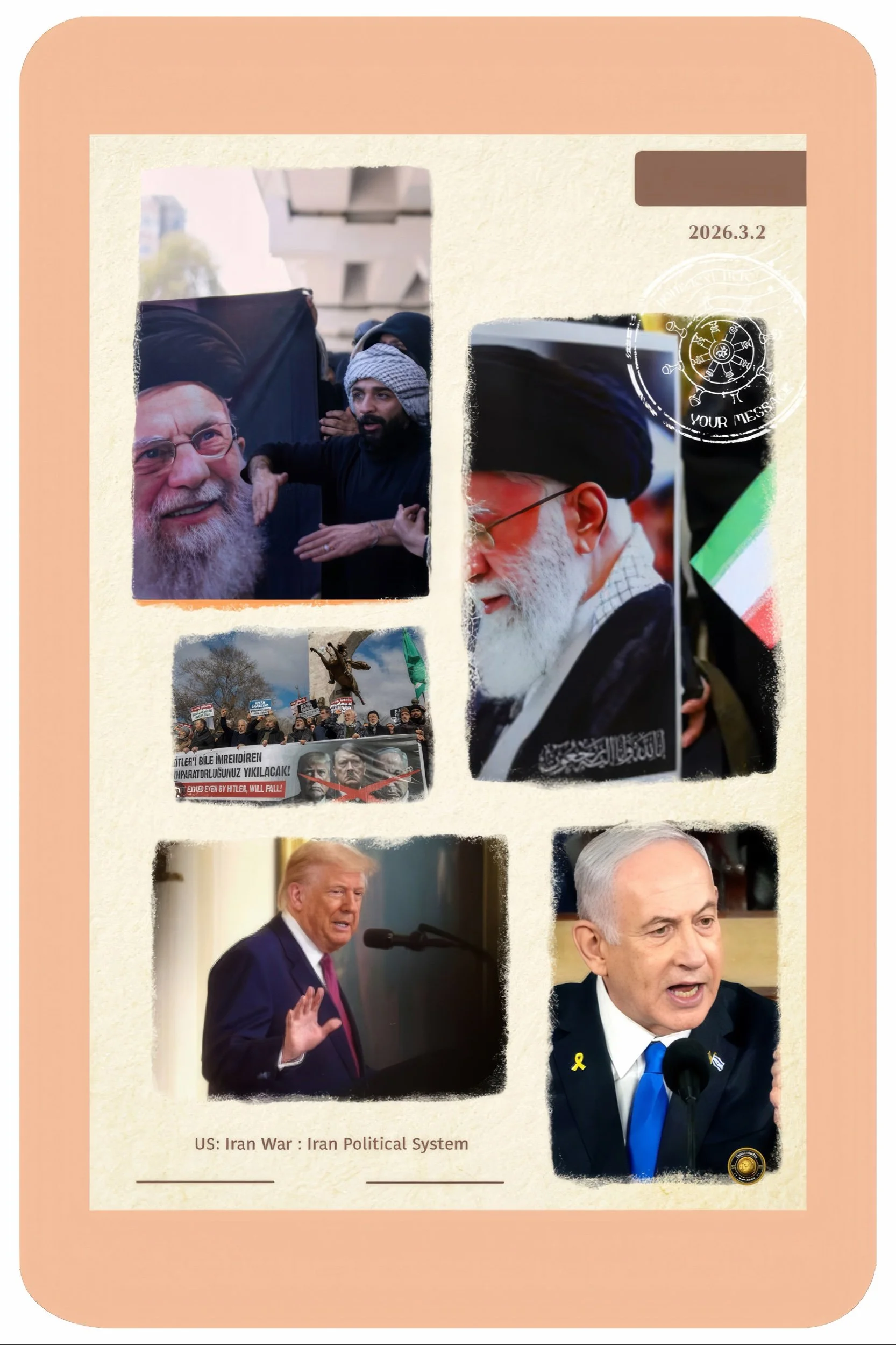
Iran’s Supreme Leader, Ali Khamenei, presides over a hybrid theocratic-military state. Tehran understands that its leadership and security architecture are the primary targets in any war scenario.
Months of counterintelligence sweeps, mobilization of Basij forces, and hardening of nuclear and missile facilities suggest preparation for precisely such a contingency.
Yet regime collapse does not automatically produce regime change. The aftermath is more unpredictable than the strike itself.
History and Current Status
From Revolution to Militarized Theocracy
Since 1979, the Islamic Republic has fused clerical authority with military guardianship.
The IRGC evolved from a revolutionary militia into an economic empire and strategic actor. It controls vast sectors of industry, infrastructure, and energy, while commanding expeditionary forces across Iraq, Syria, and Lebanon.
Iran’s experience during the 1980–1988 war with Iraq forged a siege mentality. Sanctions over the past two decades have further entrenched autarkic instincts.
Today, Iran fields advanced missile arsenals, drone capabilities exported to Russia, and a near-threshold nuclear infrastructure.
Domestically, the regime faces cyclical unrest. The protests following Mahsa Amini’s death in 2022 revealed generational discontent.
Yet the state’s coercive capacity remains formidable. The IRGC and intelligence services have demonstrated a willingness to use lethal force to preserve power.
Internationally, Iran sits at the center of overlapping conflicts: Israel’s shadow war, Gulf rivalry, U.S. containment policy, and strategic coordination with Moscow and Beijing. Any war would unfold within this dense web of geopolitics.
Key Developments
Decapitation Doctrine and Strategic Restraint
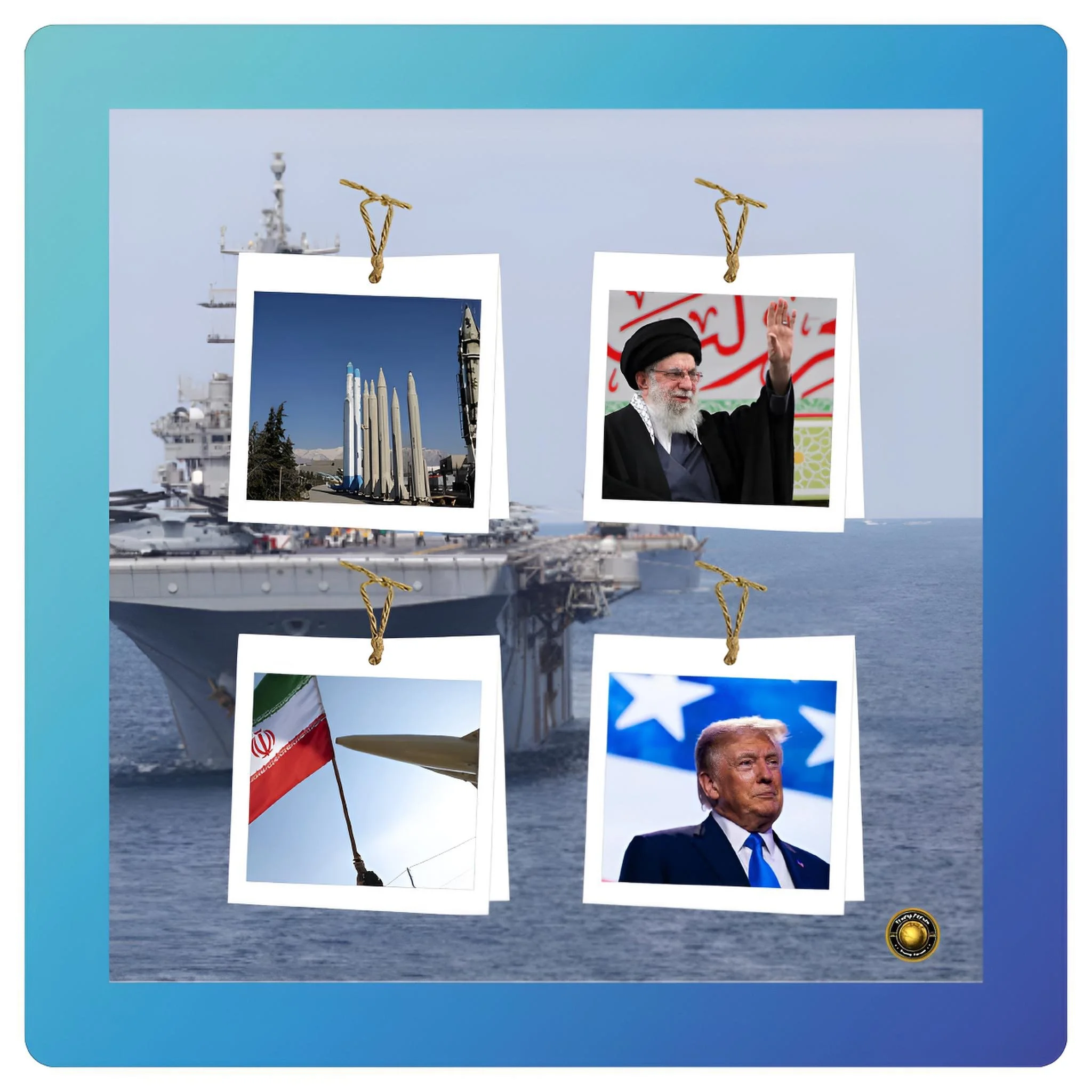
Recent U.S. deployments in the Persian Gulf emphasize carriers, long-range bombers, missile defense, and cyber assets rather than expeditionary infantry. This posture signals punitive capacity without occupation intent.
The model resembles limited campaigns such as Libya in 2011, but with a critical difference: no international coalition is likely to assume postwar governance. Washington’s domestic political climate discourages nation-building. Trump’s rhetoric underscores rapid withdrawal following decisive action.
Israel’s intelligence penetration of Iranian networks, evidenced in prior strikes, heightens leadership vulnerability.
At the same time, Tehran’s crackdown on suspected foreign assets indicates awareness of this risk.
Latest Facts and Concerns
Preparedness, Miscalculation, and Escalation
Iran has reportedly dispersed missile units, hardened nuclear enrichment sites, and decentralized command.
Leadership survival bunkers and redundancy chains have been strengthened. Yet even robust preparation cannot fully mitigate the shock of coordinated strikes.
The central concern is fragmentation. Iran’s political system lacks a transparent mechanism for succession beyond the Supreme Leader’s authority. If Khamenei were killed, elite competition could erupt.
Oil markets would respond immediately. Even a temporary disruption in the Strait of Hormuz could spike crude above $120 per barrel.
Gulf monarchies would face missile threats. Proxy militias across Iraq and Syria could activate.
The risk of regional escalation involving Israel, Gulf states, and possibly Russia complicates containment.
Cause-and-Effect Analysis
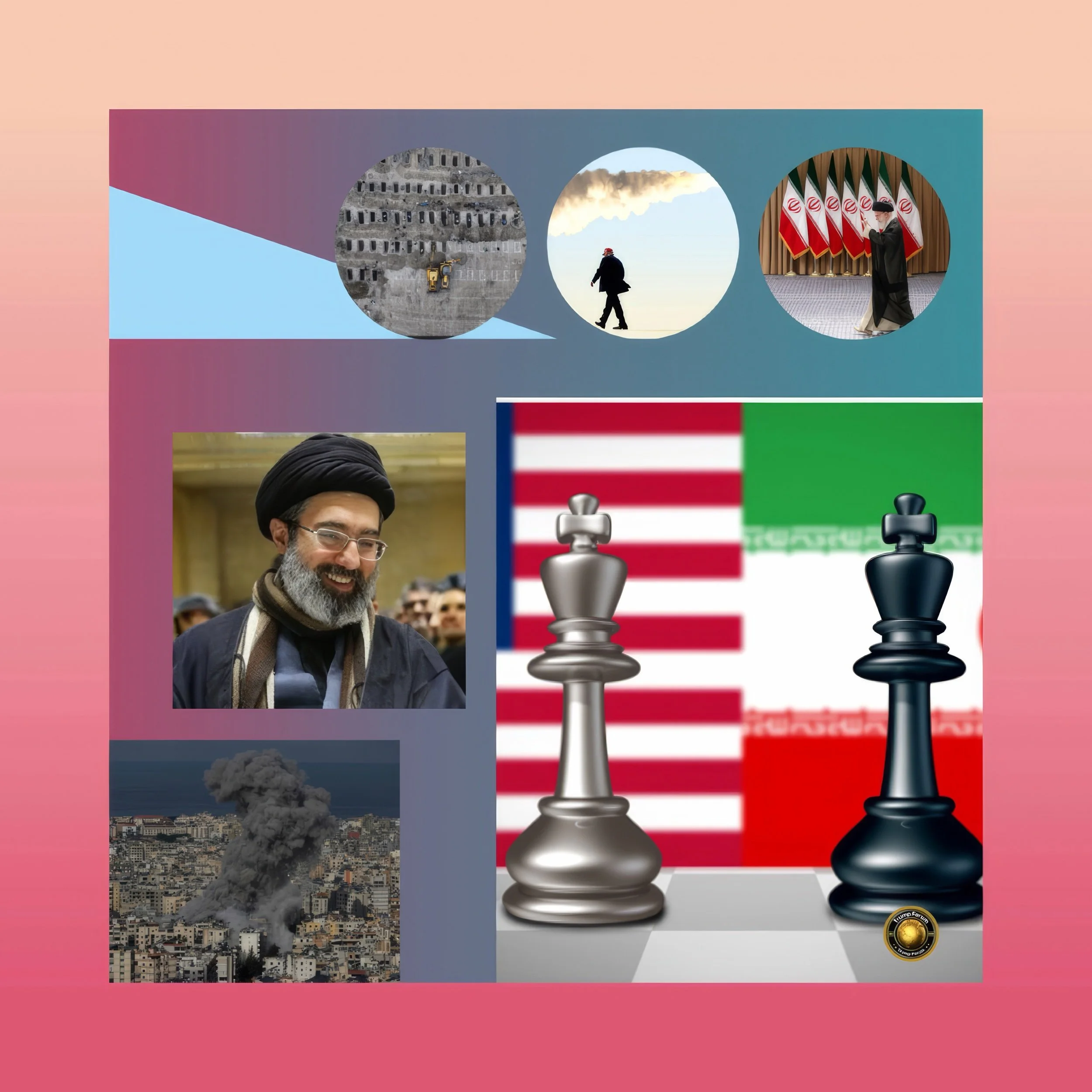
Four Postwar Scenarios
Scenario 1: Managed Military Succession
In this outcome, the IRGC consolidates authority after decapitation strikes. A senior commander assumes de facto leadership, possibly sidelining clerical institutions.
The state survives but becomes more overtly militarized.
Cause: Decapitation eliminates the clerical apex but leaves the military hierarchy intact.
Effect: Stability through coercion, reduced ideological theatrics, pragmatic nationalism.
Foreign policy might moderate tactically but remain adversarial. Nuclear development could accelerate as a form of deterrence insurance. Domestic repression would intensify.
Scenario 2: Revolutionary Fragmentation
If strikes eliminate multiple leadership tiers simultaneously, command coherence could collapse. Competing IRGC factions, clerical networks, and regional power brokers might vie for control.
Cause: Simultaneous elimination of central authority and communications paralysis.
Effect: Urban unrest, provincial autonomy bids, and possible ethnic mobilization in Kurdistan or Baluchistan.
This scenario risks civil conflict. External actors could back proxies. Oil exports would halt. A humanitarian crisis would loom.
Scenario 3: Externally Influenced Transition
A weakened regime might face mass protests. Exiled opposition groups, including monarchists or reformist networks, could seek Western support.
Cause: Military defeat combined with economic collapse delegitimizes the ruling elite.
Effect: Transitional council forms under international mediation.
This path requires unlikely coordination among opposition factions. It also demands restraint from Washington to avoid perceptions of imposed regime change.
Success would hinge on technocratic governance and rapid stabilization funds.
Scenario 4: State Failure and Regional Spillover
The most dangerous trajectory involves prolonged instability. Militias proliferate. Borders weaken. Proxy warfare intensifies.
Cause: Leadership vacuum plus economic implosion plus factional violence.
Effect: Fragmented sovereignty, refugee flows, cross-border insurgencies.
Regional powers might intervene indirectly. The Gulf could militarize further. Energy markets would face chronic volatility.
Future Steps
Strategic Prudence and Postwar Planning
If Washington chooses force, it must prepare for aftermath scenarios even without occupation.
That requires coordination with Gulf states, contingency planning for oil stabilization, and diplomatic channels to prevent Russian or Chinese exploitation.
Back-channel communication with surviving Iranian institutions could reduce chaos. Clear red lines regarding nuclear sites would be essential.
Regional stakeholders must also plan. Saudi Arabia and the UAE would need to integrate for defense. Israel would recalibrate its deterrence posture. Turkey might exploit Kurdish dynamics.
Conclusion
The Illusion of Clean Breaks
Modern warfare tempts leaders with the promise of decisive strikes absent entanglement. Yet Iran’s size, population of 88 million, and strategic geography defy simplicity. A war designed to avoid occupation cannot avoid consequences.
Regime decapitation might end a chapter but open the door to an unpredictable sequel. The cards may fall into unexpected patterns, and the absence of boots on the ground does not absolve from responsibility.