How Iran Lost: Tehran’s Hard-Liners Squandered Decades of Strategic Capital and Undermined Deterrence
Introduction
The Collapse of Iranian Deterrence
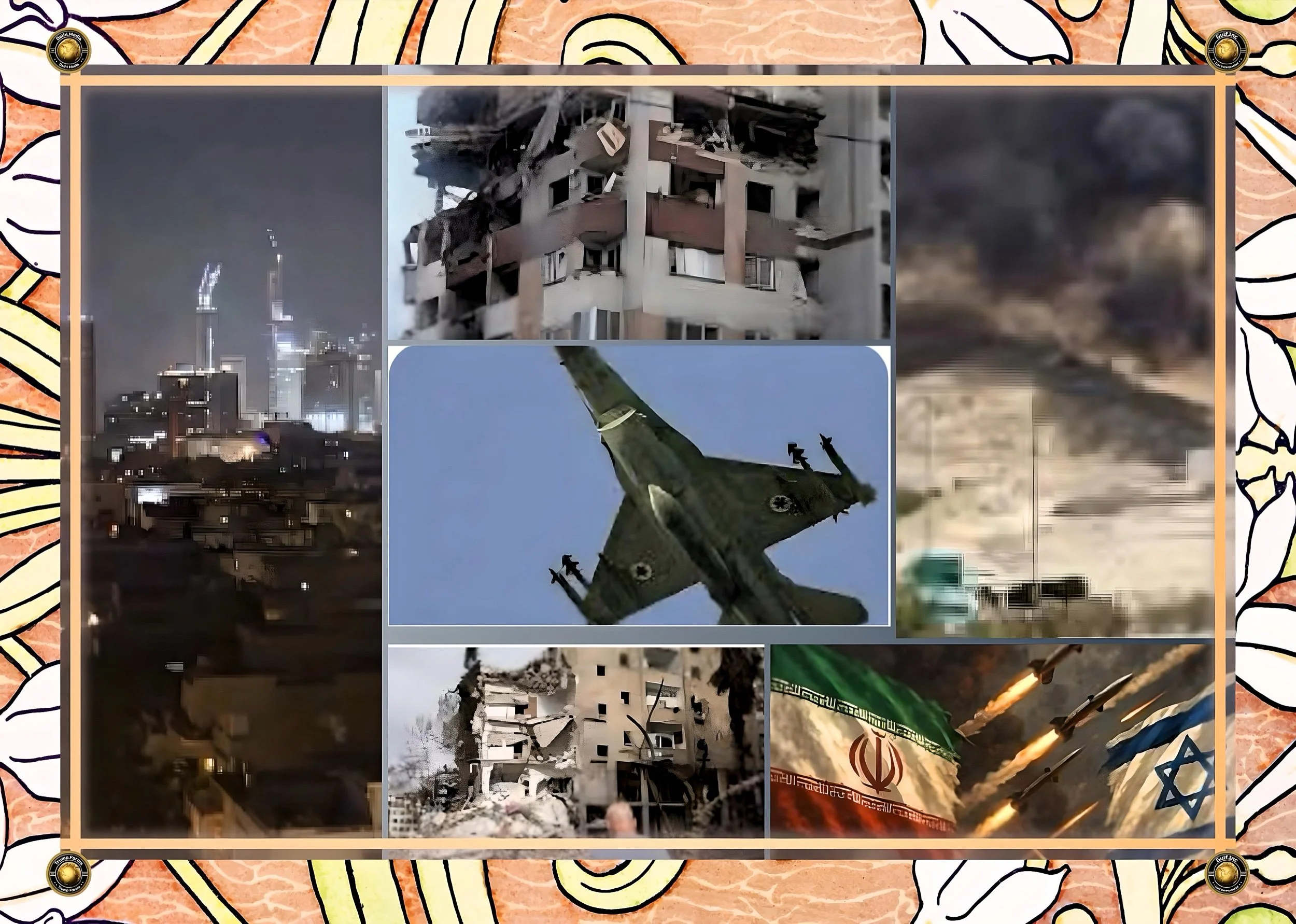
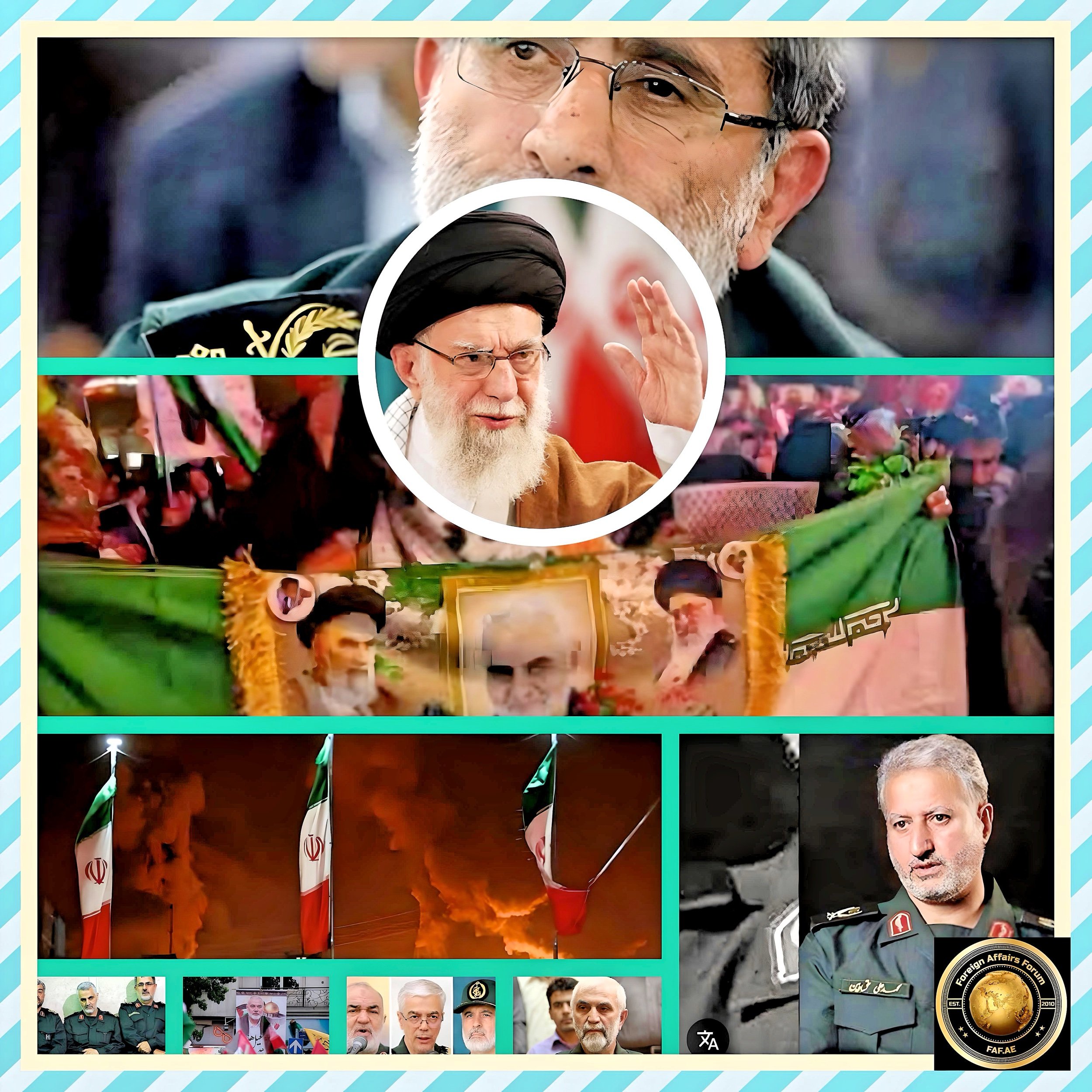
On June 13, 2025, Israel launched a devastating series of strikes against Iran, targeting nuclear facilities, missile sites, and killing top Iranian military leadership.
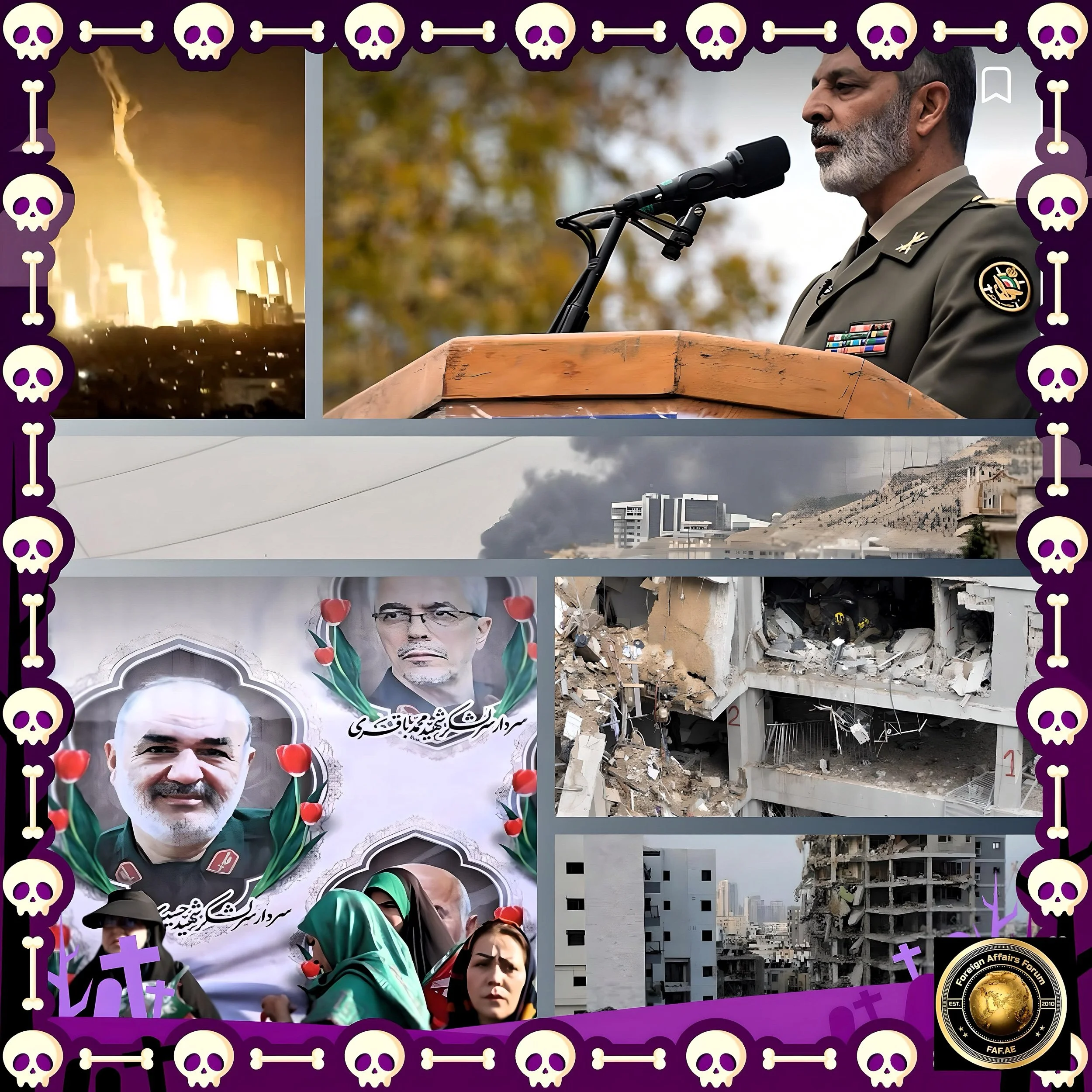
This attack, which claimed the lives of Mohammad Bagheri, the chief of staff of the armed forces, and Hossein Salami, the commander in chief of the Islamic Revolutionary Guard Corps (IRGC), marked the culmination of Iran’s strategic failures.
Just a month before his death, Salami had warned that Tehran would “open the gates of hell” if attacked by Israel or the US. The reality proved quite different.
For decades, Iran had built what appeared to be a formidable deterrence system based on three pillars: a robust ballistic missile program, an advancing nuclear enrichment program, and a network of proxy forces across the Middle East.
This strategy allowed Iran to threaten adversaries from multiple fronts while maintaining plausible deniability.
By October 2023, the Islamic Republic was at its peak of regional influence, exerting control over a vast territory from Iraq to the Mediterranean.
However, Iran’s strategic position unraveled with remarkable speed following Hamas’s October 7, 2023, attack on Israel.
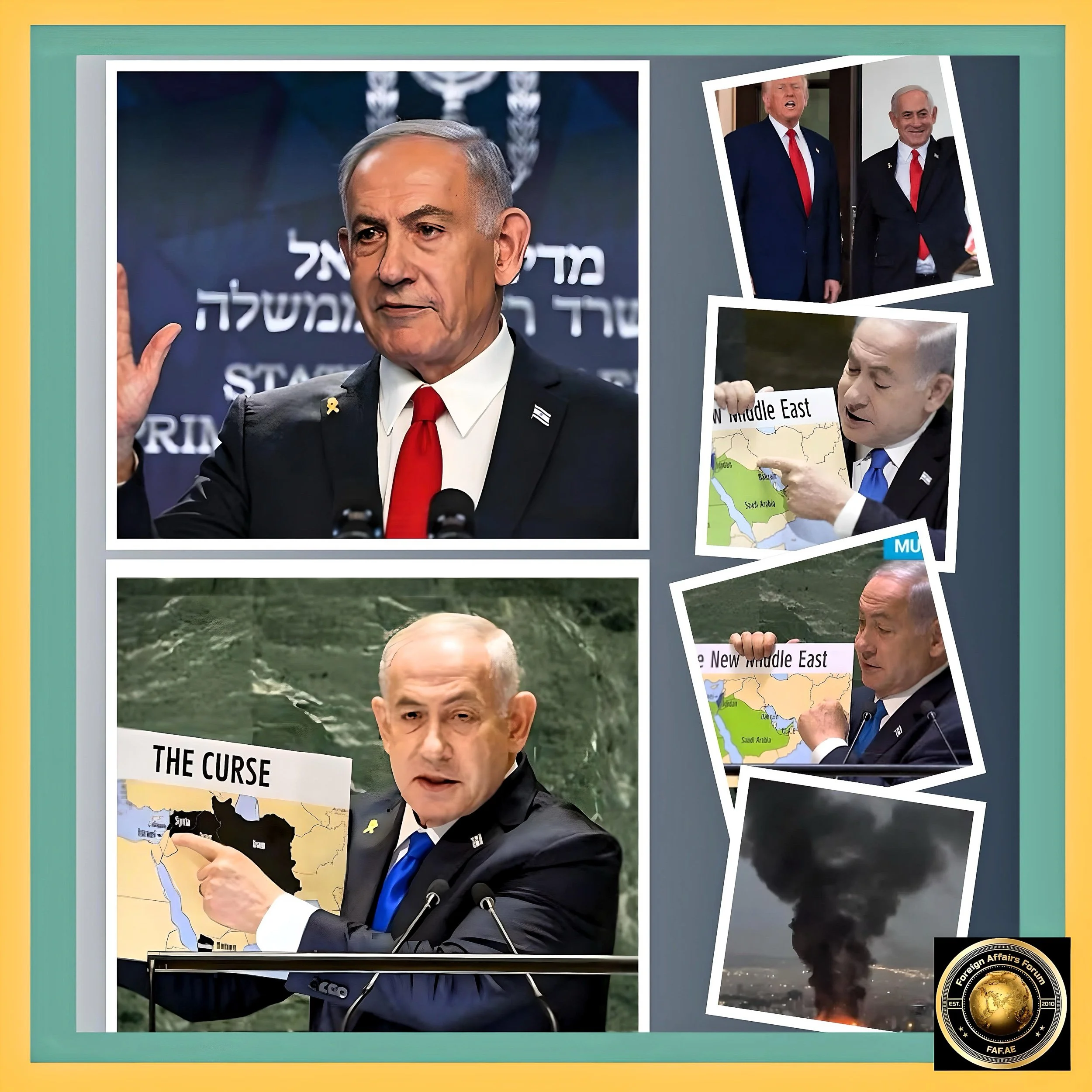
Rather than allowing Hamas to fight alone, Iran’s leadership made the fateful decision to activate its “Axis of Resistance fully, unleashing its proxies against Israel and its allies.
This decision would prove catastrophic for Iran’s regional position and ultimately expose the fundamental weaknesses in its deterrence strategy.
The Dismantling of the Axis of Resistance
The “Axis of Resistance,” Iran’s network of allied militant groups and states, had been a cornerstone of Iranian regional strategy since the 1979 Islamic Revolution.
This network included Hamas in Gaza, Hezbollah in Lebanon, the Houthis in Yemen, various militias in Iraq, and crucially, the Assad regime in Syria.
These alliances allowed Iran to project power throughout the region while avoiding confrontation with its adversaries.
Israel’s response to the October 7 attacks systematically dismantled this network. In Gaza, Israeli military operations severely degraded Hamas’s capabilities.
In Lebanon, Israel employed a “decapitation strategy” against Hezbollah, eliminating its entire command structure, including its leader, Hassan Nasrallah, through sophisticated intelligence-driven operations.
By September-November 2024, Hezbollah had been devastated as a fighting force.
The most surprising blow came in December 2024, when the Assad regime in Syria collapsed during a major offensive by opposition forces.
This development was particularly damaging to Iran’s strategic position, as Syria had served as:
A critical supply route for weapons to Hezbollah in Lebanon
A forward base for Iranian forces near Israel’s borders
A key ally in Iran’s regional architecture since the early days of the Islamic Revolution
The fall of Assad represented not just the loss of an ally but the severing of a vital geographic link in Iran’s regional network.
With a new anti-Iranian government forming in Damascus, Iran lost its ability to maintain the land corridor that had facilitated the movement of weapons and personnel to its proxies on Israel’s borders.
Fatal Miscalculations
Iran’s Direct Confrontation with Israel
Facing the rapid erosion of its proxy network, Iran made a critical strategic error by choosing confrontation with Israel rather than strategic restraint.
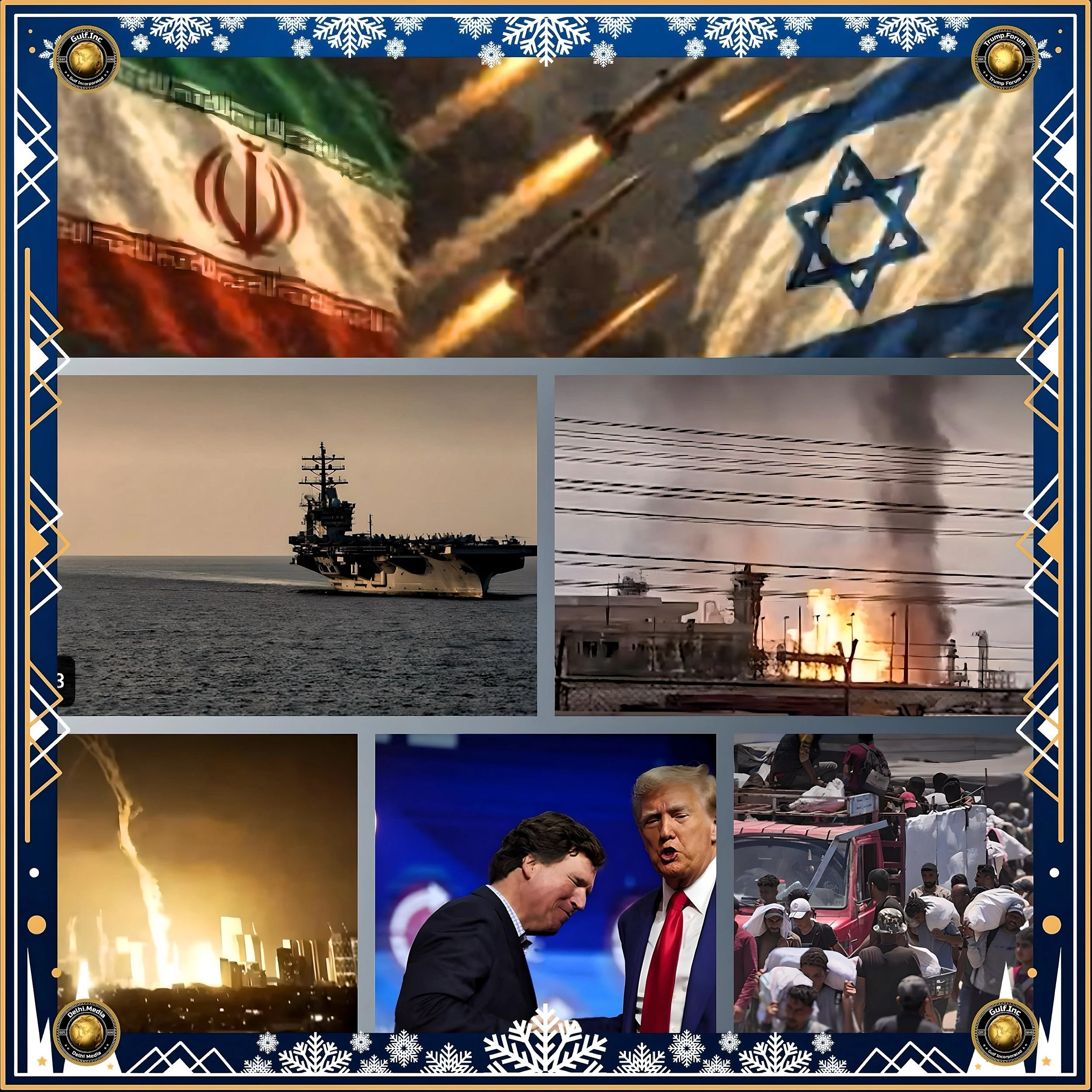
In April 2024, Iran launched “Operation True Promise,” its first direct attack on Israel from Iranian soil.
This assault involved approximately 170 drones, 30 cruise missiles, and 120 ballistic missiles.
Then, in October 2024, Iran launched “Operation True Promise II,” firing about 200 ballistic missiles at targets in Israel.
These attacks, intended to demonstrate Iran’s military might and reestablish deterrence, instead revealed critical weaknesses in Iran’s capabilities:
Despite being the largest ballistic missile attacks ever launched against Israel, they achieved minimal damage to their targets
Israel’s air defense systems, supported by the US and other allies, intercepted 80-90% of the incoming projectiles
The attacks cost Iran approximately $500 million in expended missiles and drones, with little strategic gain
Most critically, these failed attacks invited direct Israeli retaliation against Iranian territory.
In October 2024, Israel struck Iranian air defense systems and military facilities, demonstrating its ability to operate in Iranian airspace with relative impunity.
This shattered the final barrier that had previously prevented Israel from using military force against Iranian territory.
Economic Foundations of Failure
Iran’s strategic failures were underpinned by profound economic weaknesses that undermined its ability to sustain its regional ambitions.
The Iranian political system failed to develop a viable economic model, with corruption and ideological priorities taking precedence over merit-based governance and economic development.
International sanctions and systemic dysfunction compounded this weakness.
By 2020, Iran’s GDP had declined to approximately $262 billion, its lowest level since 2006, while its share of global trade had decreased to just 0.2 percent.
This economic deterioration had several critical impacts on Iran’s strategic position:
It limited Iran’s ability to support its proxy network across the region financially
It increased domestic dissatisfaction, reducing popular support for the regime’s regional policies
It constrained Iran’s ability to replenish its missile and drone stockpiles after primary operations
The economic constraints also affected Iran’s nuclear program.
While Iran had accelerated uranium enrichment to 60% purity by 2025, it lacked the resources to quickly convert this into weapons-grade uranium and develop delivery systems before Israel struck.
According to the International Atomic Energy Agency, Iran could have produced enough weapons-grade uranium for nine nuclear weapons in just three weeks at the Fordow Fuel Enrichment Plant.
However, Iran’s economic limitations and strategic miscalculations prevented it from crossing this final threshold before Israel’s June 2025 attack.
The Trump Factor and Failed Negotiations
The return of Donald Trump to the US presidency in January 2025 added another dimension to Iran’s strategic predicament.
On March 7, 2025, Trump sent a letter to Iranian Supreme Leader Ali Khamenei, setting a two-month deadline for Iran to reach a nuclear agreement or face “serious military consequences”.
This ultimatum included demands that Iran fully dismantle its nuclear program, halt all enrichment, and end support for regional proxy groups.
Initially, Iran appeared willing to negotiate. Foreign Minister Abbas Araghchi engaged in talks with US Special Envoy Steve Witkoff, with three rounds of negotiations taking place in April 2025.
However, these talks ultimately failed to produce an agreement, with key sticking points including:
The disposition of Iran’s stockpile of highly enriched uranium
Verification mechanisms for Iranian compliance
Guarantees against future US withdrawal from any agreement
The Israeli strikes on June 13, 2025, came just one day after the expiration of Trump’s two-month deadline.
This timing suggests coordination between the US and Israel, with Israel acting as the enforcer of Trump’s ultimatum. The strikes effectively ended any prospect of further negotiations and pushed the conflict into a new, more dangerous phase.
The New Regional Order
The dismantling of Iran’s regional network and the exposure of its deterrence weaknesses have fundamentally altered the Middle East’s strategic landscape. Several key shifts are now evident:
Gulf Ascendancy
Saudi Arabia and other Gulf states have emerged as dominant regional actors, promoting a vision of a conflict-free region where trade and diplomacy take precedence over military confrontation.
Turkish Repositioning
Turkey has strategically realigned itself with Gulf Cooperation Council countries, emerging as a key supporting actor in the new regional architecture. Turkey’s influence in post-Assad Syria gives it particular leverage in shaping regional dynamics.
Israeli Military Dominance
Israel has demonstrated its military superiority and willingness to use force against Iran directly, fundamentally altering the regional balance of power.
Iranian Isolation
With its proxy network severely degraded and its deterrence capabilities exposed as inadequate, Iran finds itself increasingly isolated and vulnerable.
This new regional order presents Iran with a stark choice: continue on the path of resistance, which has led to strategic disaster, or pivot toward development and integration with the regional economy.
The first path briefly opened a direct connection from Tehran to Beirut—a connection that has since been lost. The second path might offer Iran a chance to rebuild its position through economic rather than military means.
Conclusion
The End of an Era
The Israeli strikes of June 2025 mark the end of an era in Middle Eastern geopolitics. Iran’s three-decade strategy of deterrence through proxies, missiles, and nuclear ambiguity has collapsed under the weight of its contradictions and miscalculations.
The hard-liners who control Iran’s regime overplayed their hand following the October 7 attacks, unleashing a chain of events that ultimately exposed Iran to direct attack.
The killing of top Iranian military leaders like Bagheri and Salami represents not just a tactical setback but a strategic defeat for the Islamic Republic.
Iran’s deterrence has failed, its proxy network has been dismantled, and its nuclear program has been set back significantly. The regime now faces its most vulnerable moment since the Iran-Iraq War of the 1980s.
As the dust settles on the June 2025 strikes, the fundamental question for Iran’s leadership is whether they can learn from these strategic failures or whether they will continue down a path that has led to disaster.
The answer will shape the future of Iran and the entire Middle East.