Executive Summary
Iran believes it can control nuclear talks with the United States. After Russia invaded Ukraine in 2022, Iranian leaders thought Europe would face an energy crisis and need Iranian oil.
They believed this would give them power in negotiations.
But things did not happen the way Tehran expected.
Europe found new energy suppliers. The United States stayed united with its allies. Sanctions on Iran continued.
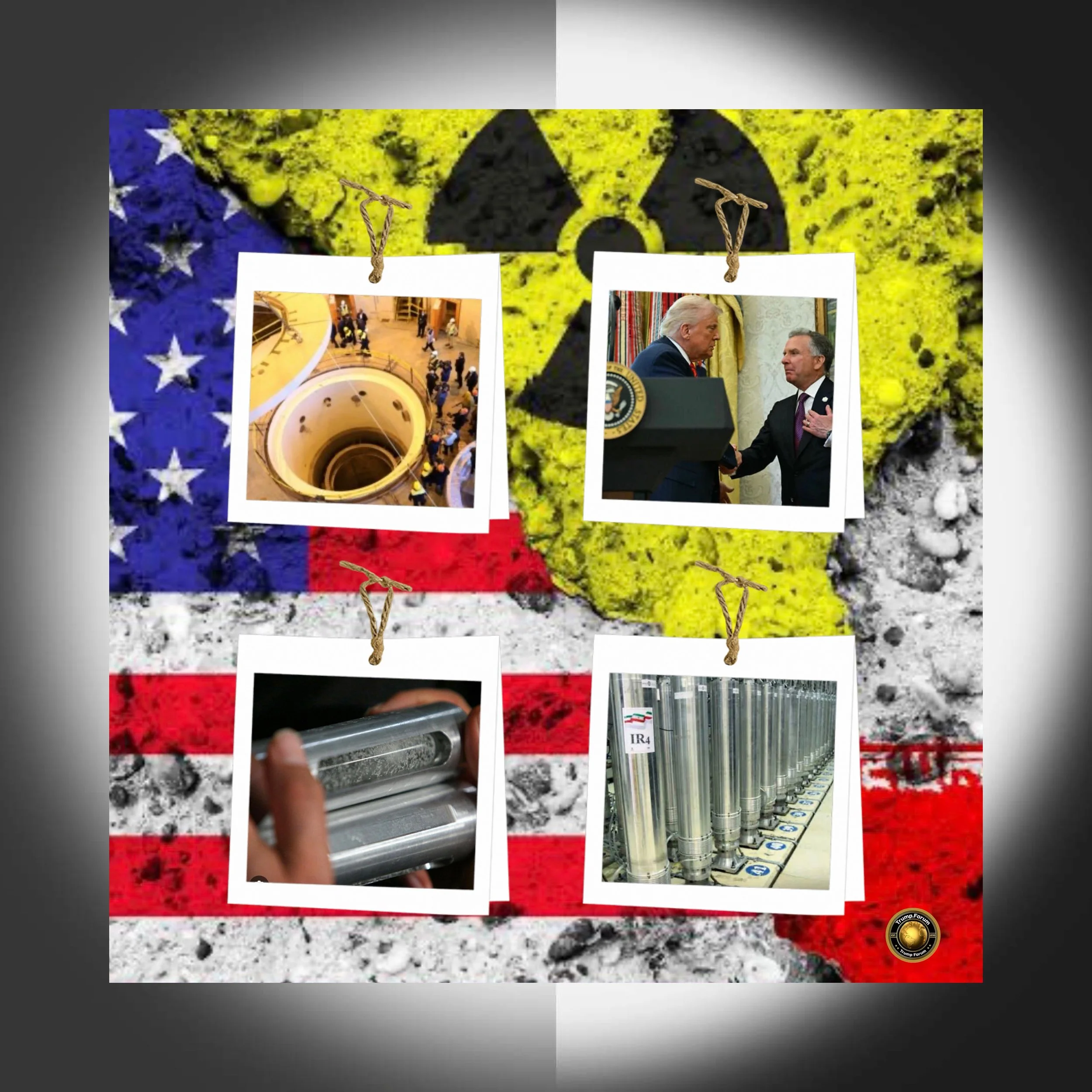
Meanwhile, Iran increased its uranium enrichment to very high levels.
Today, Iran is closer to having the ability to build a nuclear bomb than ever before. This gives it some bargaining power.
But it also increases the risk of war, especially with Israel.
Iran may think it is strong, but it may actually be in a more dangerous position.
Introduction
In early 2022, nuclear talks in Vienna were close to success. Then Russia invaded Ukraine. Everything changed. Energy prices rose. Europe feared shortages.
Iran believed this crisis would weaken the West. Leaders in Tehran used the phrase “Winter is coming,” taken from the TV show Game of Thrones. They thought Europe would suffer and ask Iran for help.
But Europe adapted. It bought more gas from the United States and other countries. It stored energy and invested in renewables. The crisis did not destroy Western unity.
History and Current Situation
In 2015, Iran signed a nuclear deal with world powers. It agreed to limit uranium enrichment to low levels in exchange for sanctions relief.
In 2018, U.S. President Donald Trump left the deal and restored sanctions. Iran then gradually increased enrichment.
By 2022, Iran was enriching uranium up to 60%. That is very close to weapons-grade level.
Today, Iran still faces heavy sanctions. Prices inside the country are high.
Inflation has sometimes gone above 40%. Many young people struggle to find good jobs.
Key Developments
After the Ukraine war began, Europe did not collapse. Instead, it changed its energy system.
For example, it imported liquefied natural gas from the United States and Qatar. It filled storage facilities before winter.
Sanctions on Iran also became stricter in some areas. Even when Iran sells oil, it often must offer discounts. That means it earns less money.
Israel has also increased pressure. It has carried out covert operations against Iranian targets in the past. Iran knows that if it tries to build a nuclear bomb openly, Israel may strike.
Latest Facts and Concerns
Iran now has enough highly enriched uranium that, if further enriched, could be used for several nuclear weapons.
This does not mean it has built a bomb. But it means the “breakout time” is very short.
This creates fear in Israel and Washington. If they believe Iran is about to build a bomb, they may decide to act first.
At the same time, Iran’s economy is weak.
Imagine a family that keeps borrowing money while also arguing with its neighbors. It may feel strong in the moment, but its problems are growing quietly.
Cause and Effect
Iran increased enrichment to gain leverage. The idea was simple: the more advanced the program, the more pressure on the United States to negotiate.
But the result has been different. Instead of giving Iran full control, it has increased distrust. It has made military options more likely.
Another example: Iran thought Europe’s energy crisis would force a quick compromise. Instead, Europe changed its suppliers. The short-term crisis led to long-term independence.
Future Steps
Iran has three choices.
It can return to serious negotiations and accept limits again. This could bring sanctions relief and economic improvement.
It can stay at the current level, close to nuclear capability, but not build a bomb. This is risky because small mistakes could lead to war.
Or it can move toward building a weapon. That would almost certainly cause a major international crisis.
Conclusion
Iran believes it understands the situation. It believes time is on its side. But the world after 2022 is not as weak or divided as Tehran expected.
Iran’s nuclear progress gives it some strength. But it also puts it in danger.
If leaders miscalculate, they could trigger conflict that harms the entire region—and Iran itself most of all.